Kodkod: The Americas' Smallest Wild Cat Needs Forest Cover
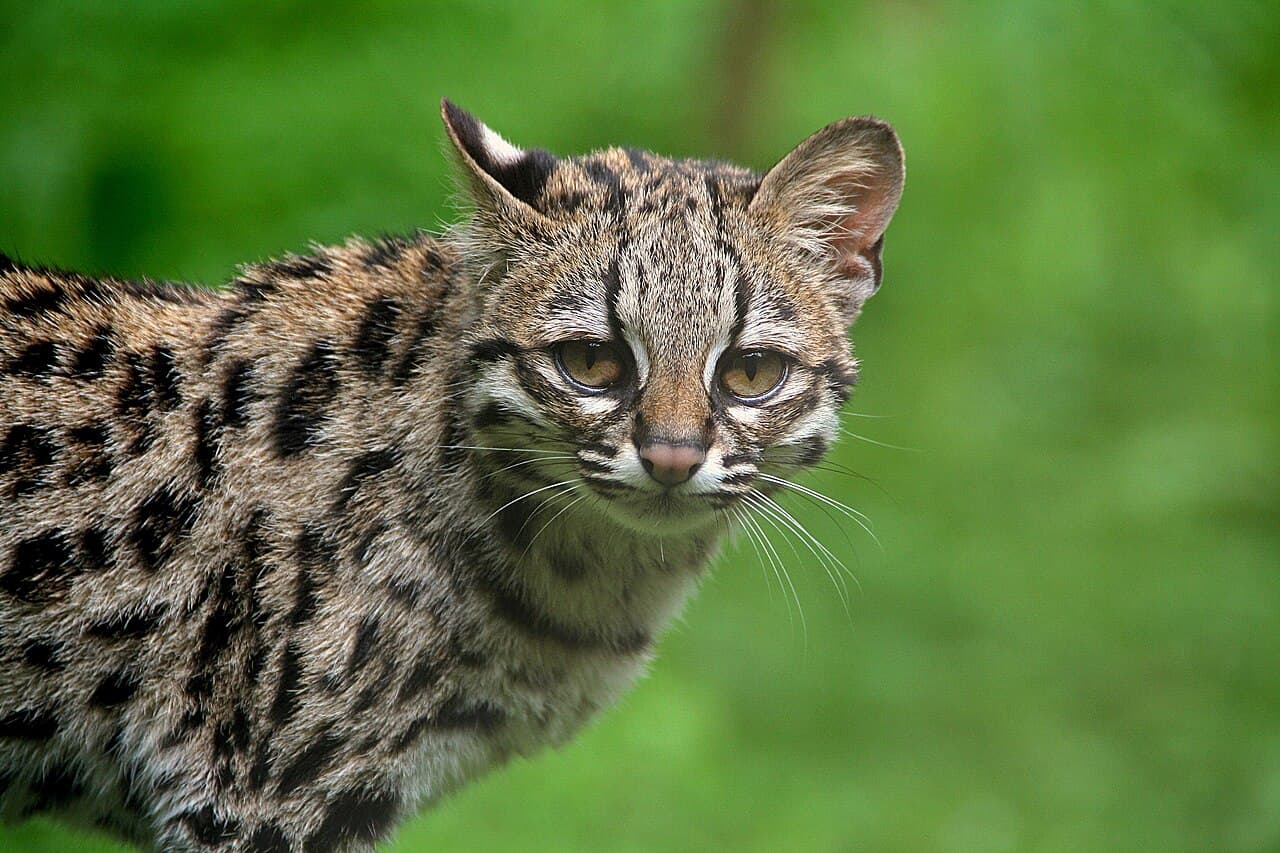
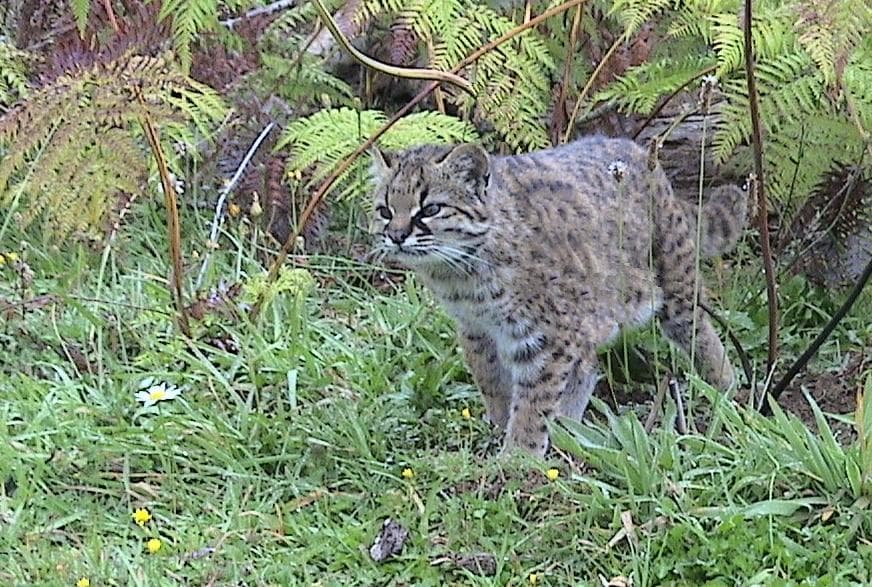
Meet the kodkod, or guiña, the smallest wild cat in the Americas. Learn about its Chilean forests, spotted coat, hunting, and habitat needs.
Discover how the margay climbs down trees headfirst, balances with its long tail, and depends on forests across the tropical Americas.
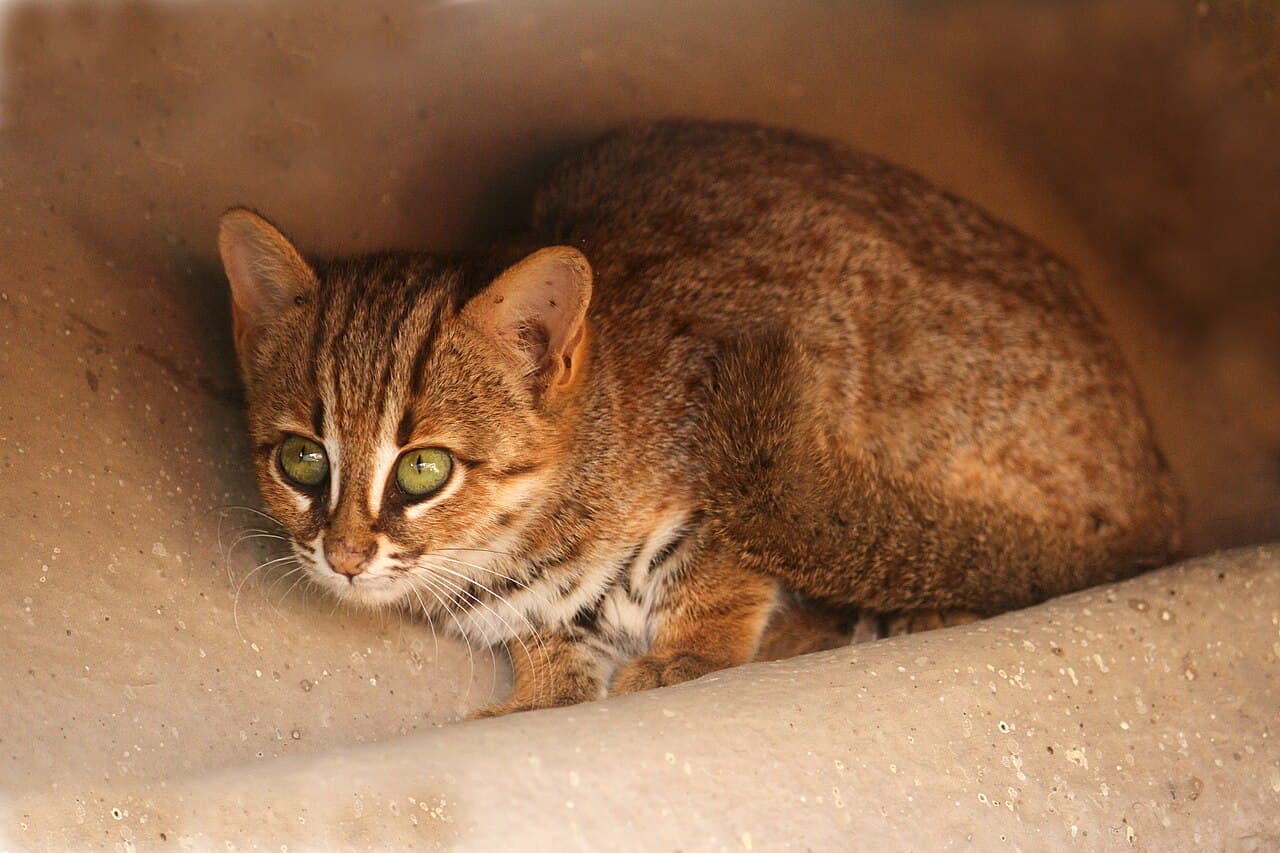
Meet the rusty-spotted cat, one of the smallest wild cats. Explore its spotted coat, night hunting, South Asian home, and conservation needs.
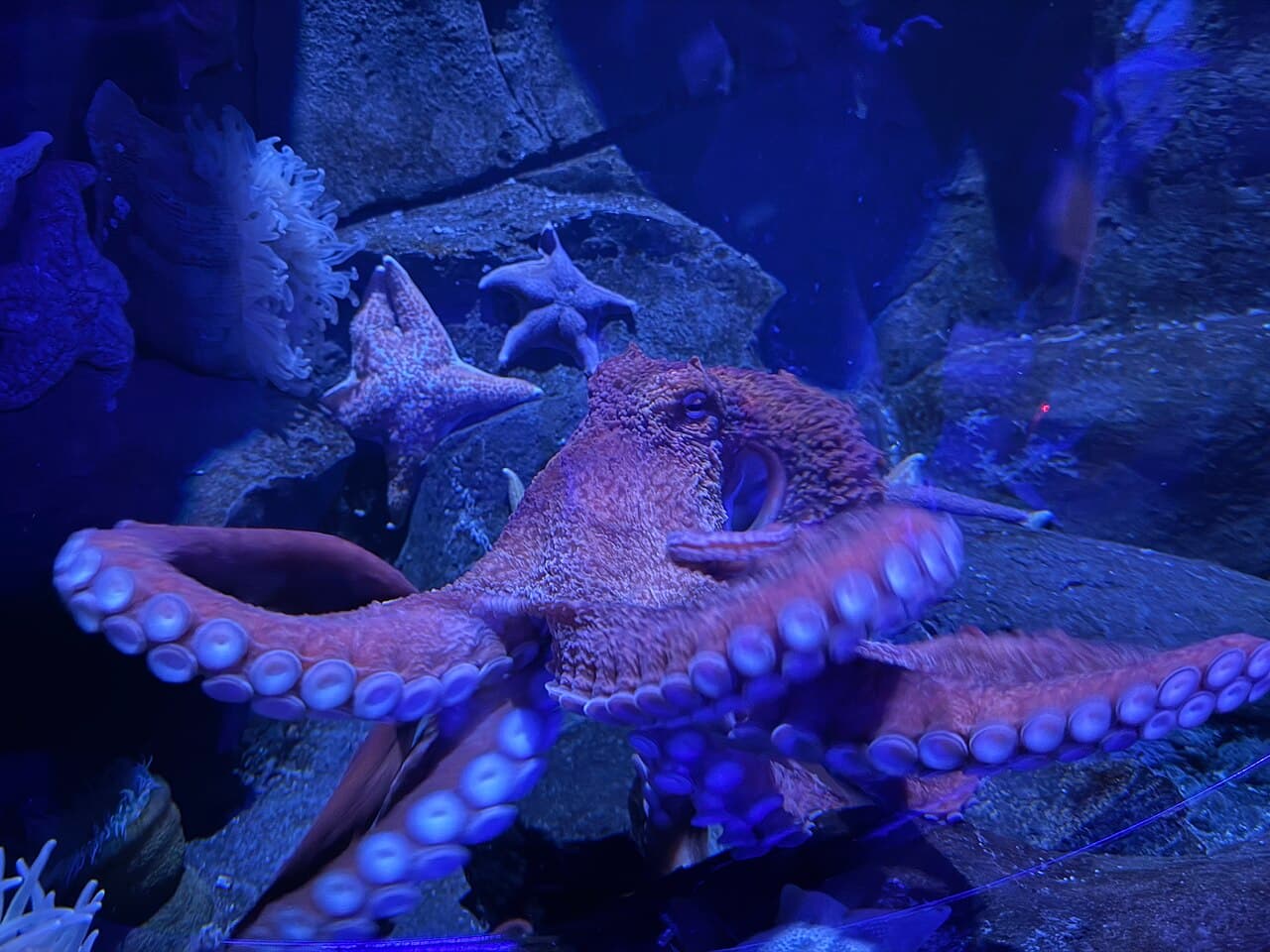
Explore the giant Pacific octopus, a powerful eight-armed hunter with changing colors, textured skin, and impressive learning abilities.
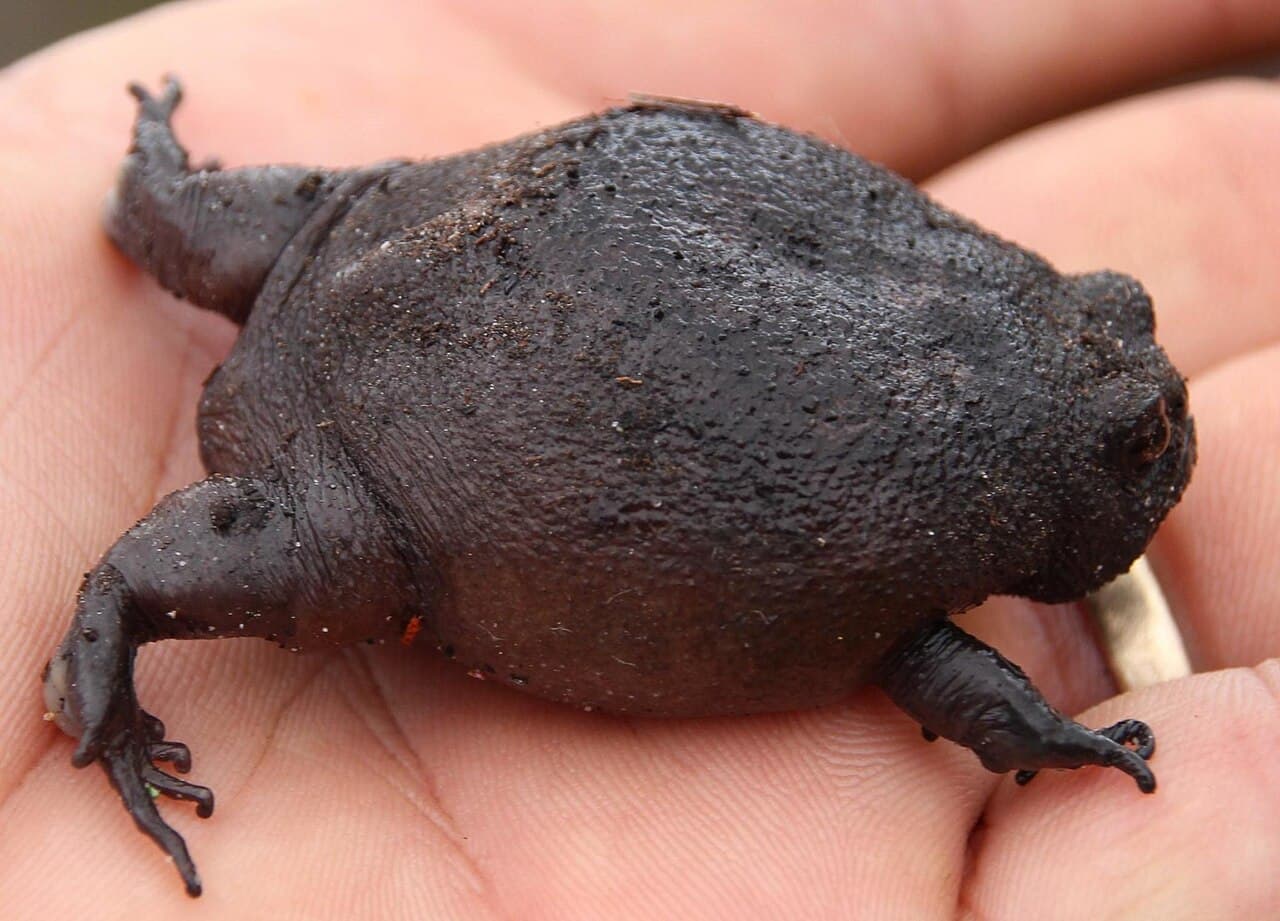
Meet the black rain frog, a round South African burrower with digging feet, an unusual defense, and young that hatch as froglets.
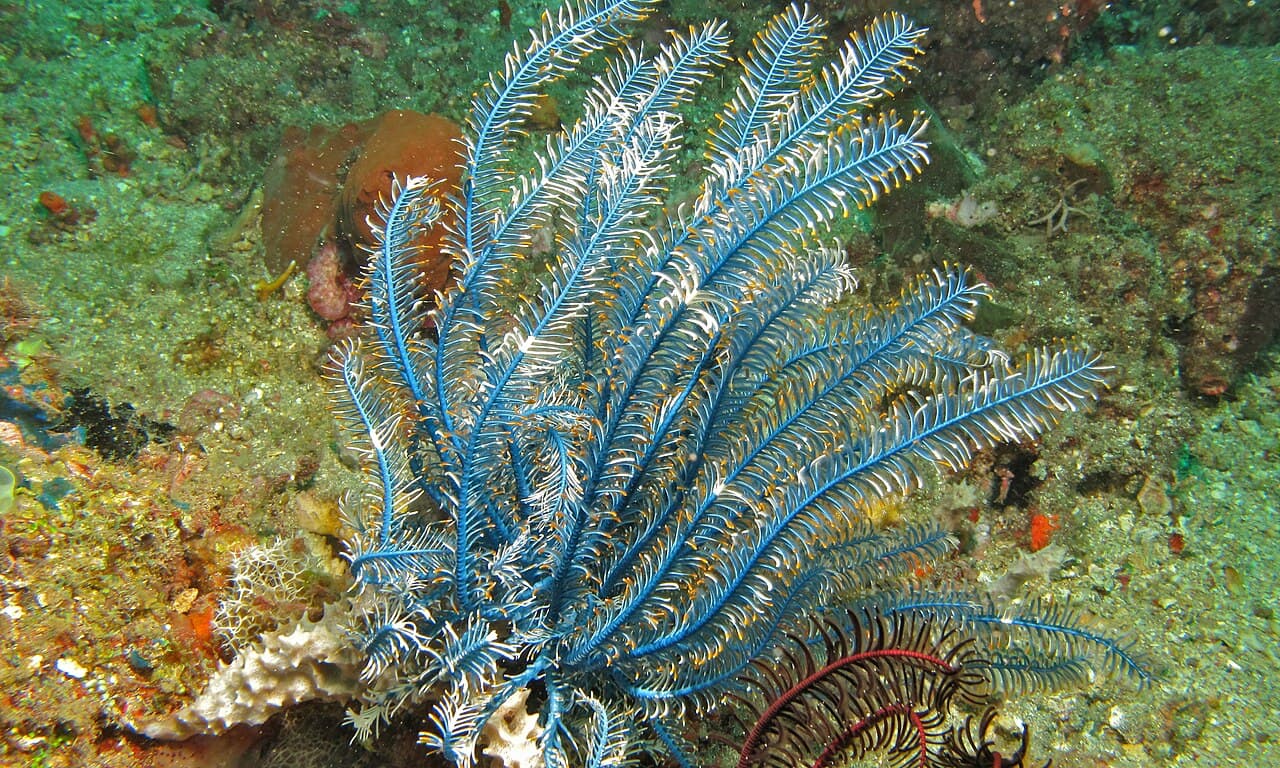
Discover feather stars, marine animals whose branching arms and tiny tube feet collect drifting food from the surrounding seawater.
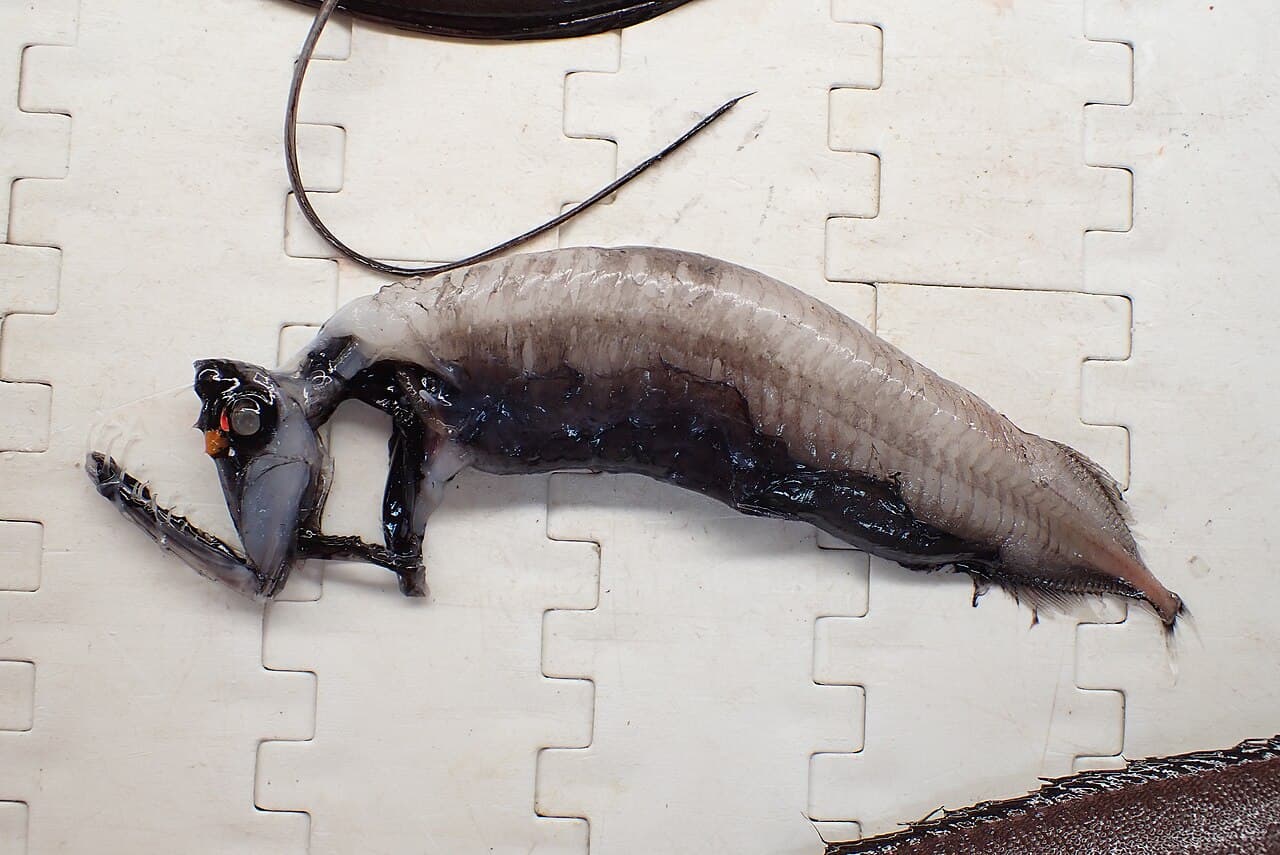
Explore deep-sea dragonfishes, ambush predators with sharp teeth, dark camouflage, and light-producing organs adapted to ocean darkness.
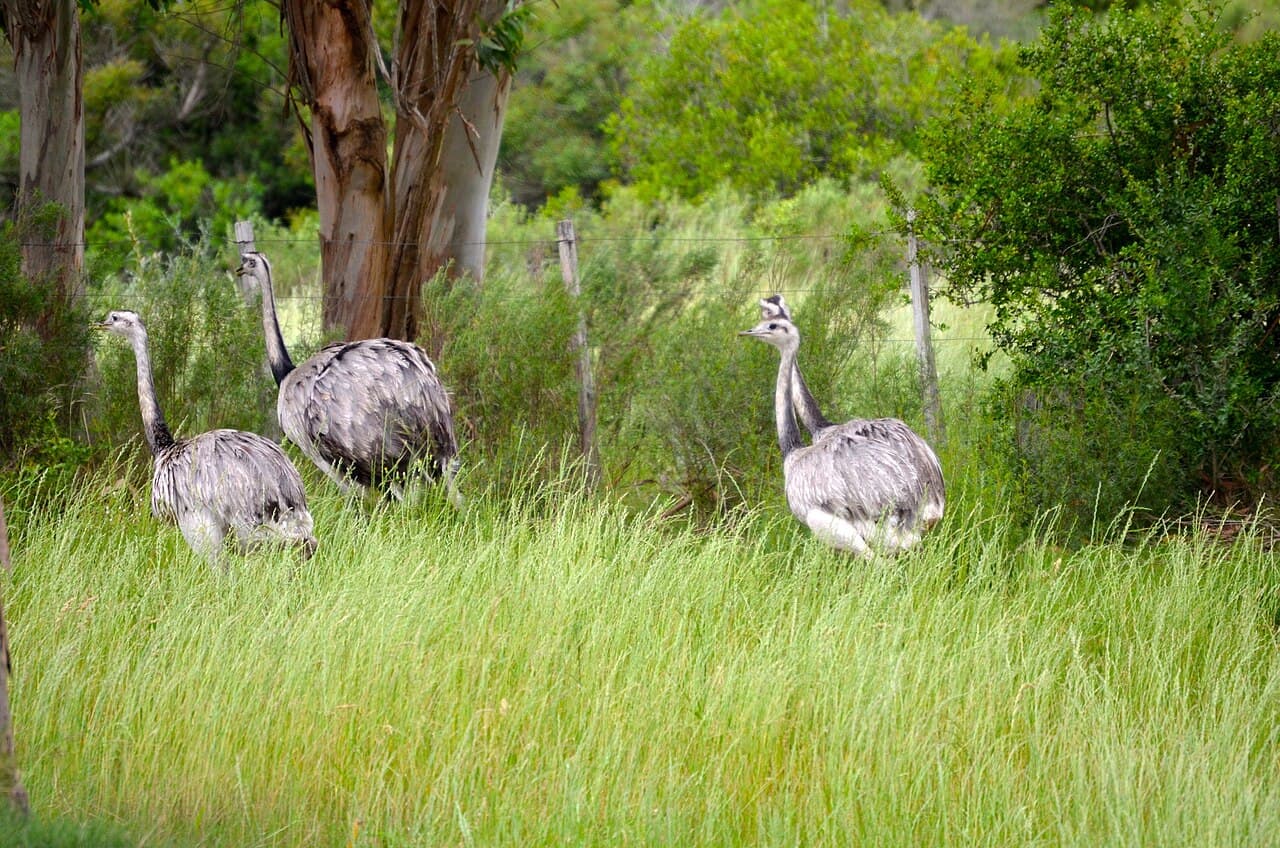
Meet the greater rhea, South America's largest bird, and discover how powerful legs, useful wings, and devoted fathers shape its life.
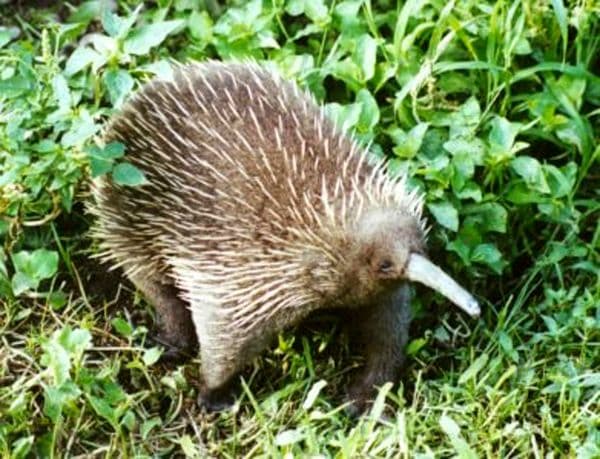
Explore the long-beaked echidnas of New Guinea: egg-laying mammals with curved snouts, spines, and a remarkable way of finding food.
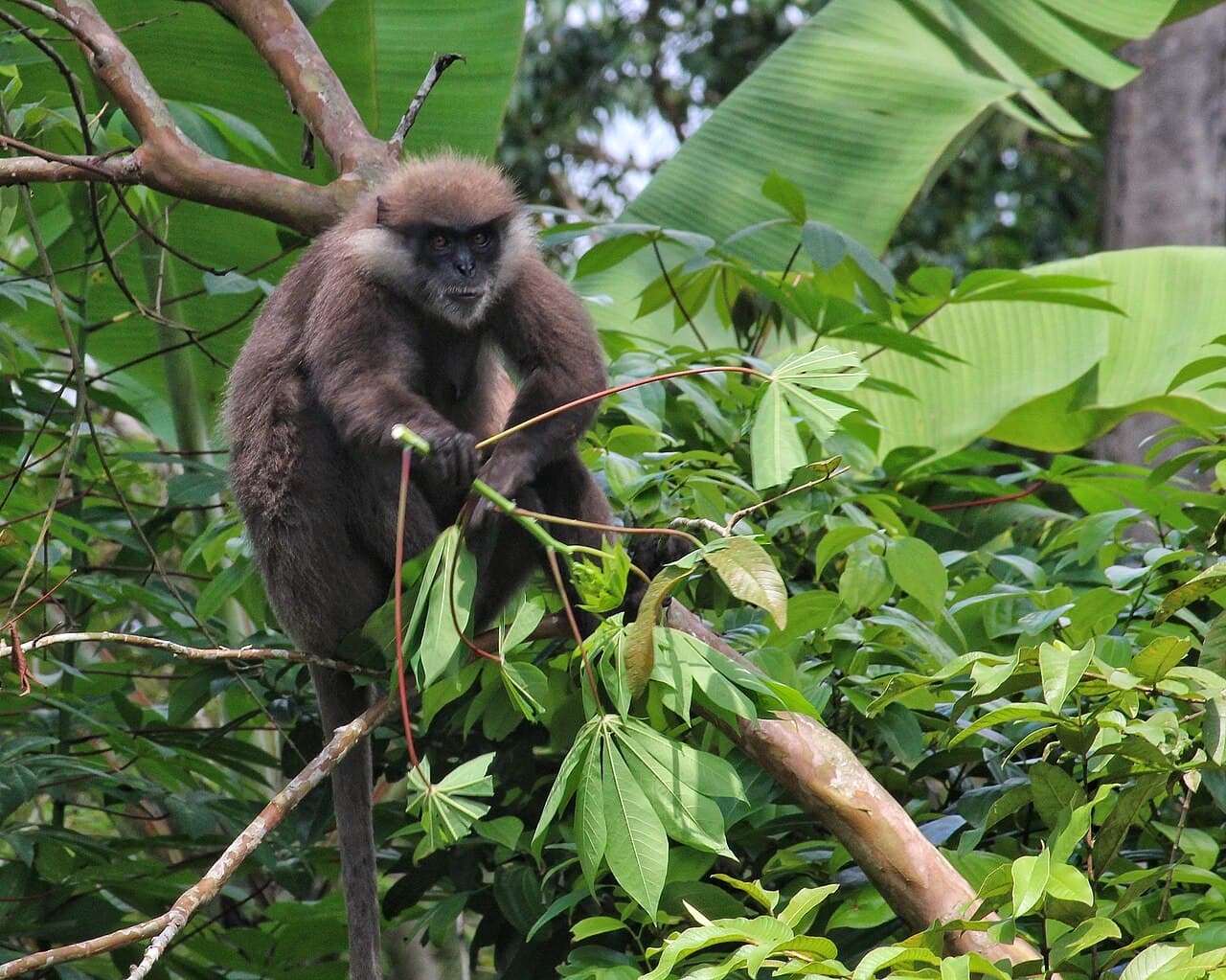
Meet Sri Lanka's purple-faced langur, a leaf-eating monkey with pale cheek whiskers, a long tail, and a strong dependence on connected trees.
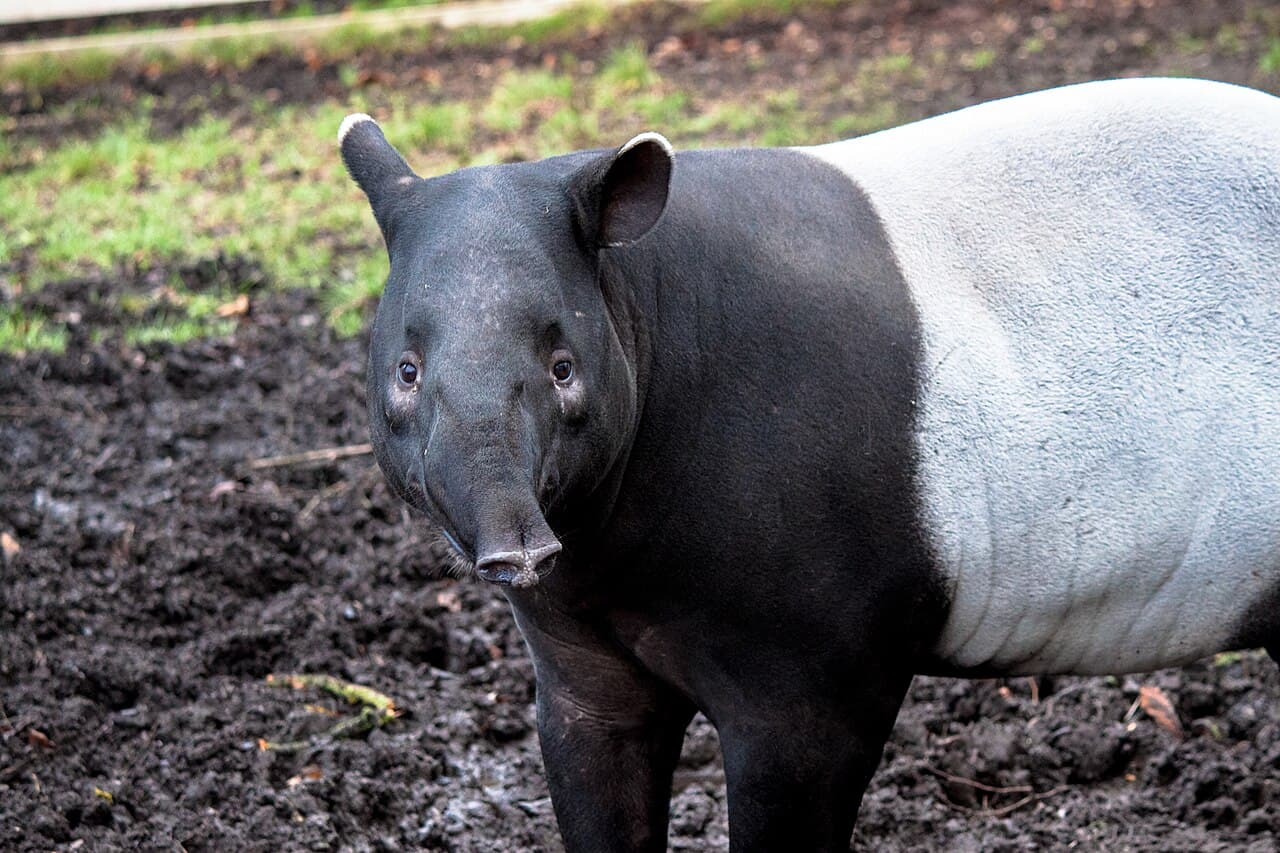
Meet the Malayan tapir, Asia's distinctive black-and-white tapir, and explore its flexible snout, forest diet, and conservation needs.
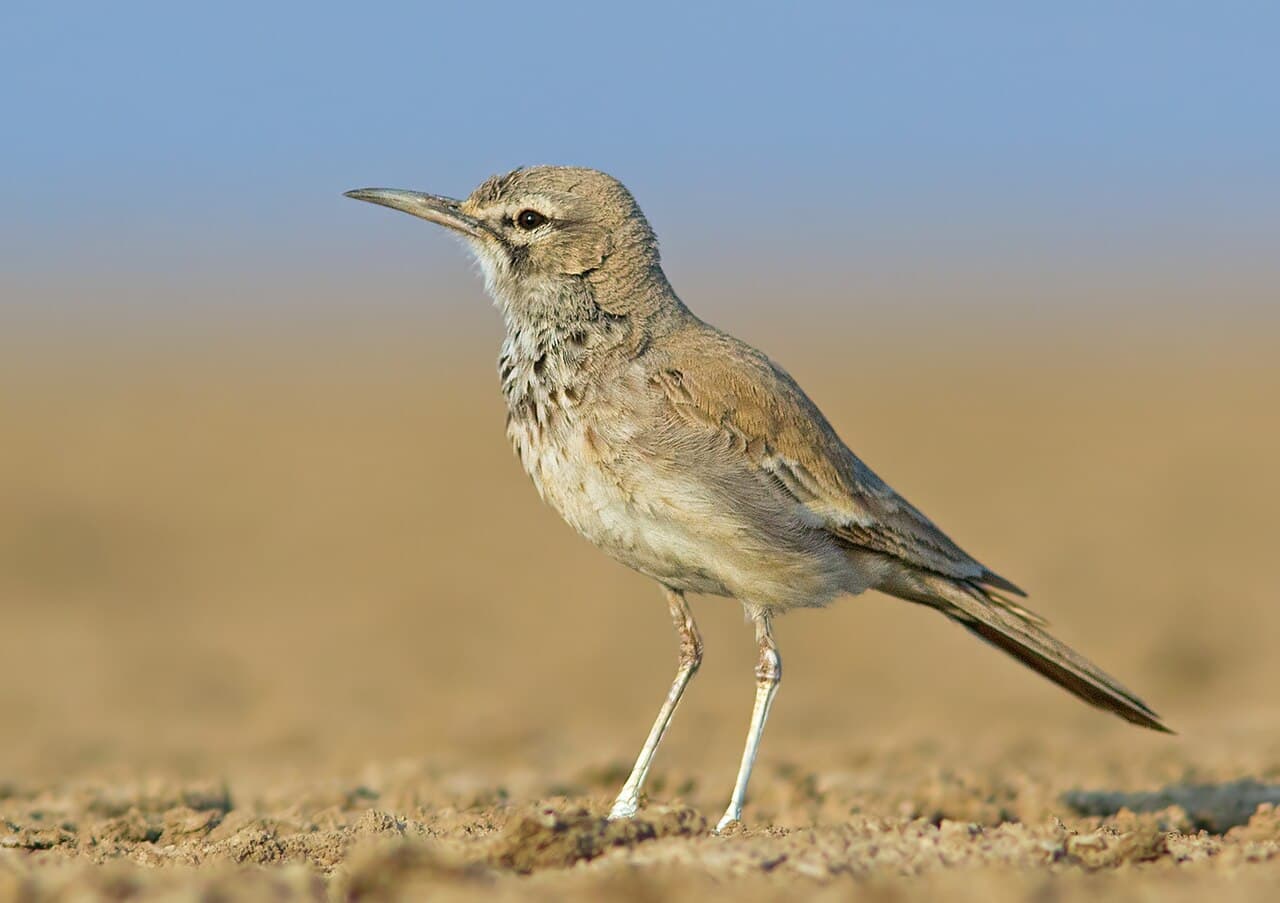
Discover the greater hoopoe-lark, a sandy desert bird with bold wing markings, a curved bill, and remarkable ways of coping with heat.
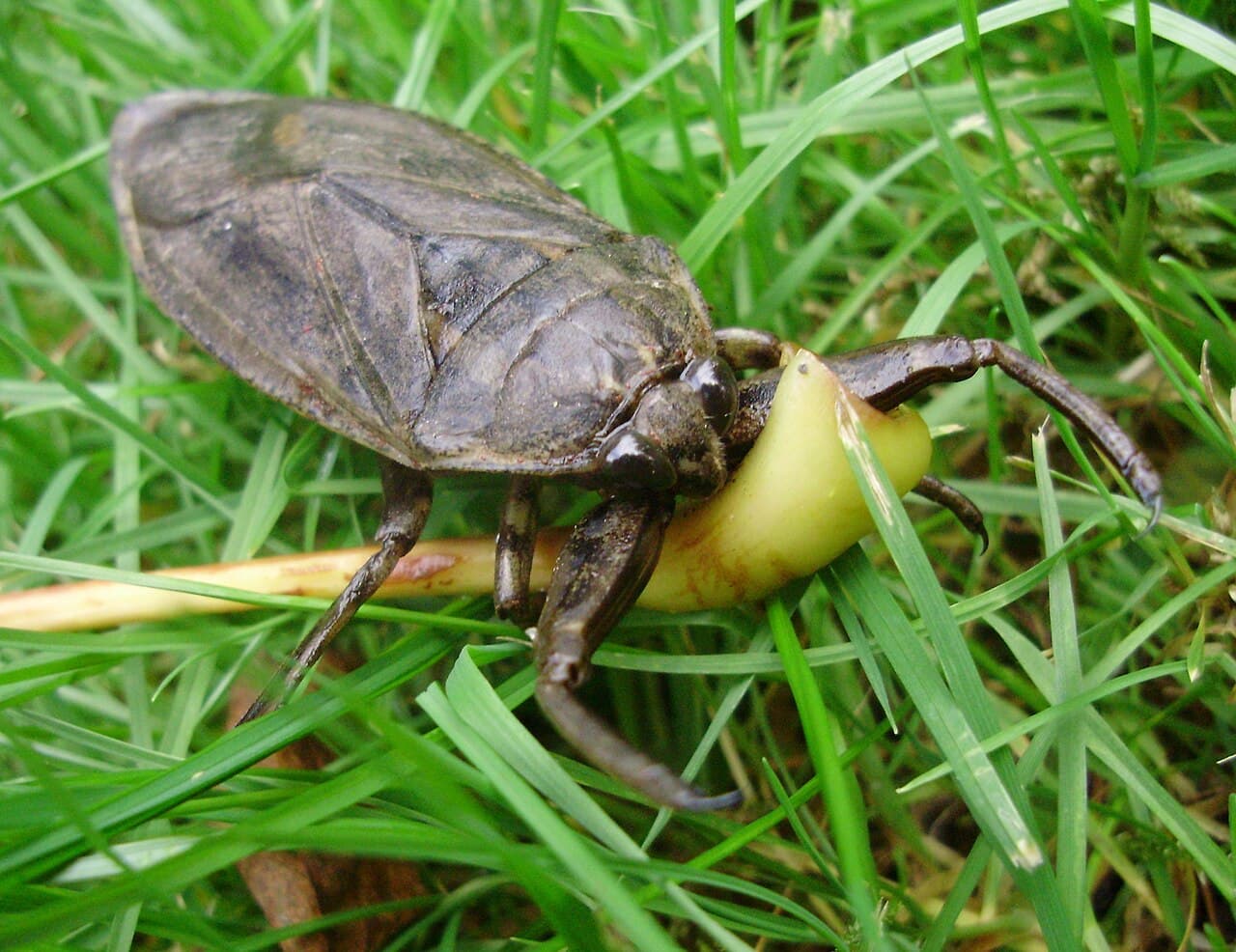
Explore the giant water bug's ambush hunting, piercing mouthparts, air-breathing habits, and surprisingly varied forms of fatherly care.
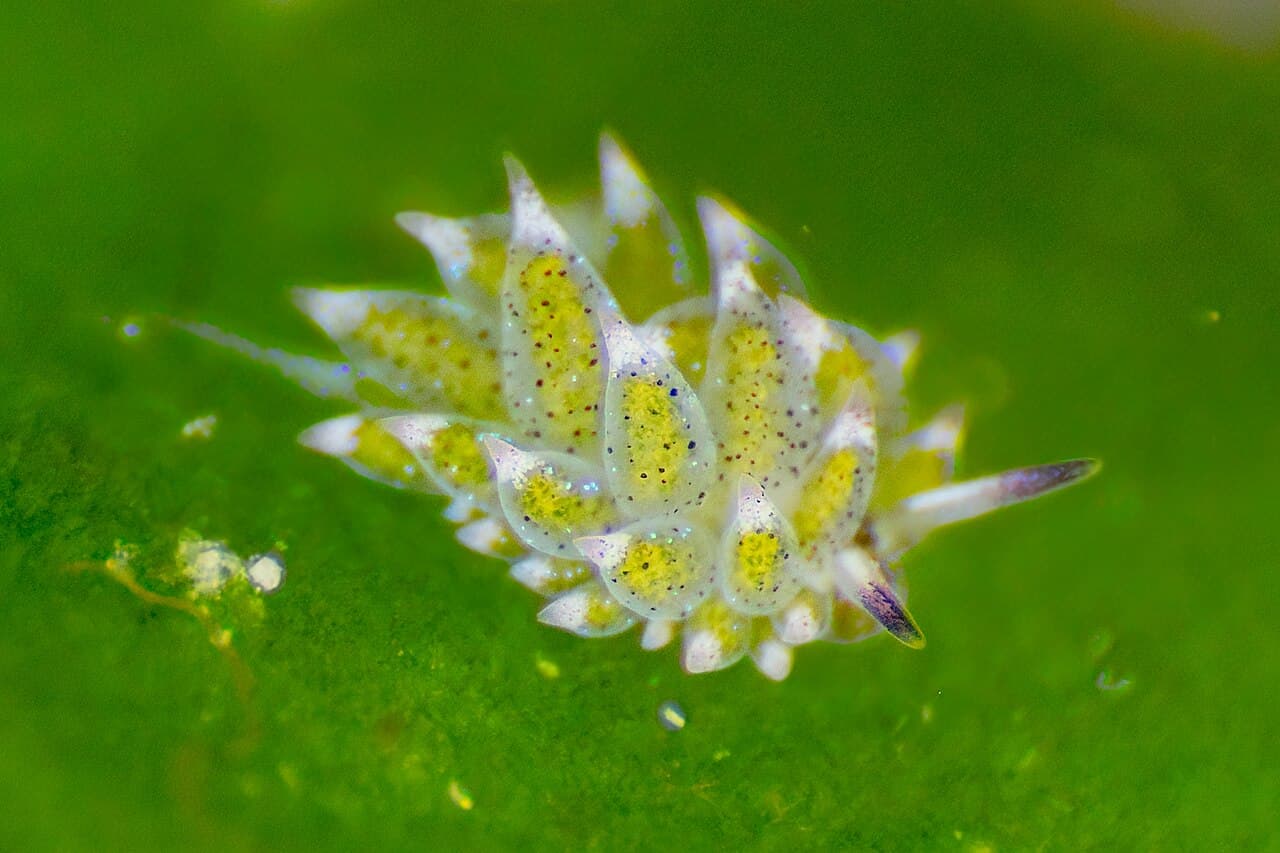
Meet the leaf sheep sea slug and discover the science behind its green cerata, algae diet, and remarkable borrowed chloroplasts.
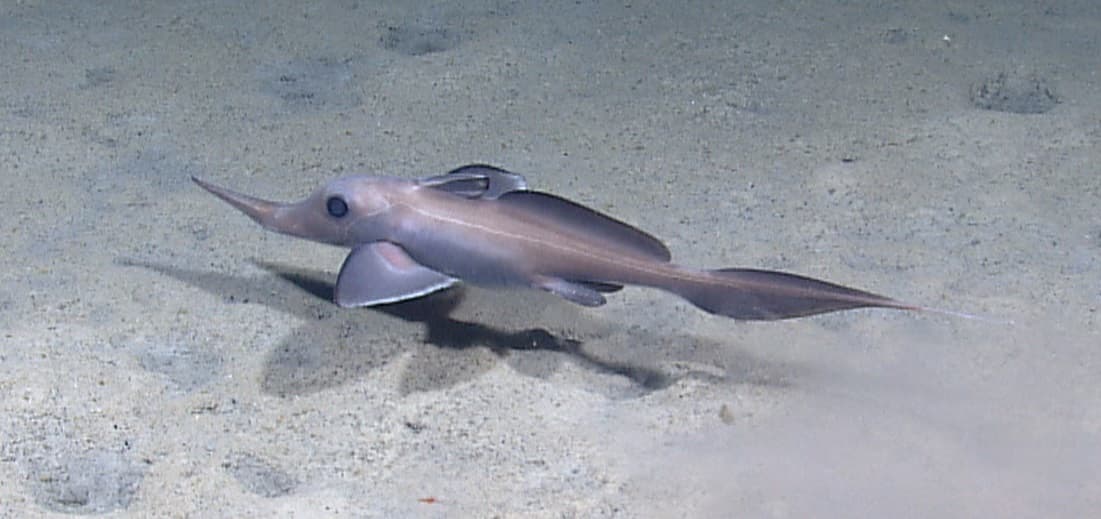
Discover long-nosed chimaeras, deep-sea relatives of sharks with pointed snouts, sweeping fins, and many mysteries still to explore.
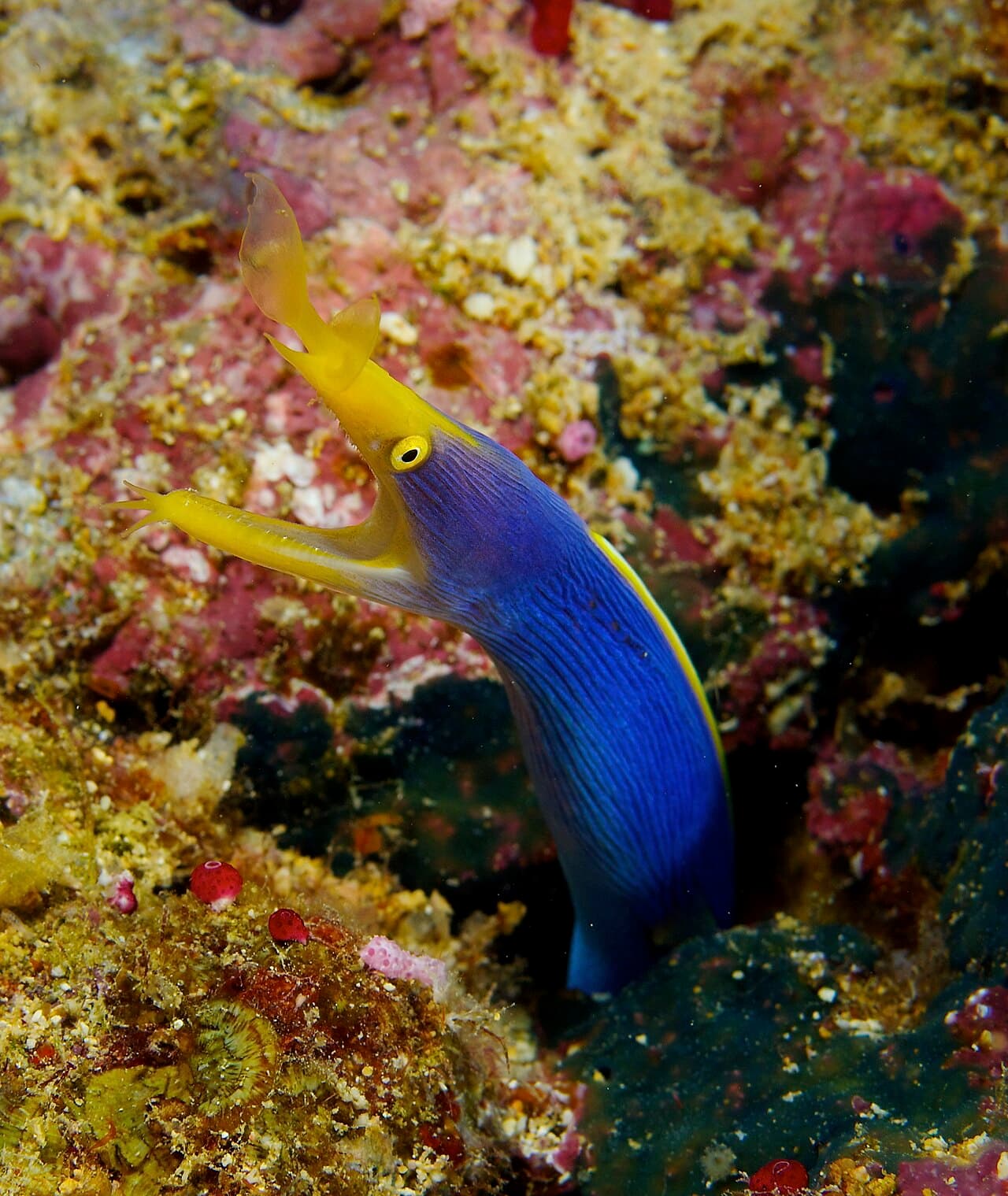
Meet the ribbon eel, a slender Indo-Pacific moray with flared nostrils, vivid colors, and a life spent close to a reef-side burrow.
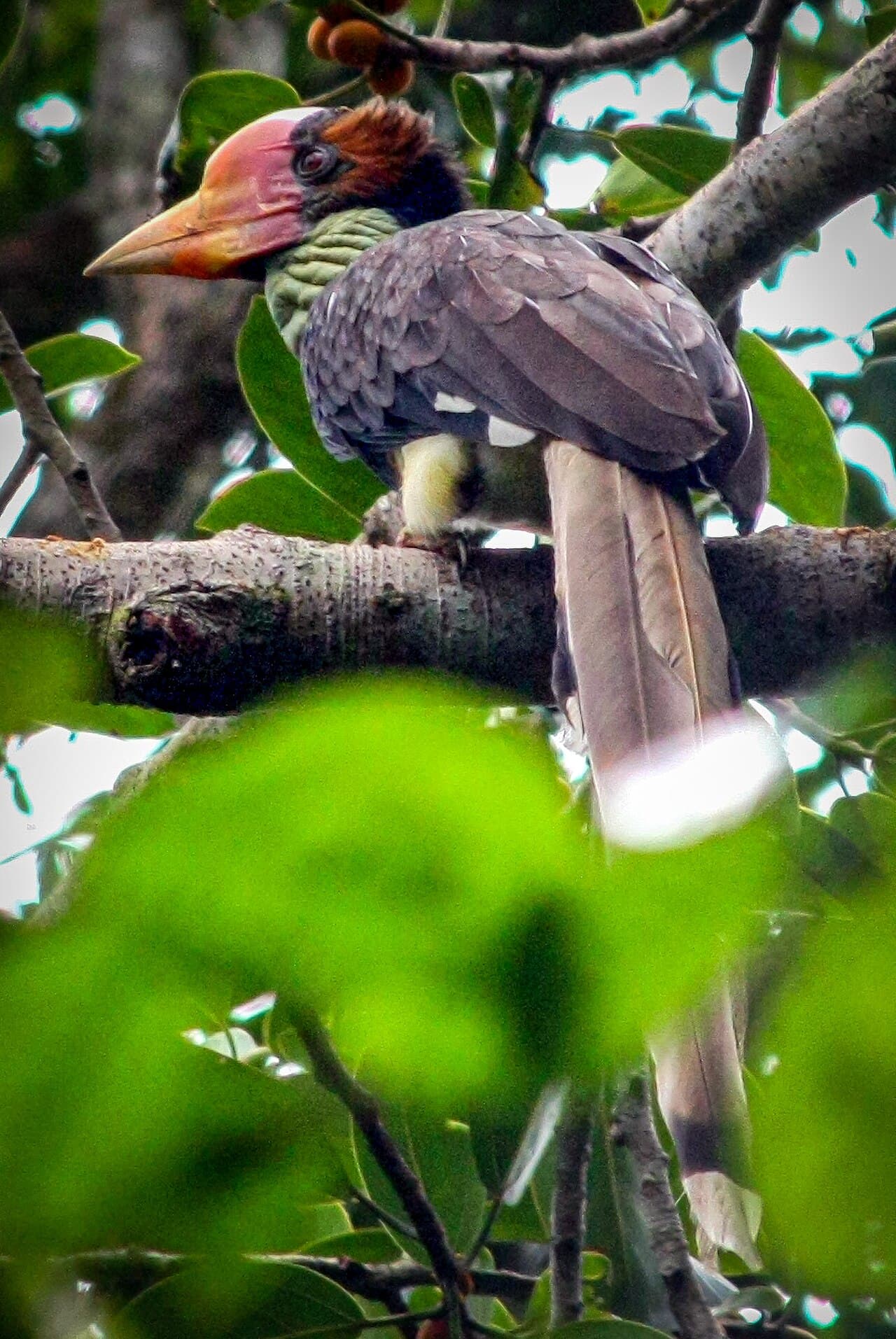
Explore the helmeted hornbill's solid casque, unusual nesting behavior, and the conservation work needed to protect this rainforest bird.
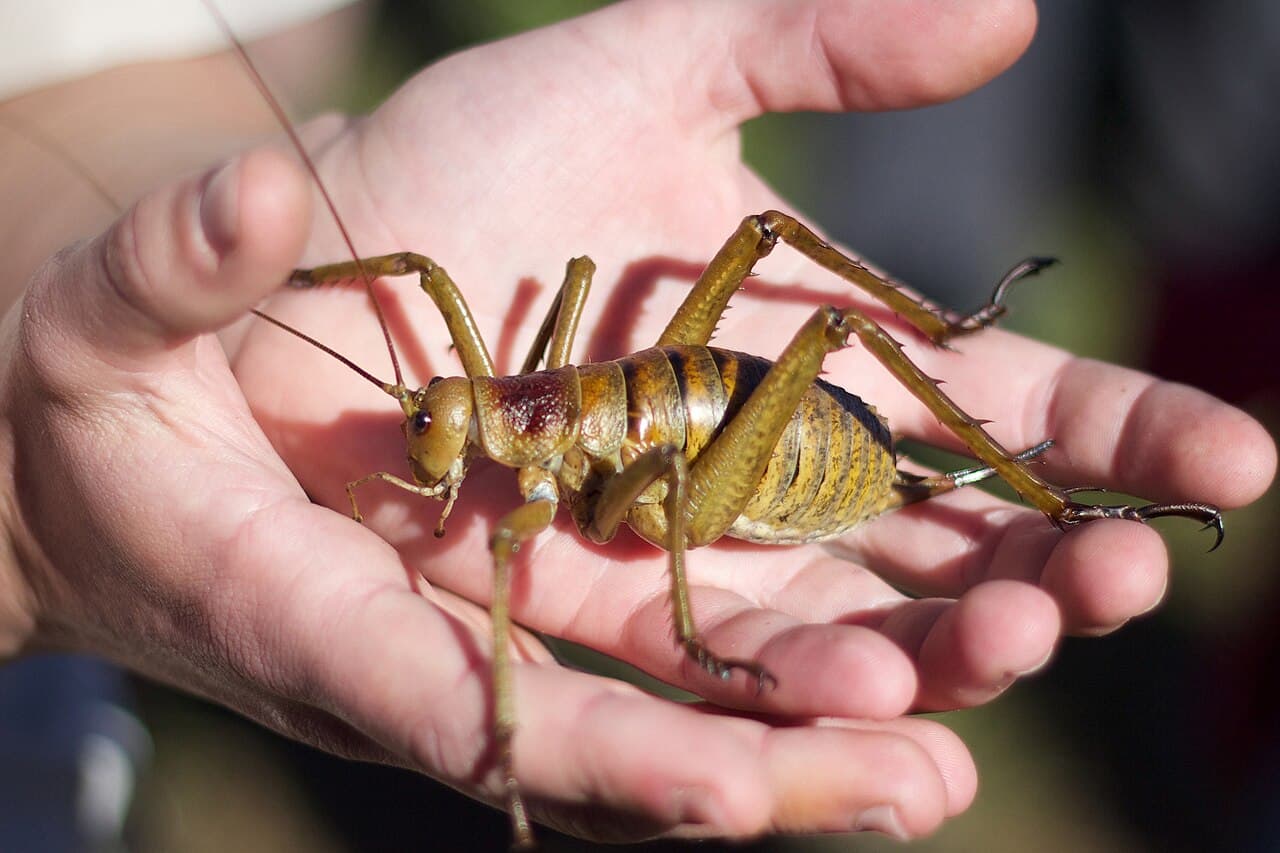
Meet wētāpunga, a giant New Zealand insect with spiny legs, a leaf-based diet, and a remarkable island conservation story.
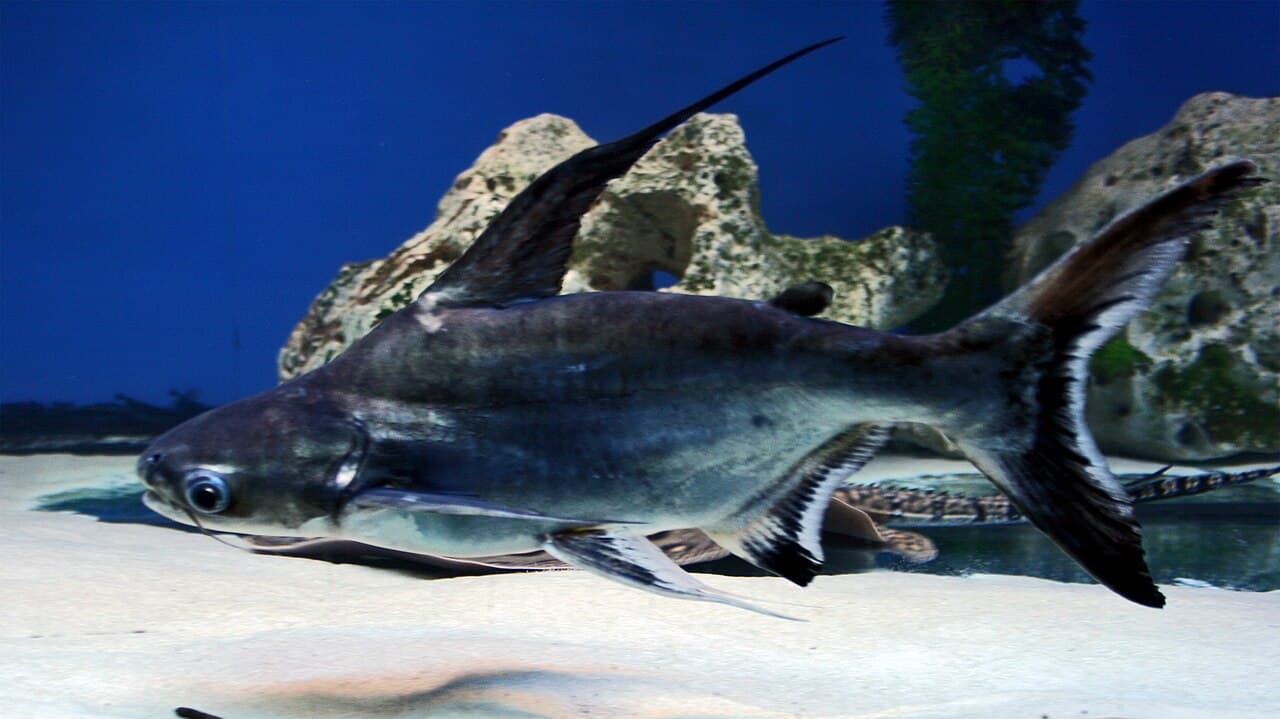
Meet giant pangasius, the huge freshwater catfish with shark-like fins, and discover its river migrations and conservation challenges.
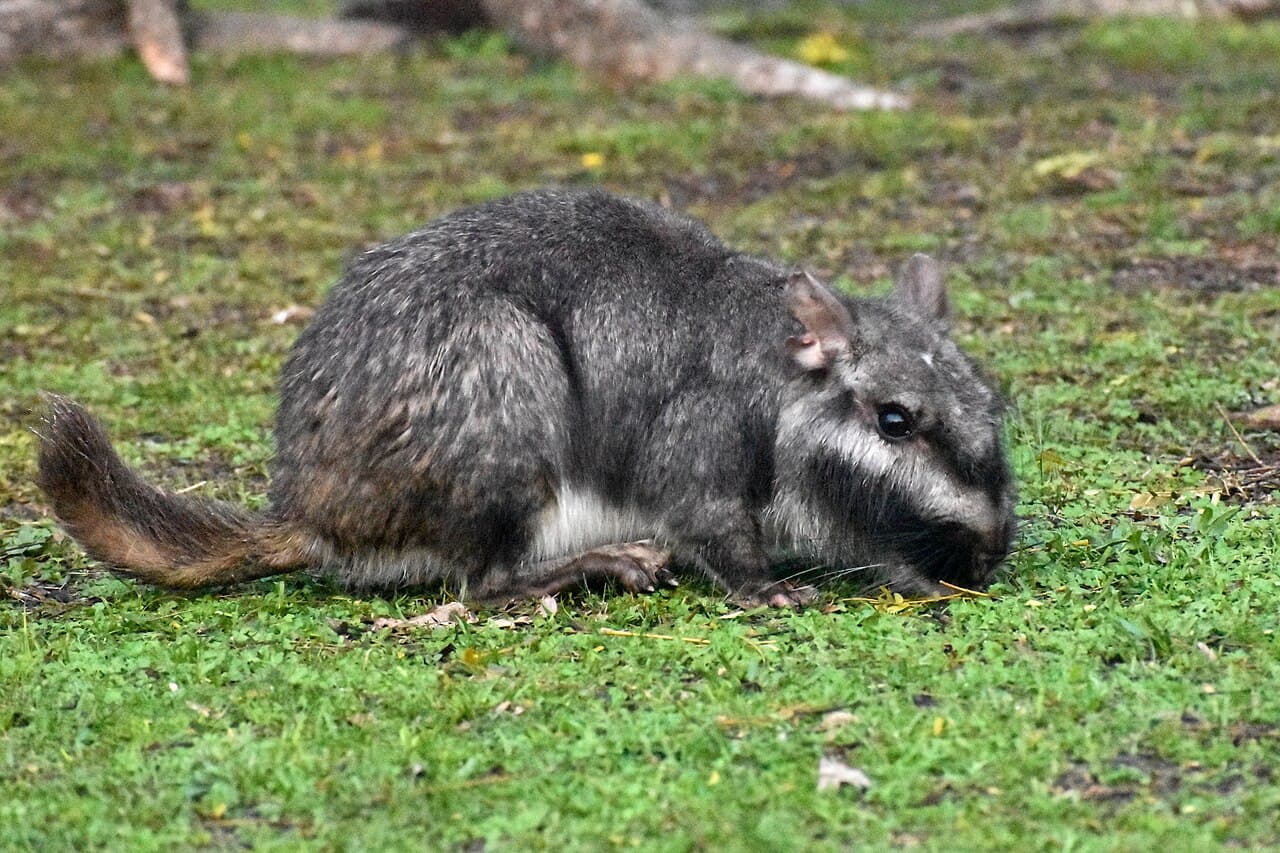
Meet the plains viscacha, a South American rodent with bold facial stripes, powerful digging claws, and a remarkable underground social life.
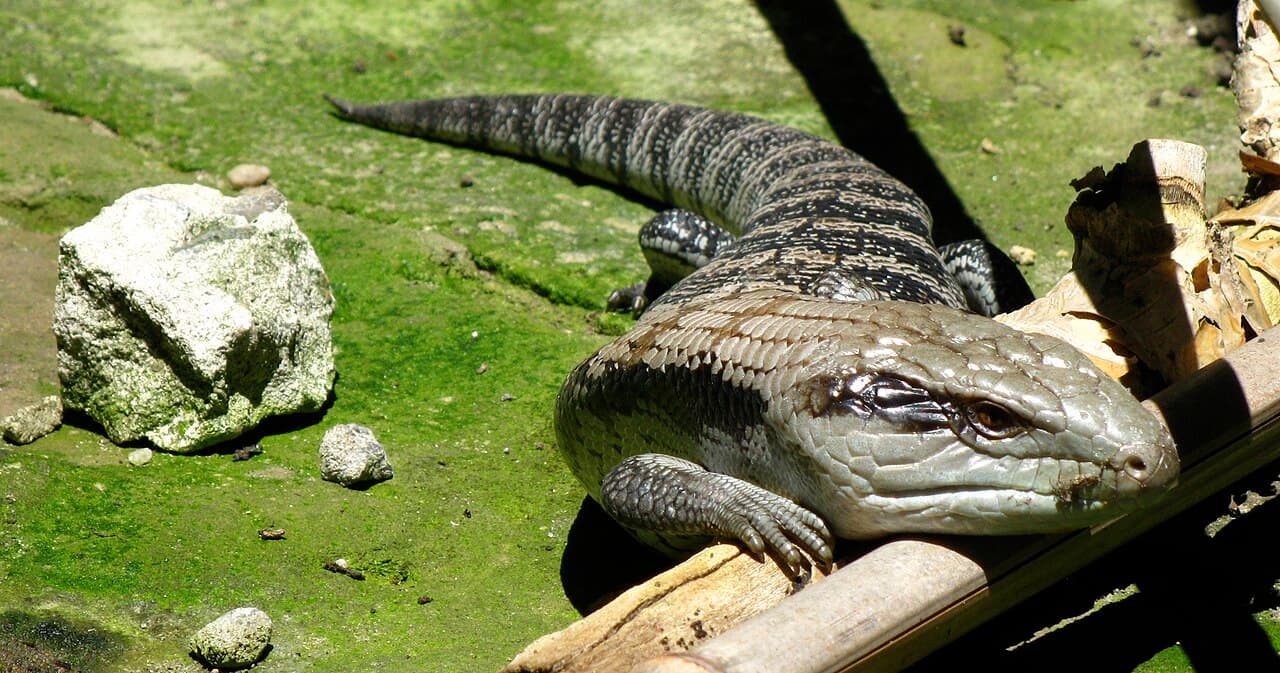
Why does a blue-tongued skink flash its tongue? Meet the eastern blue-tongue and discover its defense display, diet, and garden life.
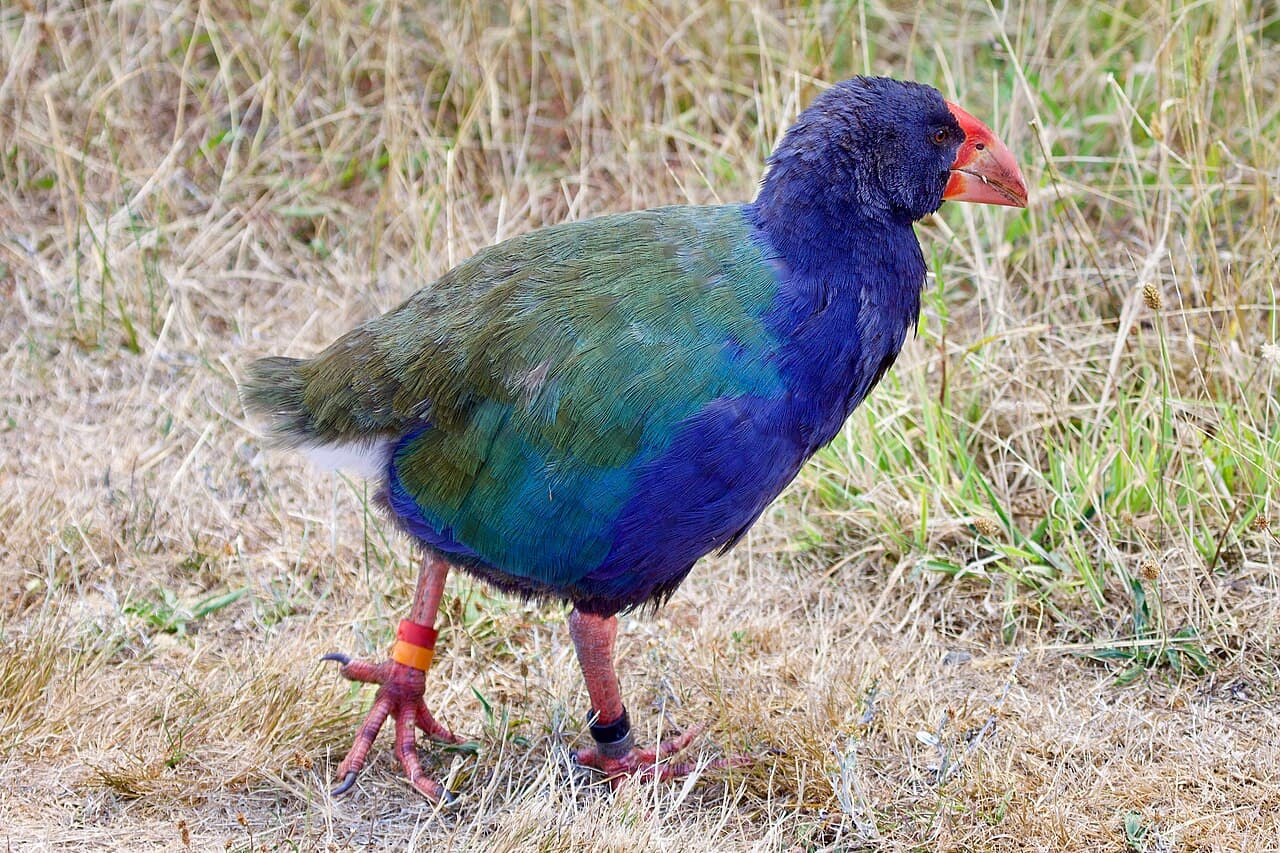
Meet the takahē, New Zealand's colorful flightless rail, and explore its powerful red bill, 1948 rediscovery, and conservation story.
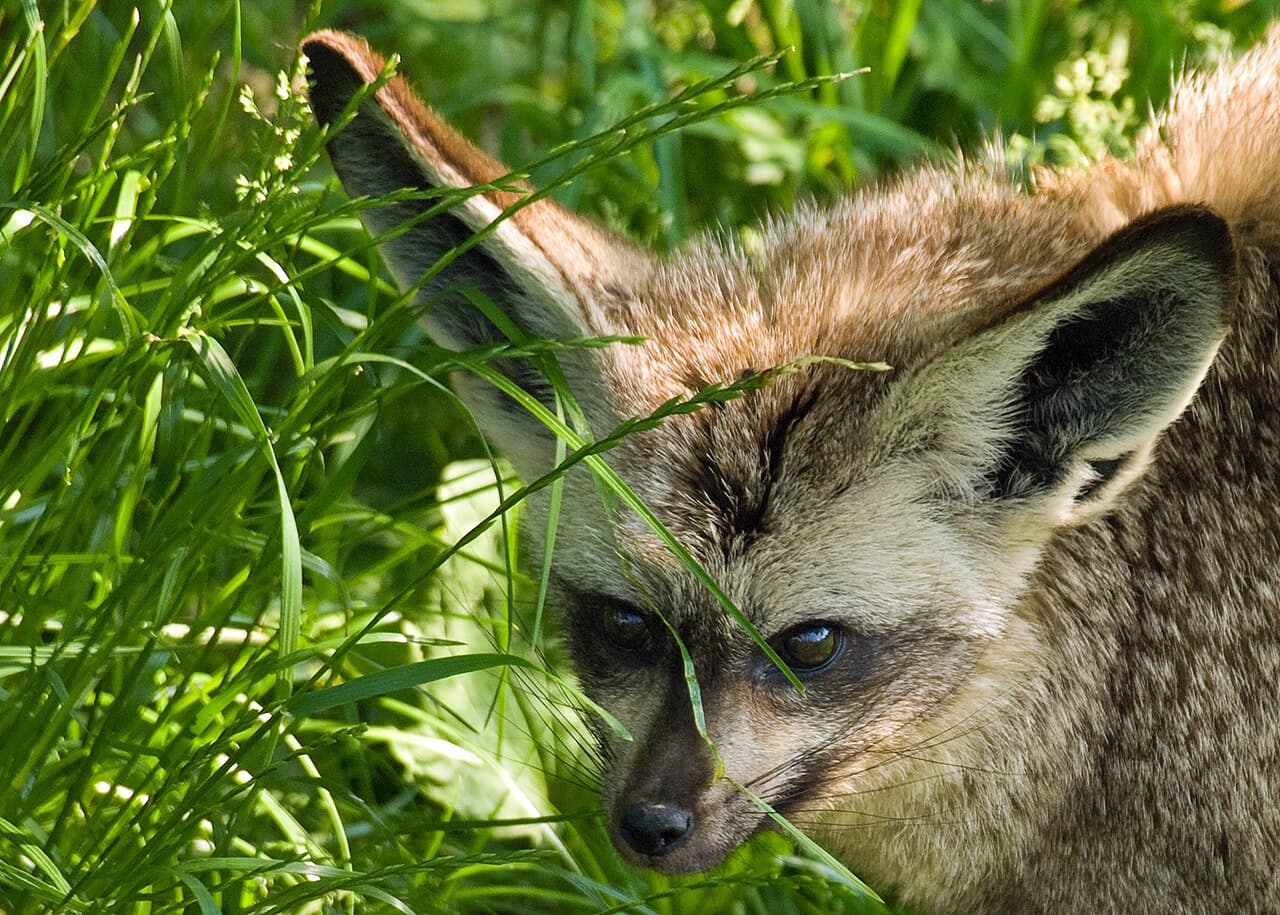
Discover how the bat-eared fox uses oversized ears to find insects, stay cool, and thrive in Africa's open grasslands.
Meet the Pacific spiny lumpsucker, a tiny round fish whose modified fins form a suction disc for gripping rocks and kelp.