The Common Spotted Cuscus Has a Tail That Can Grip
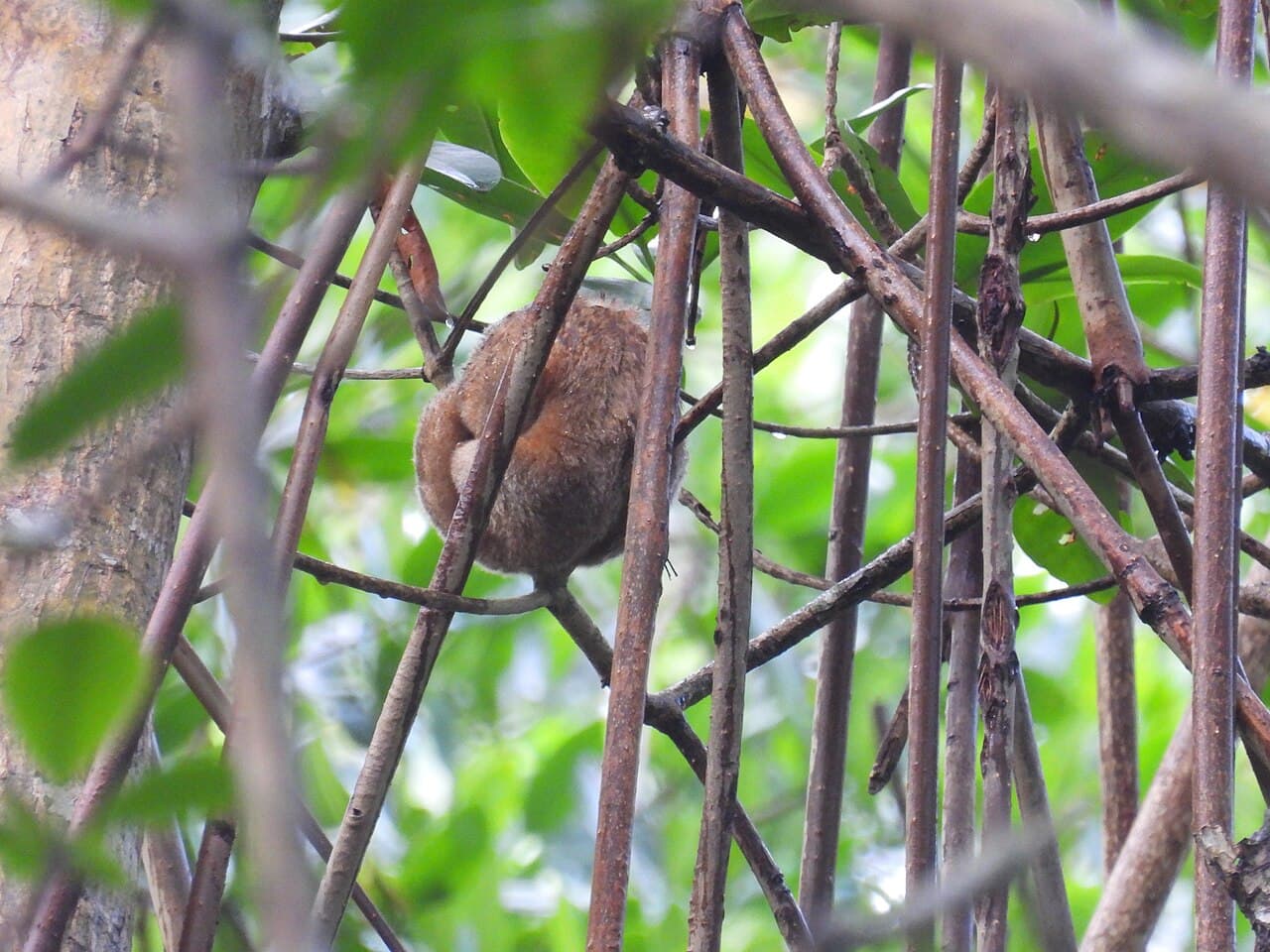
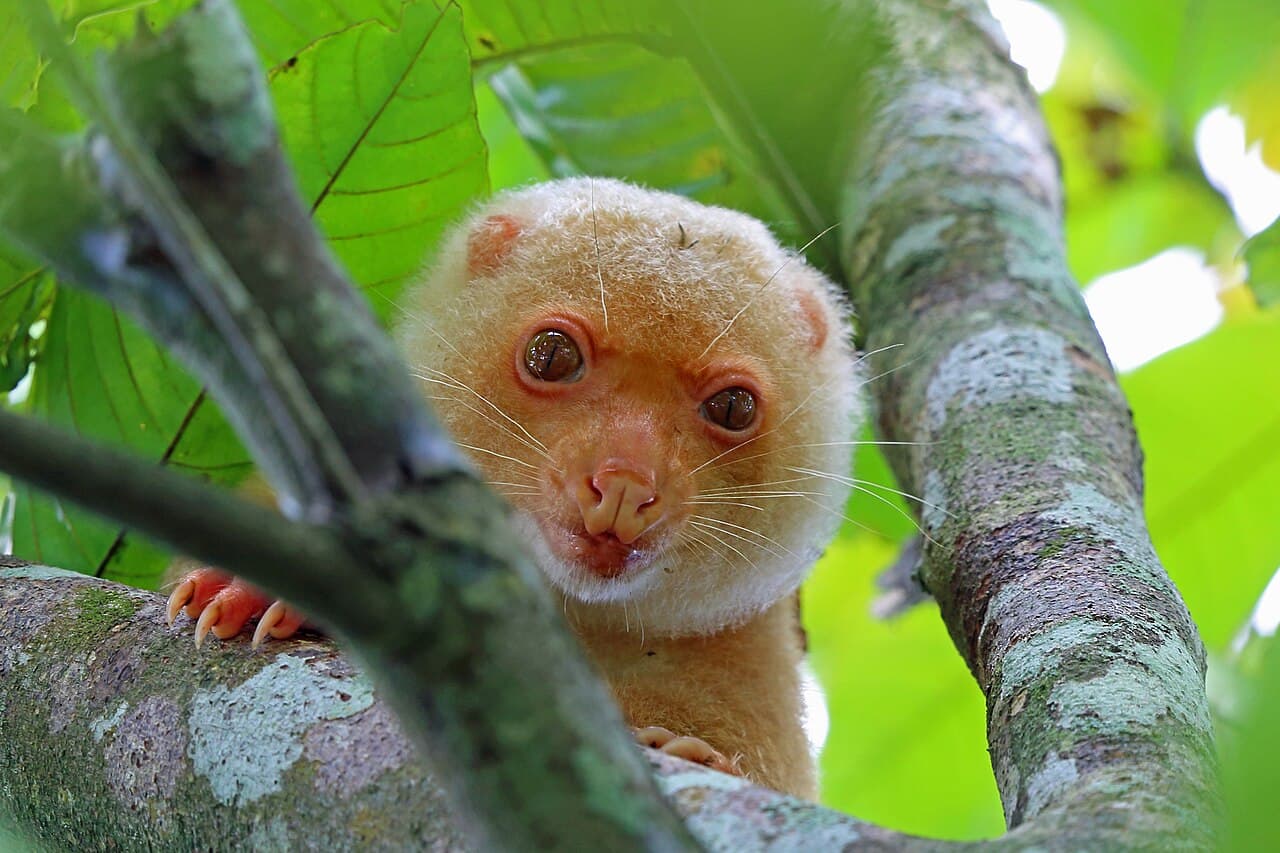
Explore the common spotted cuscus, a tree-dwelling marsupial whose grasping tail, thick fur, and variable coat reward a closer look.
Explore the common spotted cuscus, a tree-dwelling marsupial whose grasping tail, thick fur, and variable coat reward a closer look.
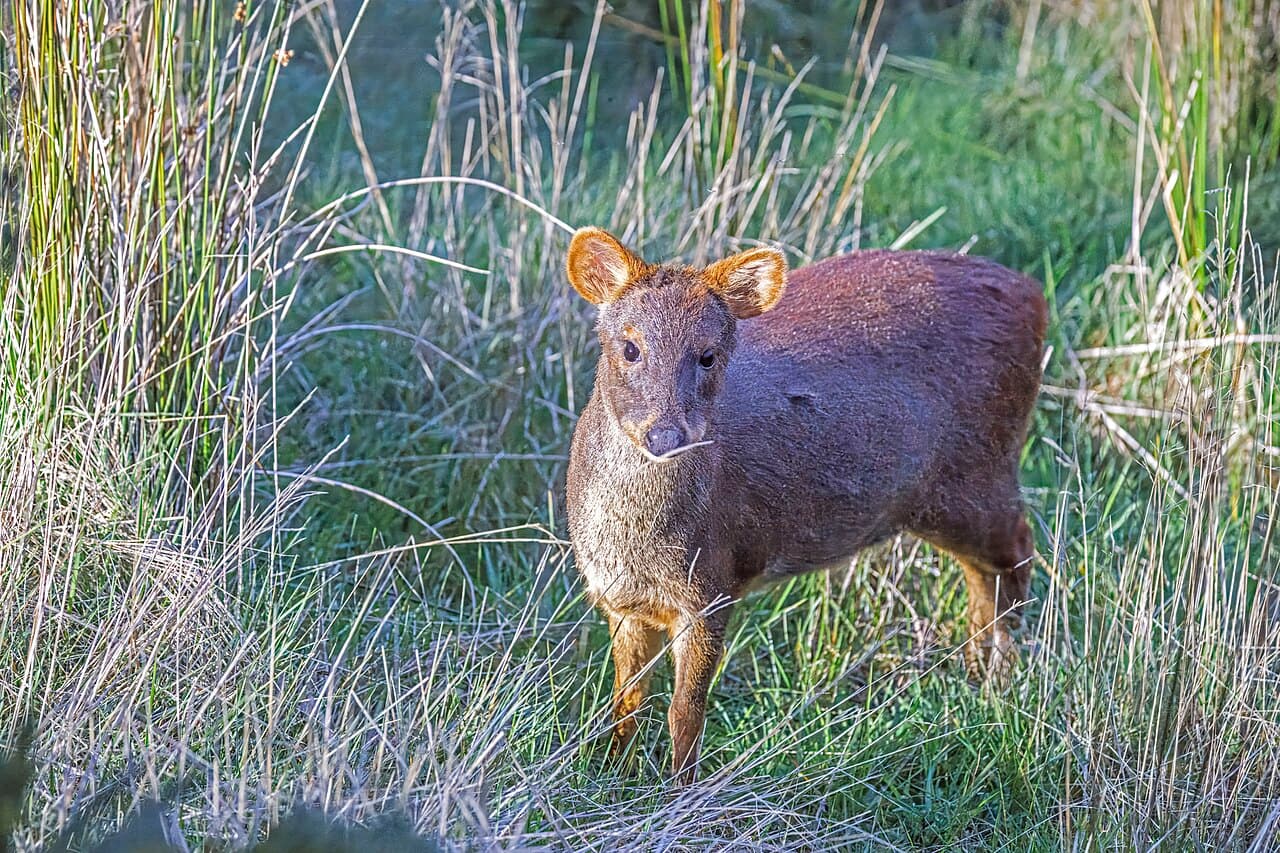
Meet the southern pudu, one of the smallest deer, and explore how its compact body and forest habits fit a life in thick vegetation.
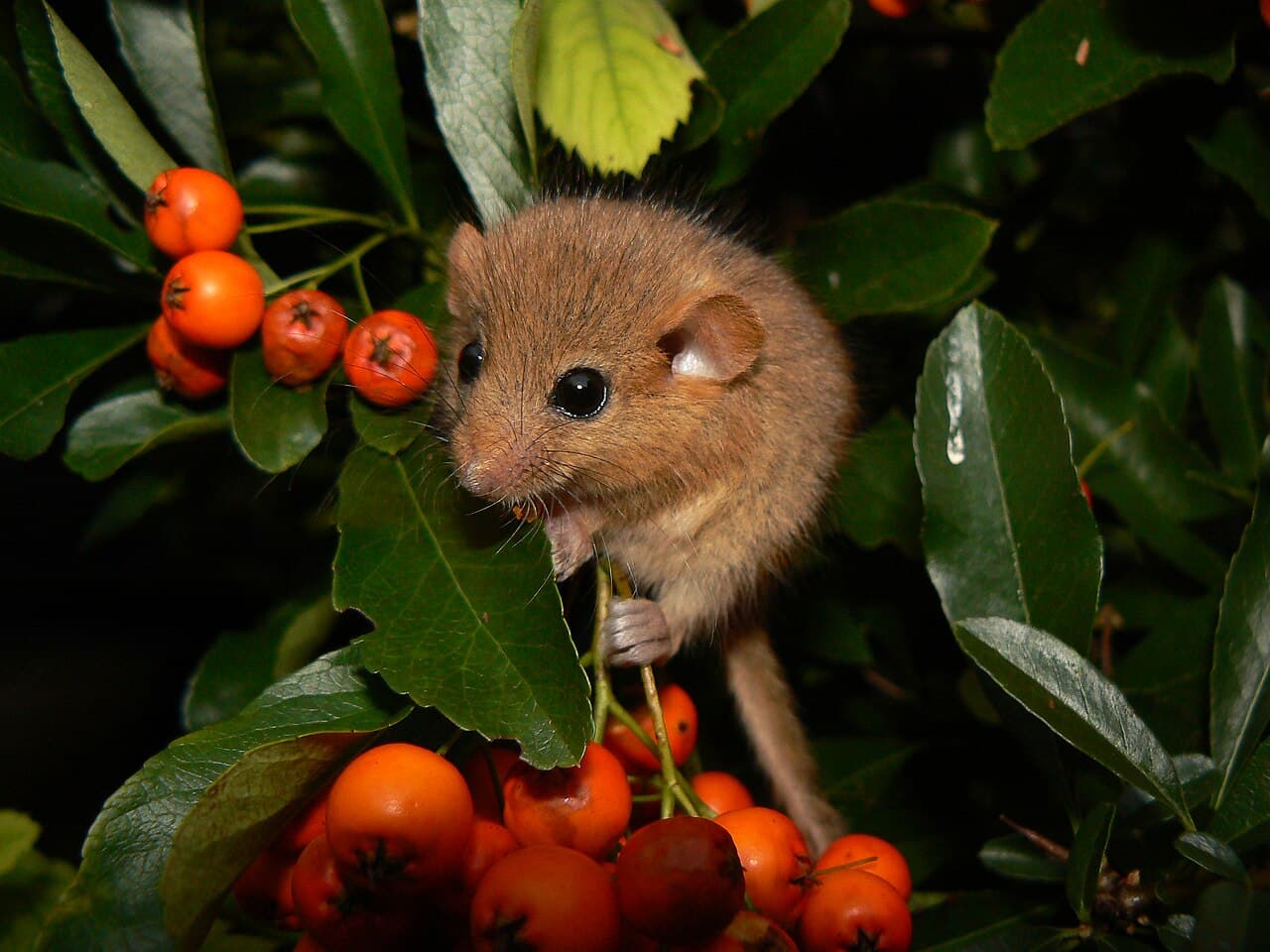
Discover the hazel dormouse's tree-climbing life, ground-level winter nests, and the hedgerows that connect its habitat.
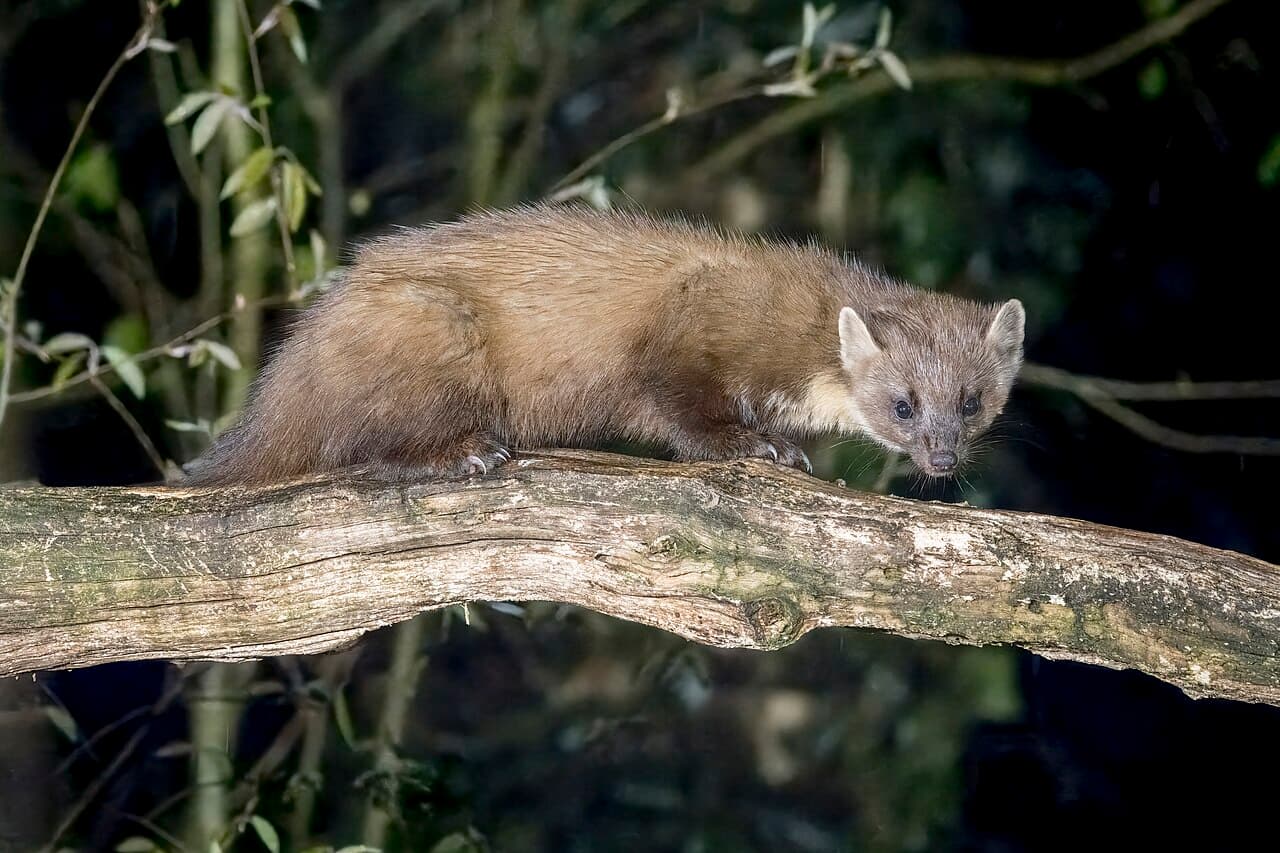
Meet the European pine marten, a climbing woodland mammal with a varied diet, a bushy tail, and a need for suitable shelter.
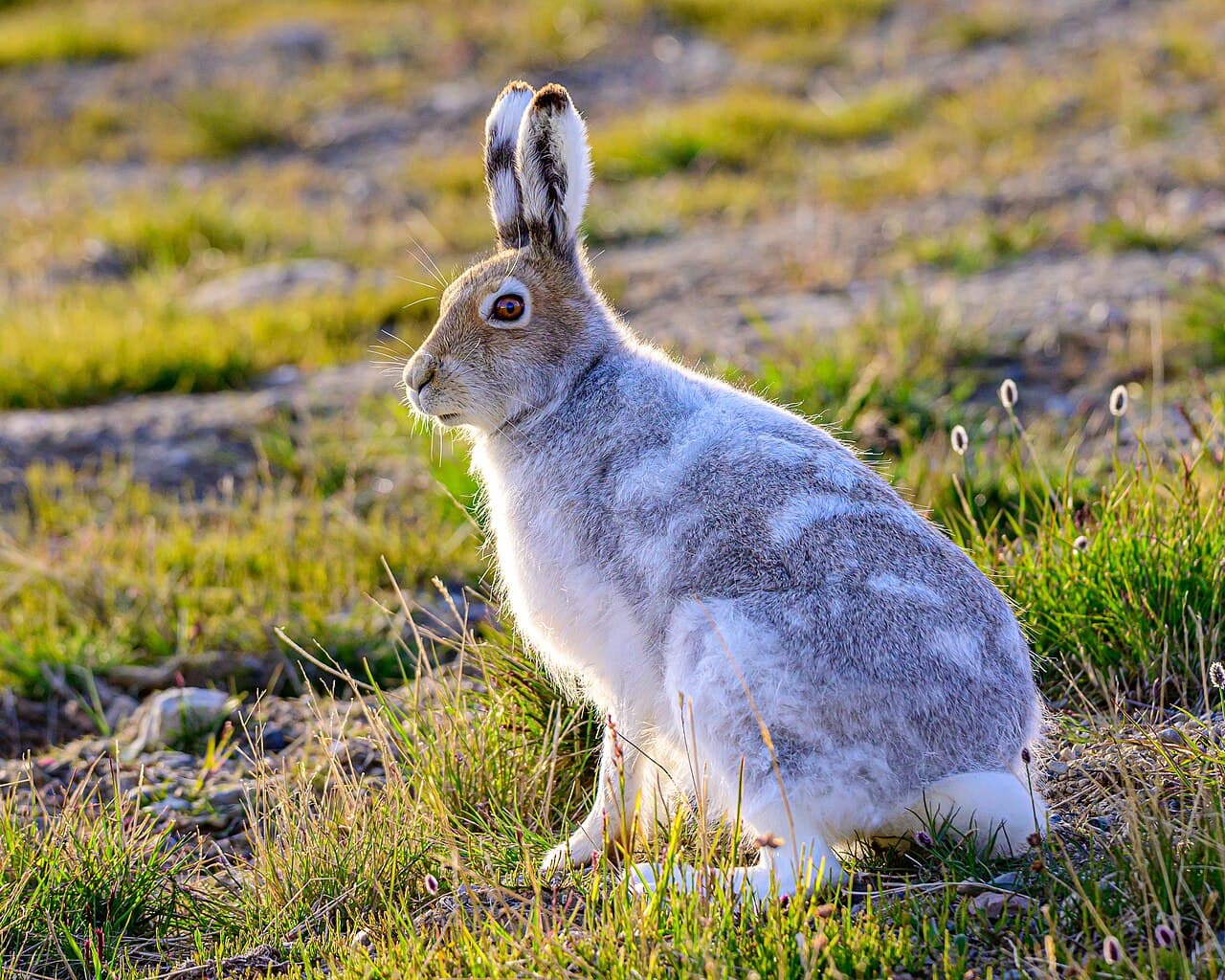
Explore the Arctic hare's thick coat, compact ears, powerful legs, and the surprising regional differences in its summer color.
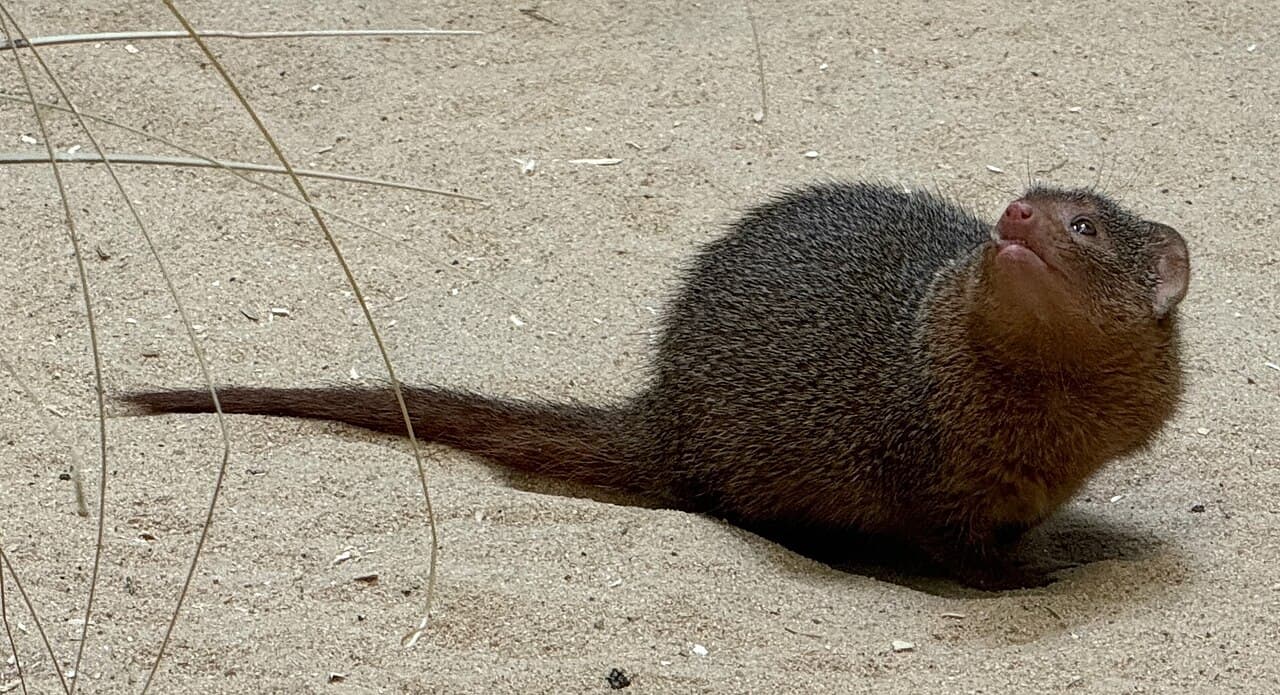
Discover how dwarf mongooses forage, use lookout calls, and respond to familiar companions in their closely linked social groups.
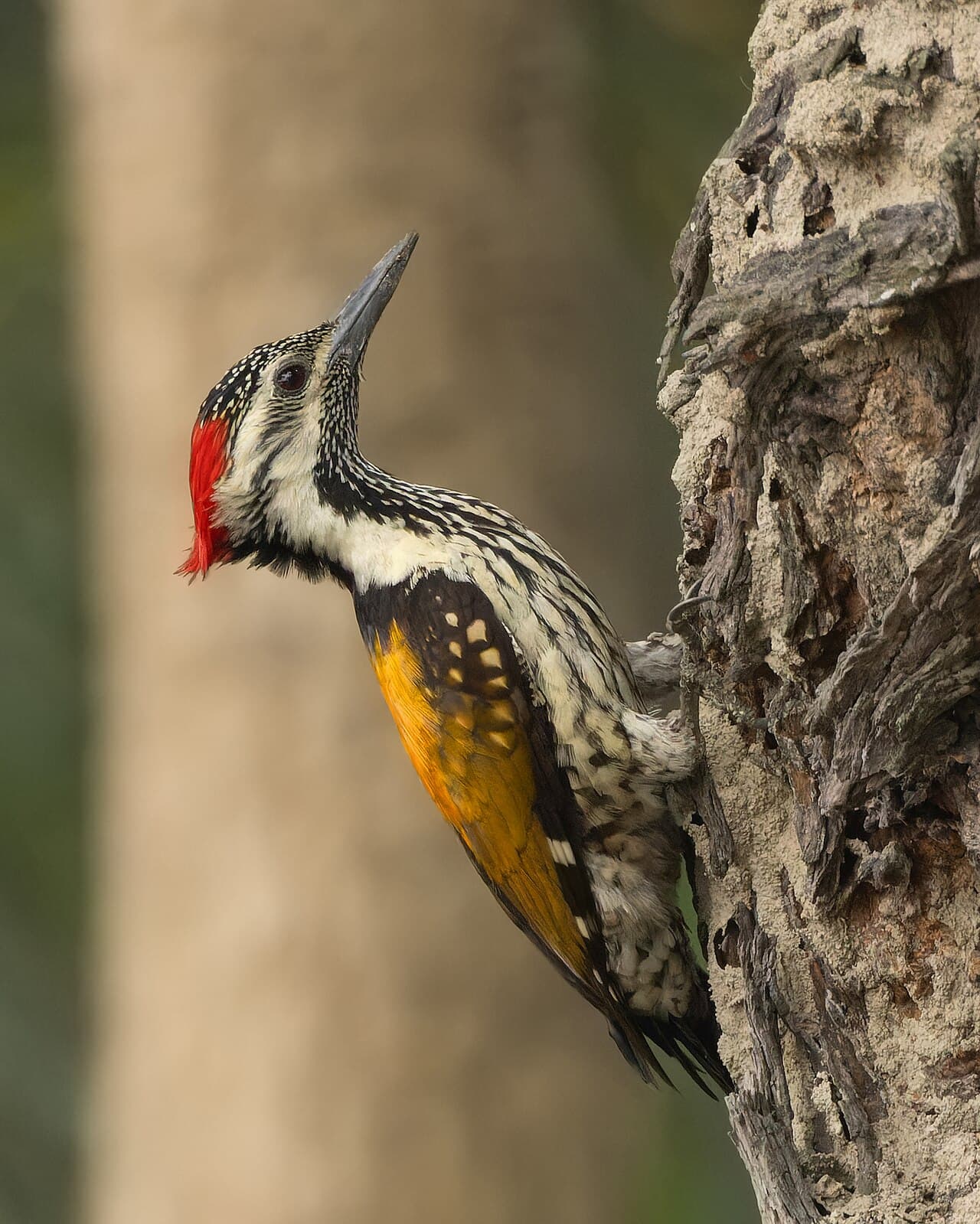
Discover the black-rumped flameback, a golden woodpecker whose colors, climbing posture, and nest cavities reward a closer look.
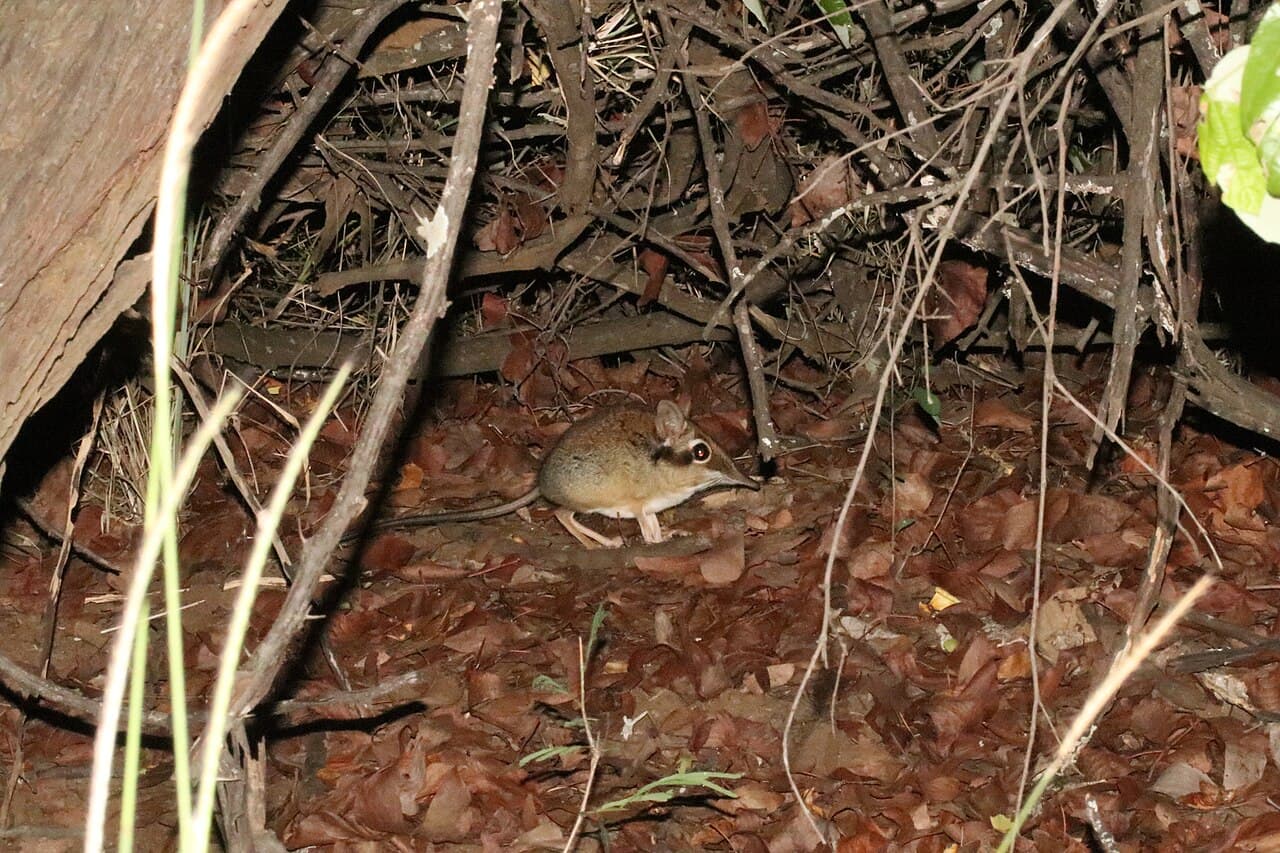
Meet the four-toed elephant shrew, a quick African mammal whose flexible snout helps it find small prey among the leaves.
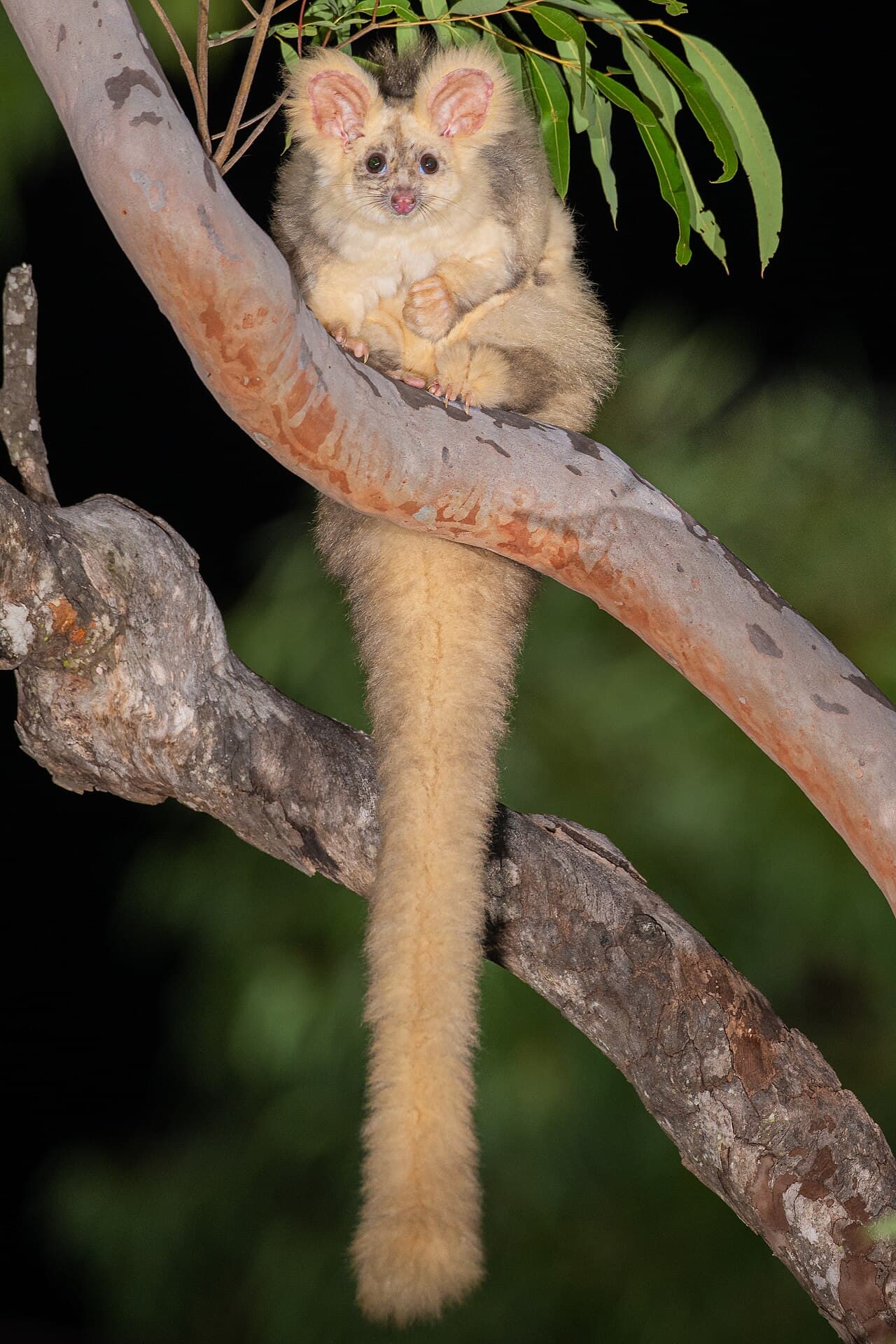
Discover how greater gliders feed on eucalyptus, shelter in tree hollows, and depend on connected Australian forests.
Meet the white-nosed coati, a raccoon relative whose flexible snout, climbing skills, and social bands suit a busy forest life.
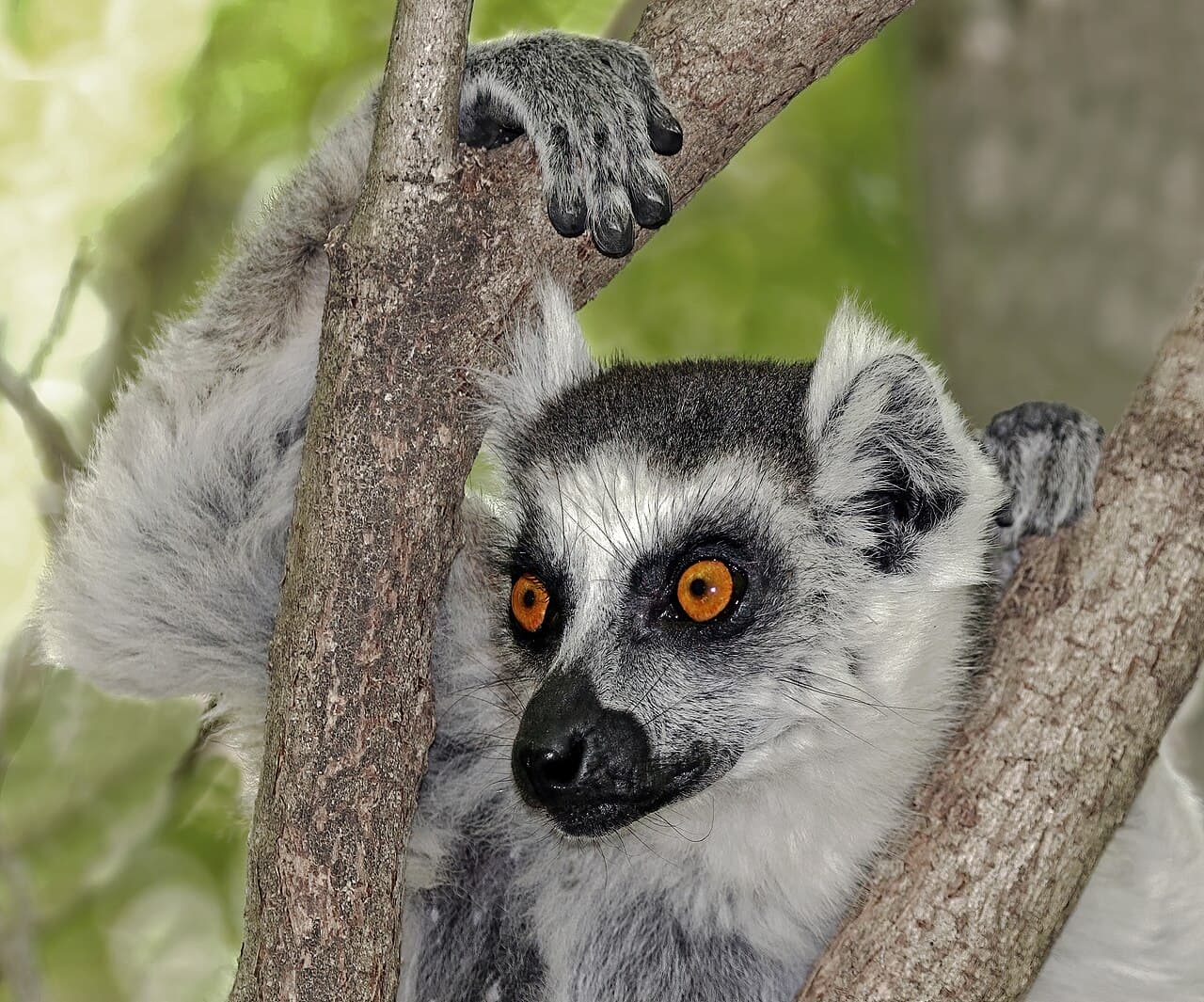
Explore the ring-tailed lemur's striped tail, scent displays, social life, and sunbathing posture in Madagascar.
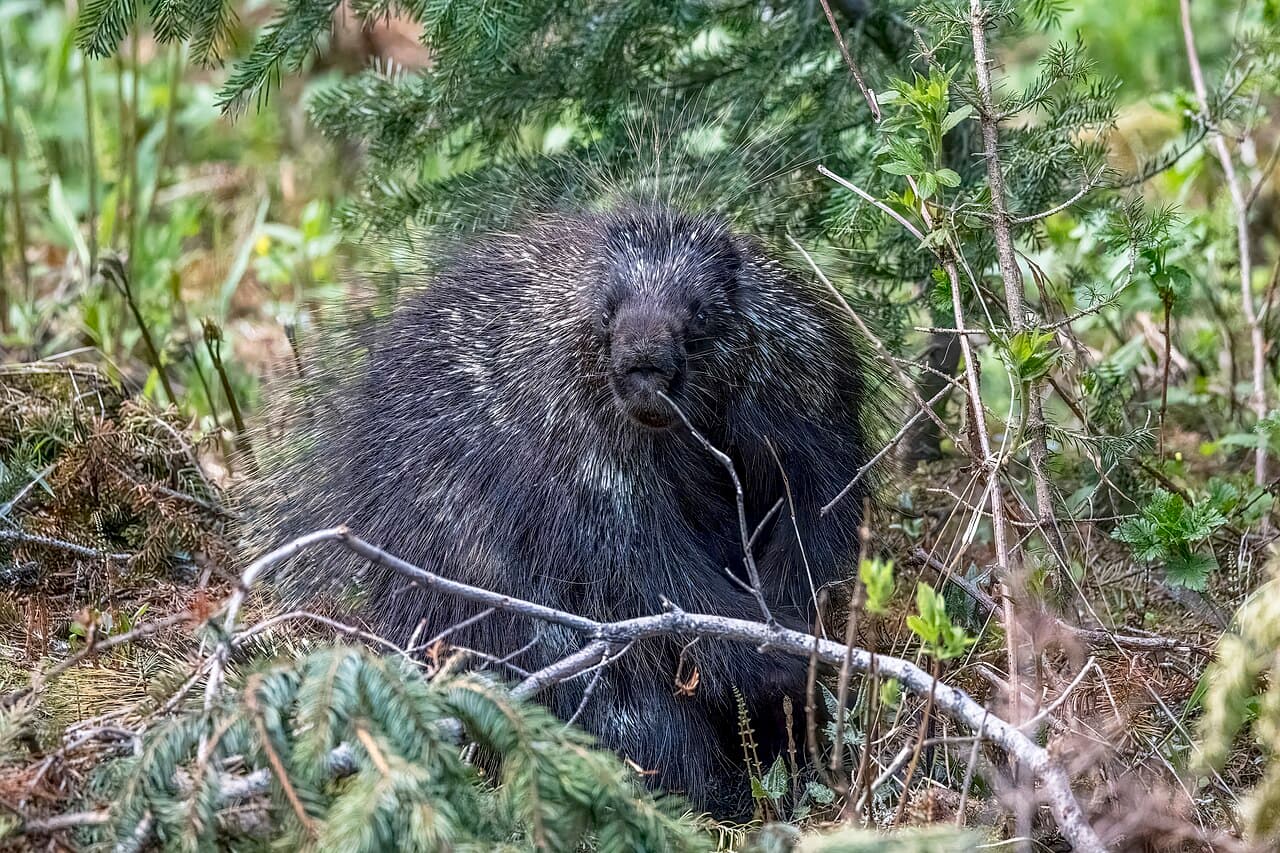
Discover how North American porcupine quills really work, why these rodents climb trees, and what makes their defense effective.
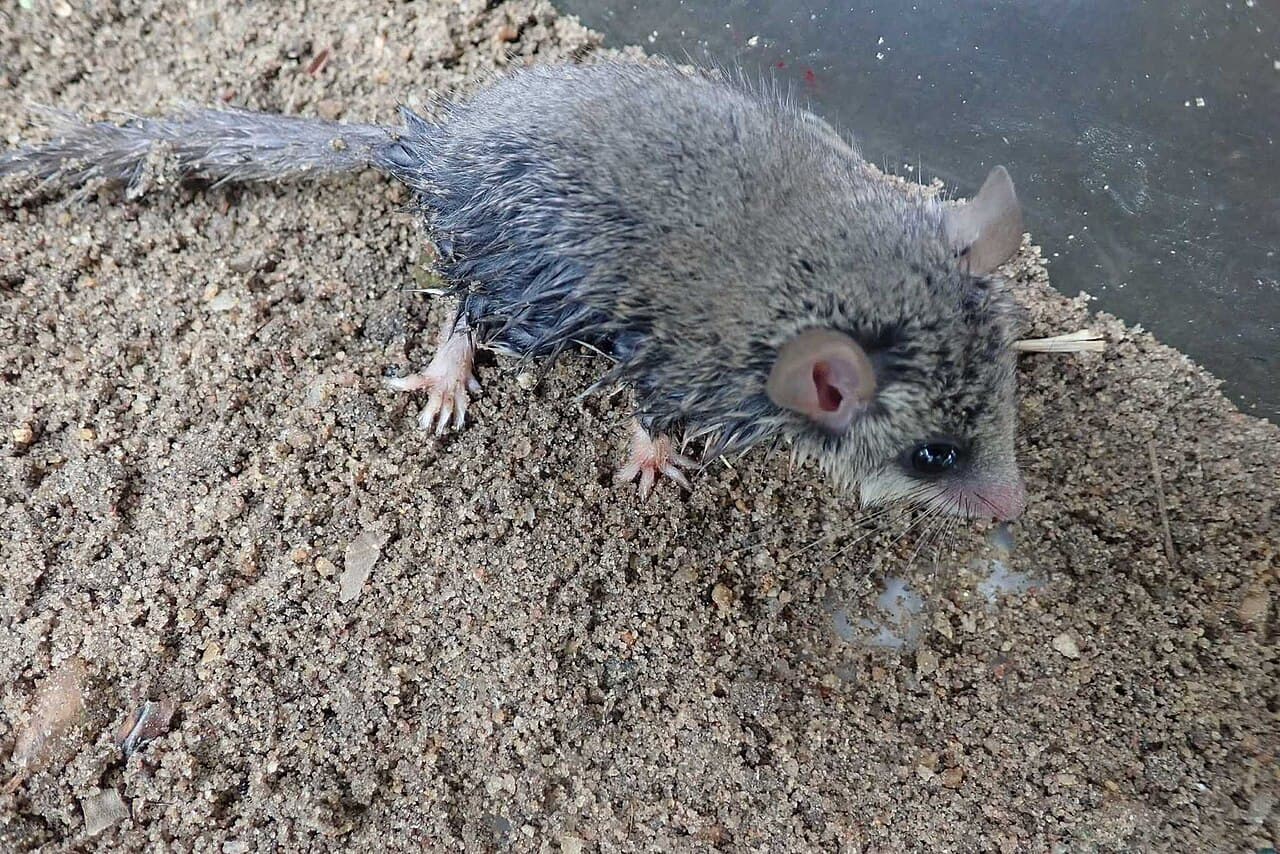
Explore the woodland dormouse's climbing skills, nighttime habits, and sheltered nests—and why its common name needs care.
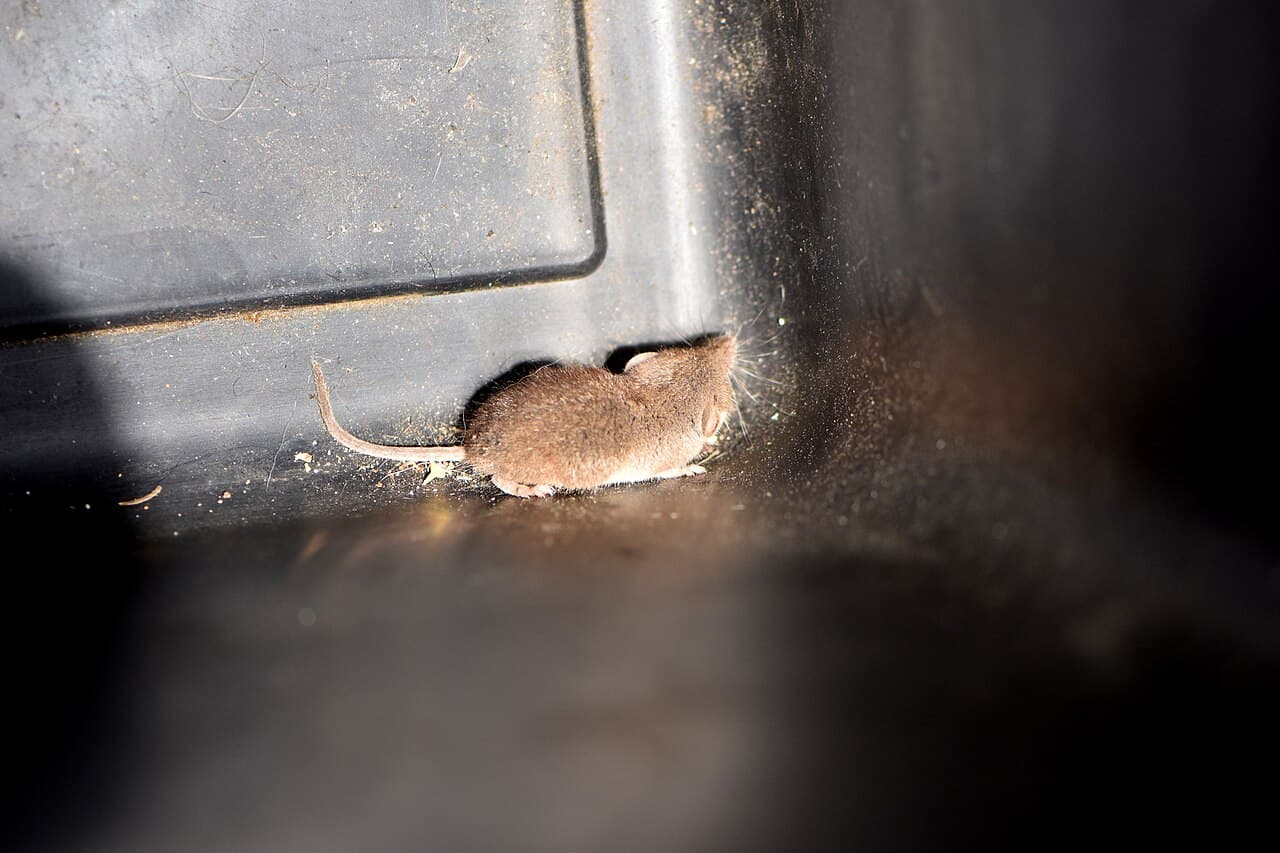
Meet the Etruscan shrew, one of the smallest mammals by weight, and discover how sensitive whiskers help it hunt.
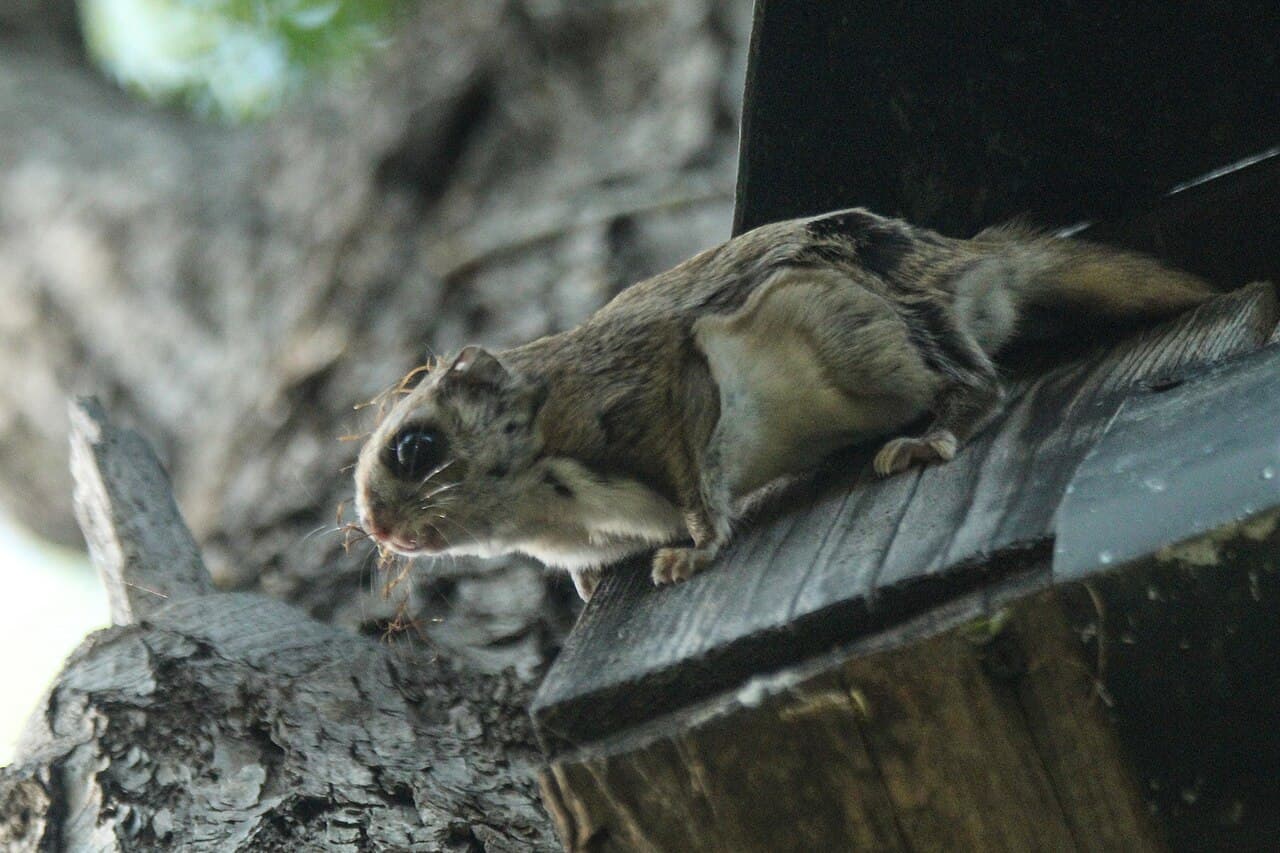
Discover how the Siberian flying squirrel glides between trees, finds shelter in cavities, and depends on a connected forest.
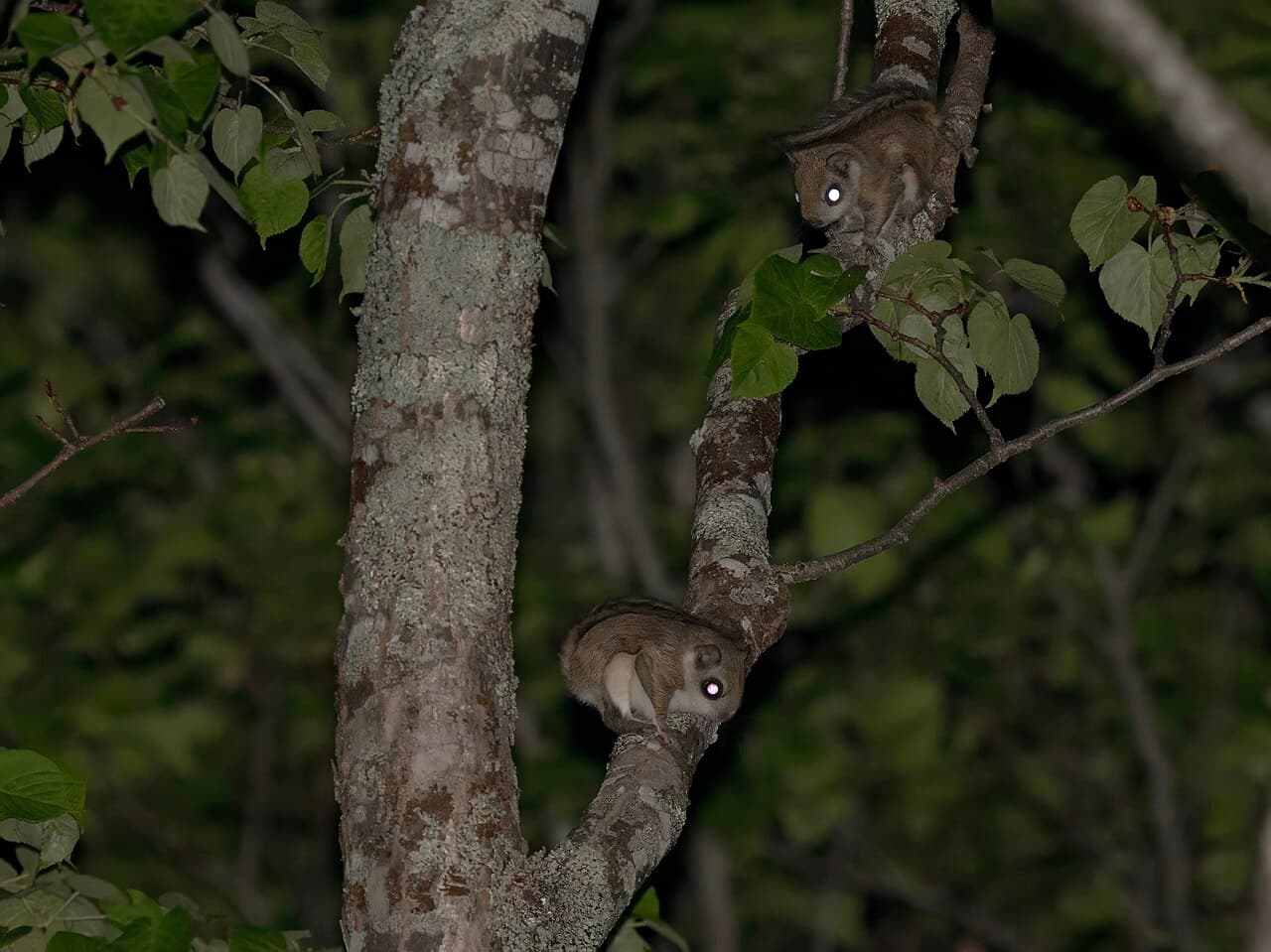
Discover how Pteromys momonga uses a skin membrane to glide and why forest nesting places matter to this small Japanese squirrel.
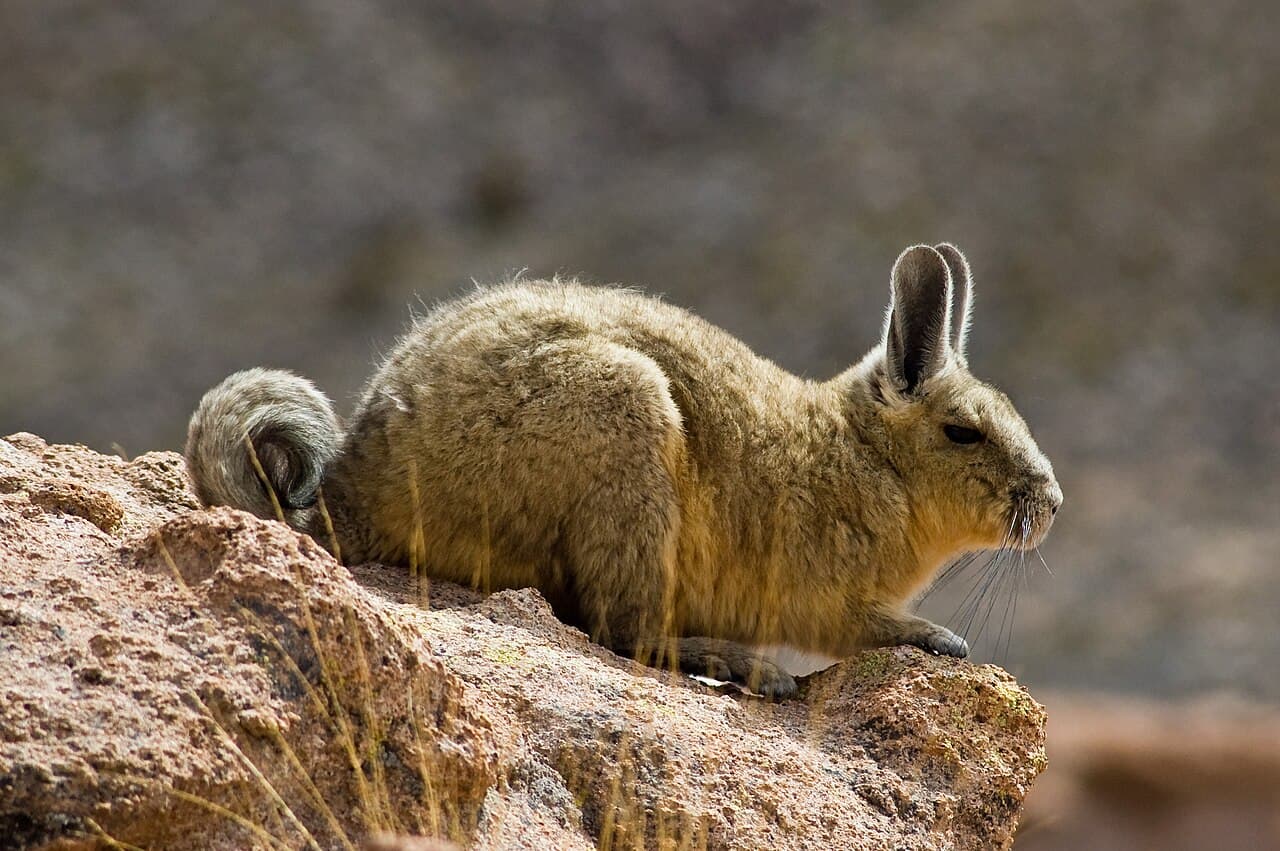
Mountain viscachas look rabbitlike, but belong to the chinchilla family. Explore the fur, hind legs, and rock shelters behind their Andean lives.
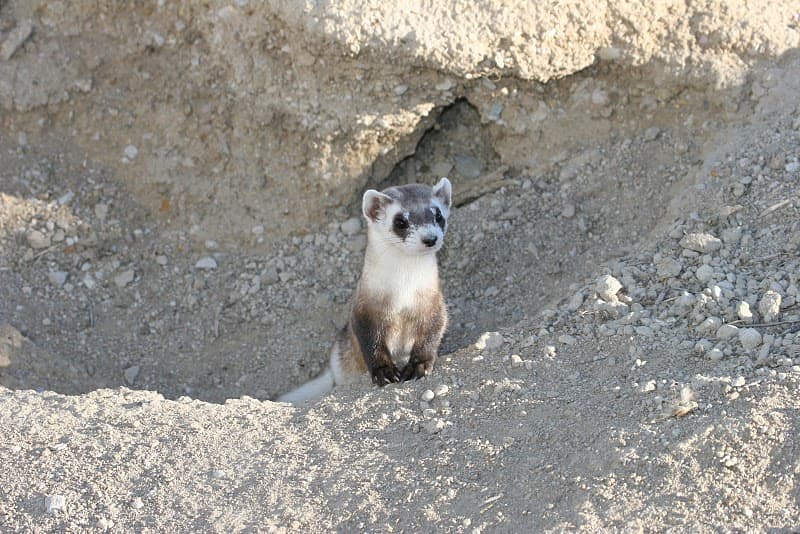
Prairie dogs provide black-footed ferrets with both prey and burrows. Discover the habitat connection behind this North American conservation story.
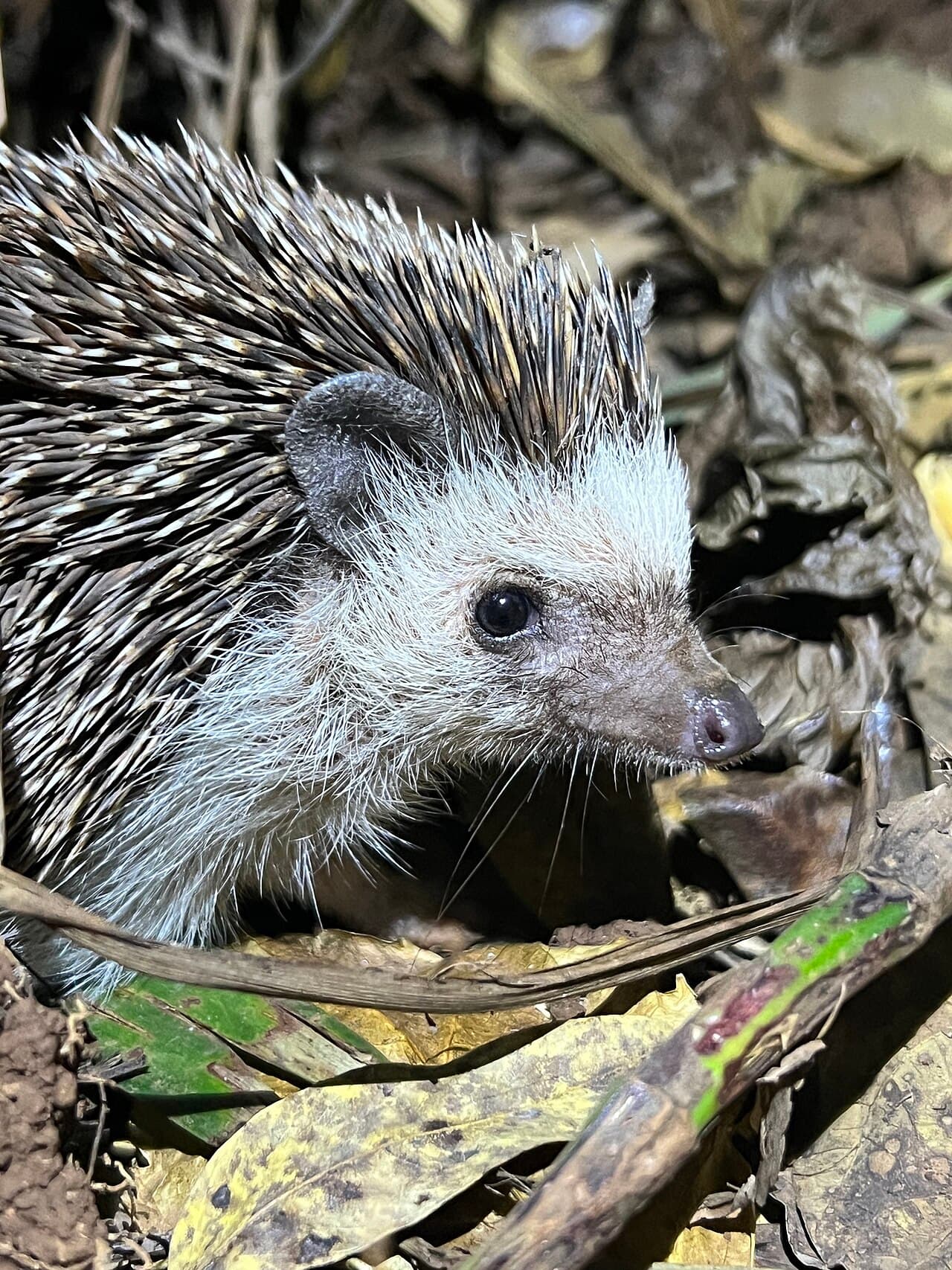
Explore the four-toed hedgehog behind the African pygmy hedgehog name, including its defensive spines, nighttime feeding, and wild African origins.
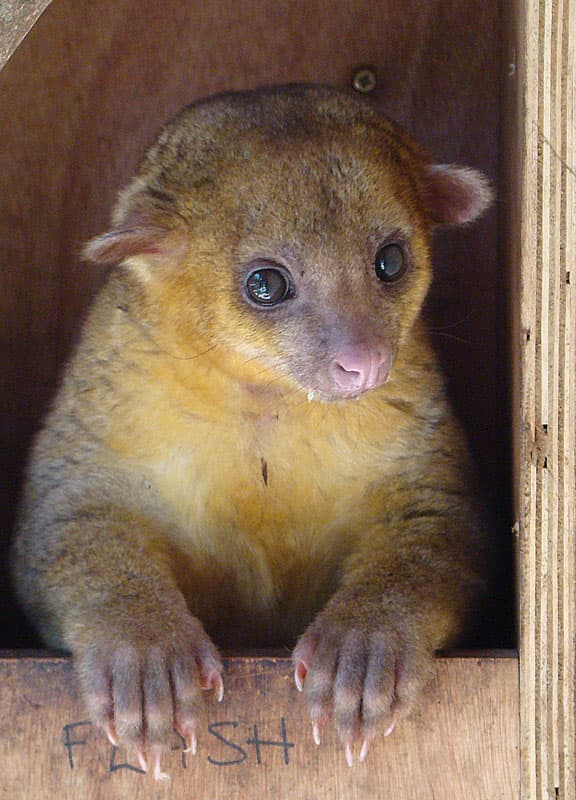
A kinkajou looks monkeylike, but it is a raccoon relative. Explore the gripping tail, nighttime feeding, and forest connections behind its soft appearance.
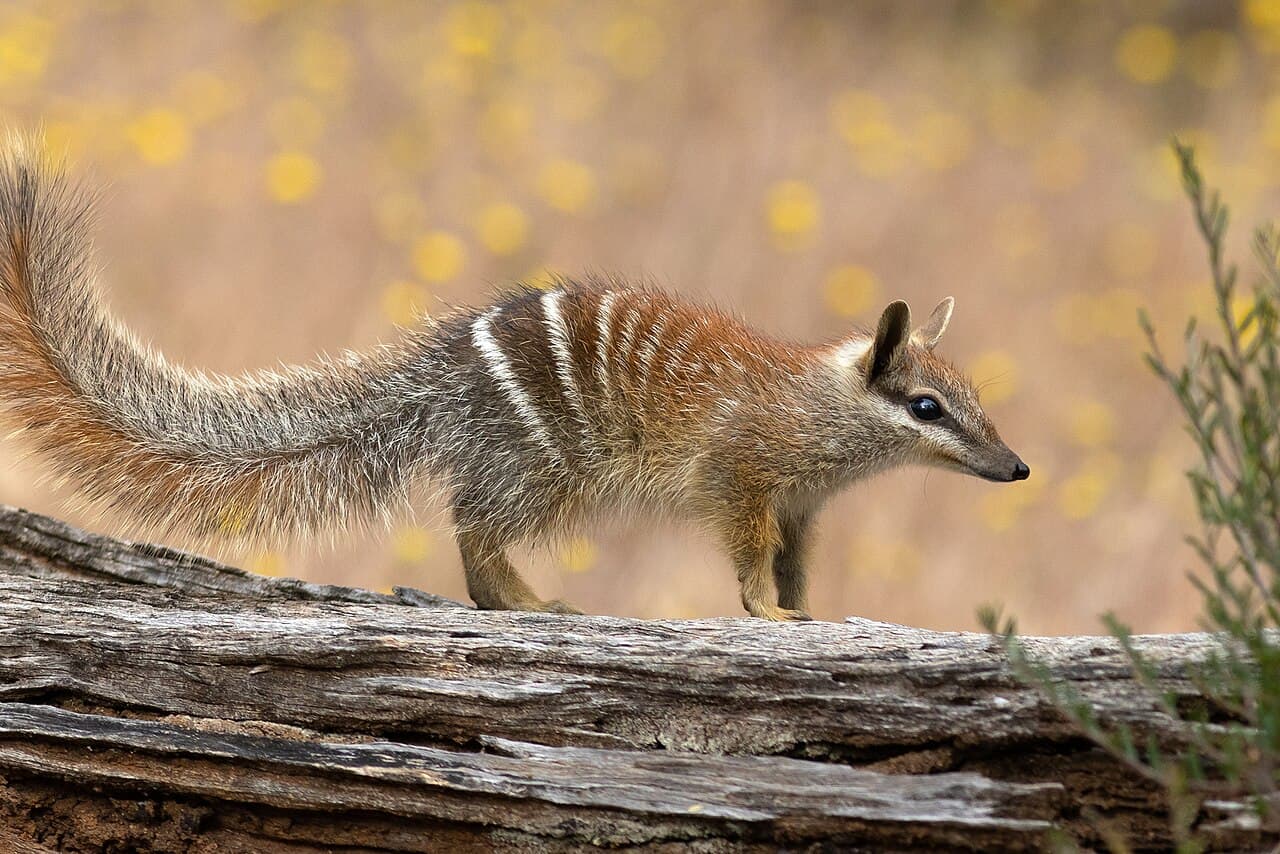
Discover why the striped numbat feeds during daylight and how a termite-focused diet shapes its tongue, schedule, and conservation needs.
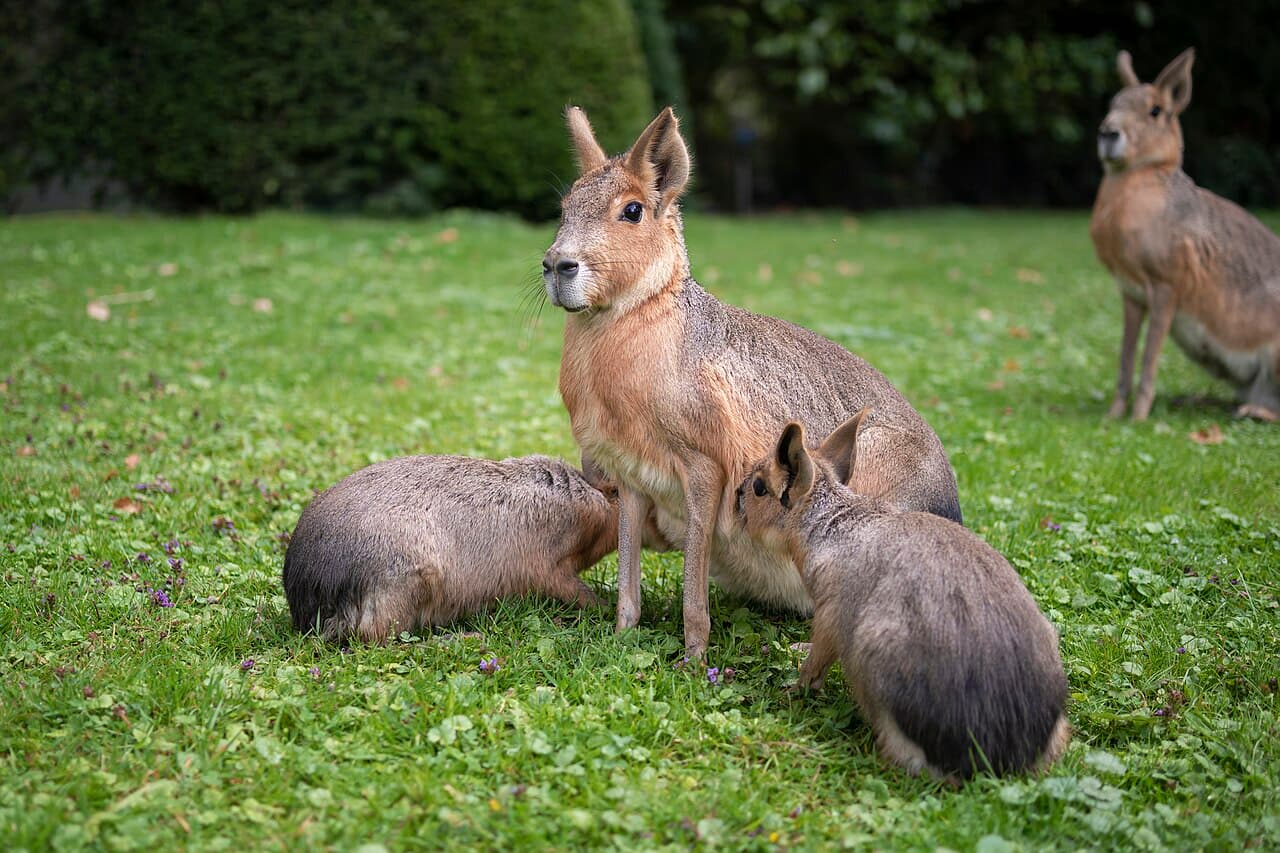
The Patagonian mara looks rabbitlike but is a rodent. Discover its long-legged body, pair bonds, and communal nursery burrows.
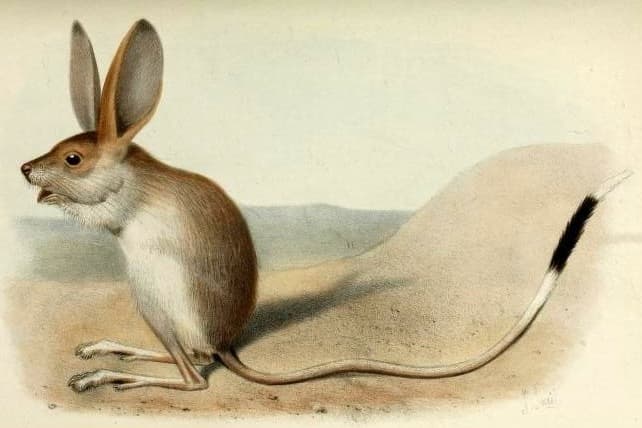
Meet the long-eared jerboa, a nocturnal rodent of Mongolia and China whose large ears and elongated hind legs make a remarkable silhouette.
Silky anteaters are tiny, tree-living mammals with gripping tails and specialized claws. Research reveals more diversity than older names suggested.