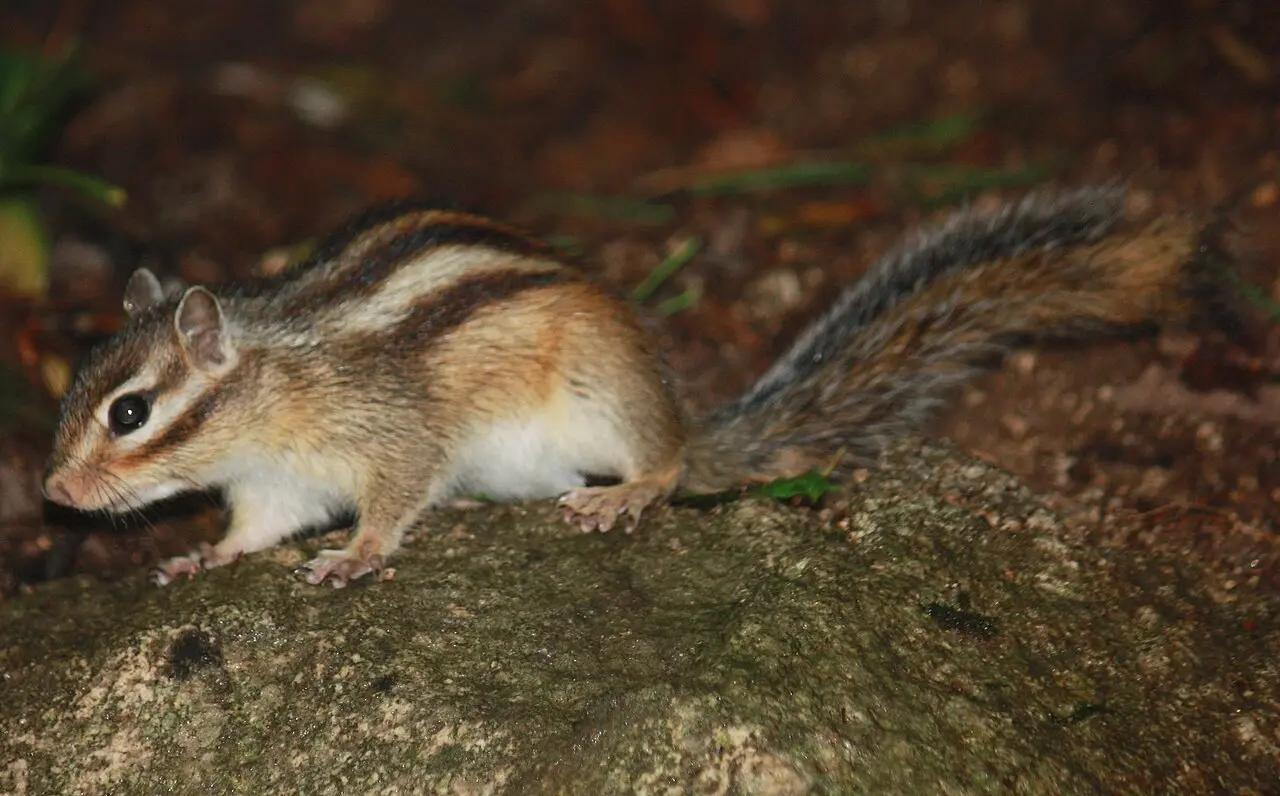
A Siberian chipmunk can carry a meal without holding it in its paws. Expandable cheek pouches act as temporary bags, helping this little rodent move food to a safer place.
Known as Eutamias sibiricus and also listed as Tamias sibiricus, it has a striking pattern of dark and light stripes down its back.
Packing for later
Northumberland Zoo describes food carried in mouth pouches and hidden in stashes for later use.
The bulging cheeks are for transport, rather than permanent storage. Once the chipmunk reaches its destination, the collected food can be put away or eaten.
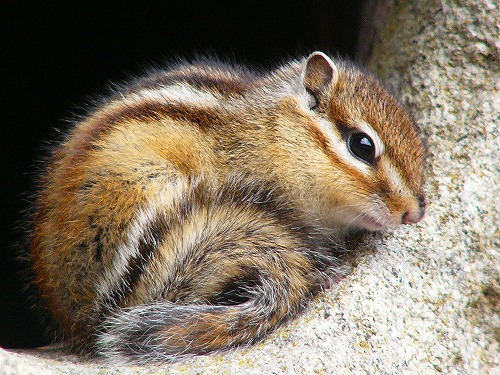
A varied woodland menu
Hirakawa Zoo lists nuts, seeds, fruit, and insects among its foods. The animal can hold a meal in its front paws while feeding.
Underground tunnels provide a winter retreat, with stored supplies helping it through the cold season. A busy autumn forager is therefore preparing for a much quieter part of the year.
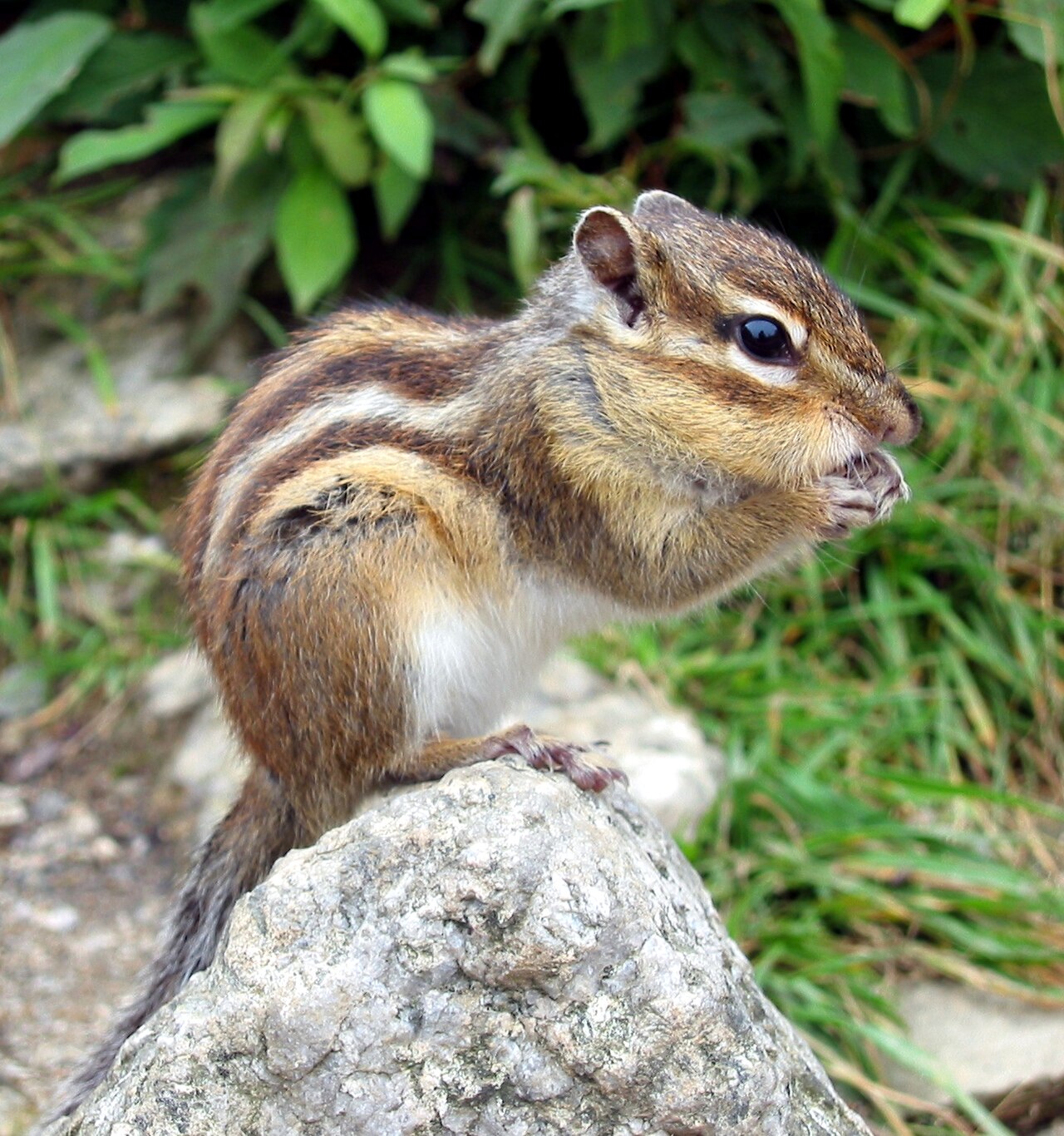
Familiar stripes, important boundaries
The species is native across parts of northern Eurasia. An invasive-species identification guide also describes populations established in western Europe after escapes from captivity.
Wildlife belongs within its natural ecological setting; releasing pets can affect native species.
A striped back may catch our attention first. The clever transport system hidden inside those cheeks makes a second look even more rewarding.
Photo credits
Featured image: Asiatisches Streifenhoernchen (cropped).jpg — J. Patrick Fischer; CC BY-SA 3.0.

Body photograph: Nature (133848833).jpg — arudhio; CC BY-SA 2.0.

Body photograph: Streifenhoernchen.jpg — AndiW 10:51:45, 2005-09-04 (UTC); Public domain.

Photographs resized for web display where available. Existing crops are identified in their source filenames.