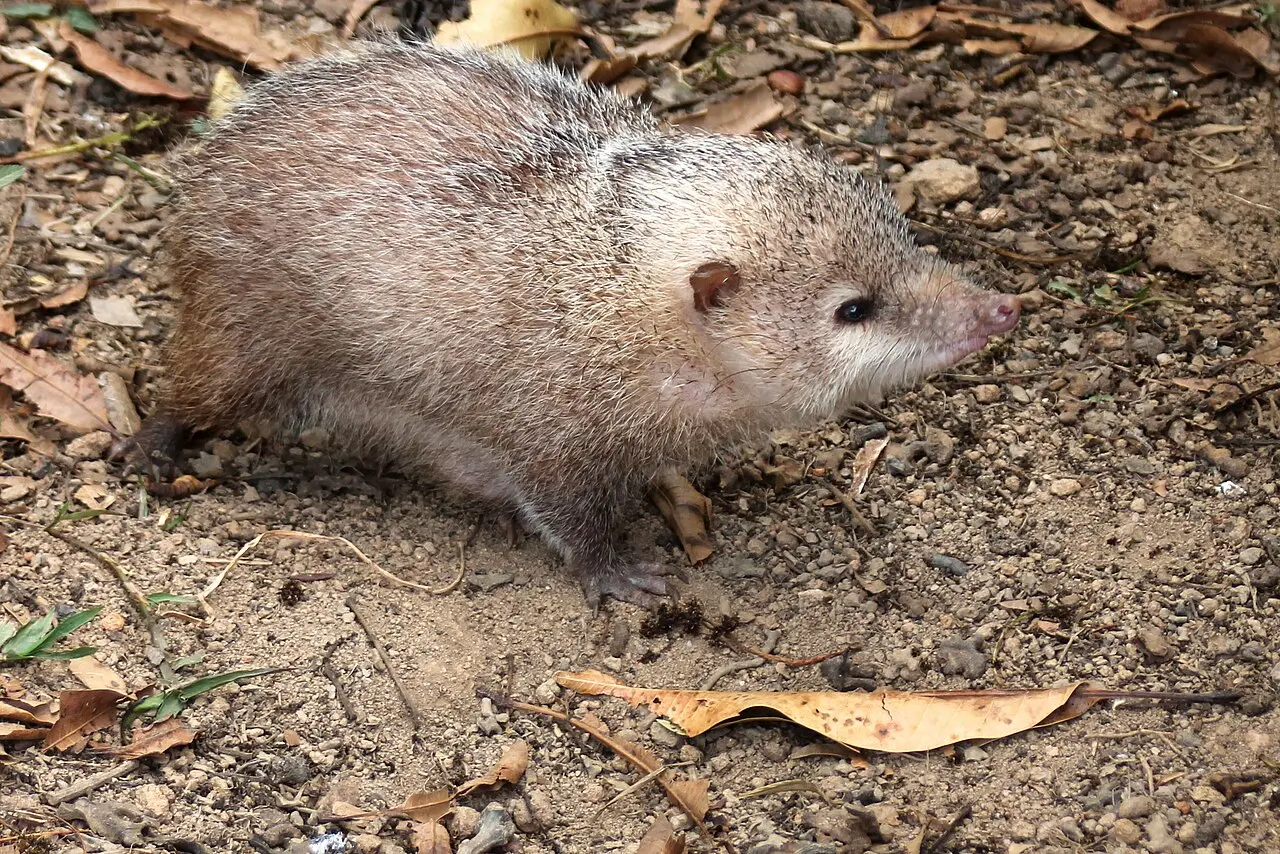
A tailless tenrec mother can have more than twenty babies in one litter. For a bristly animal small enough to disappear into undergrowth, that is an extraordinary family.
The tailless tenrec, Tenrec ecaudatus, is also called the common tenrec. Madagascar is central to its natural history, although people have introduced it to several other islands.
A coat that changes with age
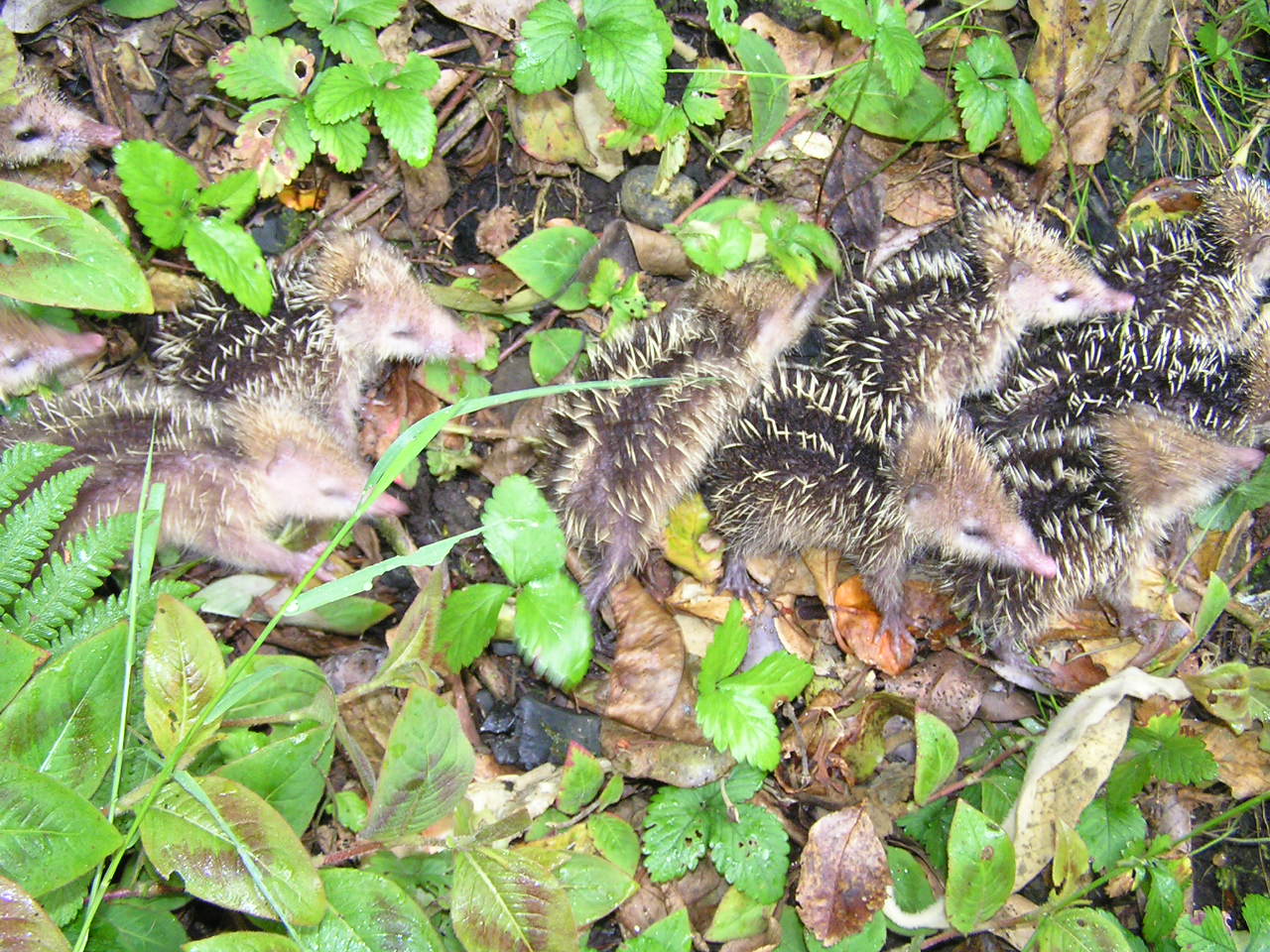
Animal Diversity Web describes young tenrecs with pale rows of spines along their backs. Adults develop a coat mixing hair and blunt spines, with stiff hairs forming a mane.
A long snout completes an unusual appearance. At first glance, it can be tempting to fit this mammal into a familiar category. Looking closely reveals a distinctive animal of its own.
Raising a remarkable family
Reported litter sizes range widely, with records reaching 32. That is an upper record, rather than a promise that every mother raises such a crowd.
Births occur during the wet season, when invertebrate food becomes more available. Timing matters when many tiny mouths need feeding.
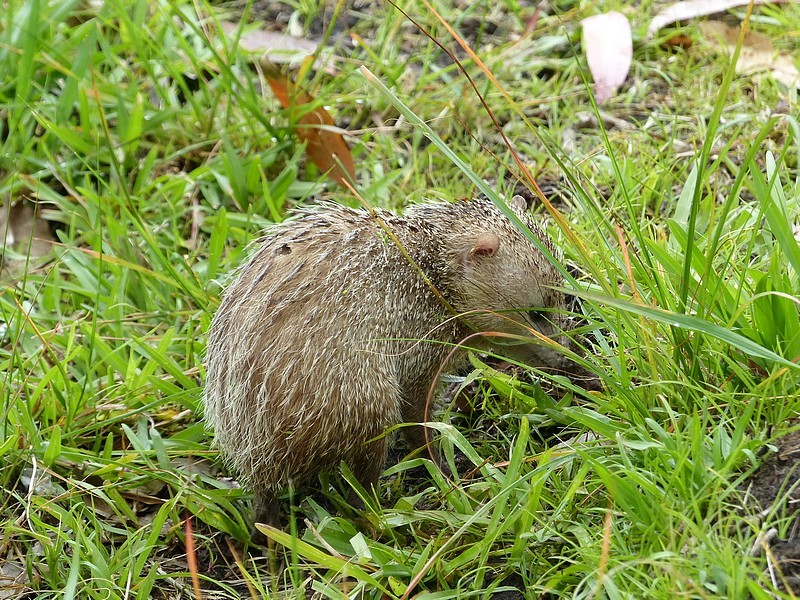
Life around cover and water
Tenrecs use places with vegetation for shelter, including forests and areas near agriculture. Water sources and cover are important parts of their surroundings.
A photograph of a family offers more than a cute scene. It raises questions about food, shelter, and survival—and shows how much astonishing biology can fit inside one small mammal.
Photo credits
Featured image: Gewone tenrek 4.JPG — Heinonlein; CC BY-SA 4.0.

Body image 1: Tenrec family 2.jpg — Damouns; CC BY 2.0.

Body image 2: Tenrec ecaudatus 104261735.jpg — Christian Grenier; CC0.

Photographs resized for web display where available. Infrared and captive photographs are identified in their captions.