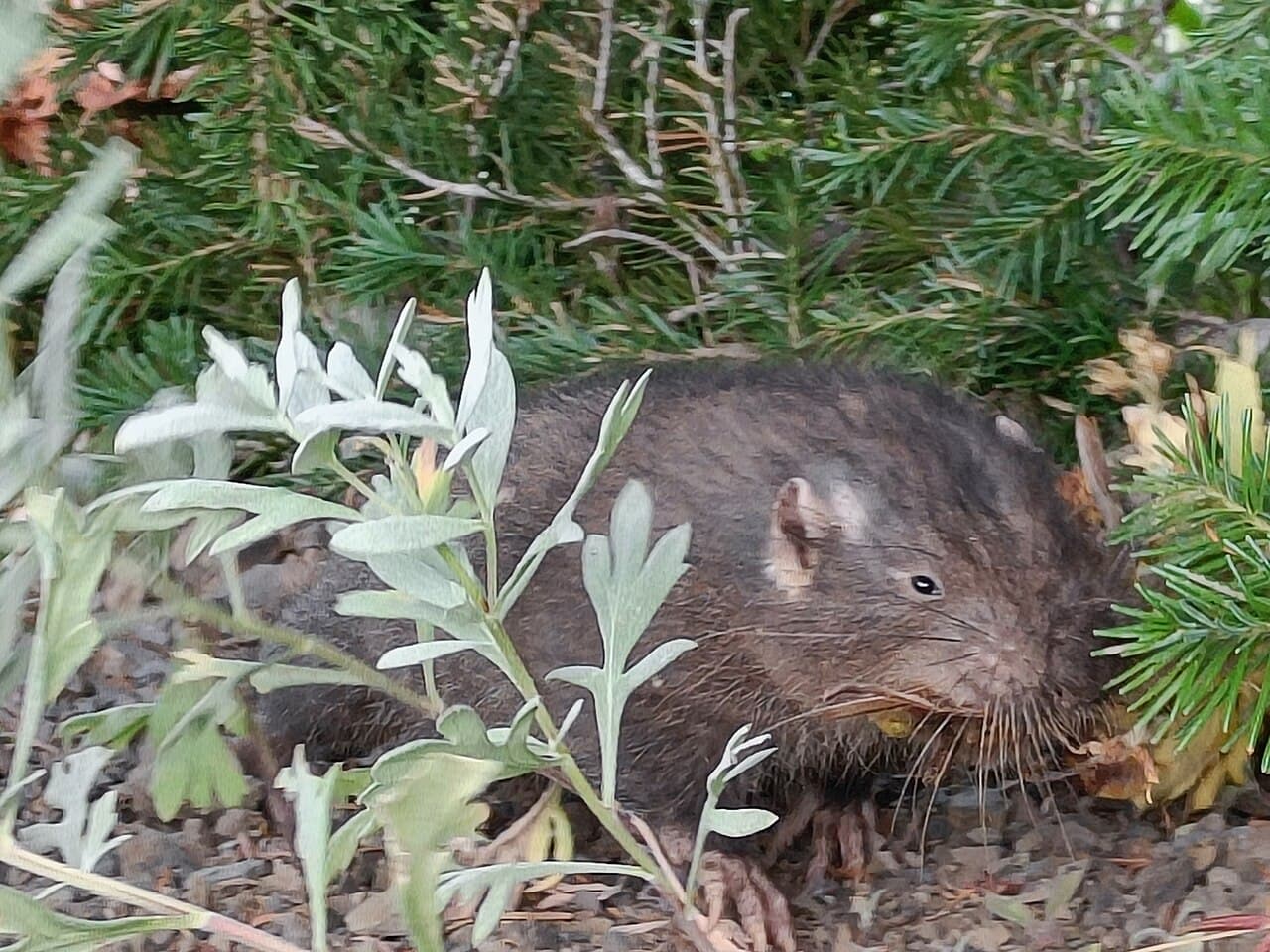
A mountain beaver does not need a dam to make an impressive home. This compact rodent digs underground tunnel systems with separate spaces for nesting, feeding, and storing food.
Despite its name, Aplodontia rufa belongs to a different family from true beavers. Its small ears and short tail give it a very different outline.
A hidden network beneath the plants
The Washington Department of Fish and Wildlife describes burrows with numerous entrances and specialized chambers. Thick vegetation provides cover above these underground homes.
Food can be eaten where it grows, left near an entrance, or carried into a cache. Ferns and other plants help supply this largely hidden household.
Why damp places matter
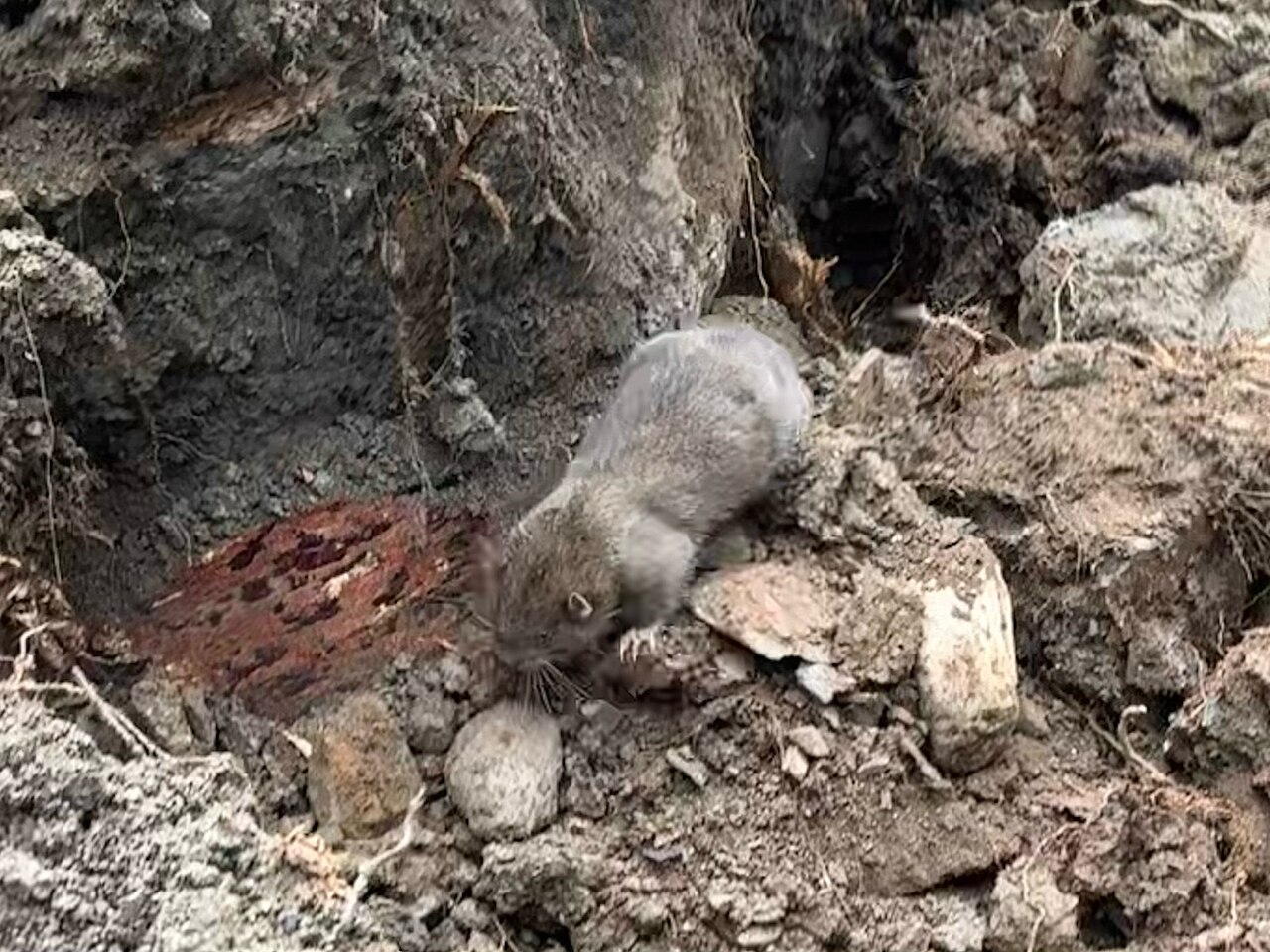
Mountain beavers have kidneys that do not conserve water efficiently. They need plenty to drink, helping explain their association with moist surroundings.
Animal Diversity Web places the species along western North America’s Pacific region. Its range includes coastal areas and mountain environments, so the name tells only part of the story.
An old lineage with a present-day role
This is the only living species in its family. That does not mean it has stopped evolving; it means its close living relatives are gone.
Even an empty tunnel can be useful. Other small animals use abandoned mountain-beaver spaces. Beneath an ordinary patch of greenery, one quiet digger can leave a surprisingly busy legacy.
Photo credits
Featured image: Aplodontia rufa 545455829.jpg — AJ Beavan; CC0.

Body image 1: Aplodontia rufa 728250786.jpg — Jason Alexander; CC BY 4.0.

Body image 2: Immature mountain beaver.jpg — Gary M. Fellers, USGS; Public domain.

Photographs resized for web display where available. Infrared and captive photographs are identified in their captions.