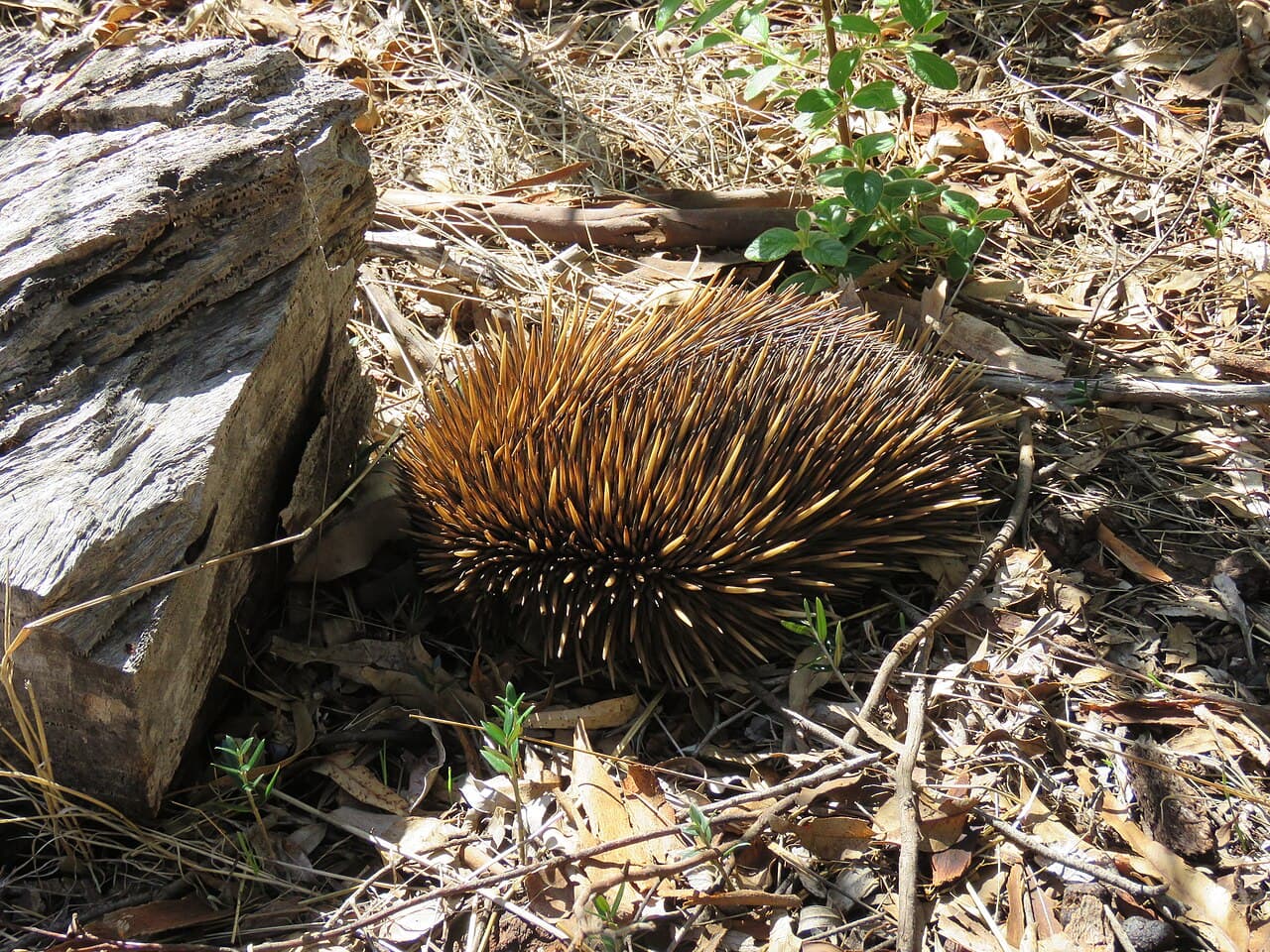
It has spines, feeds its baby milk, and lays an egg. The short-beaked echidna brings together traits that rarely appear in the same animal.
Tachyglossus aculeatus belongs to the monotremes, the egg-laying mammals. It is a wonderful reminder that mammals have more than one way to raise their young.
A sticky solution to a small-food problem
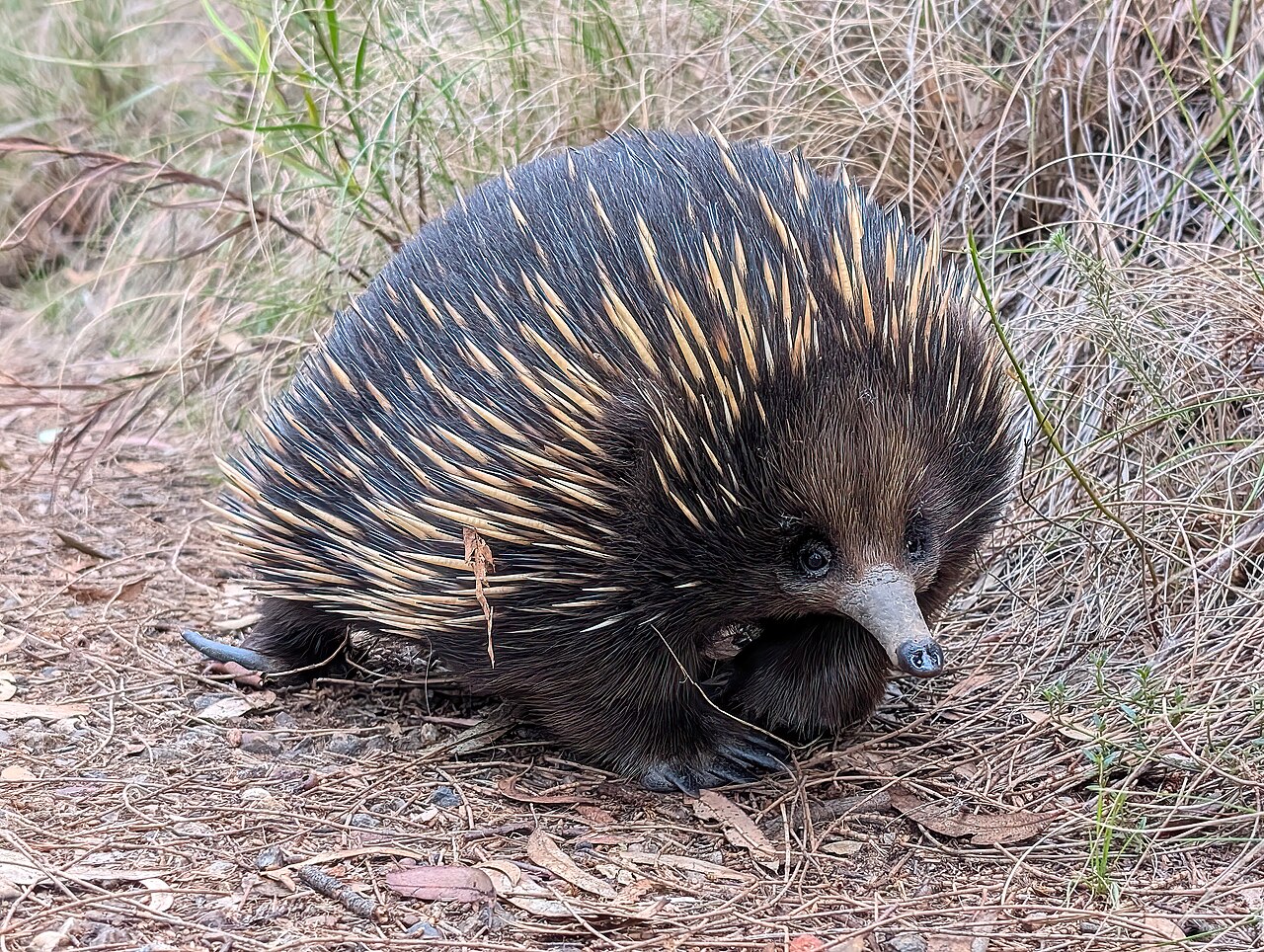
The Australian Museum describes a long, sticky tongue used to gather ants and termites. Strong claws help the echidna break into the places where these insects live.
Its pointed snout reaches toward the food while the tongue does the collecting. What looks like a slow wander can be a focused search for dinner.
An egg, then milk
A female lays a single egg into a temporary pouch. After hatching, the tiny youngster continues developing with milk from its mother.
As the young echidna grows and develops spines, the mother moves it to a sheltering burrow and returns to feed it. The baby’s changing body shapes the family’s routine.
Give the wanderer room
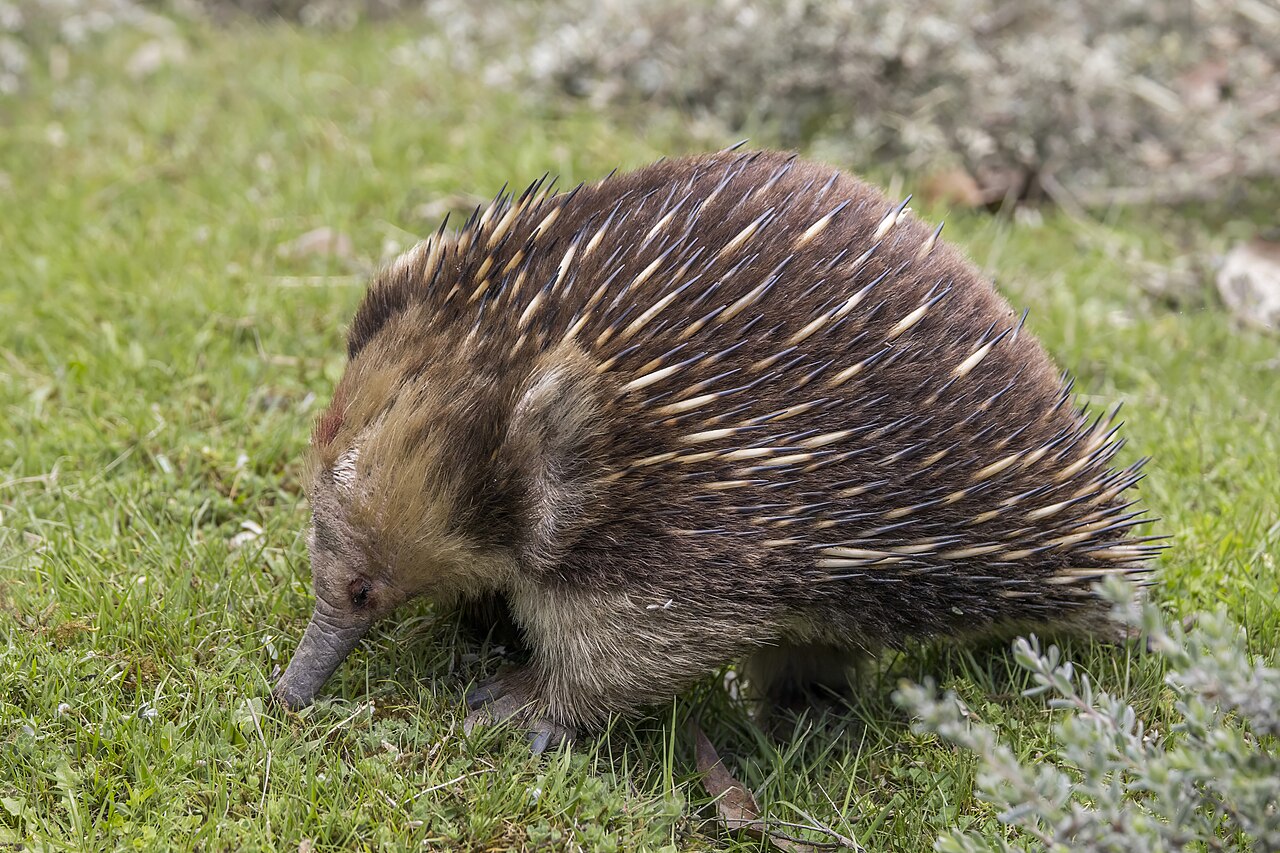
Echidnas occur across many Australian environments, from forests to dry country. Roads and introduced predators can threaten them, making connected habitat and careful driving valuable.
An echidna crossing the landscape carries an extraordinary life story beneath its spines. In Amazing Nature, even a familiar-looking animal can challenge our expectations about what a mammal can be.
Photo credits
Featured image: Short-beaked echidna (Tachyglossus aculeatus) in Serpentine National Park, May 2021 02.jpg — Calistemon; CC BY-SA 4.0.

Body image 1: Tachyglossus aculeatus – Short-beaked echidna – Kolczatka australijska.jpg — Krigore; CC BY-SA 4.0.

Body image 2: Short-beaked echidna (Tachyglossus aculeatus setosus) Scottsdale.jpg — Charles J. Sharp; CC BY-SA 4.0.

Photographs resized for web display where available. Infrared and captive photographs are identified in their captions.