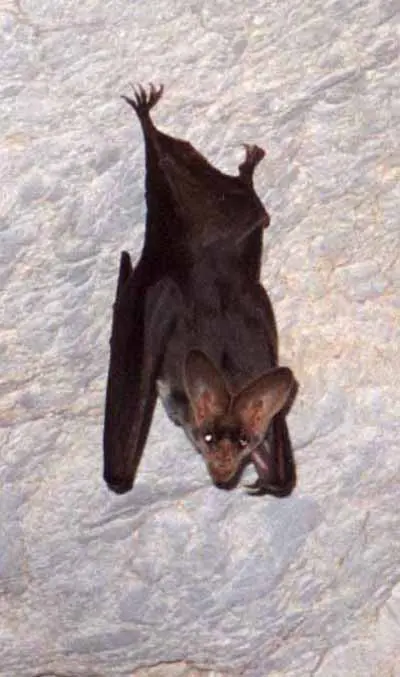
Australia’s ghost bat can hunt other bats. Behind its pale, unusual face is a predator with a menu that also includes large insects, frogs, birds, and lizards.
The species is Macroderma gigas. Its name describes an Australian animal, so photographs of similarly named American bats tell a different story.
More than one way to find dinner
The Australian Museum explains that ghost bats use both their large eyes and echolocation to locate prey.
They swoop down, seize a meal with a powerful bite, and carry it to a feeding place. Flight is part of the hunt, but so is choosing somewhere to eat.
A sheltered daytime world
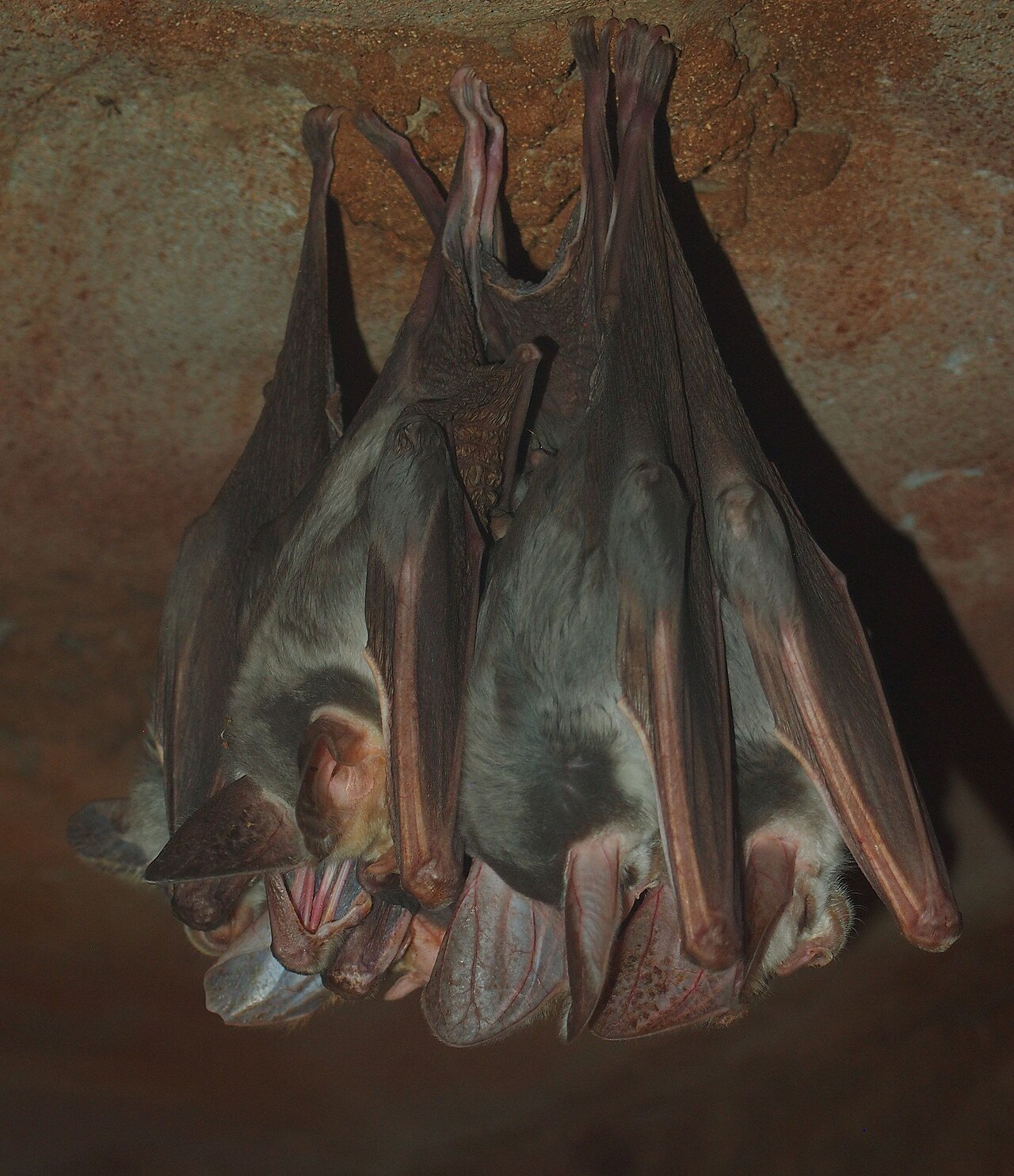
Caves, old mine tunnels, and deep rock cracks offer places to roost. Ghost bats can gather in colonies, making a suitable shelter valuable to many animals at once.
Their pale appearance becomes especially striking against dark rock. It is easy to see how an ordinary view of a resting bat could inspire such an atmospheric name.
Protecting the places between hunts
Disturbance by visitors, cave destruction through mining, and loss of feeding habitat can harm ghost bats. Protecting a roost means protecting more than a hole in a hillside.
The surrounding landscape must still offer food and room to travel. Amazing Nature’s night hunters depend on both shelter and opportunity—and this pale Australian bat brings that connection into sharp focus.
Photo credits
Featured image: Macroderma gigas 13019840.jpg — Dan Riskin; CC BY 4.0.

Body image 1: Ghost bats.jpg — Mark Marathon; CC BY-SA 3.0.

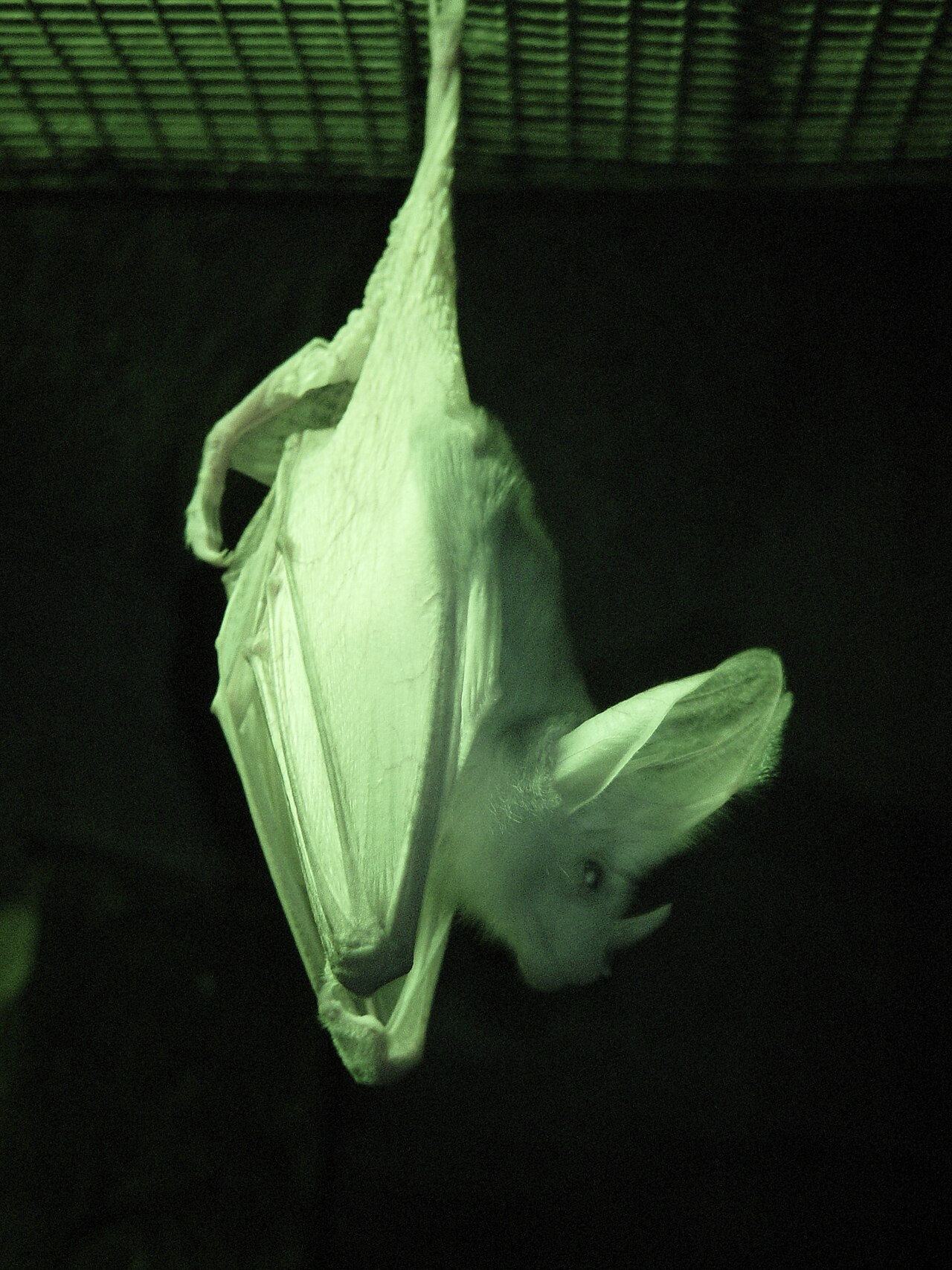
Body image 2: Ghost bat infrared Perth zoo.jpg — Photographer not identified; see source; Public domain.

Photographs resized for web display where available. Infrared and captive photographs are identified in their captions.