Spotted Trunkfish: The Reef Fish Inside a Bony Box
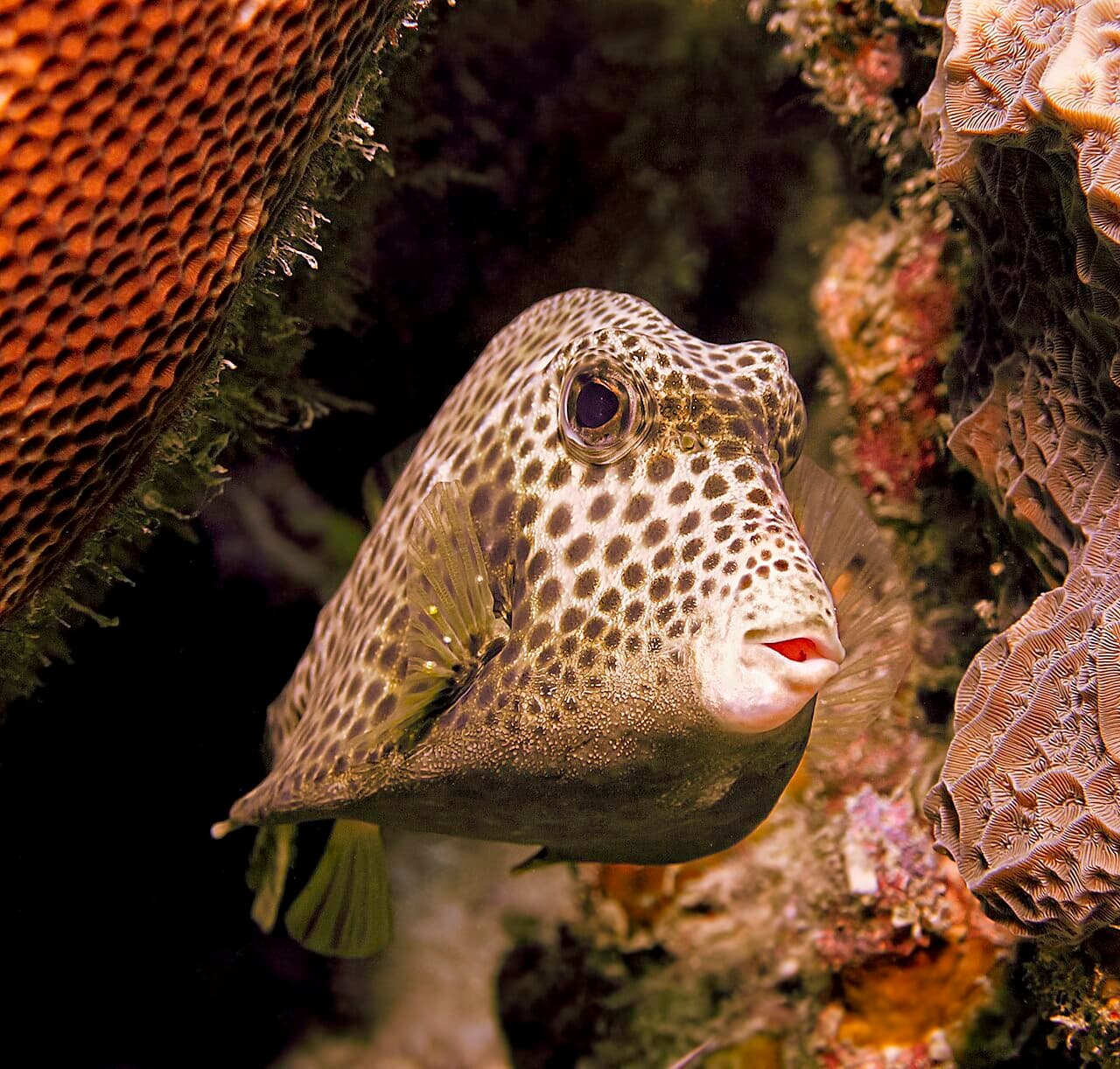
Explore the spotted trunkfish's joined armor plates, black-on-white pattern, small fins, and distinctive shape on Caribbean reefs.
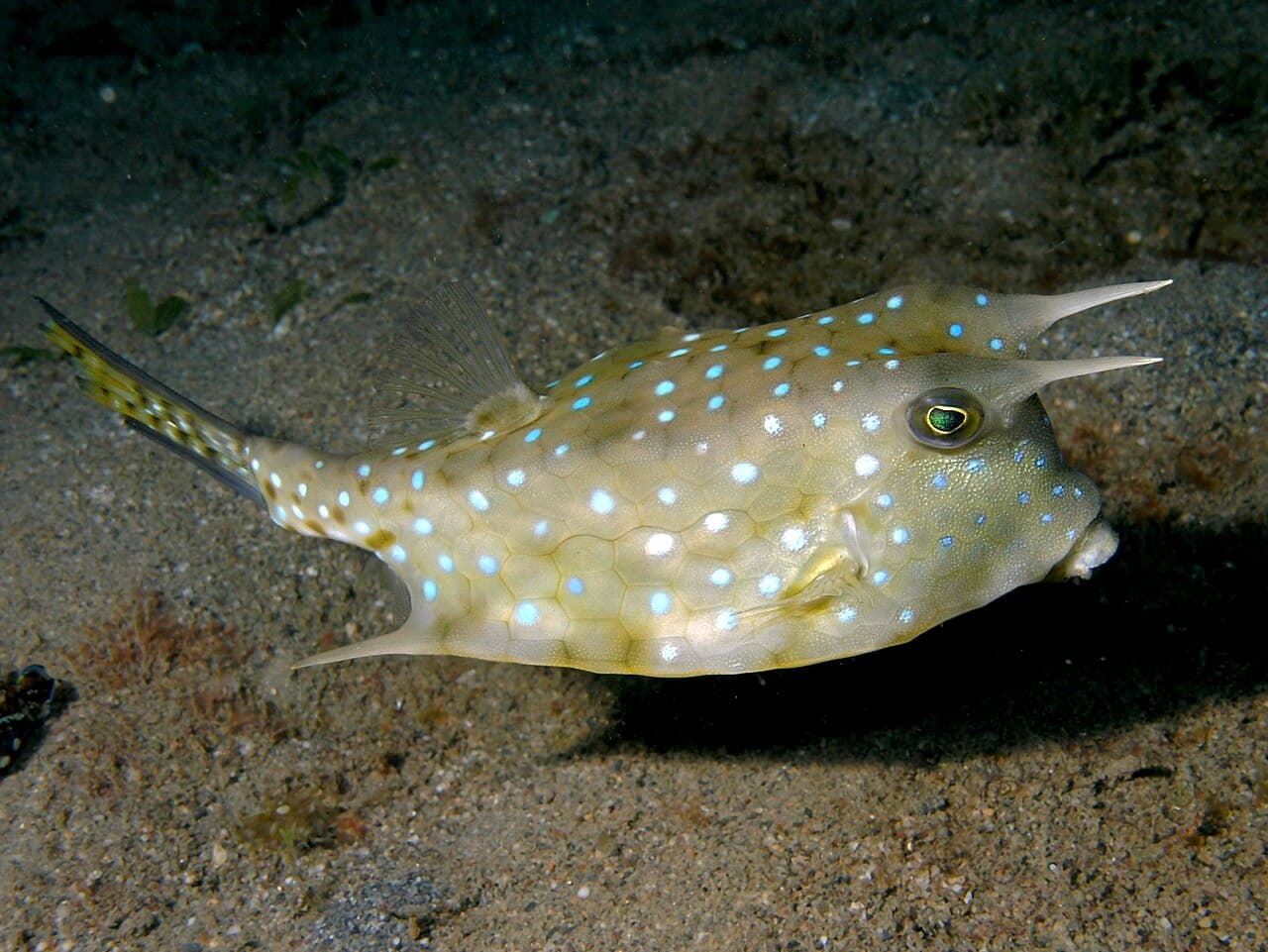
Meet the longhorn cowfish, a spotted Indo-Pacific boxfish with prominent horns and a feeding method that sends water jets into the sand.
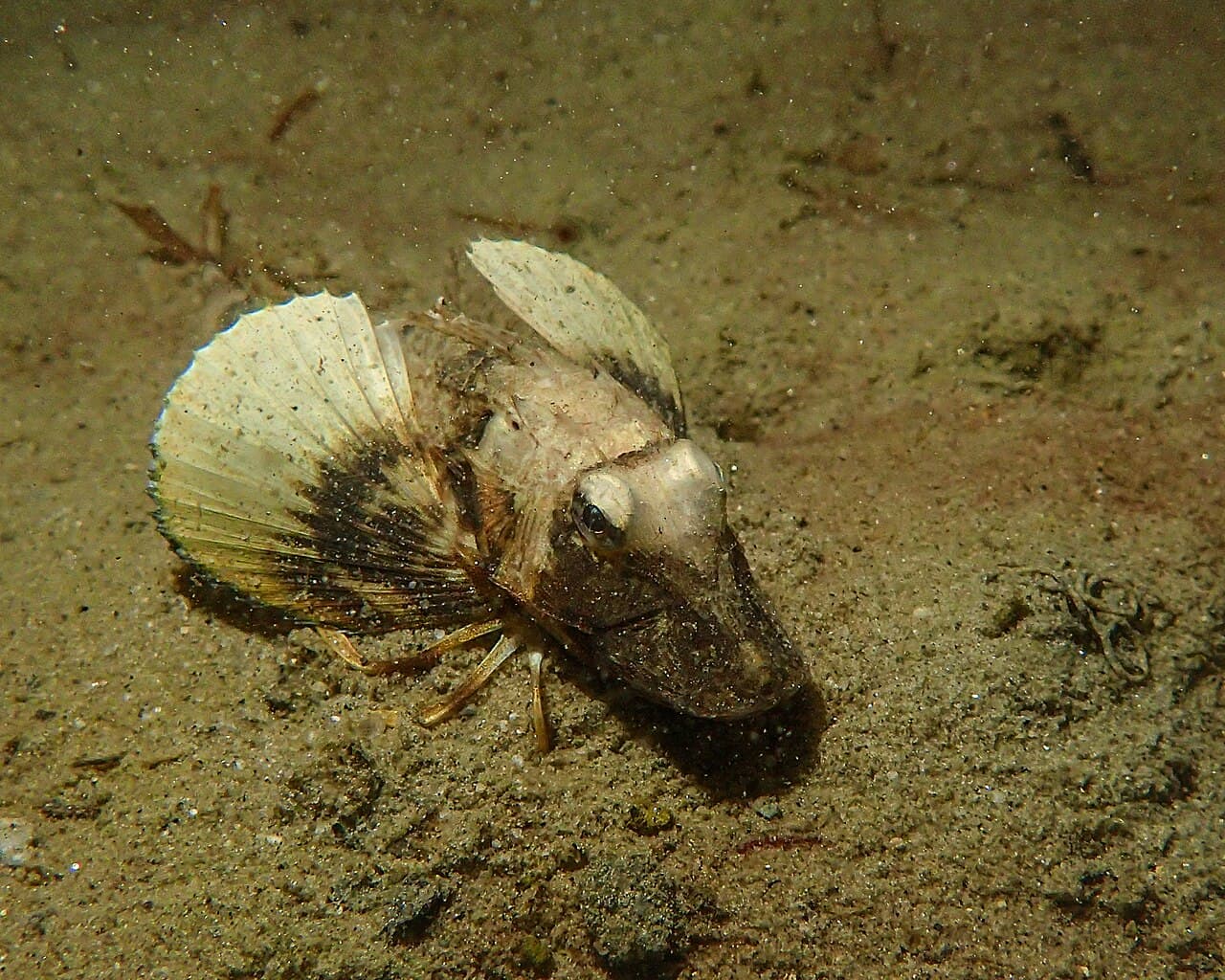
Discover how sea robins use modified fin rays to walk, and why northern sea robins have sensory structures that help locate buried prey.
Meet the psychedelic frogfish of Indonesia, a secretive fish with swirling stripes, forward-facing eyes, and an unusual way of moving.
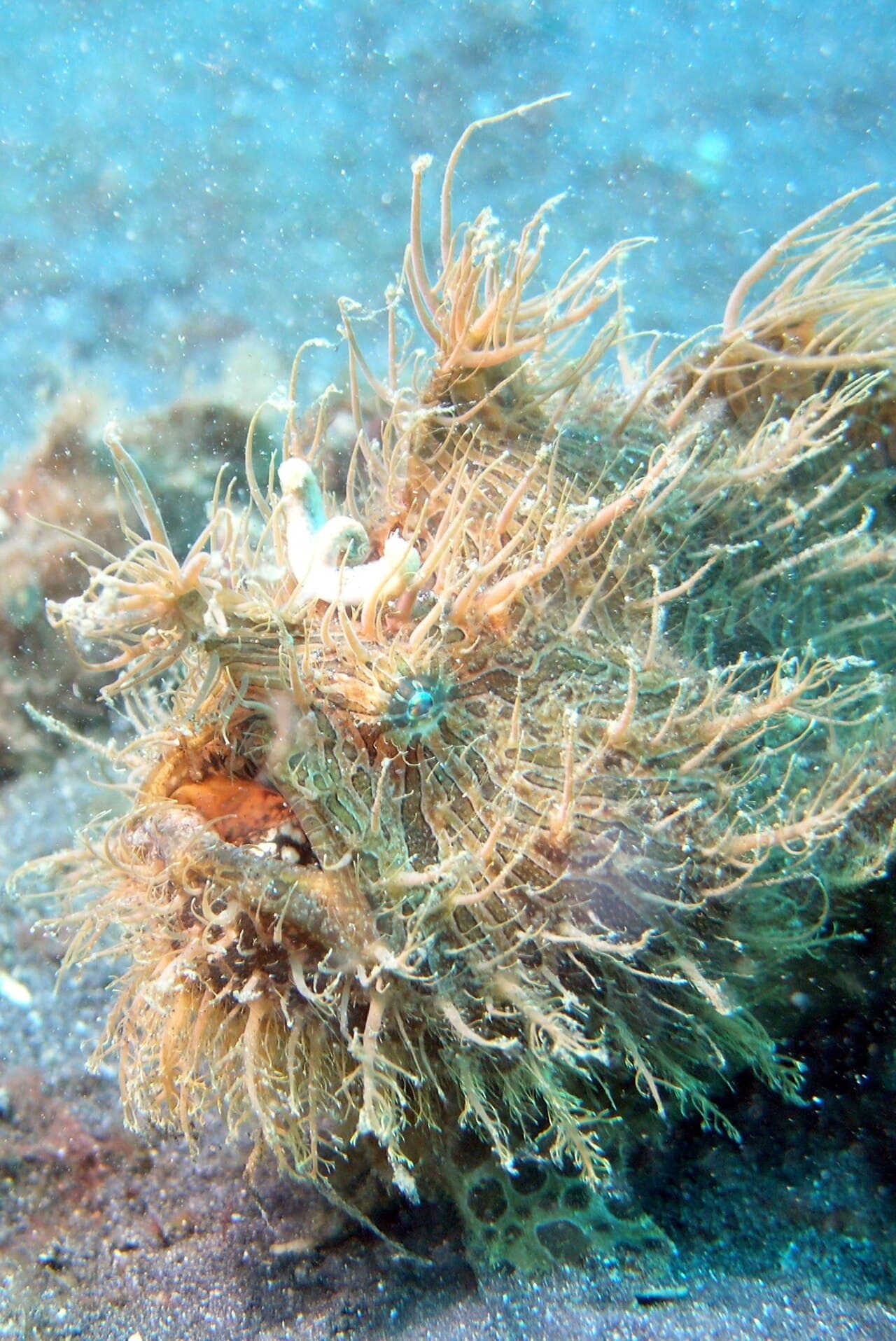
Learn why hairy frogfish look shaggy, how their worm-like fishing lure attracts prey, and why individuals can look strikingly different.
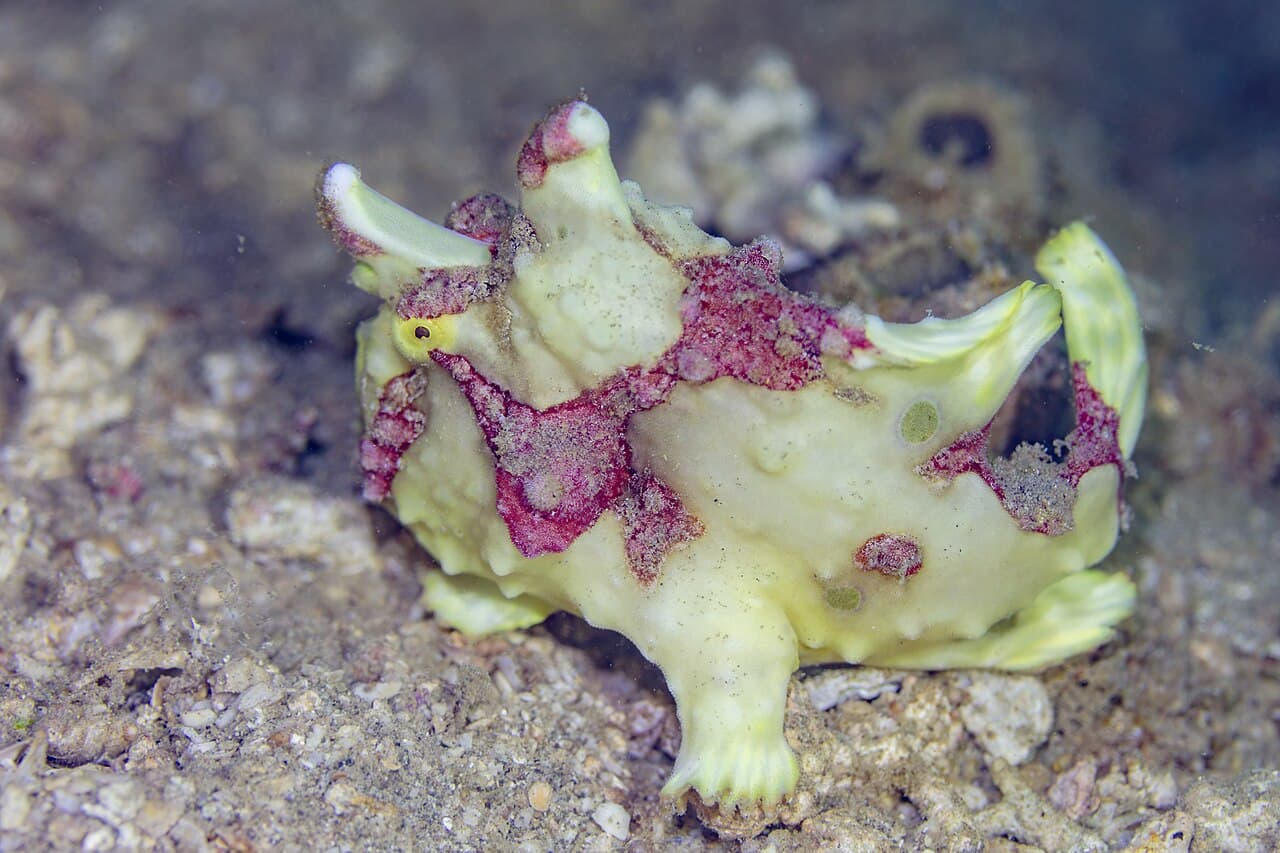
Meet the warty frogfish, a small ambush predator that uses jointed fins to move along the reef and a fishing lure to attract its next meal.
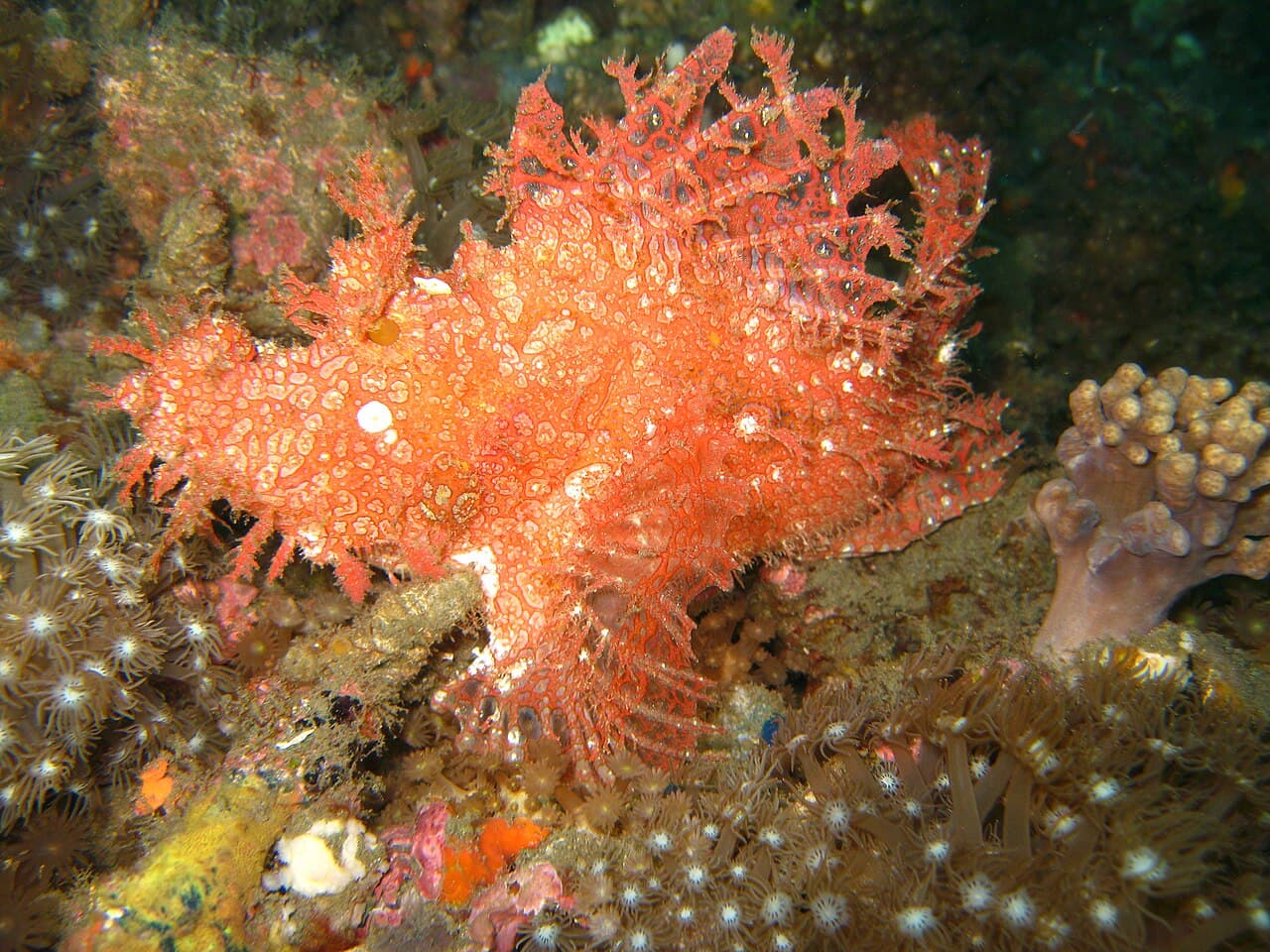
Discover Rhinopias frondosa, the weedy scorpionfish whose ornate outline helps conceal a waiting predator among rocky reefs, algae, and sponges.
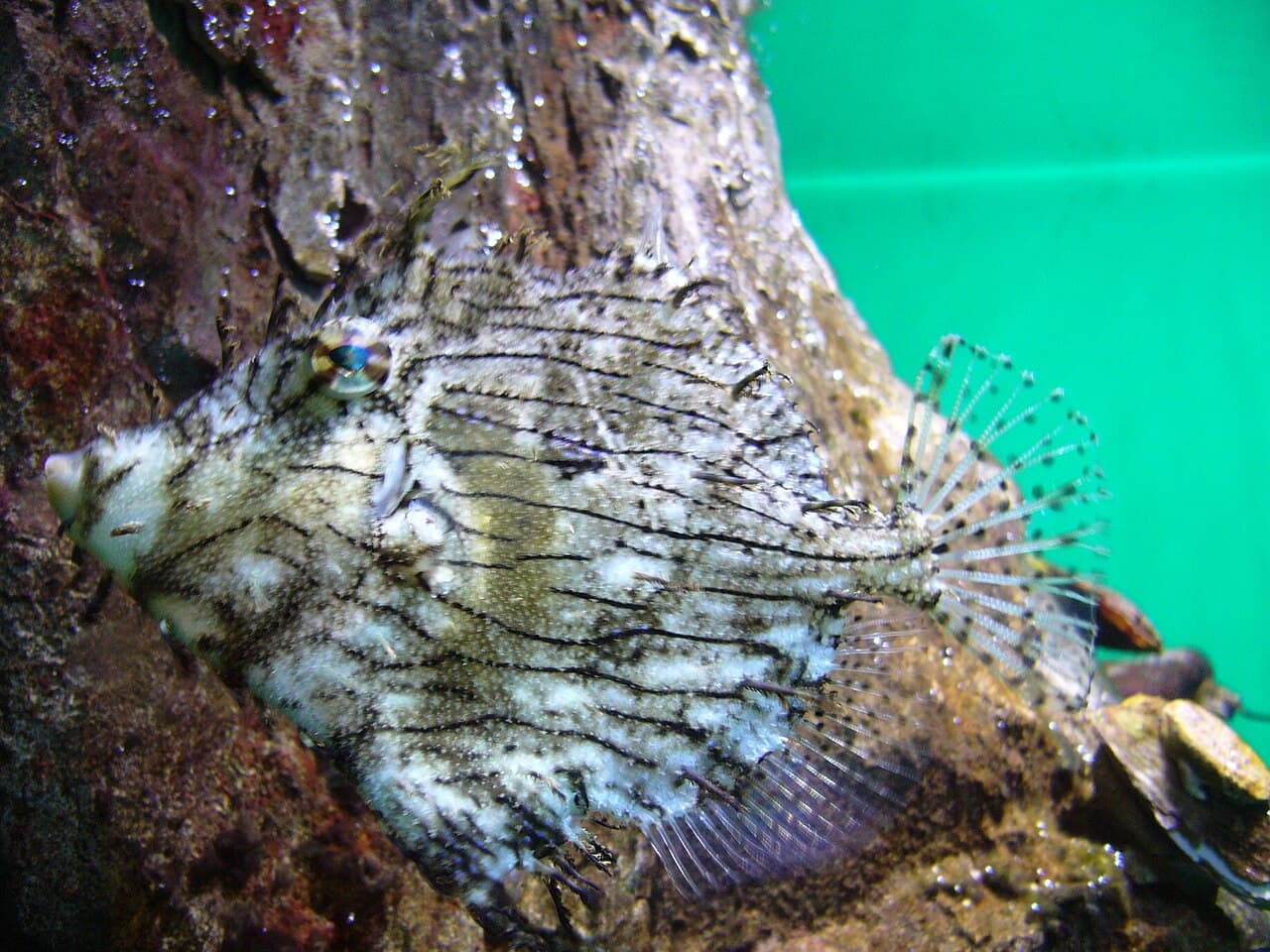
Meet the leafy filefish, also called the tasselled leatherjacket, whose fleshy skin appendages blur its outline among coastal weeds and reefs.
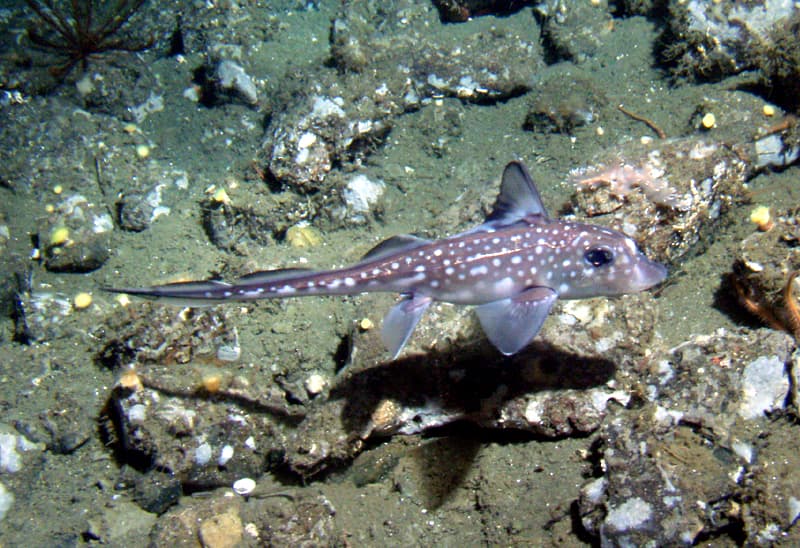
Explore the spotted ratfish, a shark relative with a cartilage skeleton, grinding tooth plates, winglike fins, and a long tapering tail.
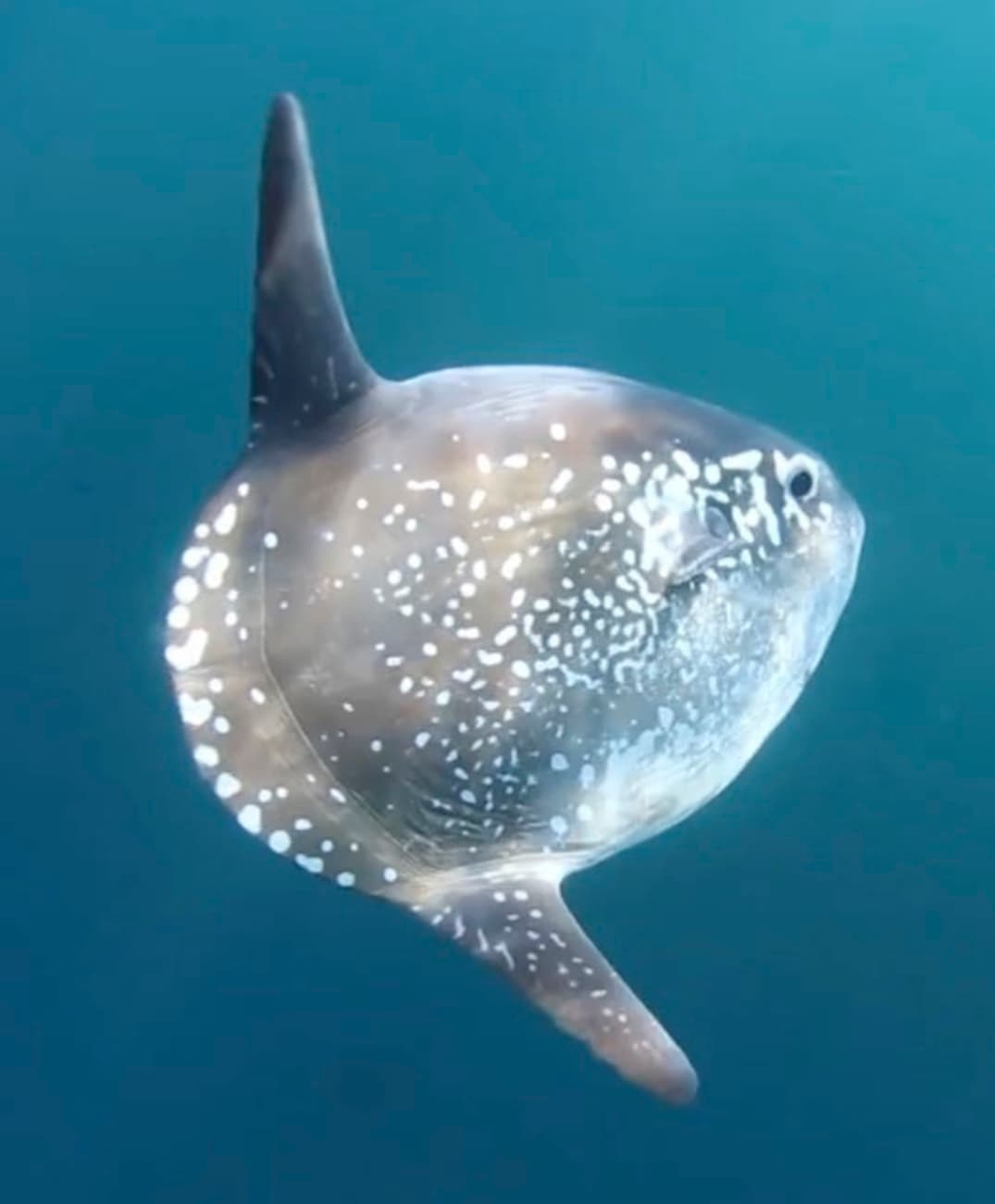
Meet Mola tecta, the hoodwinker sunfish formally described in 2017 after DNA and careful anatomy revealed a species hidden among familiar giants.
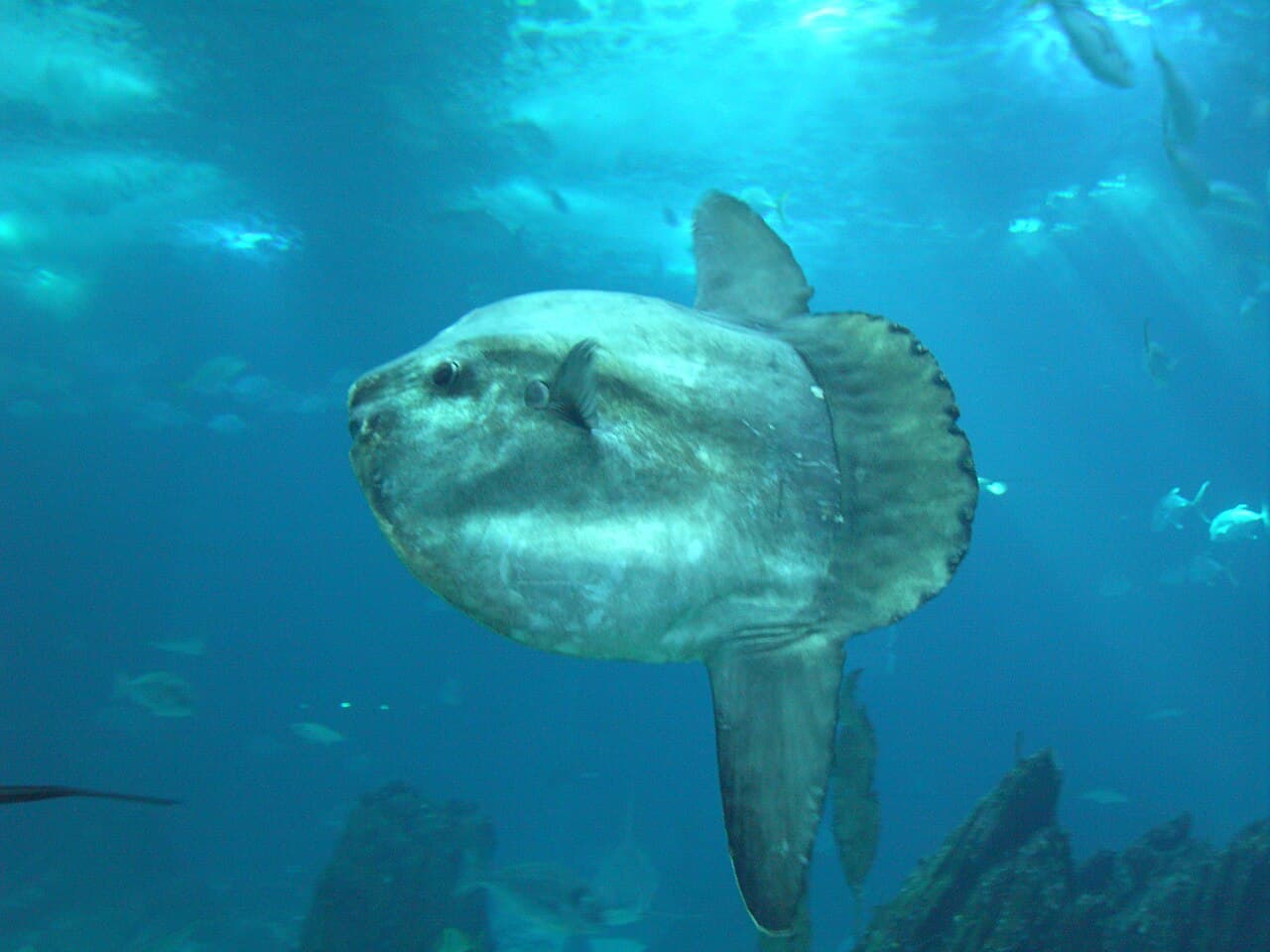
Discover how the ocean sunfish swims without a normal tail, feeds on gelatinous prey, and moves between the surface and deeper ocean waters.
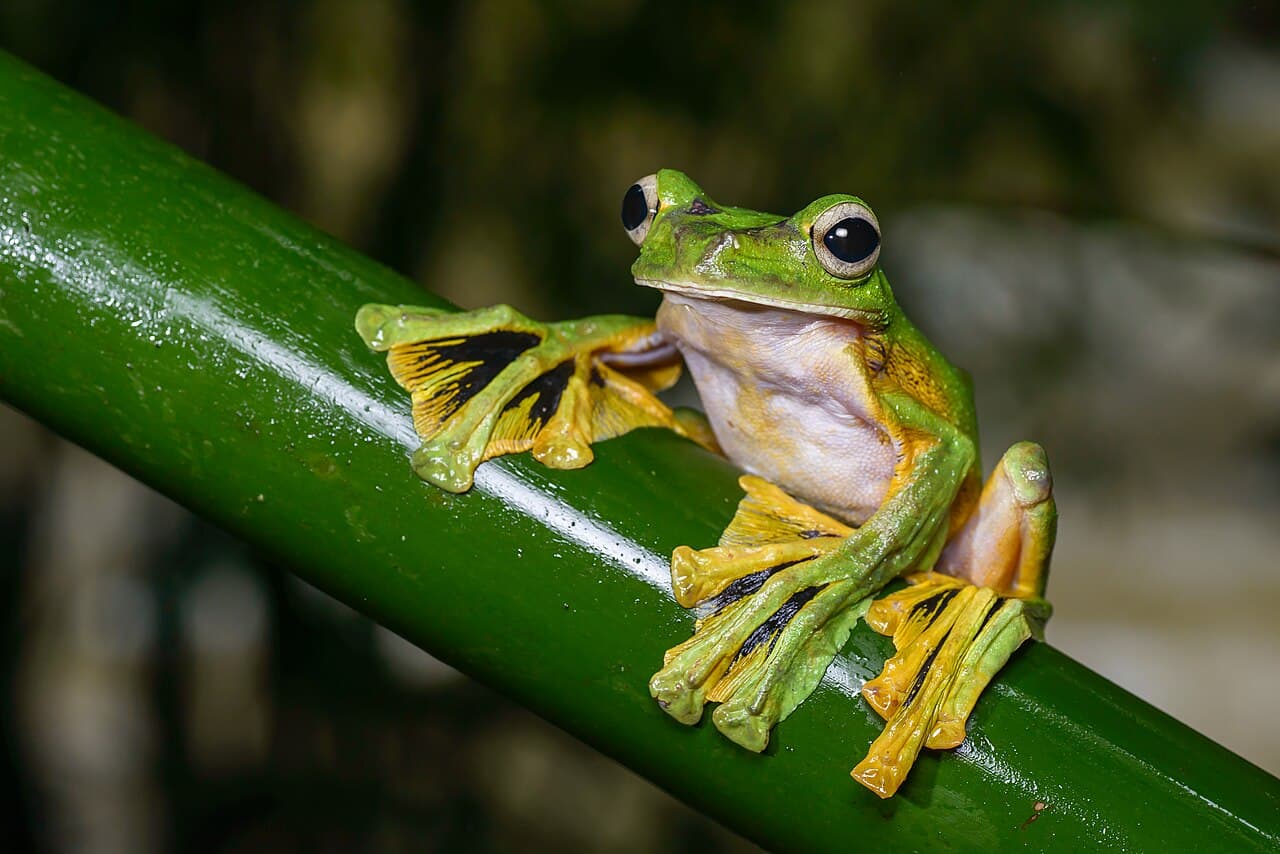
Discover how Wallace's flying frog uses broad webbing to glide, why its feet are so striking, and how it breeds above forest pools.
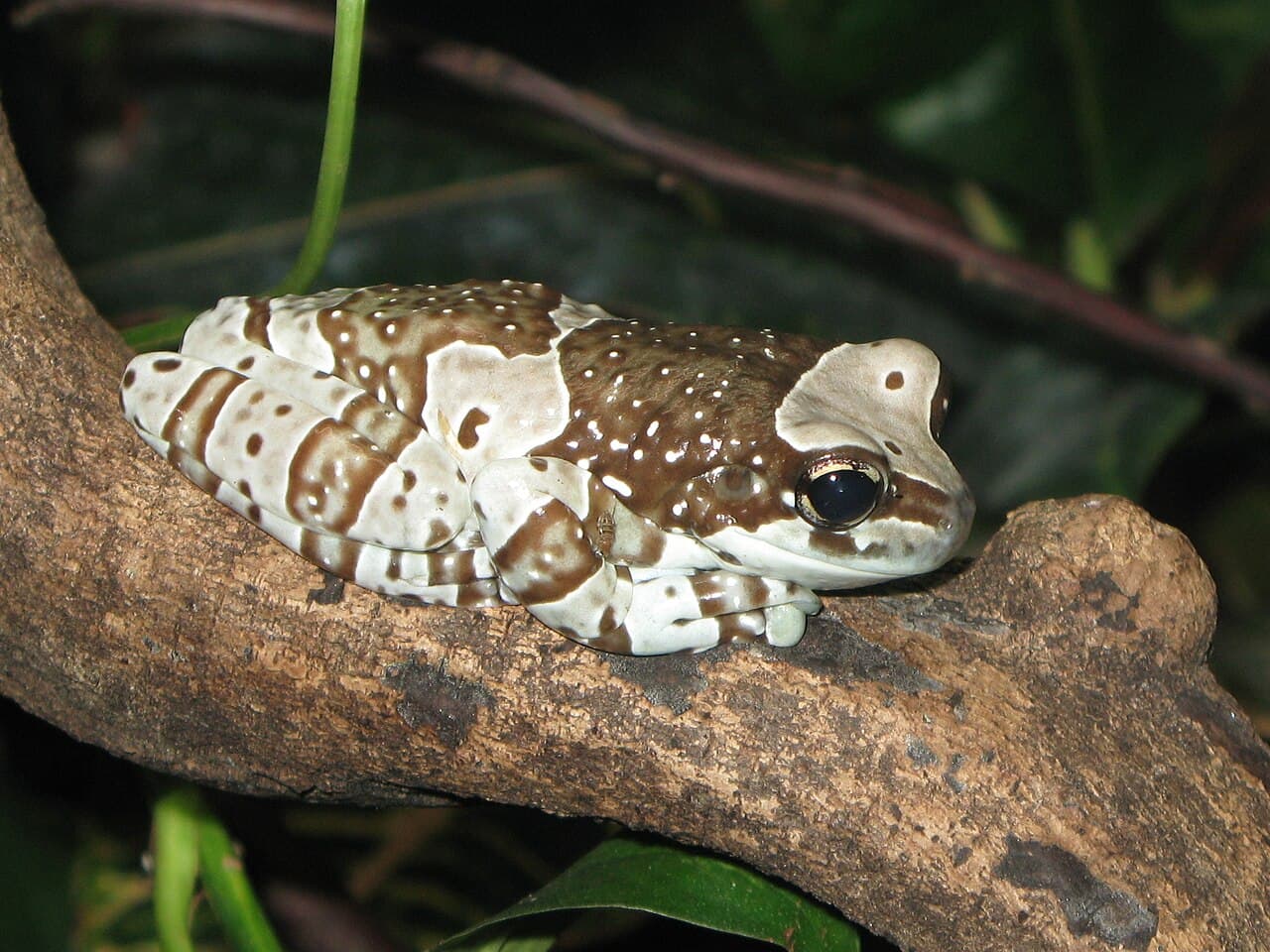
Learn why the Amazon milk frog has its unusual name, how it climbs rainforest vegetation, and what makes its patterned skin so distinctive.
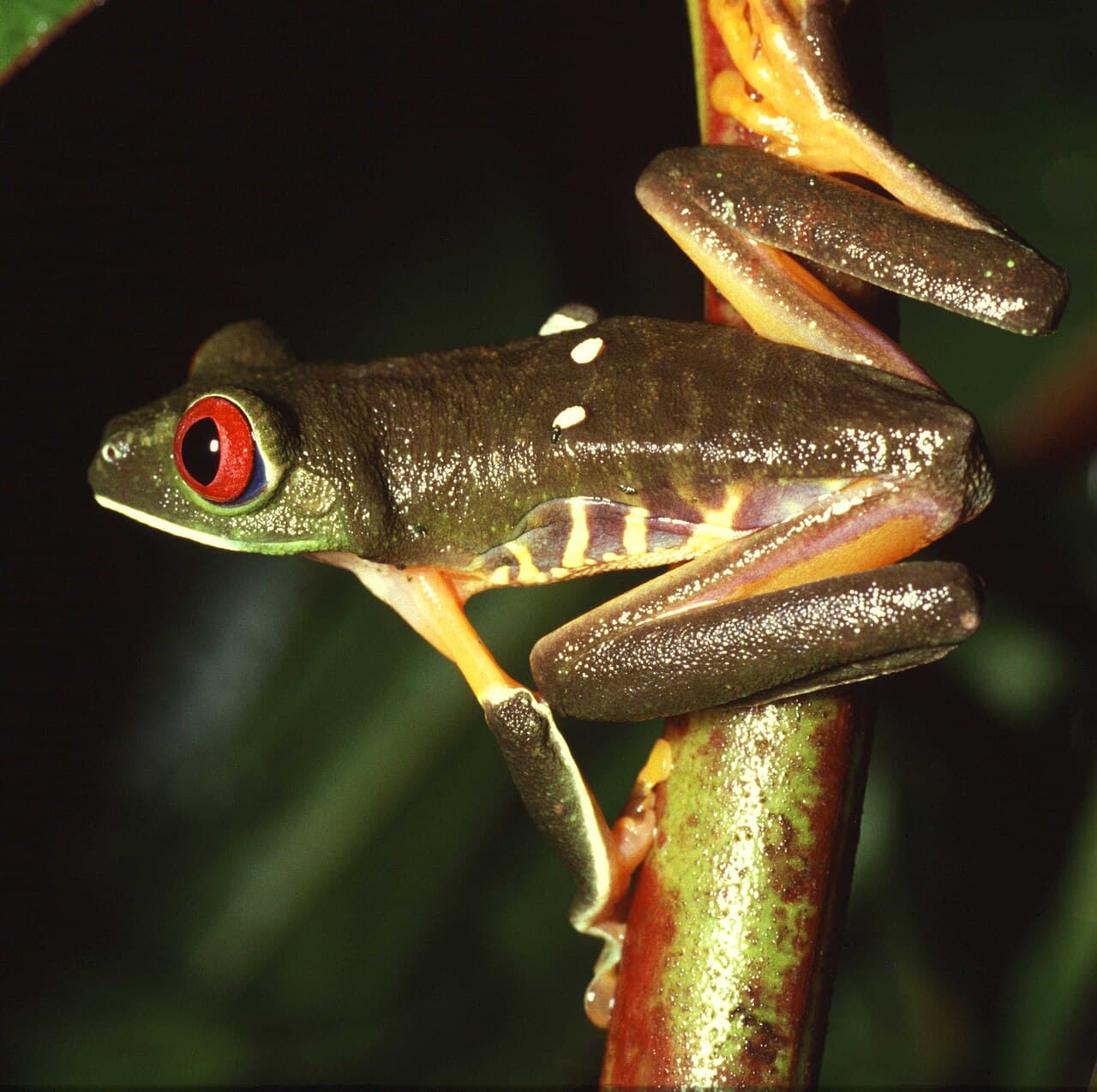
Meet the red-eyed tree frog, from its orange feet and vivid eyes to embryos that can hatch early when danger threatens their eggs.
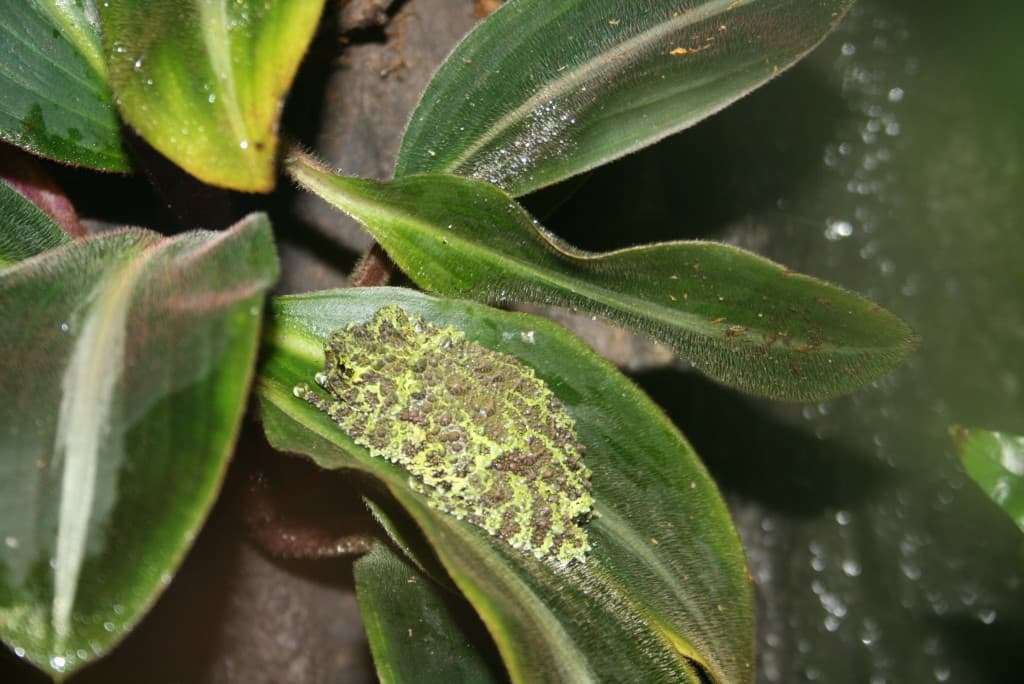
Discover how the Vietnamese mossy frog's bumpy green-and-black skin helps it blend in, and explore its rocky, water-filled forest habitat.
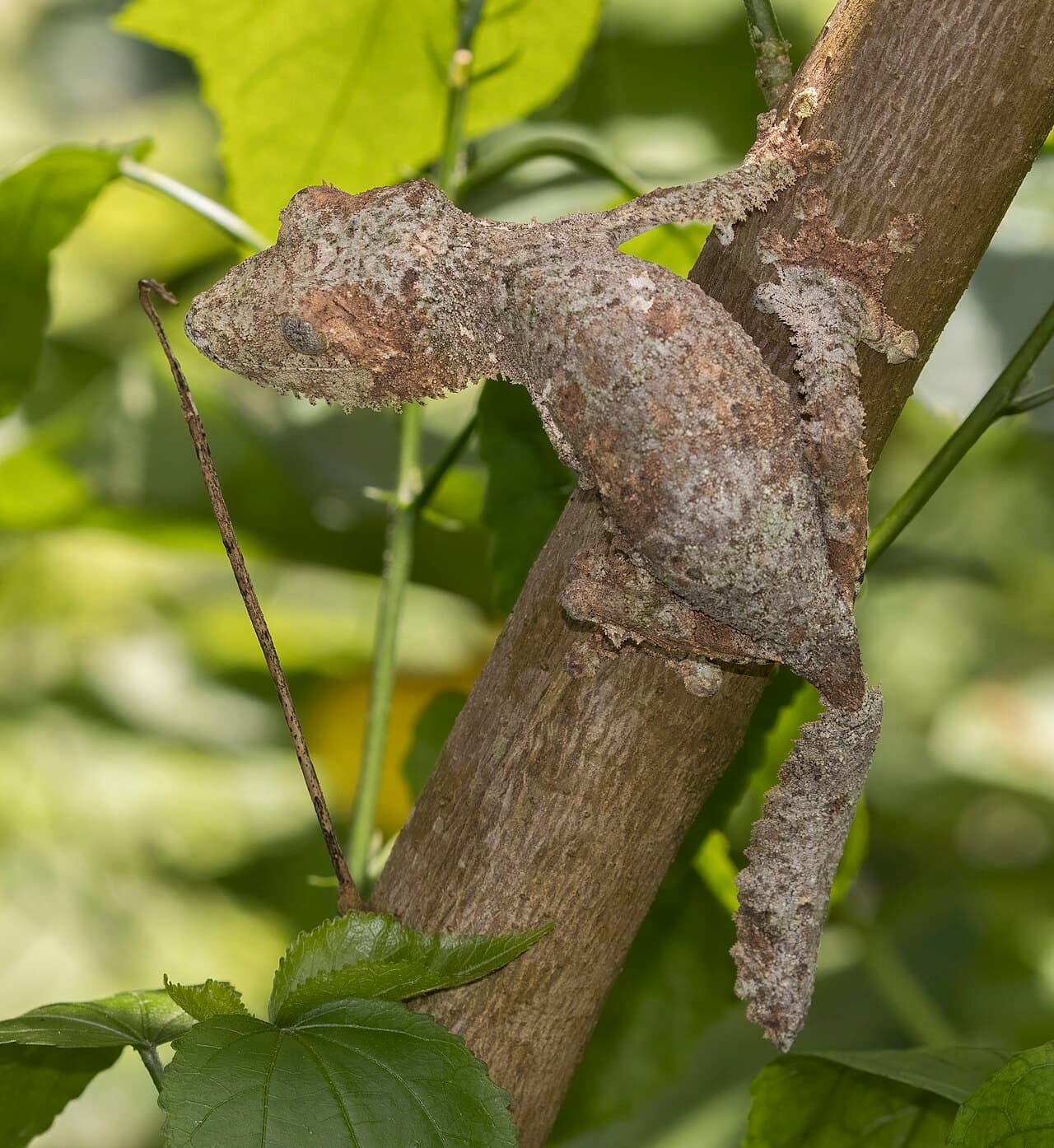
Meet Madagascar's mossy leaf-tailed gecko and explore how its mottled skin, flattened outline, and forest habitat make it so hard to see.
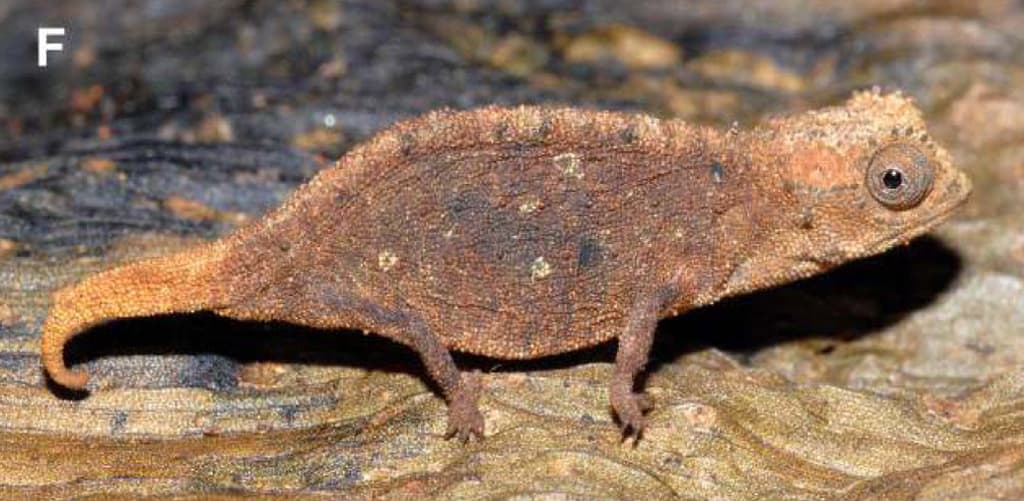
Discover Brookesia micra, the tiny Nosy Hara chameleon whose small size and restricted island habitat reveal a remarkable side of Madagascar.
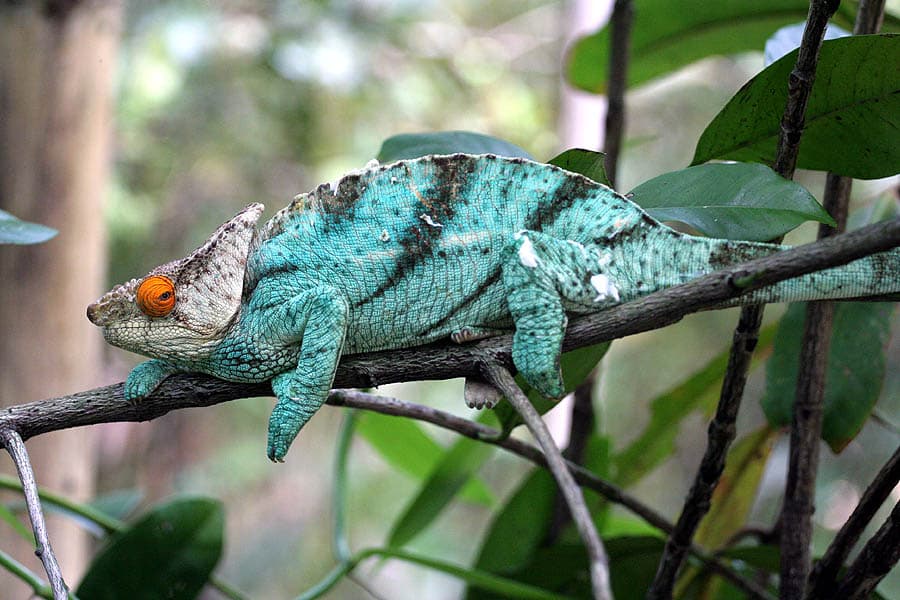
Meet Parson's chameleon, one of the largest chameleons, with gripping feet, a powerful tail, and a life tied to Madagascar's forests.
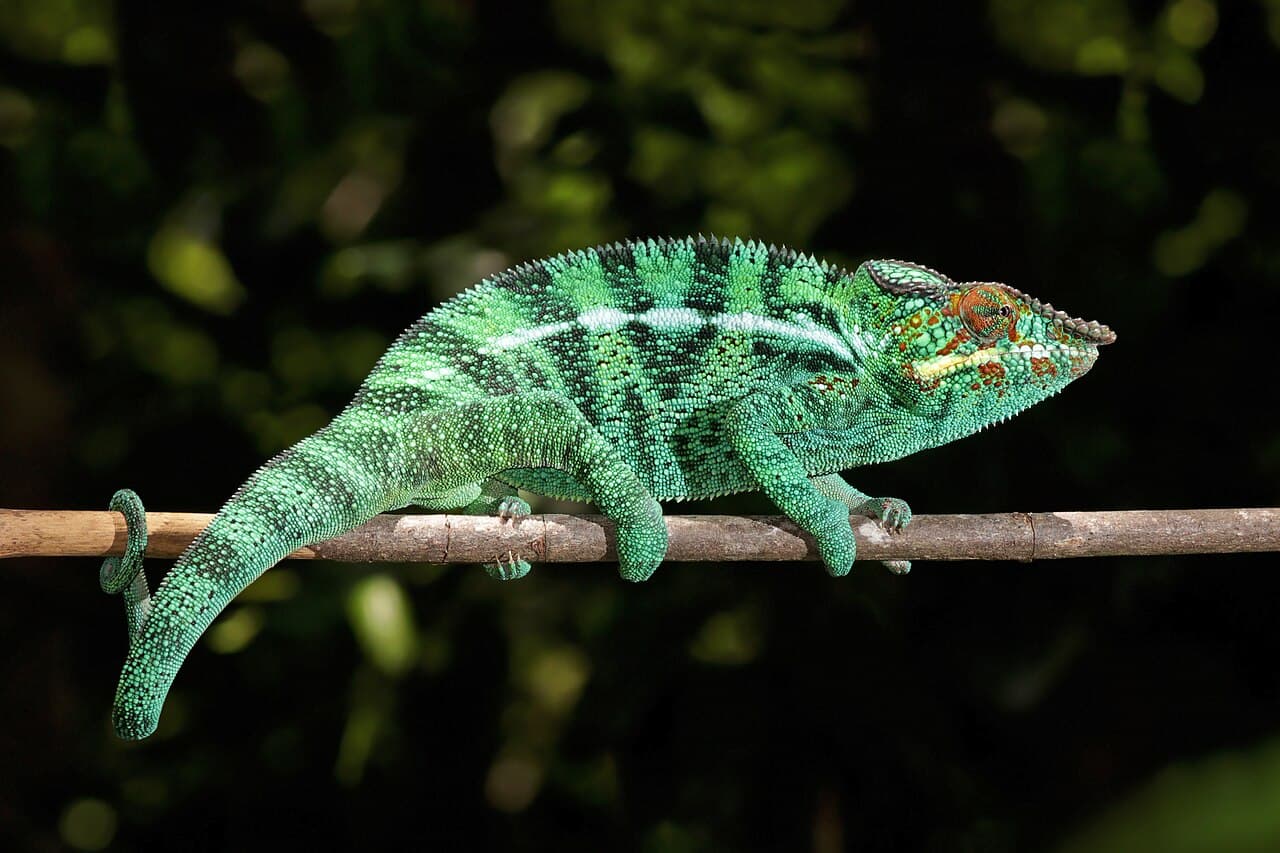
Discover how tiny crystals help panther chameleons change color, why males and females look different, and what their colors can signal.
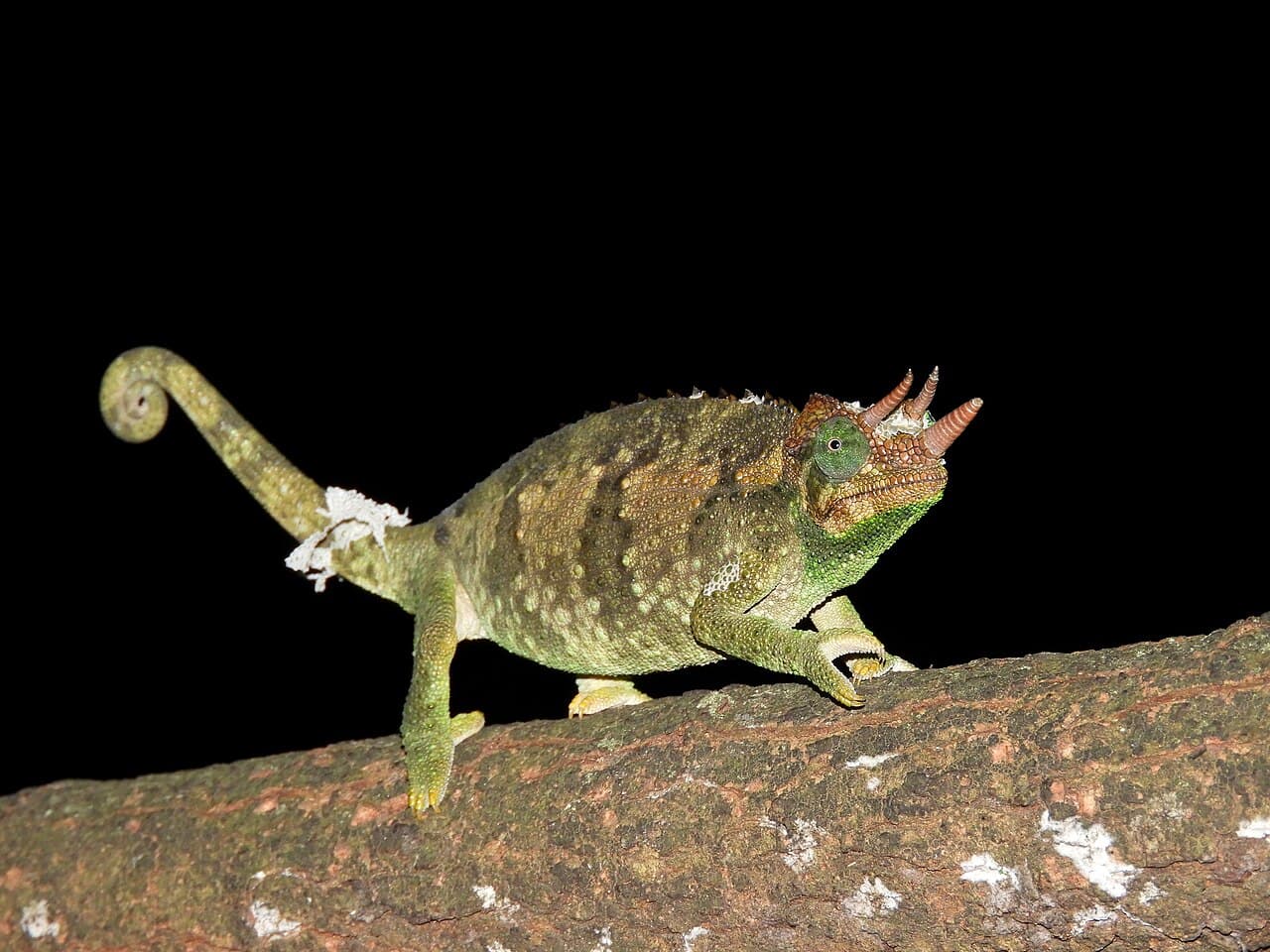
Meet Jackson's chameleon, an East African reptile known for its three-horned males, gripping feet, curled tail, and live-born young.
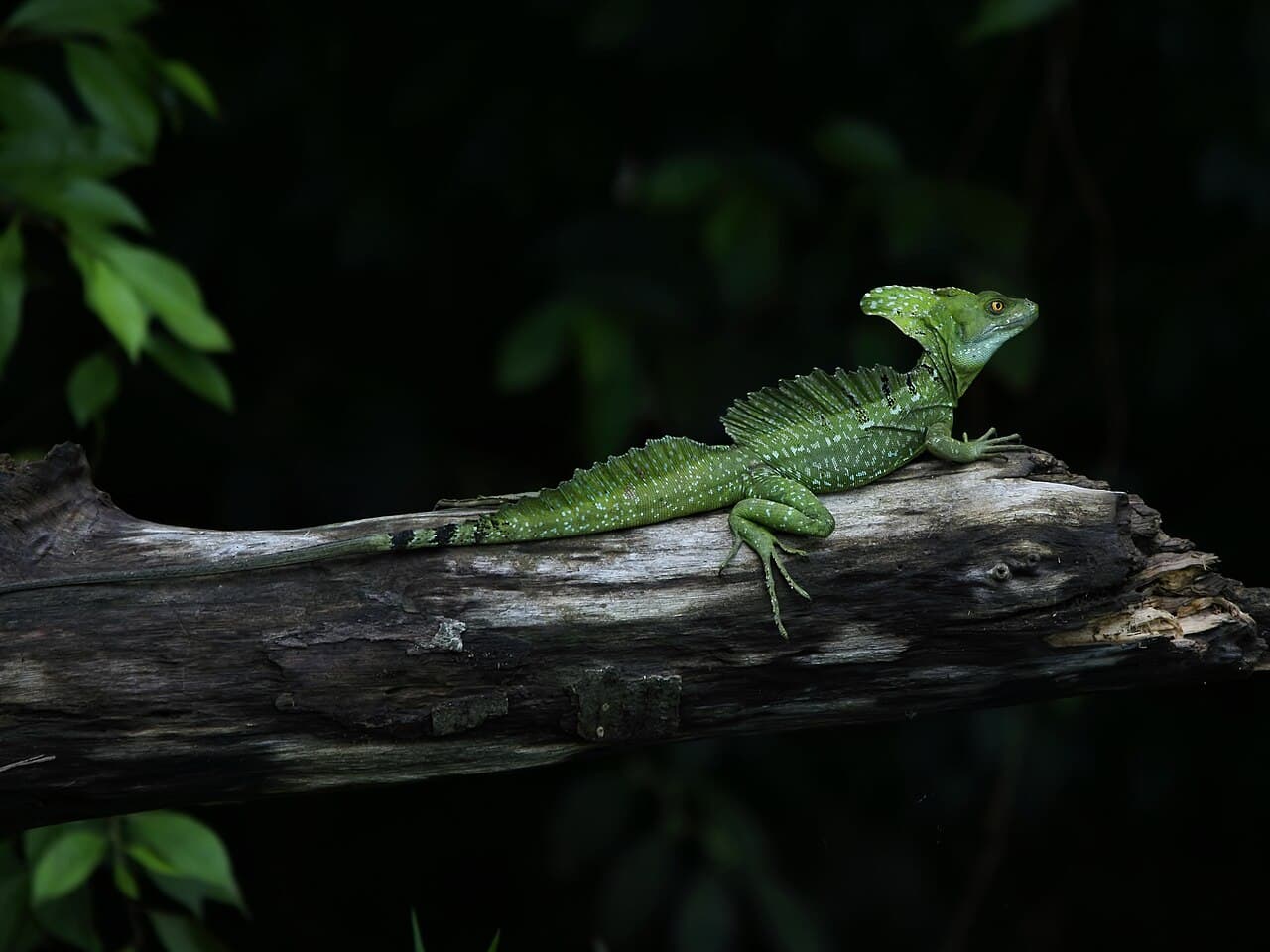
Explore how the plumed basilisk uses fast steps and specialized feet to cross water, and meet the crested lizard behind the famous feat.
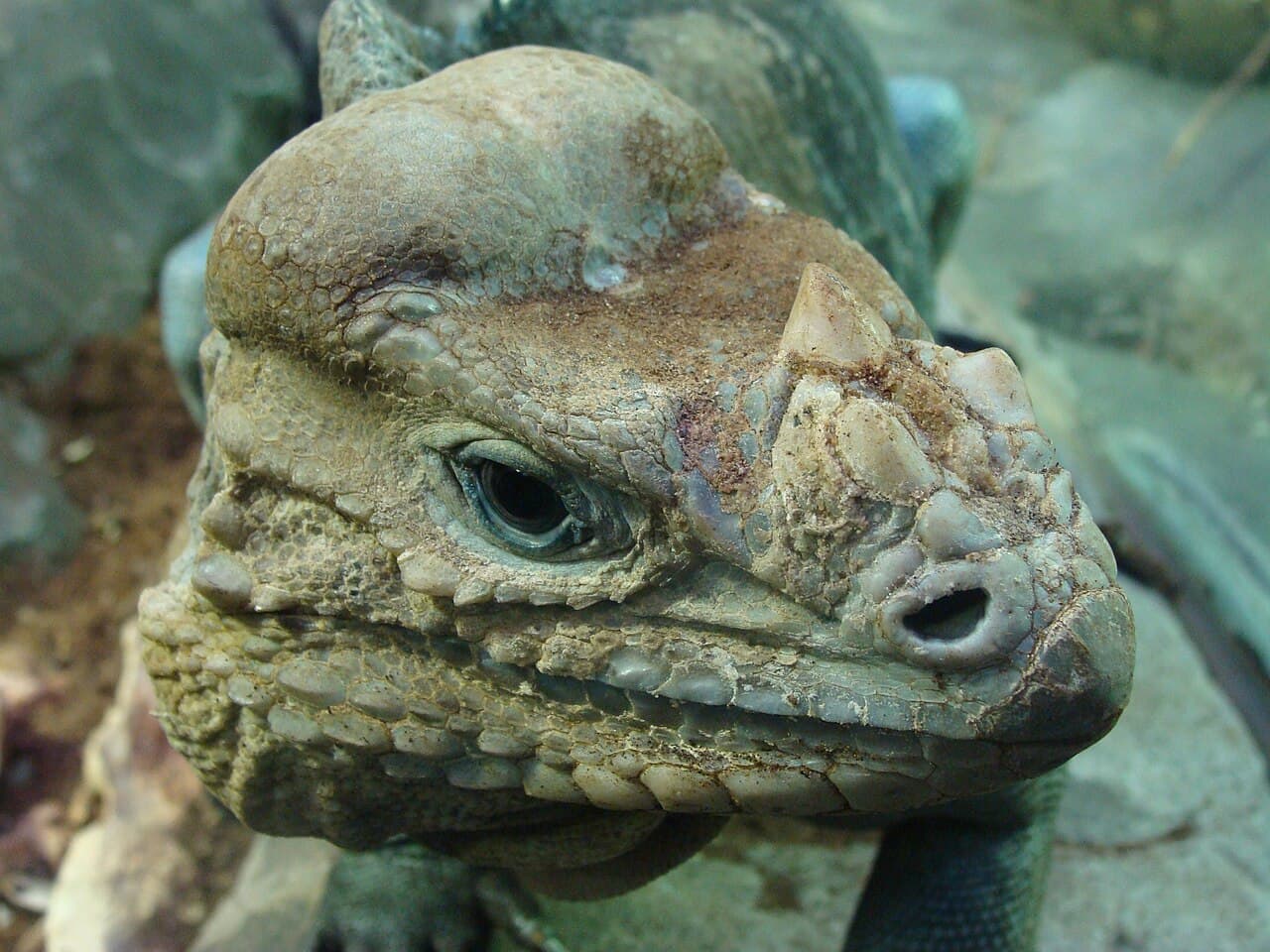
Discover the rhinoceros iguana, a sturdy Caribbean reptile with a horned snout, a largely plant-based diet, and an important island home.
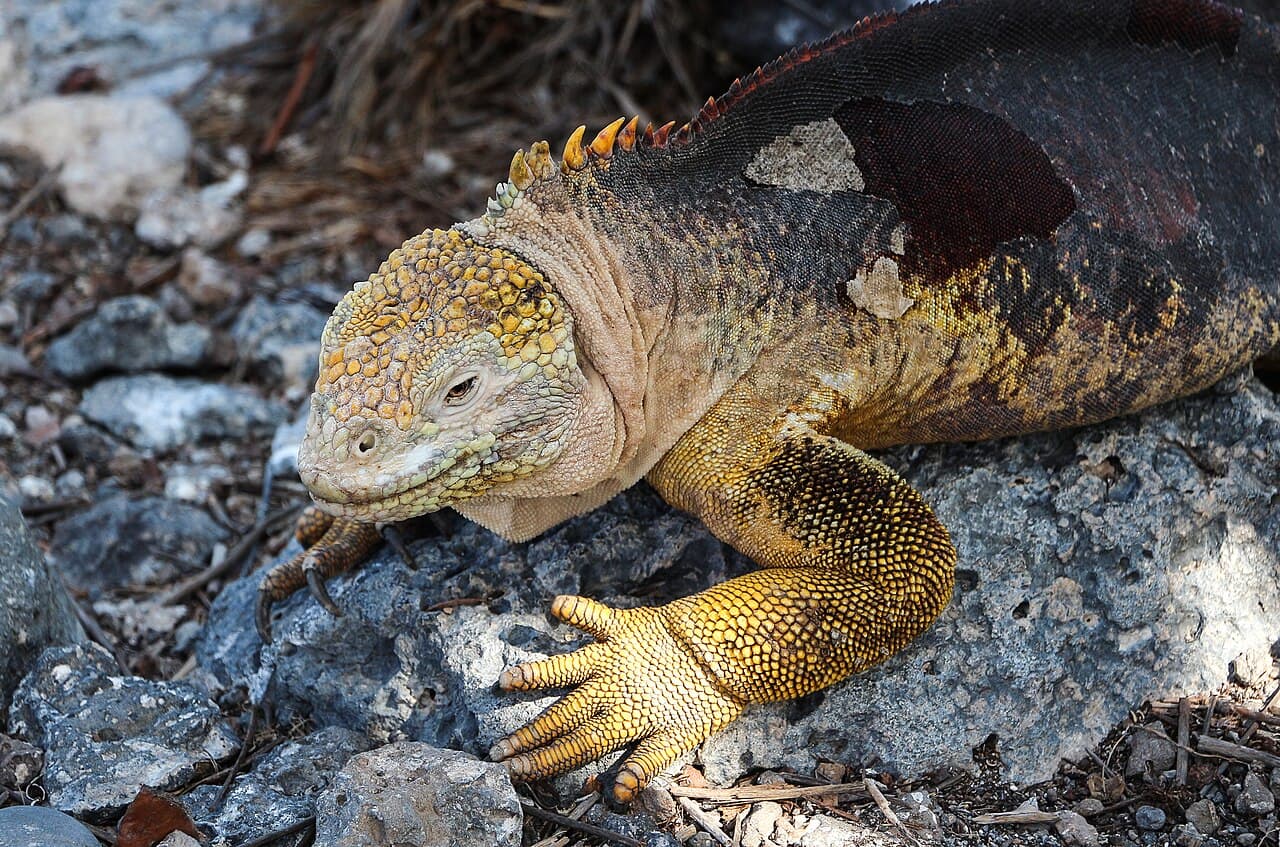
Meet the yellow-brown Galápagos land iguana and learn how cactus food, island habitats, and conservation shape its life.
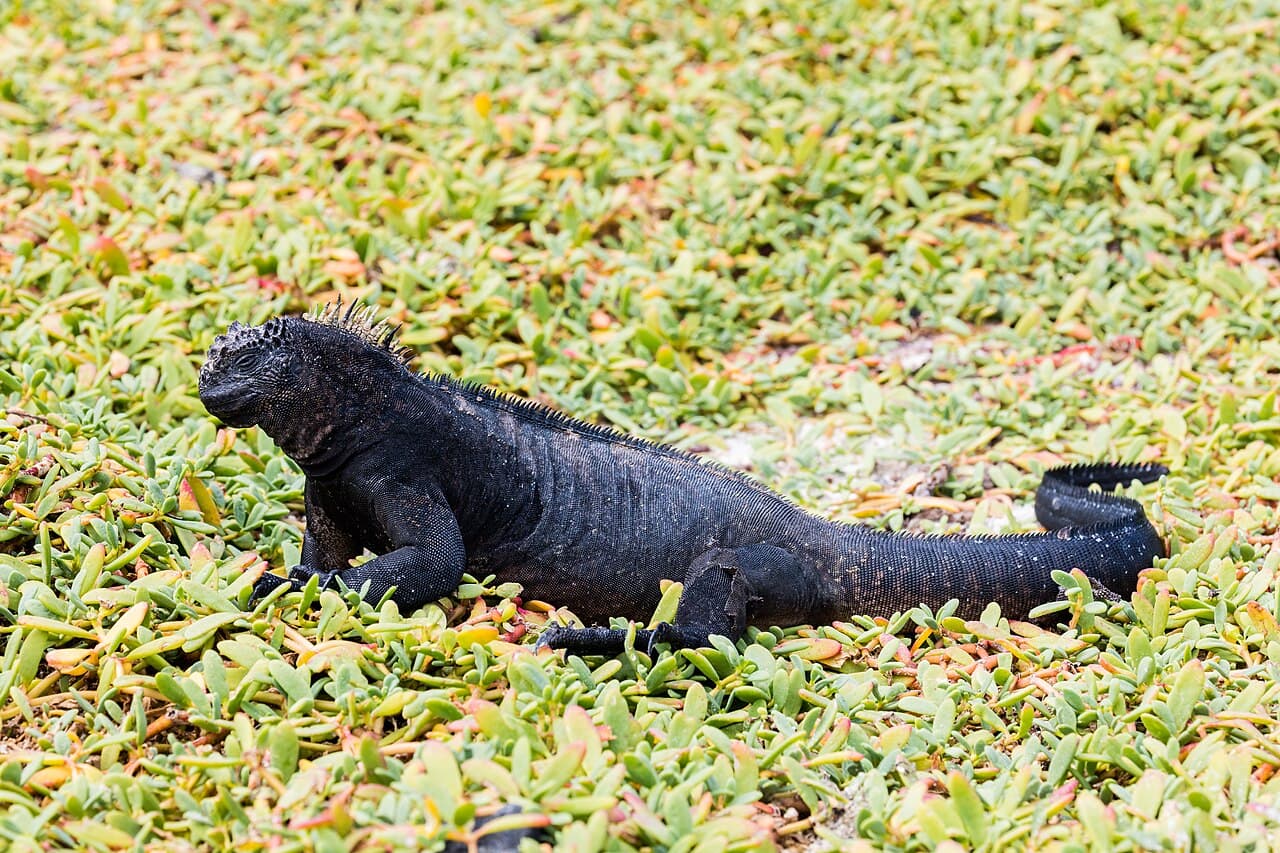
Discover how Galápagos marine iguanas feed on algae, cope with cold seawater, and depend on healthy coastal ecosystems.