The Olinguito Was Hiding in Cloud Forests—and Collections
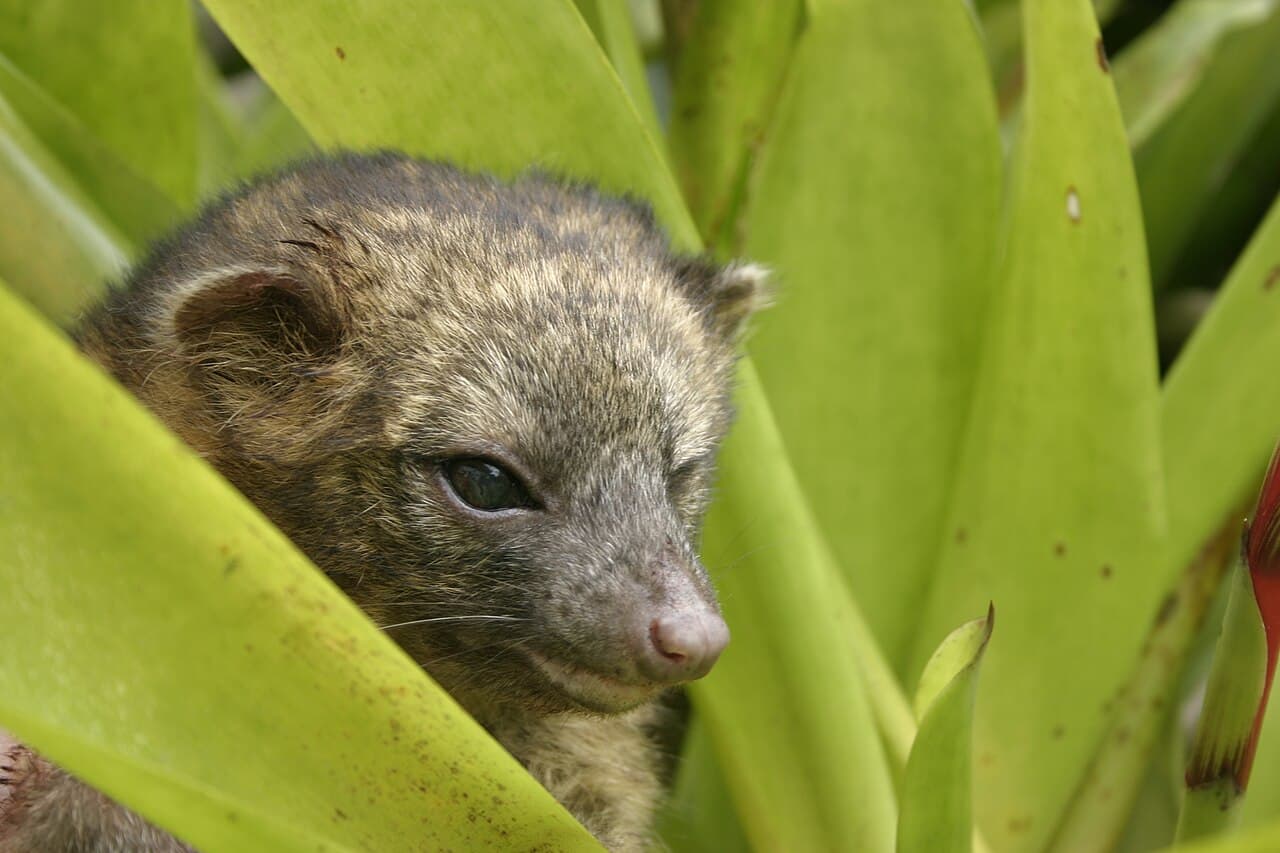
Meet the olinguito, a small Andean raccoon relative recognized through museum research and fieldwork in cloud forests.
Meet the olinguito, a small Andean raccoon relative recognized through museum research and fieldwork in cloud forests.
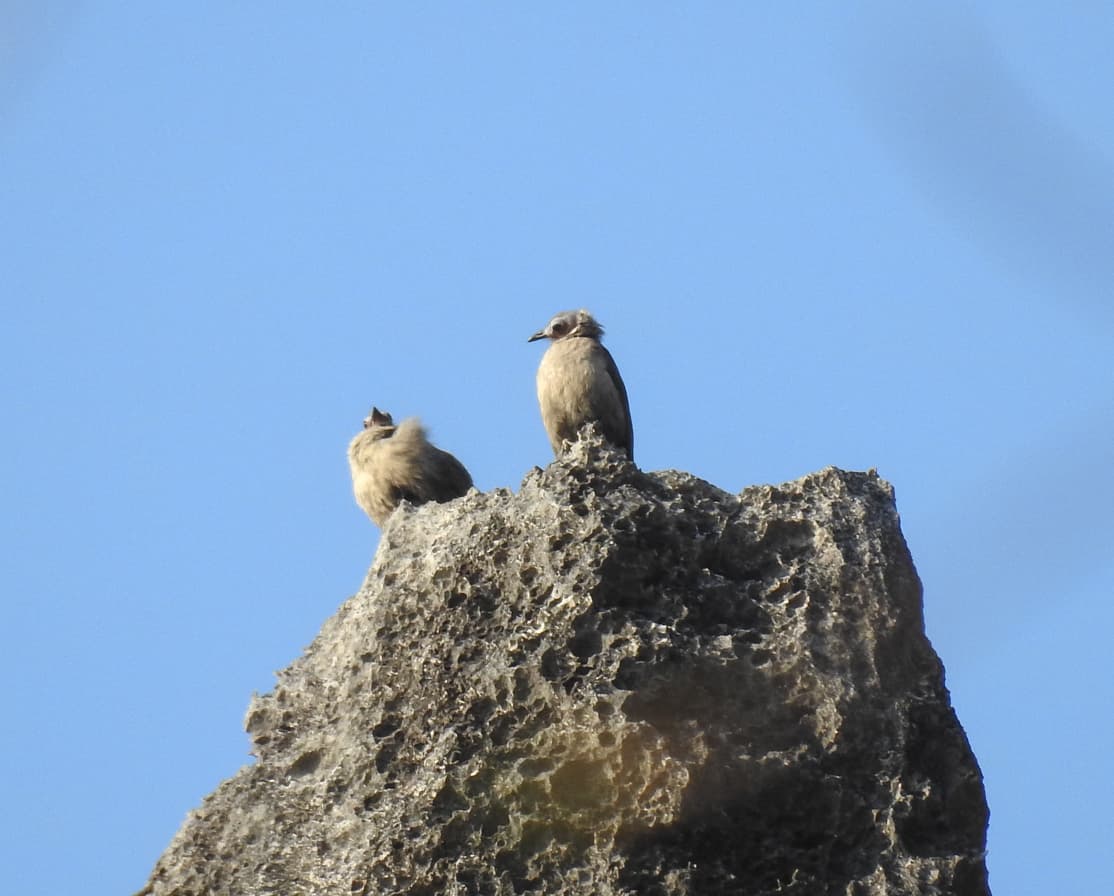
Meet the bare-faced bulbul of Laos, a songbird with exposed head skin and a close connection to rugged limestone habitat.
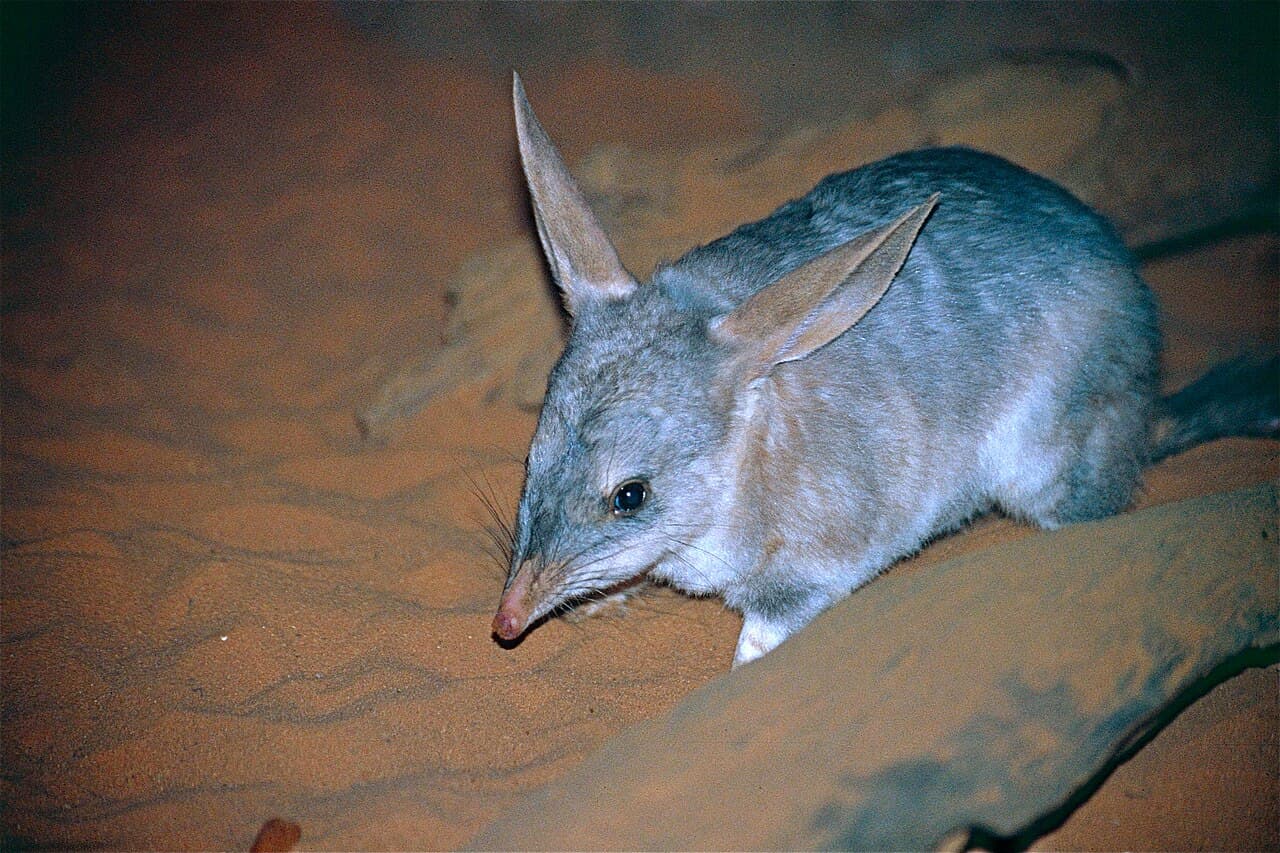
The greater bilby digs for food and shelter. Explore how this long-eared marsupial changes soil and creates opportunities for other desert life.
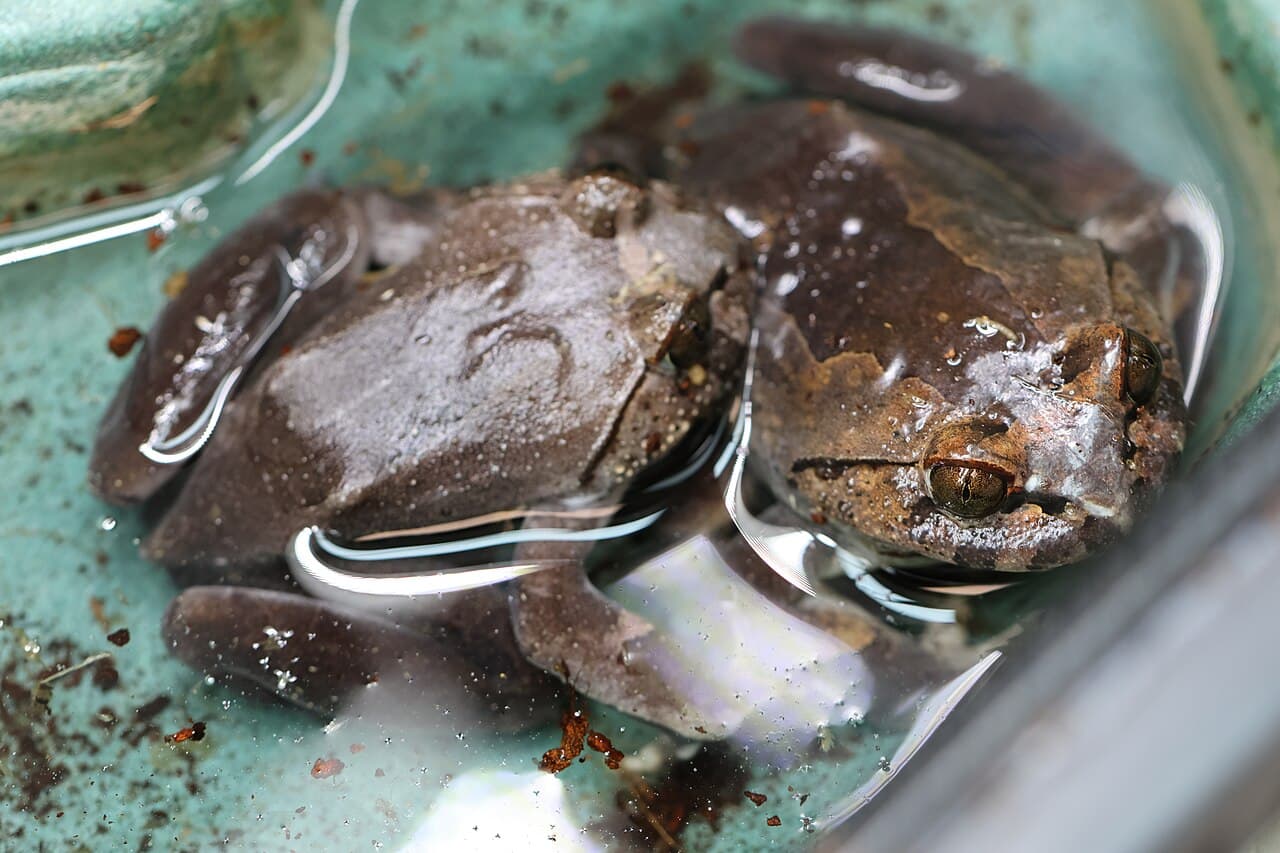
The hairy frog has a remarkable bone-based defense. Discover what its concealed toe structures do—and why its so-called hair is not fur.
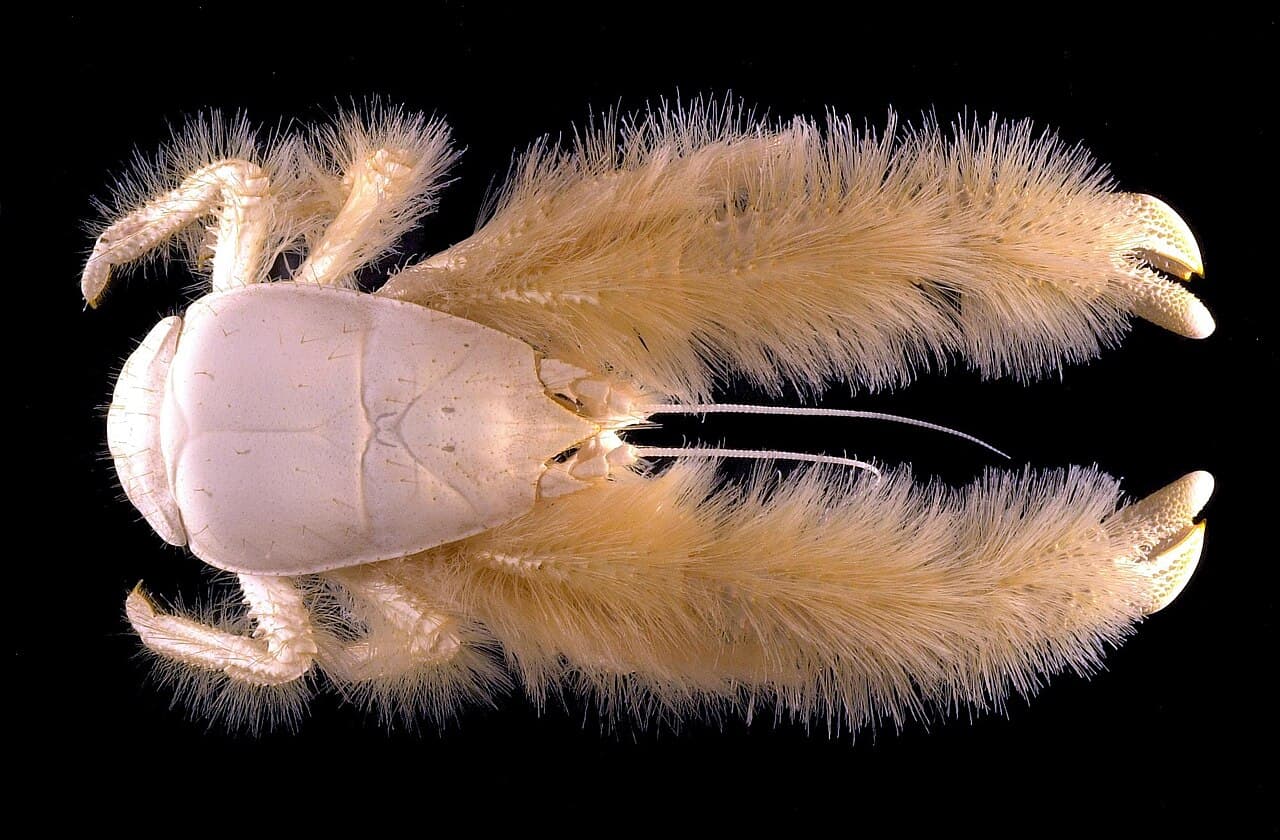
Discover Kiwa hirsuta, the pale deep-sea yeti crab whose bristled claws support bacteria near hydrothermal vents.
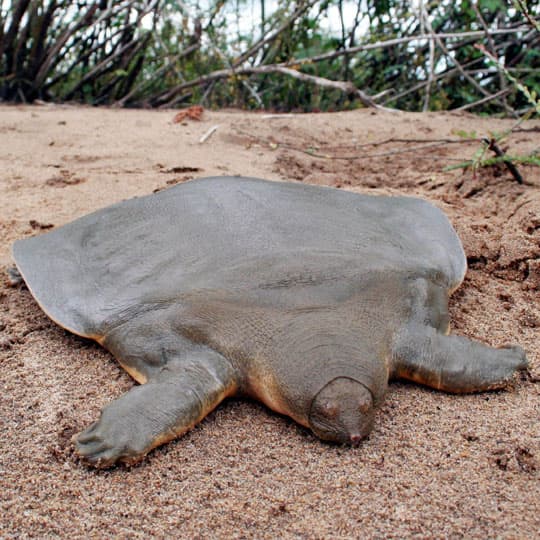
Meet Cantor's giant softshell turtle, a broad, flat aquatic reptile whose hidden river life makes community knowledge valuable for conservation.
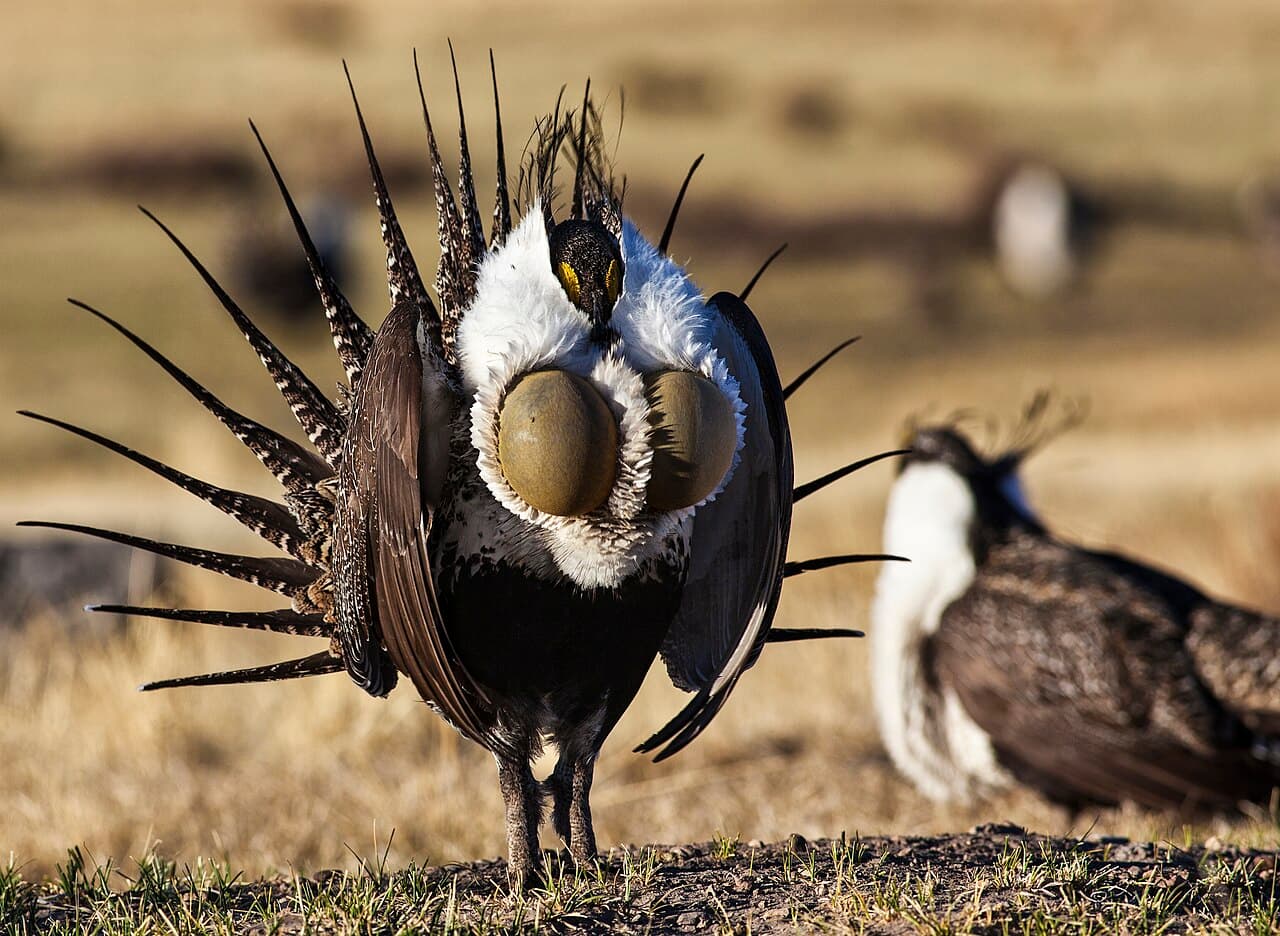
Explore the greater sage-grouse's inflated yellow sacs, starburst tail, and dawn displays—and the sagebrush habitat that supports the performance.
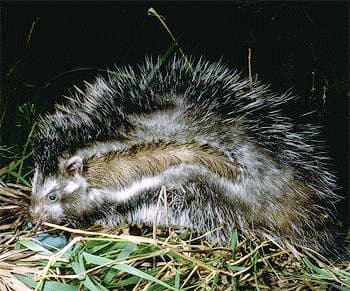
The African crested rat applies plant toxins to specialized hairs. Discover the unusual defensive coat and the research behind this remarkable behavior.
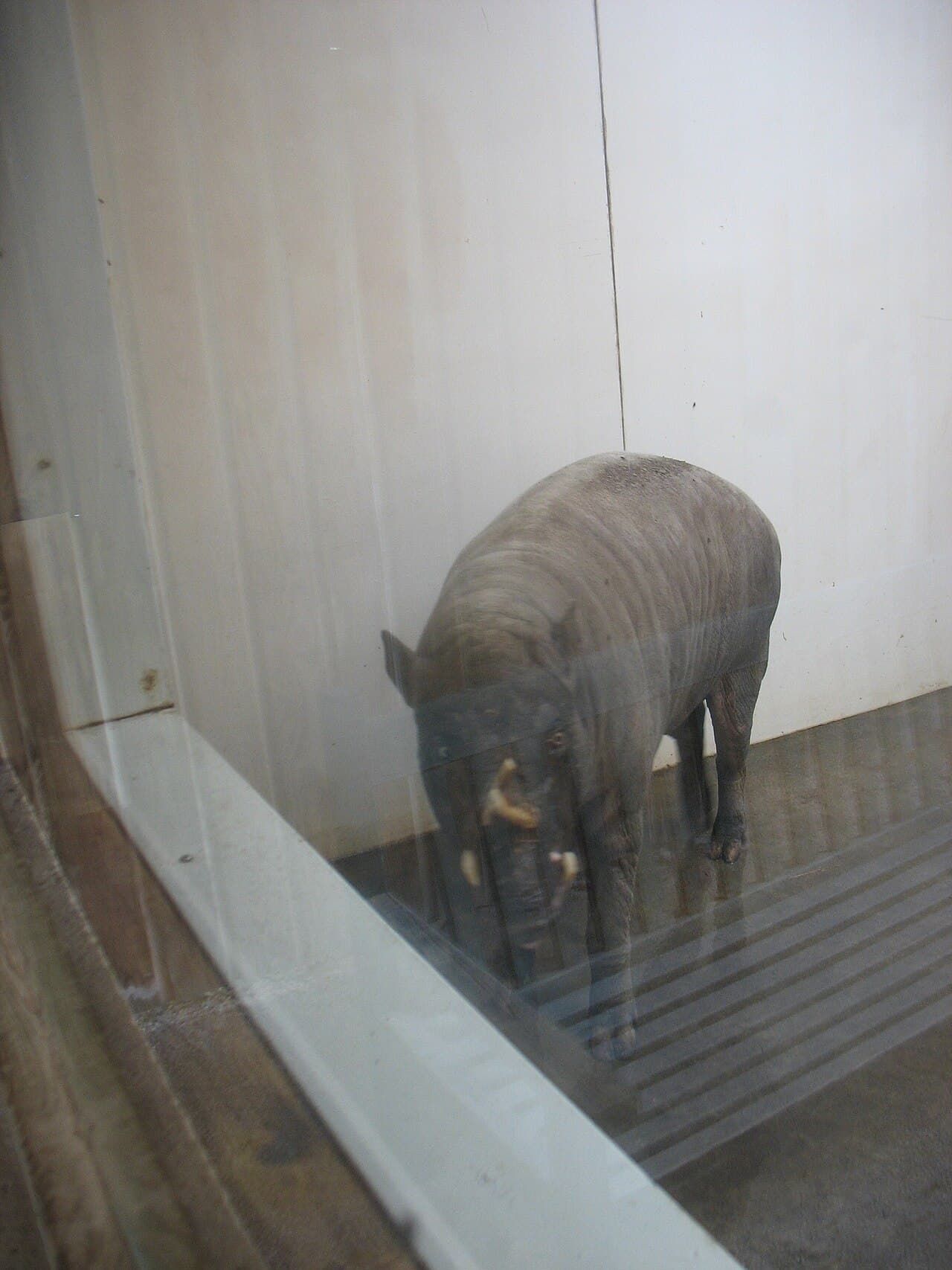
The North Sulawesi babirusa has extraordinary upper canine teeth. Discover how male tusks grow and why their function is not a simple story.
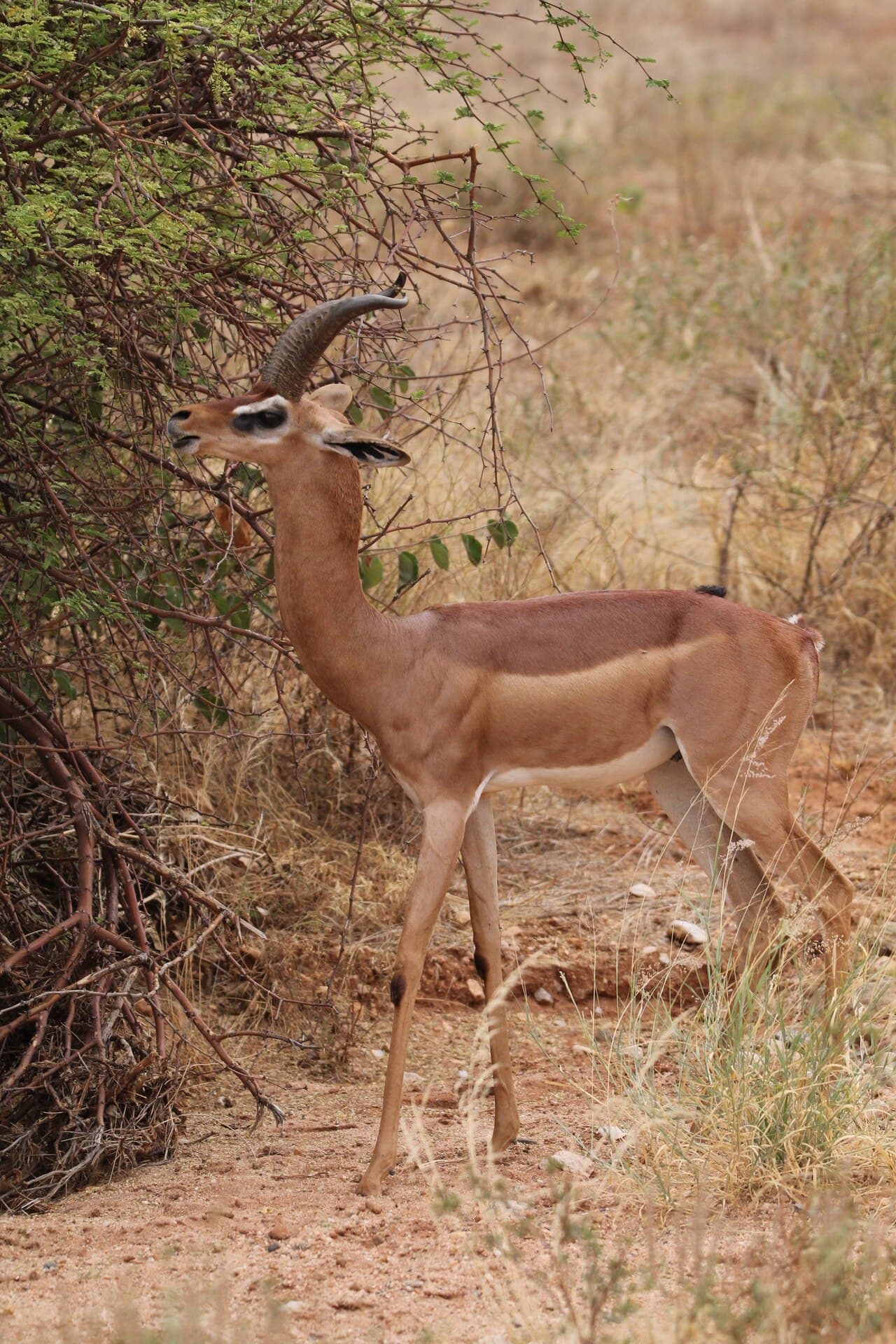
A gerenuk can stand upright to reach leaves beyond other browsers. Explore the long neck, balance, and dry-country feeding behind the pose.
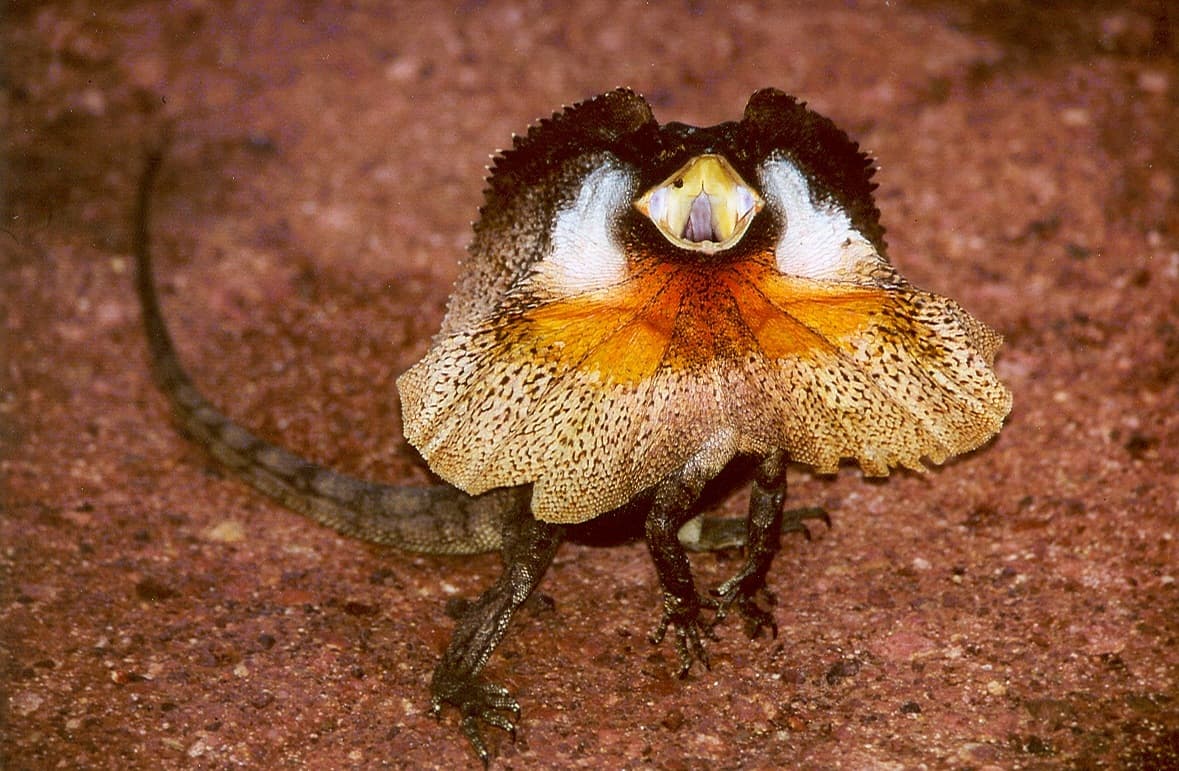
The frilled-neck lizard usually folds its neck frill away. Discover how a sudden display changes its outline and helps it respond to threats.
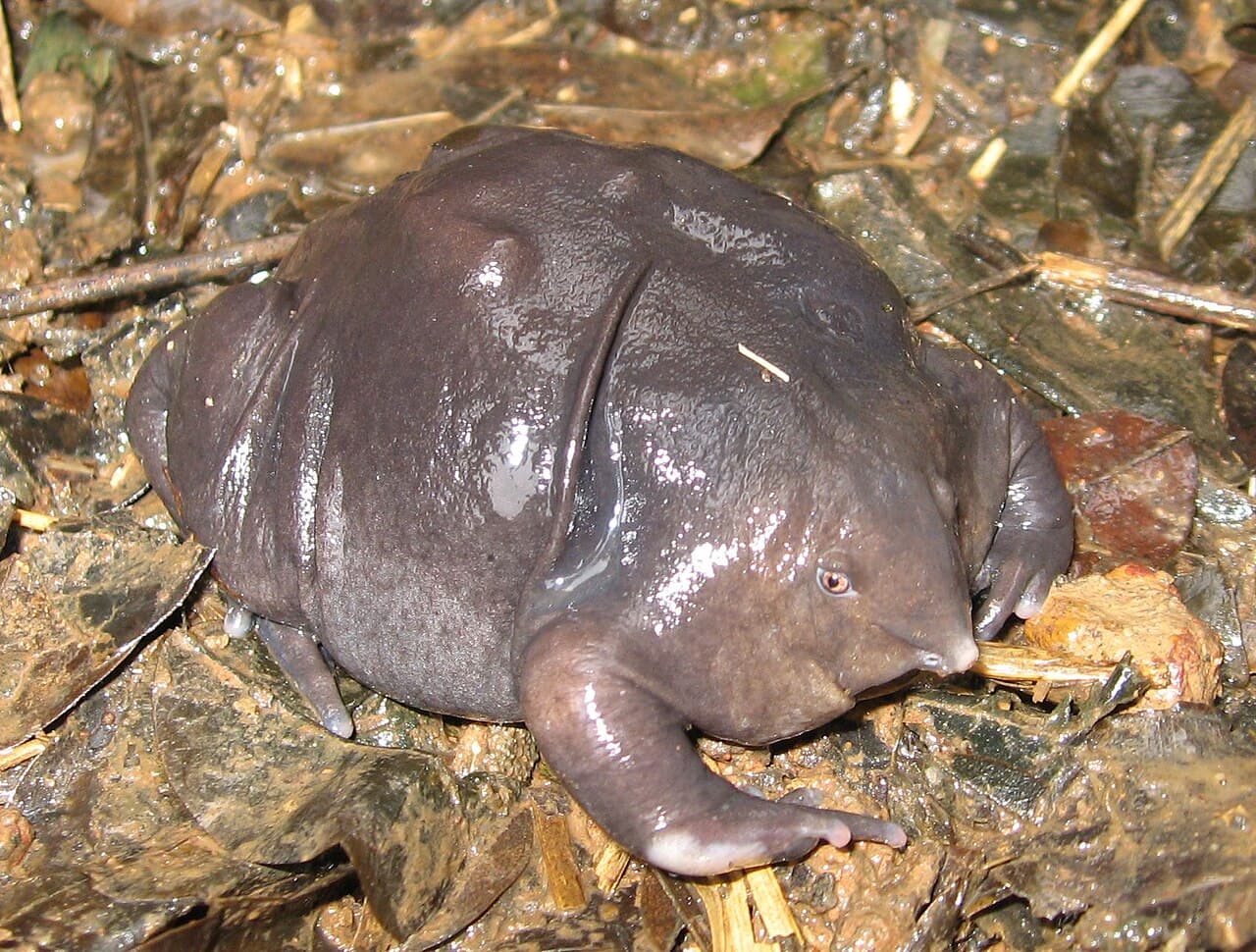
India's purple frog spends much of its life below ground. Discover its unusual body, brief breeding emergence, and rock-clinging tadpoles.
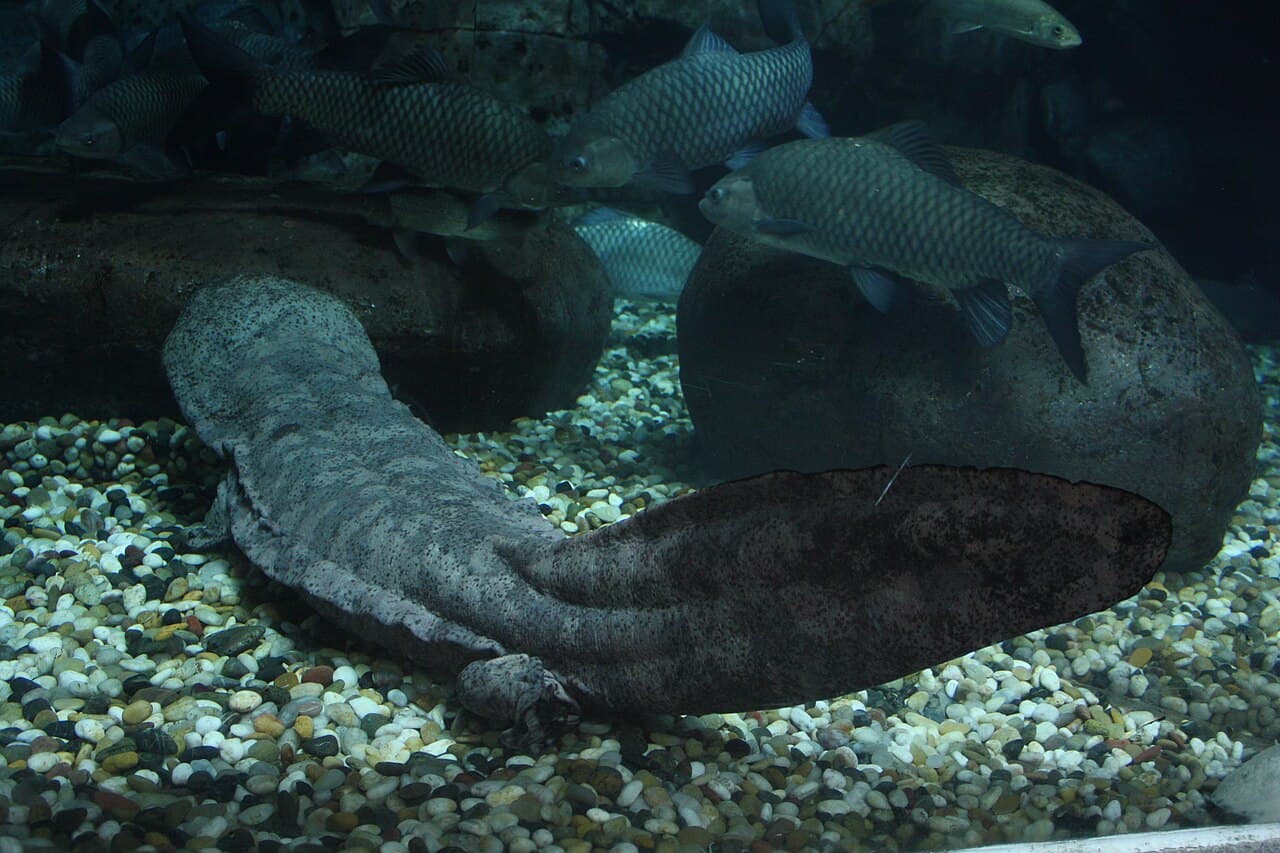
Chinese giant salamanders are enormous amphibians, but research reveals several distinct species—and shows why identity matters for conservation.
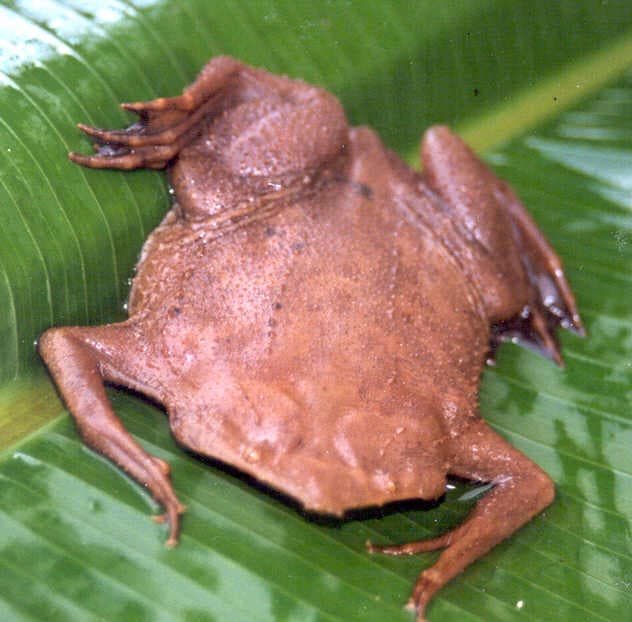
Discover the Surinam toad's extraordinary breeding system, in which eggs become embedded in the female's back and young emerge as small toadlets.
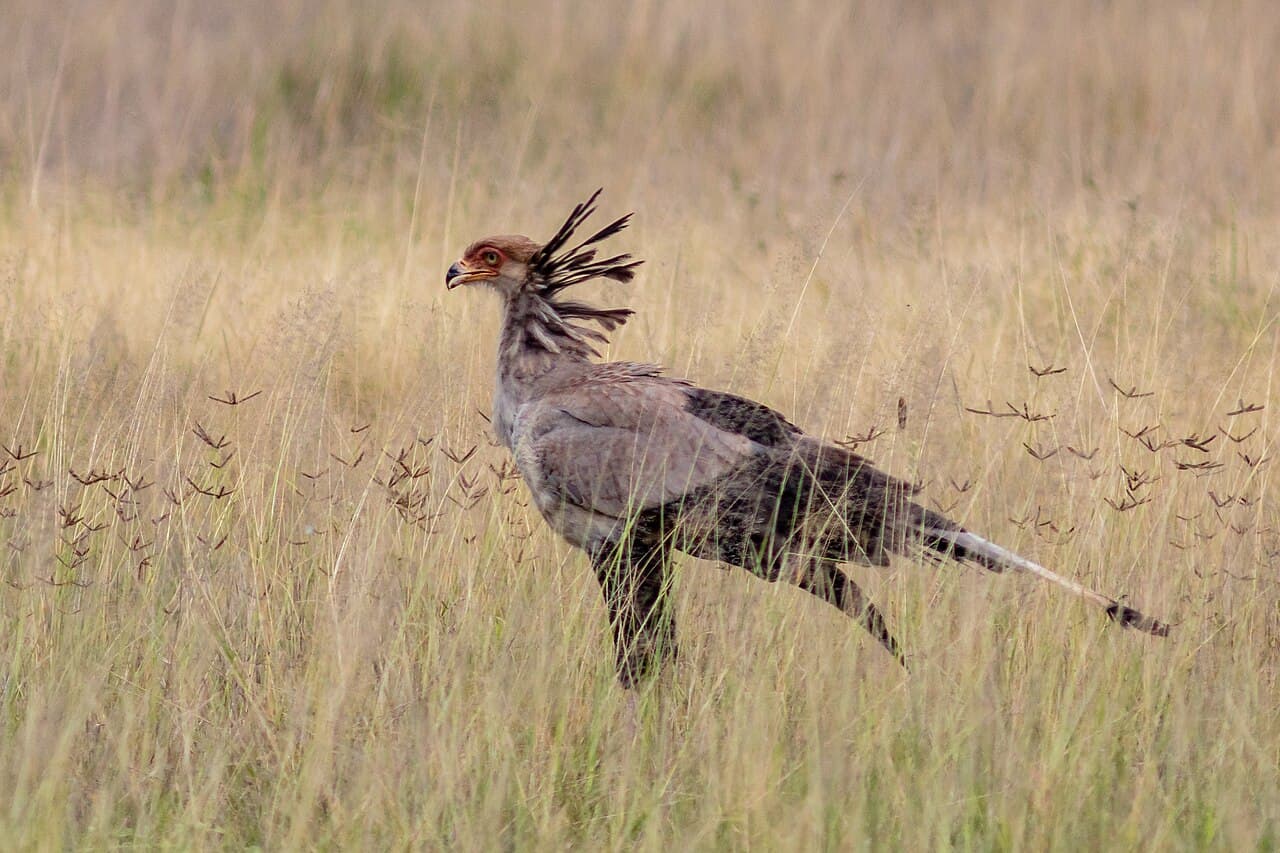
The secretary bird is a raptor that hunts largely on foot. Discover how its long legs deliver rapid strikes and why grassland habitat matters.
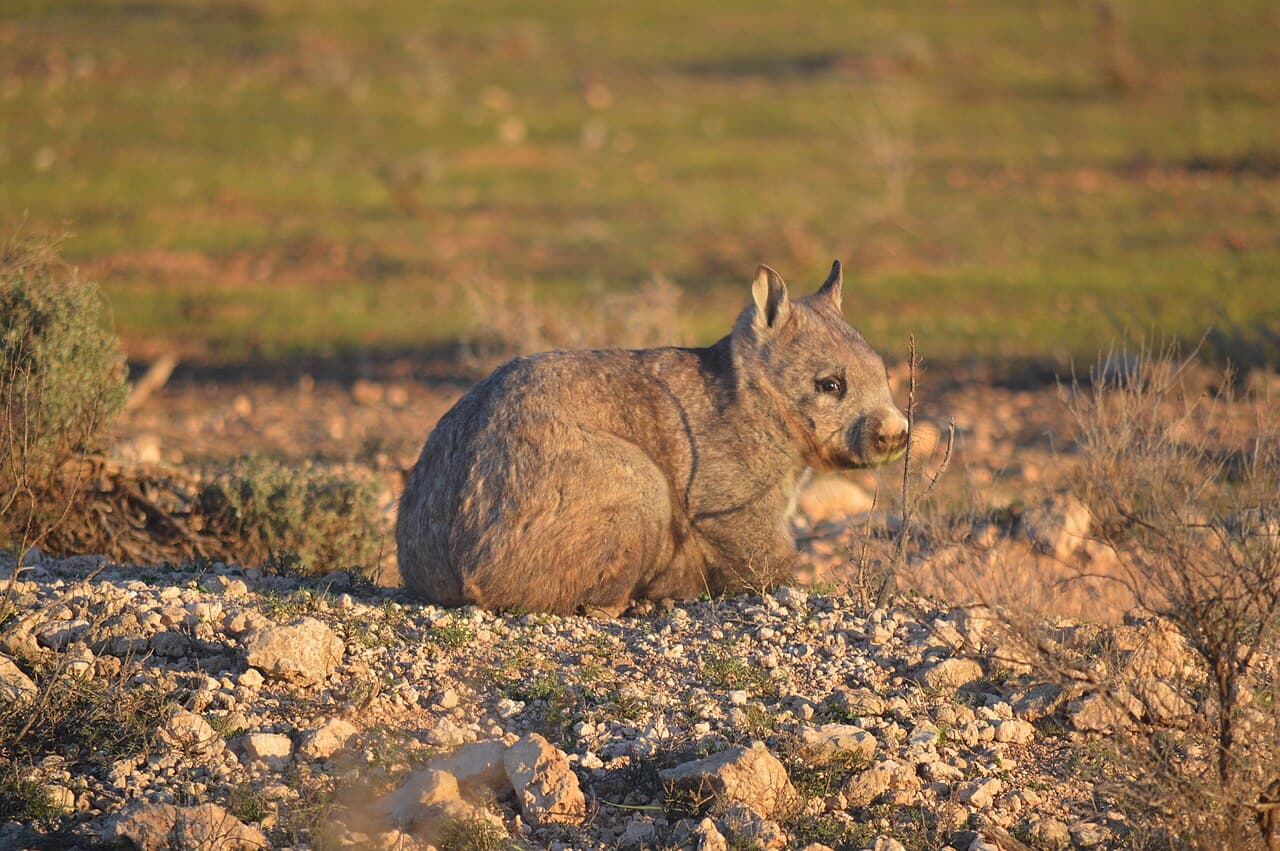
Explore the southern hairy-nosed wombat's powerful digging, shared warrens, and dry-country life, with a careful look at the famous cube-poo claim.
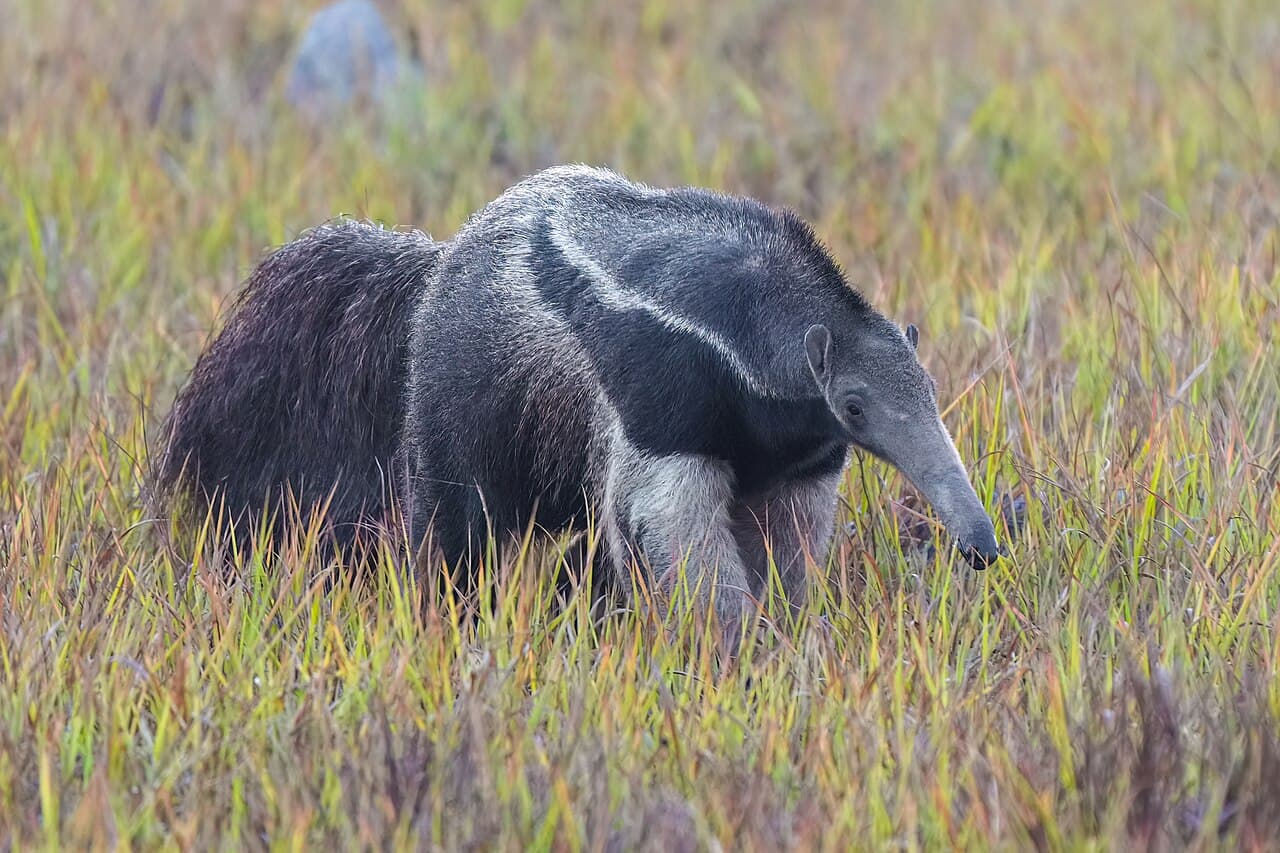
Discover how the giant anteater's long tongue, powerful claws, and specialized snout help it feed on tiny prey across Central and South America.
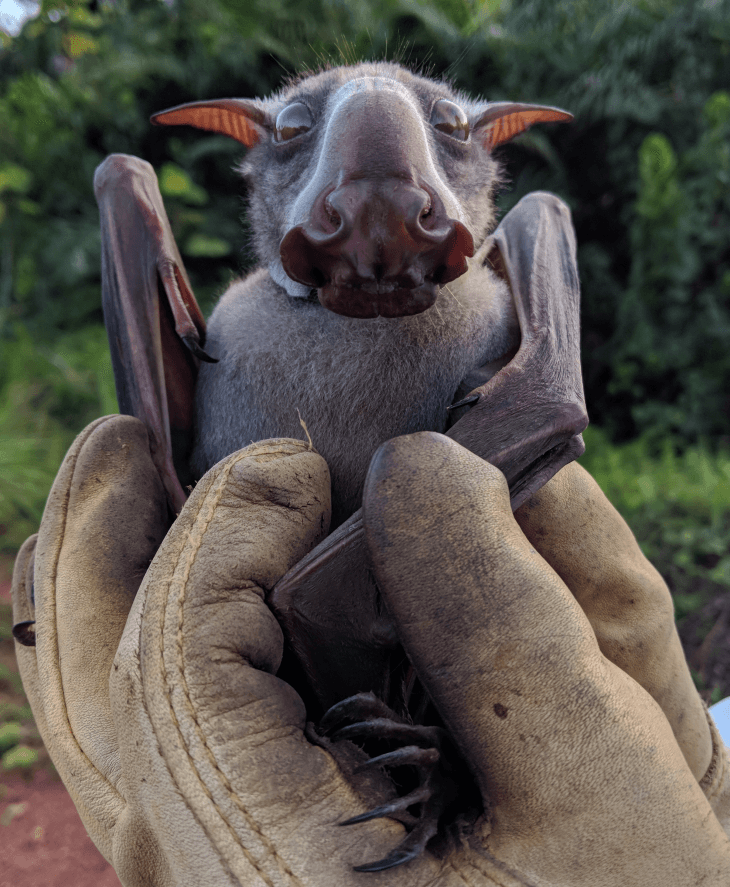
Male hammer-headed bats have enlarged faces and vocal structures for courtship. Discover the fruit-eating mammal behind their extraordinary appearance.
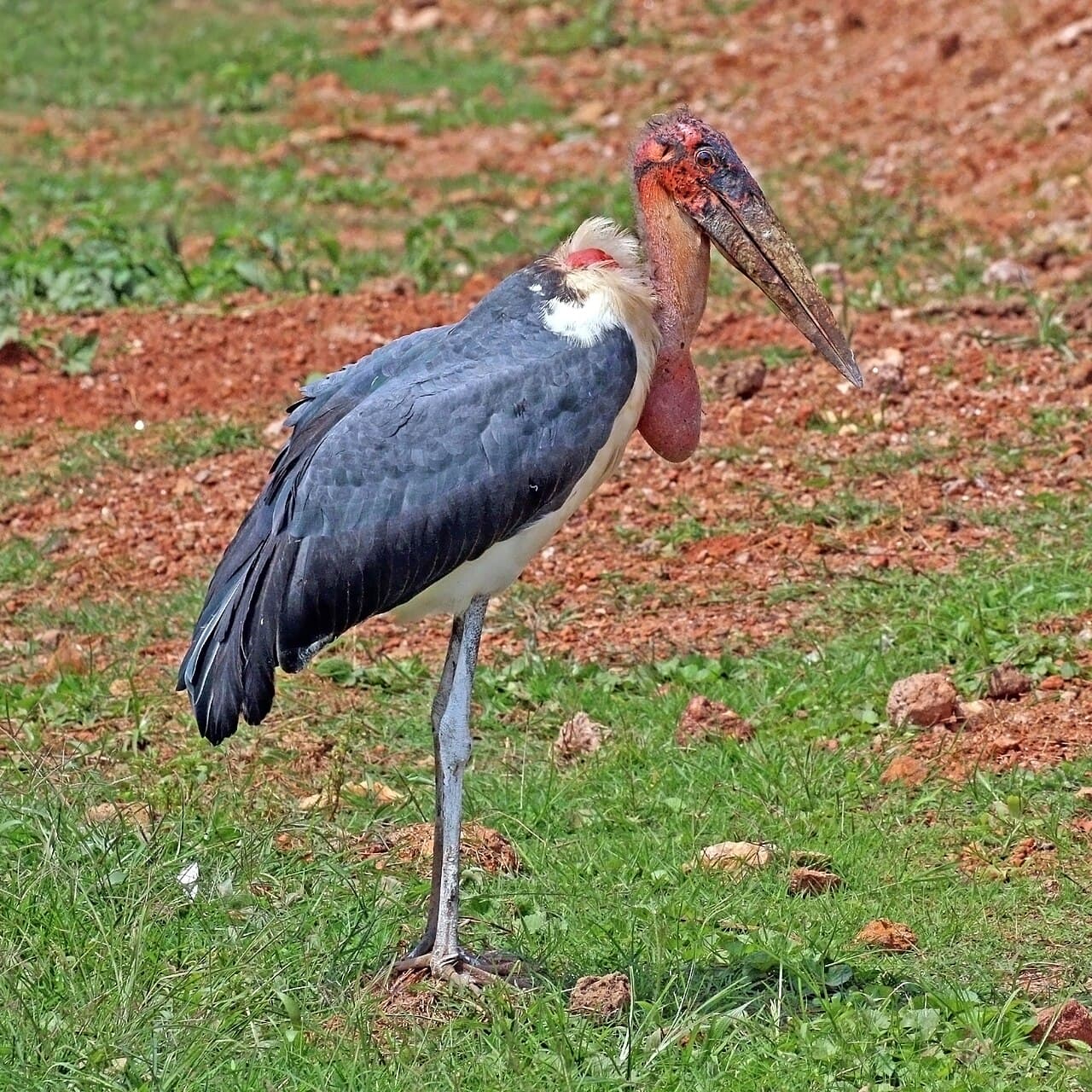
Explore the marabou stork's bare head, large bill, and throat pouch—and the ecological value of a bird that helps consume animal remains.
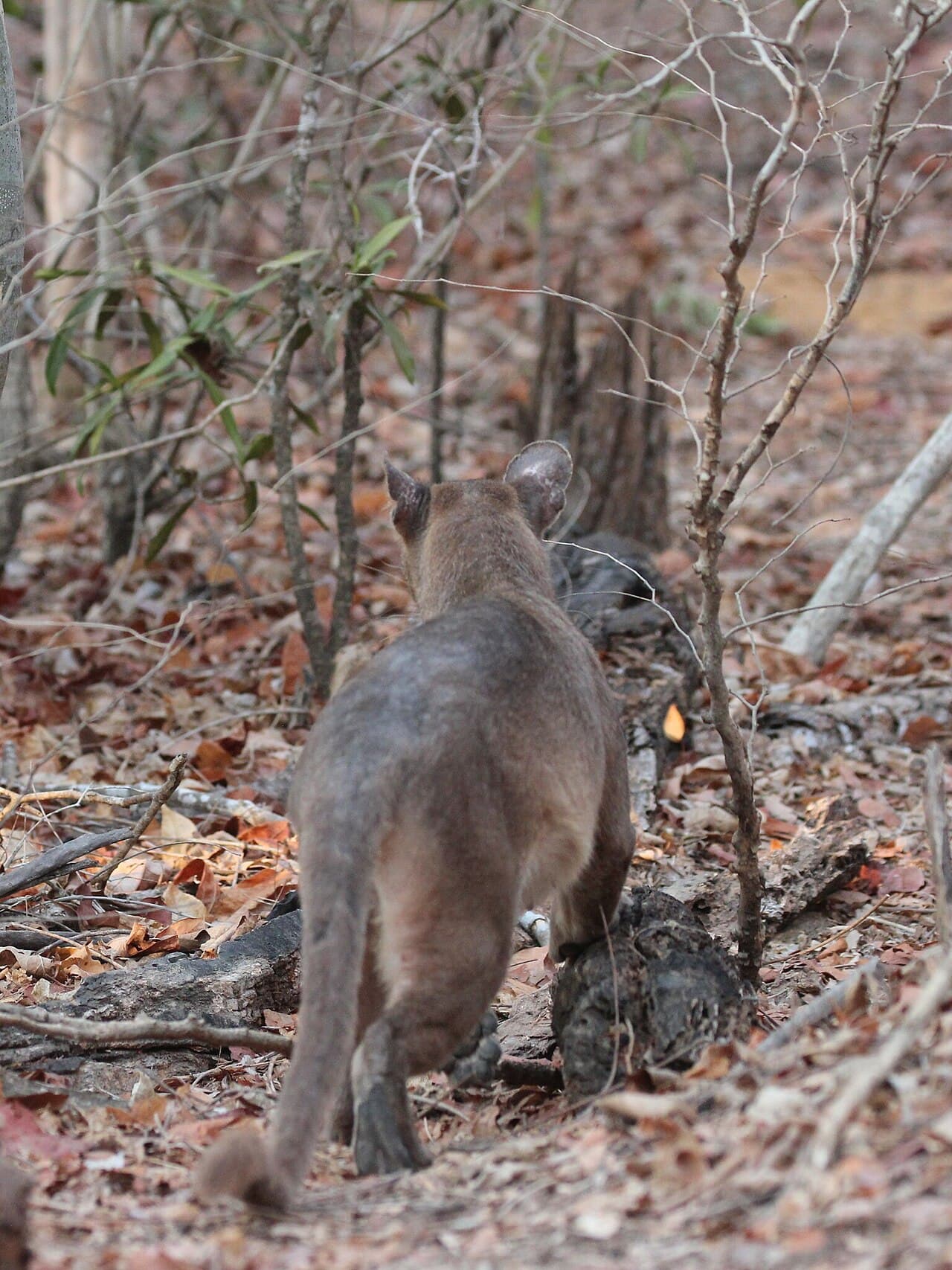
Madagascar's fossa looks catlike, but it belongs to another carnivore family. Explore the claws, ankles, and balancing tail behind its climbing skills.
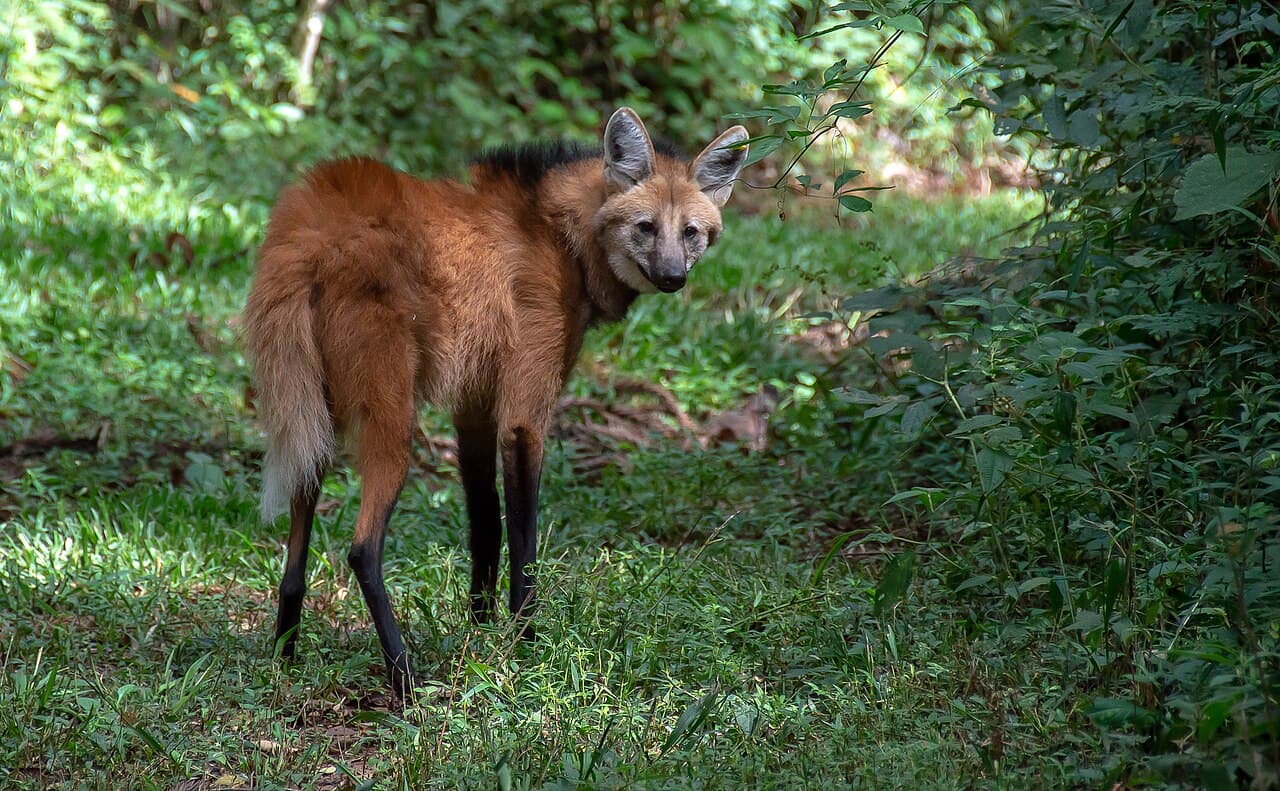
The maned wolf looks like a fox on stilts, but its identity and fruit-rich diet reveal a distinctive South American wild canid.
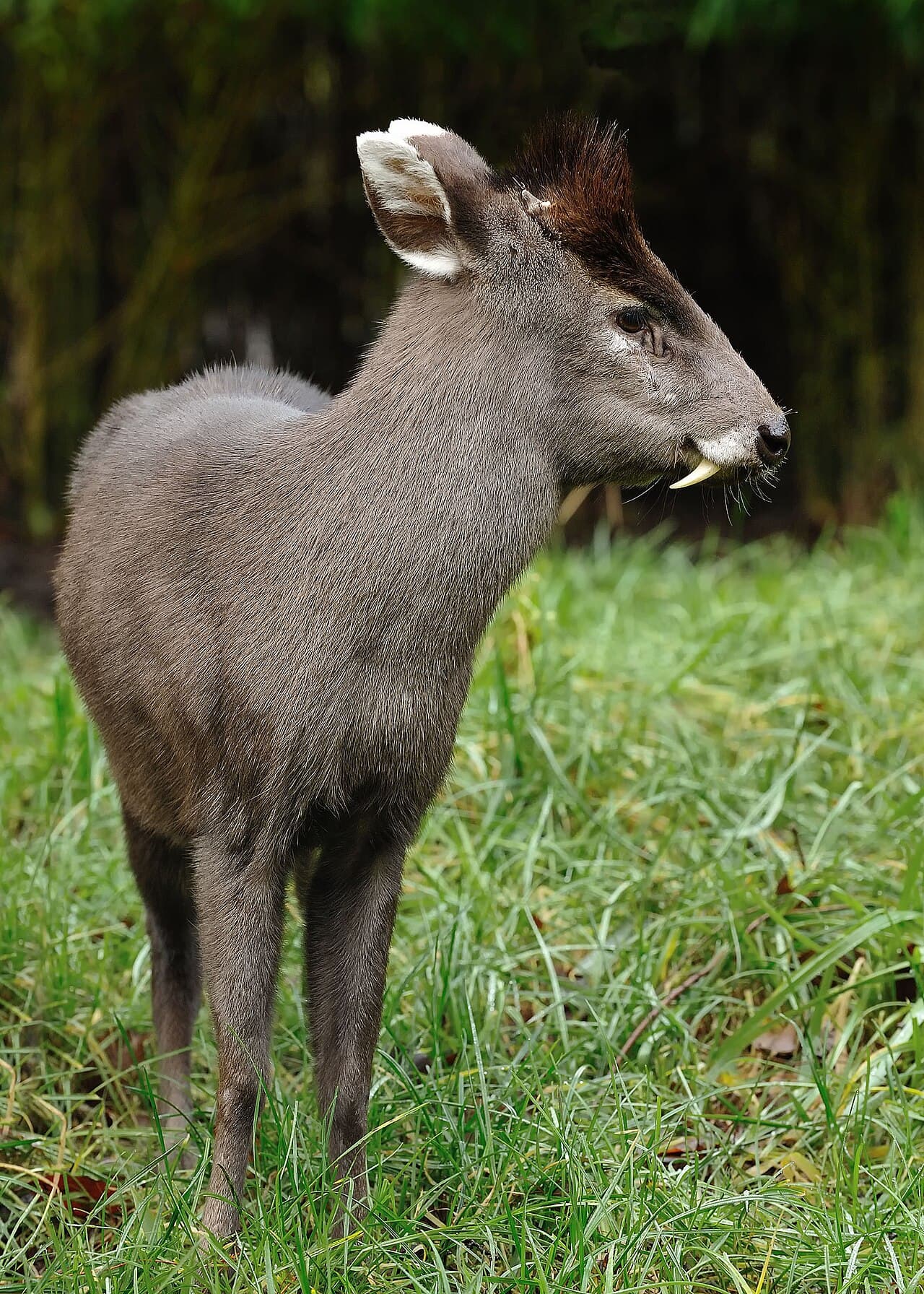
Male tufted deer have enlarged canine teeth beneath a distinctive forehead tuft. Explore this small forest deer's surprising anatomy and quiet life.
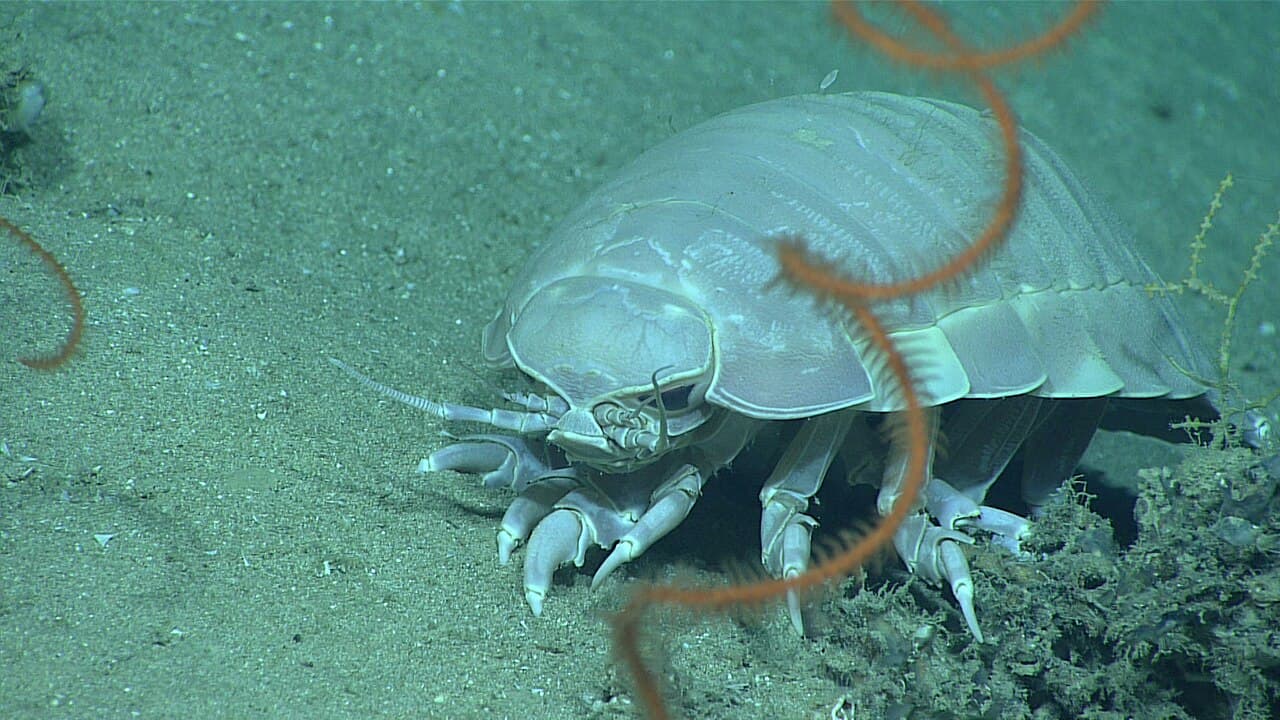
Discover the armored body, antennae, and seafloor feeding of giant isopods, deep-sea crustaceans related to the woodlice found on land.
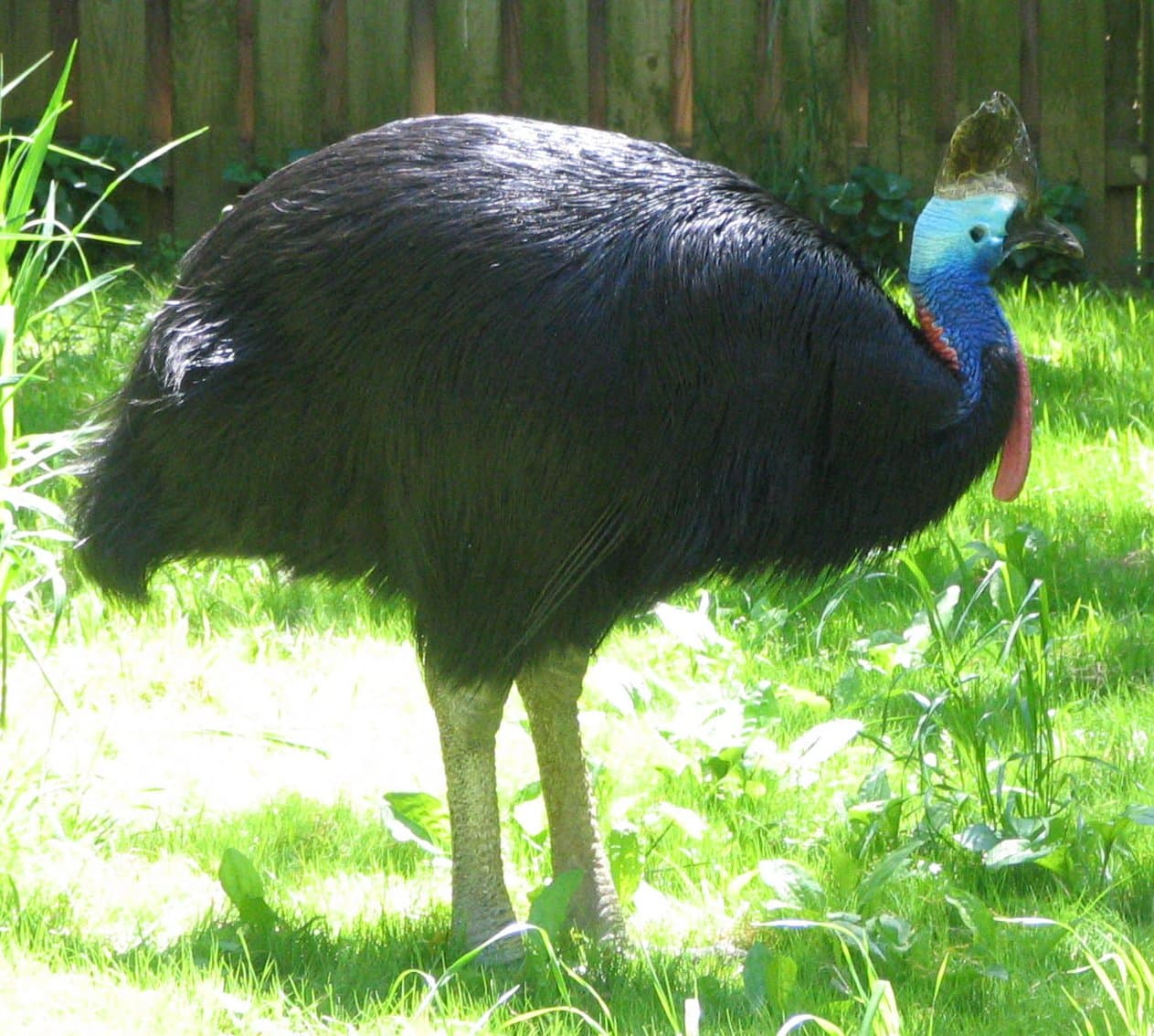
Meet the southern cassowary, a flightless rainforest bird whose casque catches attention and whose fruit meals help move seeds through the forest.