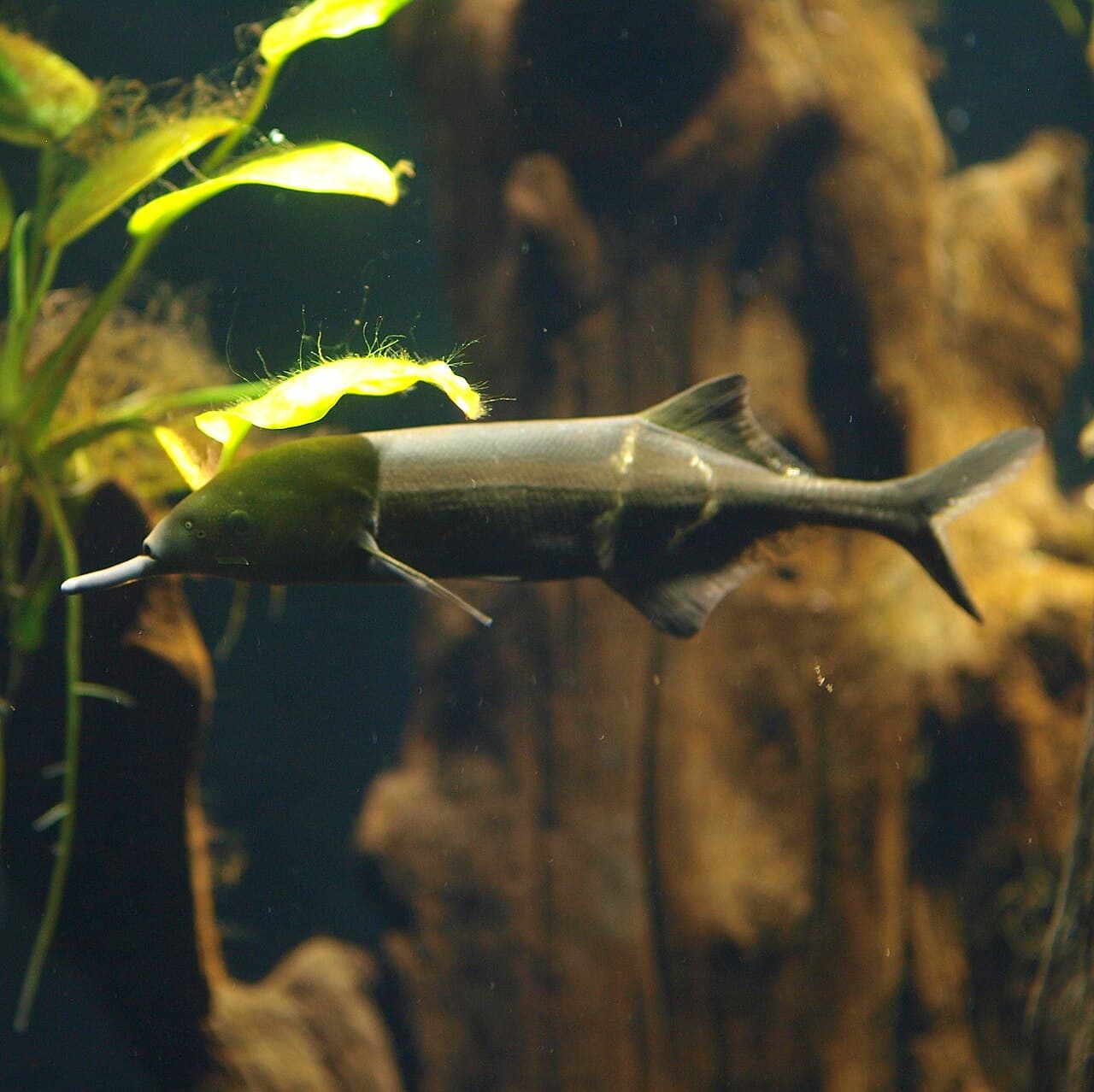
The elephantnose fish's famous trunk is not a nose. It is an elongated chin packed with sensors that help the fish read its surroundings through electricity.
What looks like a playful resemblance to an elephant is a highly specialized way to find food.
A chin full of information
The African elephantnose fish, Gnathonemus petersii, produces weak electric pulses using an organ near the tail.
Receptors in its skin detect how nearby objects alter the electric signals. The extended chin has a particularly important concentration of these sensors.
University of Bonn researchers describe how the fish uses this system while searching for prey.
Finding a meal without seeing it
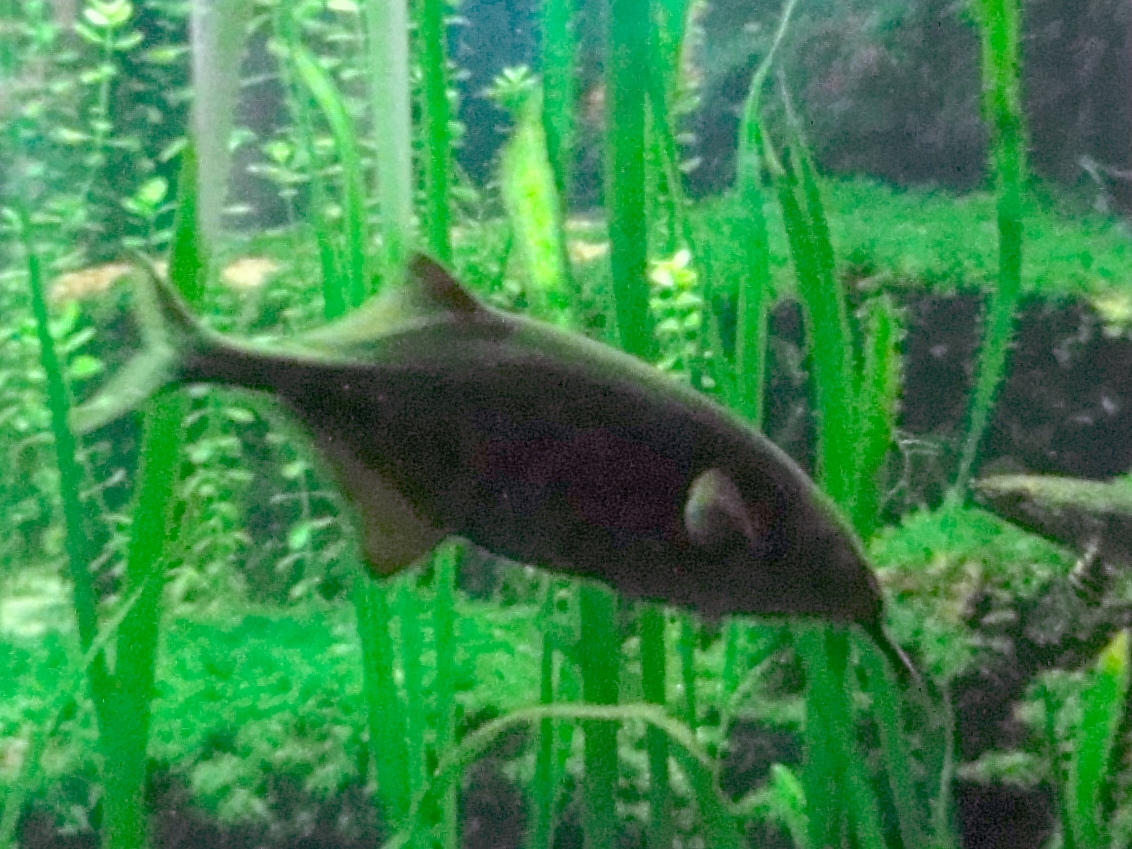
The fish is active at night, when eyesight alone would be less useful. Electrical information helps it identify small prey, including insect larvae near the bottom.
Experiments found that the fish uses more than the strength of a signal. Changes in the shape of the electric pulse also provide information about an object.
The researchers compare this combination to an electrical form of color discrimination. It is an analogy for the information available, not a claim that the fish sees glowing colors in the water.
An invisible landscape
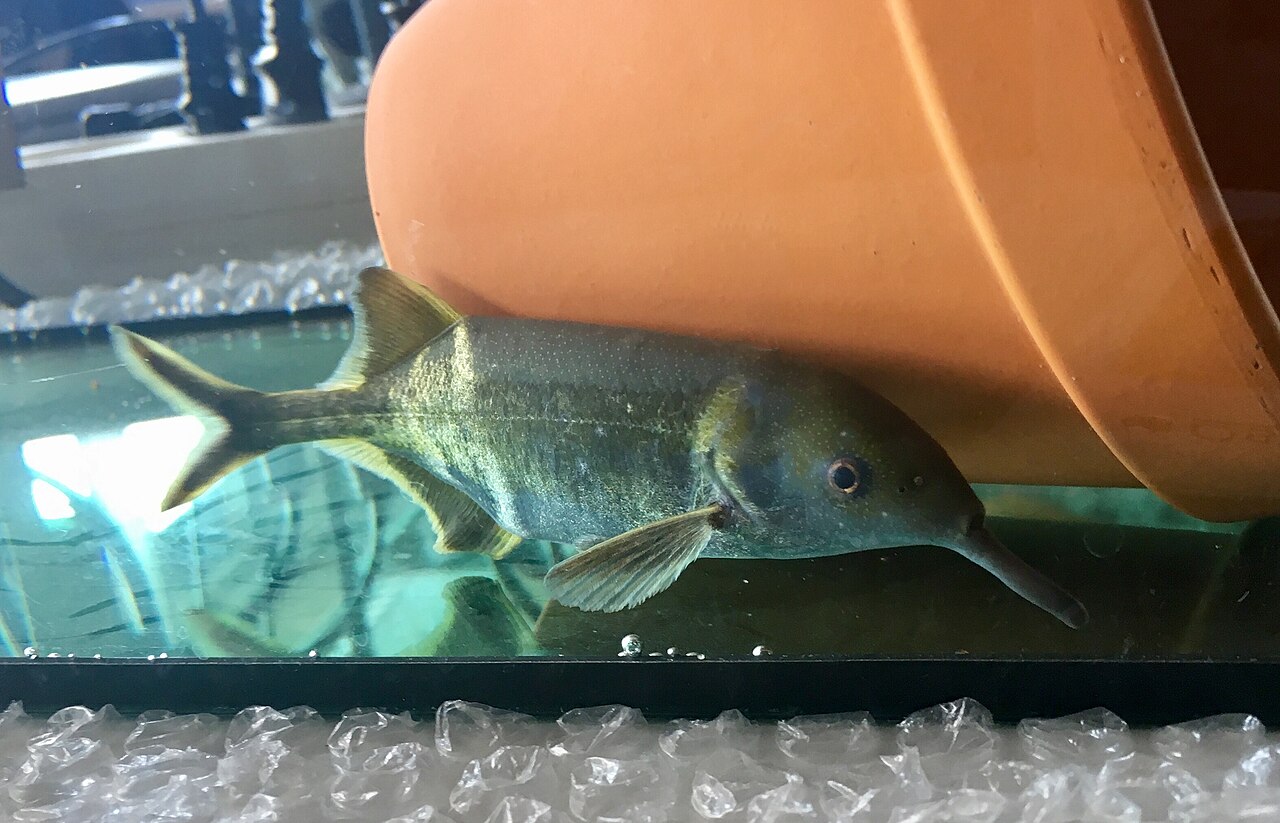
An ordinary photograph cannot show the electric field surrounding the animal. It can show the chin moving close to the bottom as the fish investigates.
The elephantnose fish encourages us to imagine a habitat through another creature's senses. A dark patch of water may be full of information that our eyes could never reveal.
Photo credits
Featured image: Gnathonemus petersii by OpenCage.jpg — OpenCage; CC BY-SA 2.5.

Body image 1: Gnathonemus petersii - Zoo Frankfurt.jpg — Jutta234; CC BY-SA 3.0.

Body image 2: Elefantenrüsselfisch (Gnathonemus petersii).jpg — David Heidenthal (David H.); CC BY-SA 2.0.

Photographs resized for web display where available.