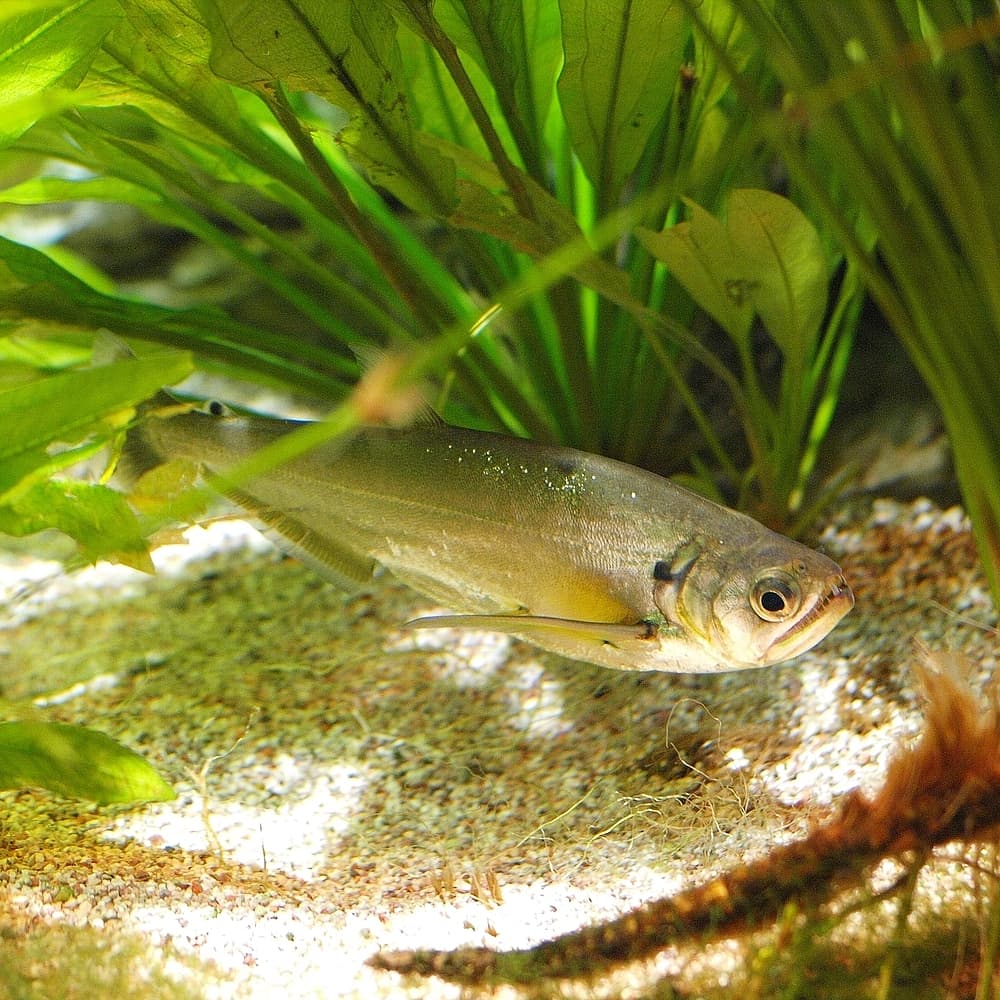
Two long teeth rise from the lower jaw of a vampire tetra, giving the fish a dramatic profile. The name suggests a monster, but the teeth belong to a predator adapted to catching other fish.
Its story is about feeding, not blood-drinking.
Which vampire fish is this?
The name vampire tetra is used for Hydrolycus scomberoides, a South American freshwater fish in the dogtooth characin family.
Common names such as payara can also refer to related Hydrolycus species. The U.S. Fish and Wildlife Service's species summary notes that ambiguity.
This article focuses on H. scomberoides, rather than combining size records from different species.
Teeth suited to a fish-eating diet
The elongated body and striking lower-jaw teeth belong to an active predator. FishBase records the species from the Amazon basin and describes its fish-eating diet.
Large teeth help secure slippery prey. The impressive mouth makes more sense when viewed as feeding equipment than as a reason for a frightening legend.
A fish belongs to a river system
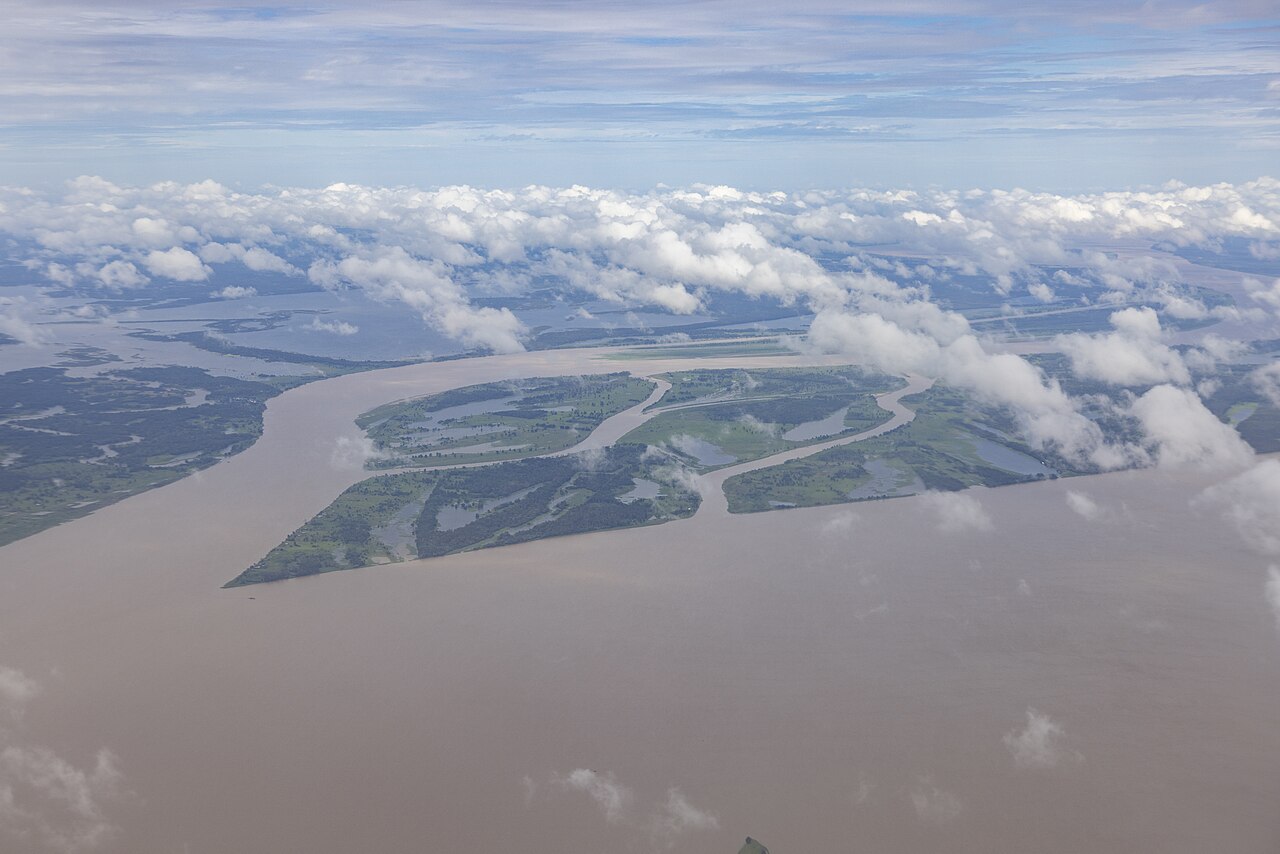
The habitat photographs show the Amazon basin near Manaus. They illustrate the wider landscape, not a claim that a vampire tetra was observed in those exact scenes.
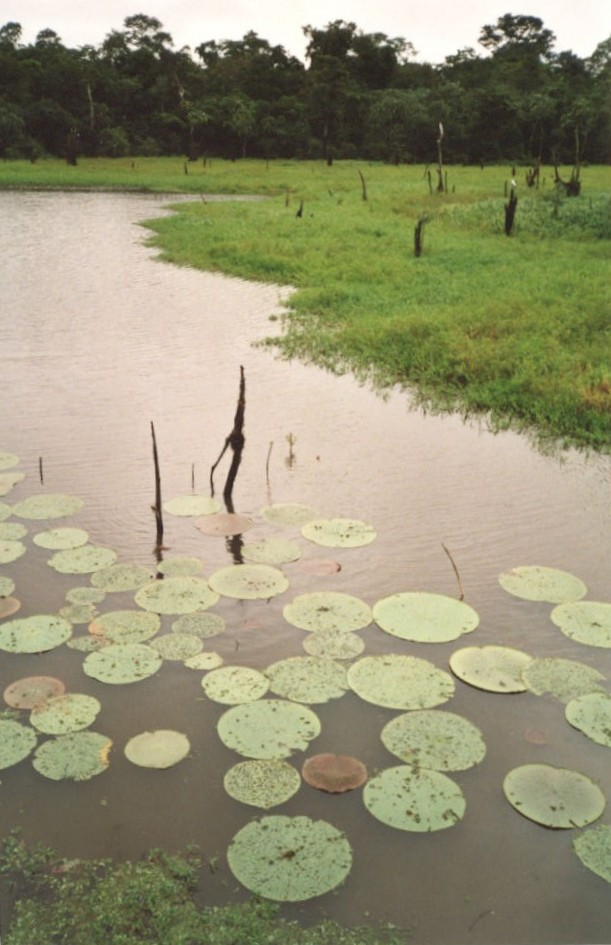
Rivers are connected environments, with channels, banks, and surrounding forests contributing to a larger aquatic world.
The vampire tetra's teeth may attract the first glance. Understanding the animal behind them turns that glance into appreciation for a remarkable freshwater predator.
Photo credits
Featured image: Hydrolycus scomberoides by OpenCage.jpg — OpenCage; CC BY-SA 2.5.

Body image 1: Amazonas manaus.jpg — Arne Müseler / www.arne-mueseler.com; CC BY-SA 3.0 de.

Body image 2: Amazon Manaus.jpg — Phil P Harris; CC BY-SA 2.5.

Photographs resized for web display where available.