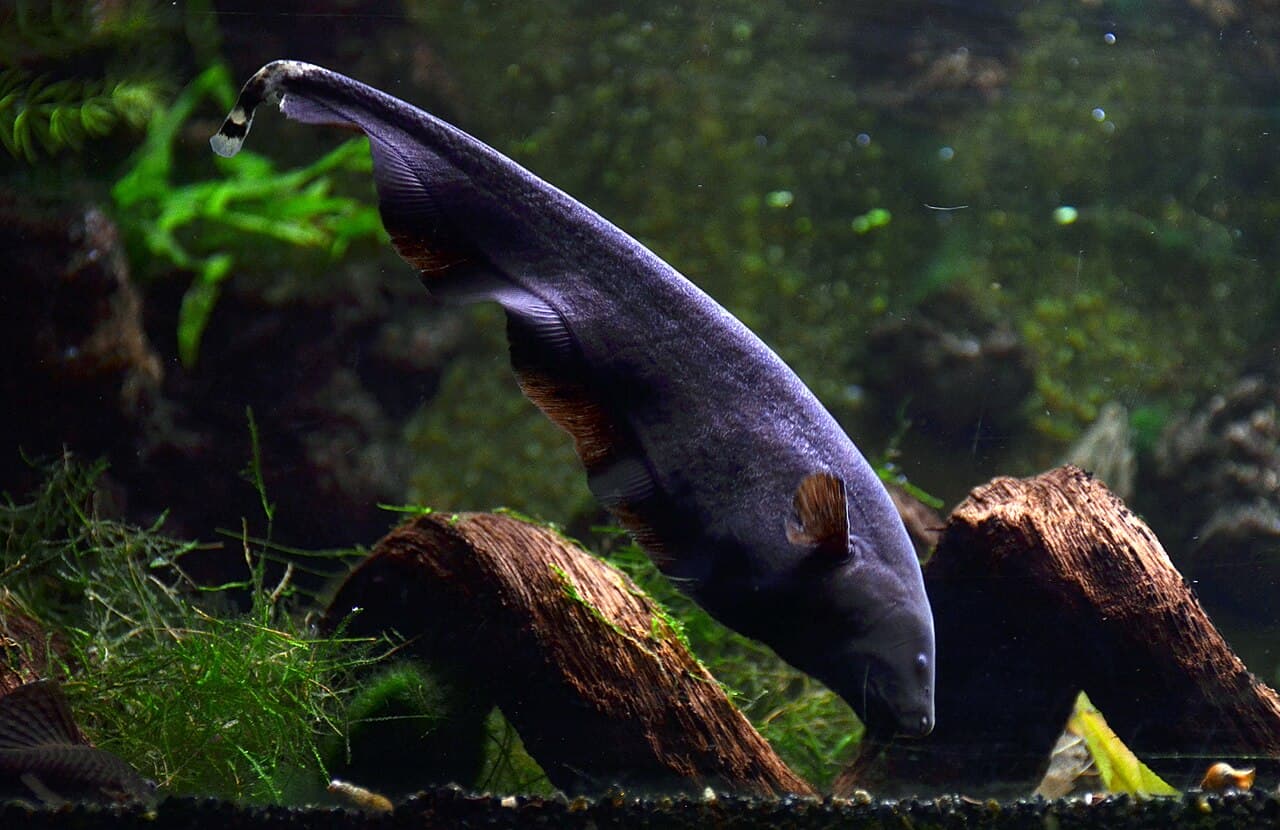
A black ghost knifefish can investigate its surroundings with electricity. It generates a weak field around its body and senses changes caused by nearby objects.
At the same time, a long fin ripples beneath it like a moving ribbon.
An electric view of the surroundings
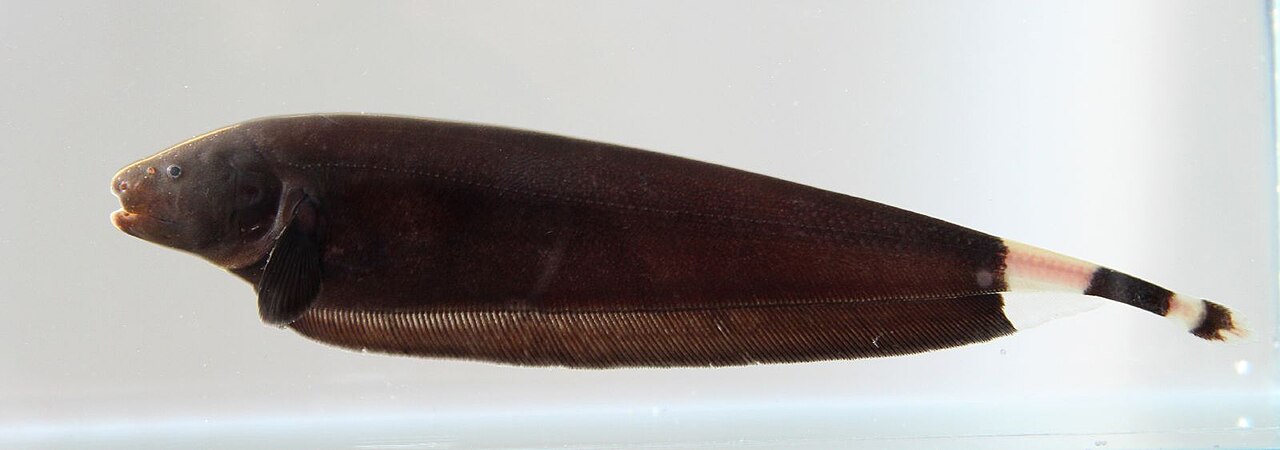
The black ghost knifefish, Apteronotus albifrons, is a freshwater fish with a dark body and pale tail markings.
Its electric field provides information at short range, helping it hunt in darkness or turbid water. This is a sensory system, rather than the powerful stunning discharge associated with an electric eel.
Research archived by Caltech describes the link between its electric sensing and precise movement.
A ribbon instead of a powerful tail stroke
The long fin along the underside produces traveling waves. These allow the fish to maneuver in several directions at low speed.
That control is valuable when it is investigating a nearby object or moving through a crowded environment. The body can remain comparatively steady while the fin does much of the work.
The combination has interested engineers studying alternative designs for underwater vehicles.
A different kind of fish movement
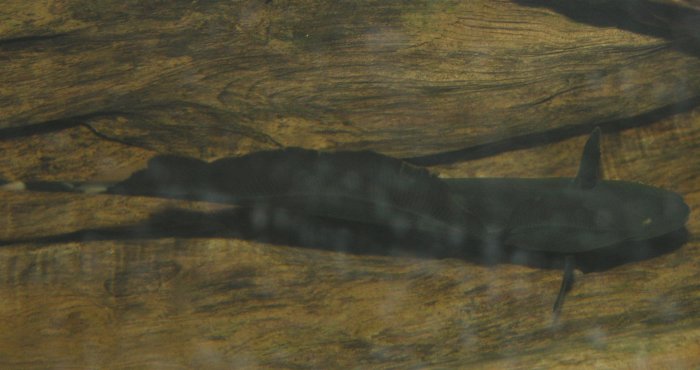
Watching this animal invites us to separate two things that usually happen together: the movement of the whole body and the movement of the fin.
Its electric field is invisible in an ordinary photograph. The rippling fin gives a visible clue to an equally unusual way of life.
The black ghost knifefish shows that a fish can navigate its world with tools very different from our own—electric information and a ribbon of motion.
Photo credits
Featured image: Apteronotus albifrons Aquarium tropical du Palais de la Porte Dorée 10 04 2016 1.jpg — Vassil; CC0.

Body image 1: Apteronotus albifrons.jpg — Clinton & Charles Robertson; CC BY 2.0.

Body image 2: Black Ghost Knife Fish 700.jpg — Photo by and (c)2005 Derek Ramsey ( Ram-Man ); CC BY-SA 2.5.

Photographs resized for web display where available.