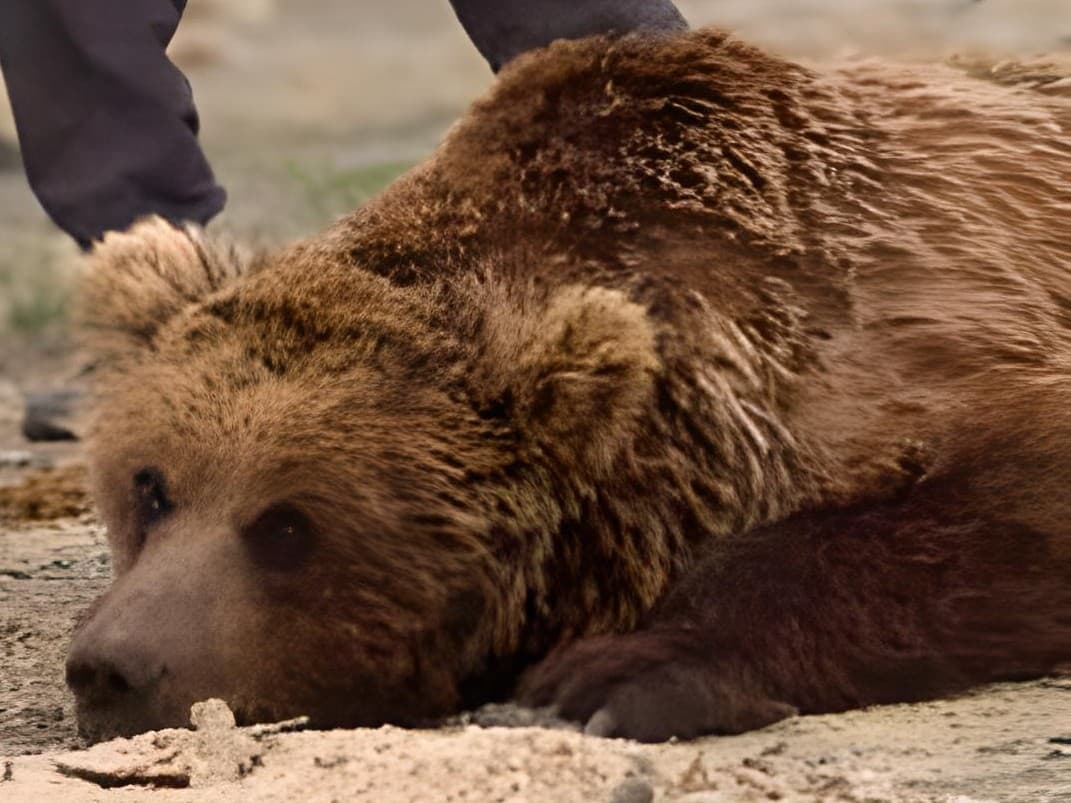
A brown bear living in a desert sounds unlikely. Yet in southwestern Mongolia, Gobi bears survive among rocky mountains, sparse vegetation, and scattered springs.
Known locally as mazaalai, these bears depend on small pockets of life in an immense dry landscape.
A bear shaped by a difficult home
The Gobi bear is a small, isolated population of brown bears, commonly called Ursus arctos gobiensis.
Genetic research on Central Asian brown bears highlights its isolation and the need for special protection. Its story concerns a distinctive desert population, rather than an entirely unrelated kind of bear.
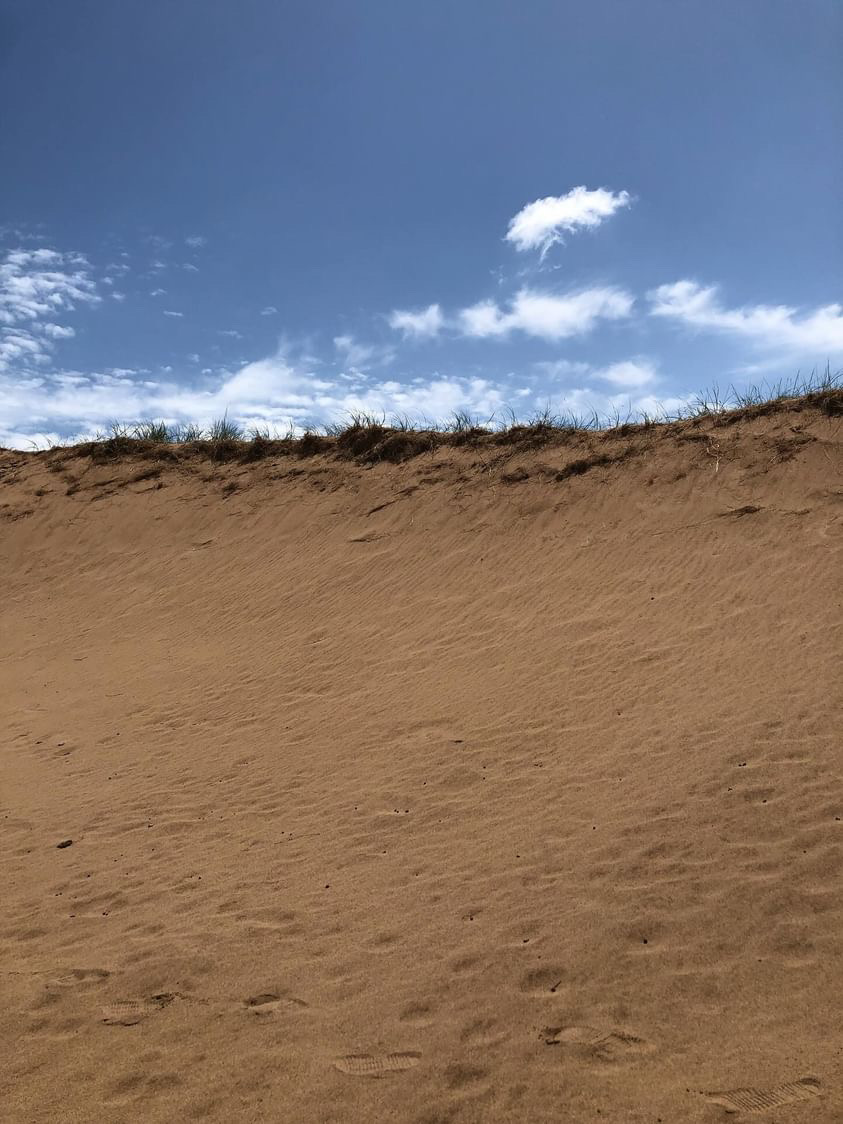
Springs make the difference
The Gobi Bear Project describes bears moving between oasis complexes in the Great Gobi Strictly Protected Area.
Their diet is largely plant-based, including wild rhubarb underground stems, berries, and shoots. Springs support the vegetation that makes this feeding possible.
The survival challenge is therefore about more than finding drinking water. Water also helps produce food across an otherwise demanding habitat.
Protecting connections across the desert
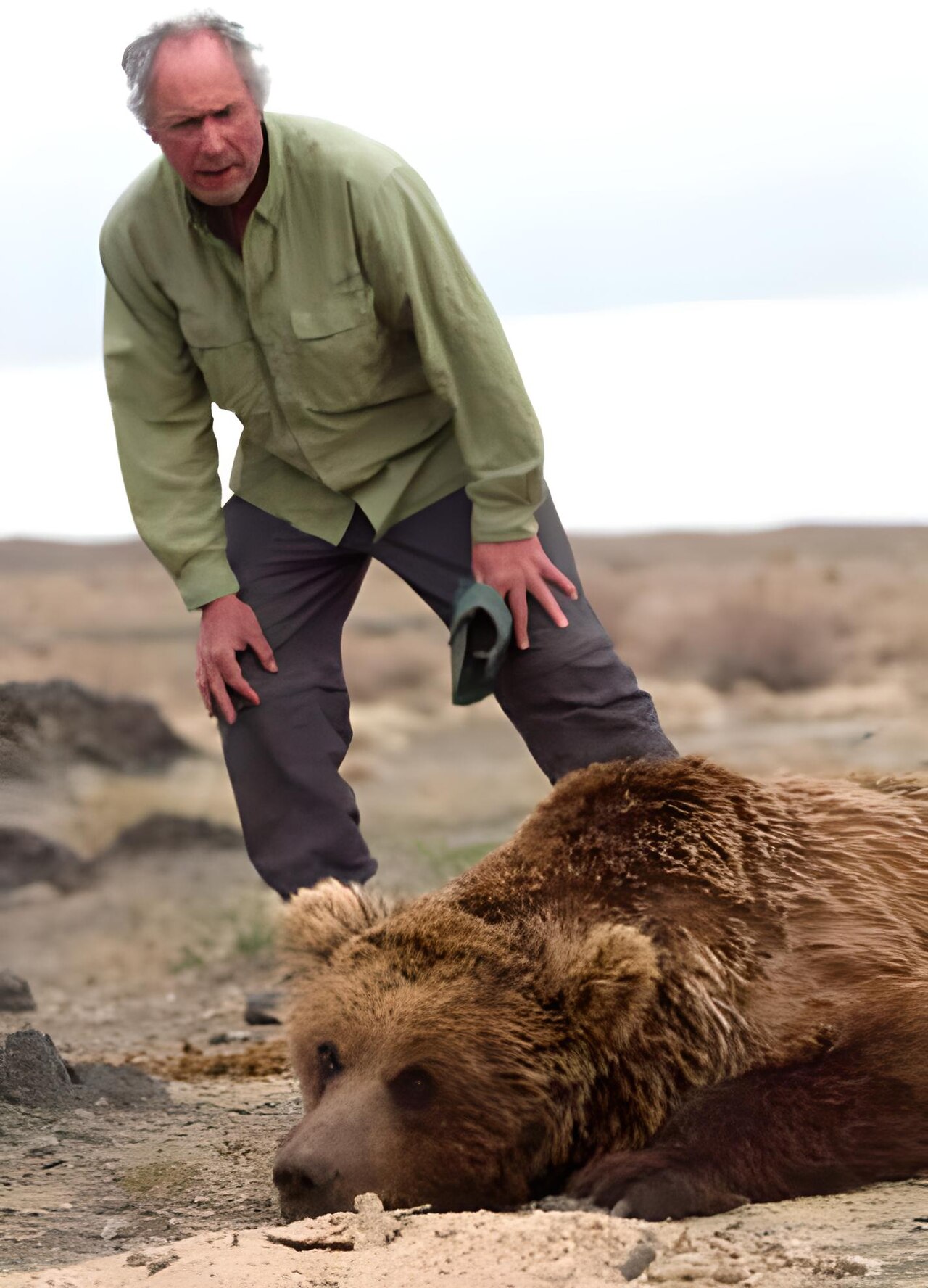
Drought, disturbance, and the risks faced by a very small population make conservation especially important. Researchers use tools such as tracking collars and DNA sampling to understand movements and population change.
Population estimates belong to particular surveys and dates; a single undated count cannot tell the whole story.
The Gobi bear changes how we imagine a desert. A spring and a patch of hardy plants can become essential links in the life of one of nature's most unexpected bears.
Photo credits
Featured image: Ursus arctos gobiensis.jpg — Hunter J. Causey; CC BY-SA 1.0.

Body image 1: Gobi desert Mongolia.jpg — Nrantuya; CC0.

Body image 2: Chadwickgobi.jpg — Hunter J. Causey; CC BY-SA 1.0.

Photographs resized for web display where available. Existing crops are identified in the linked source files.