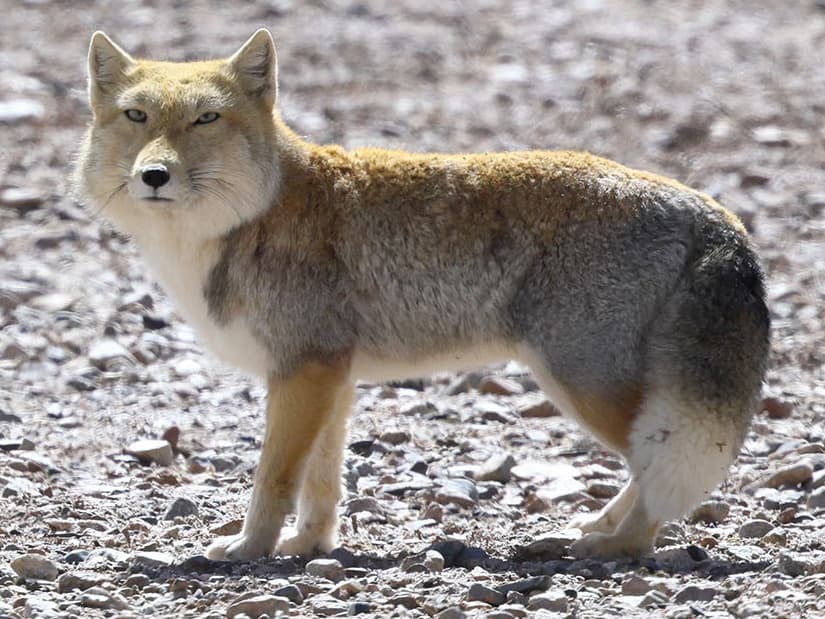
The Tibetan fox seems to wear an unusually square face. Broad fur around the cheeks gives its narrow muzzle a striking frame, creating one of the most recognizable profiles among foxes.
That memorable appearance belongs to a hunter living high on the Tibetan Plateau.
More than a remarkable expression
The Tibetan fox, Vulpes ferrilata, inhabits open highland landscapes, including rocky and brushy areas.
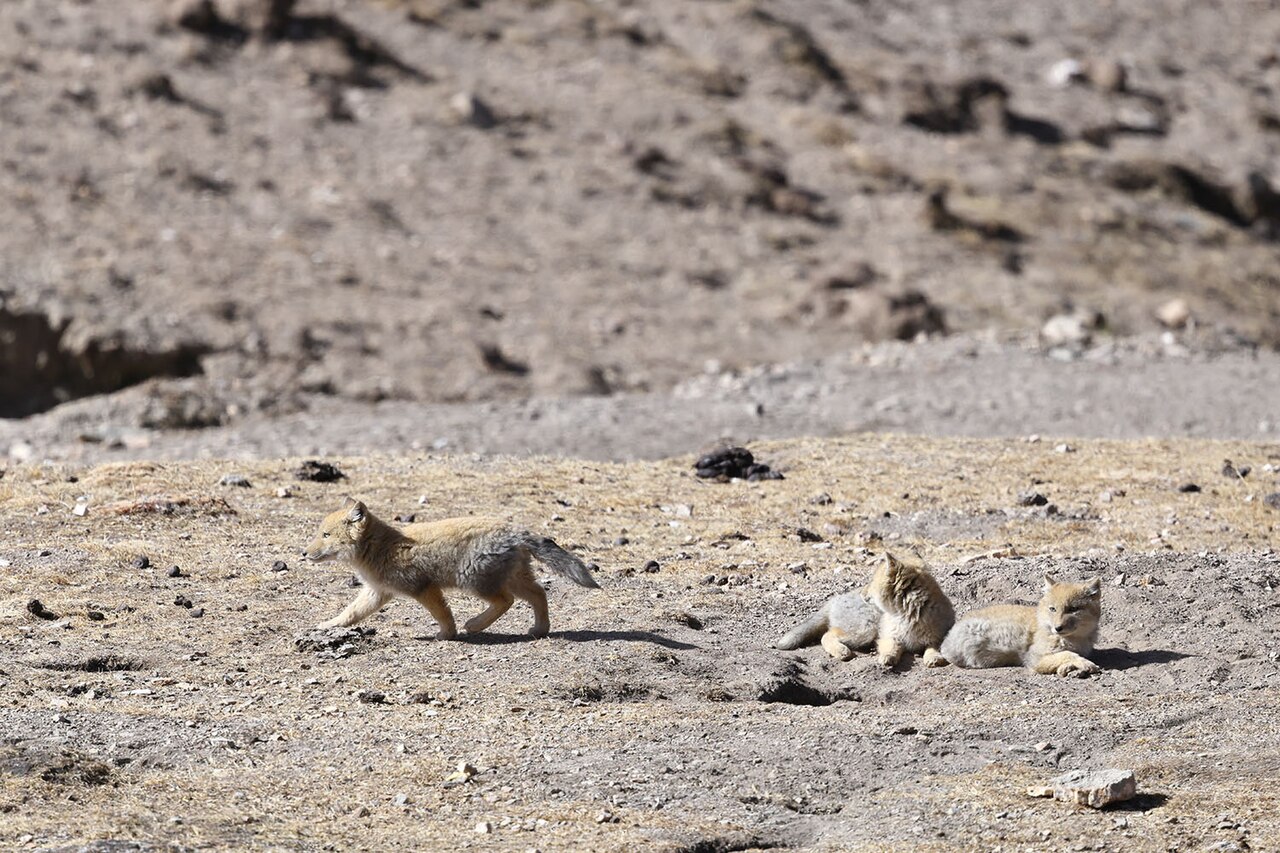
Its dense coat includes a thick underlayer, suited to a cold environment. Dens can be dug into the ground or associated with rocks and crevices.
Animal Diversity Web describes its coat, habitat, and natural history.
A hunter connected to pikas
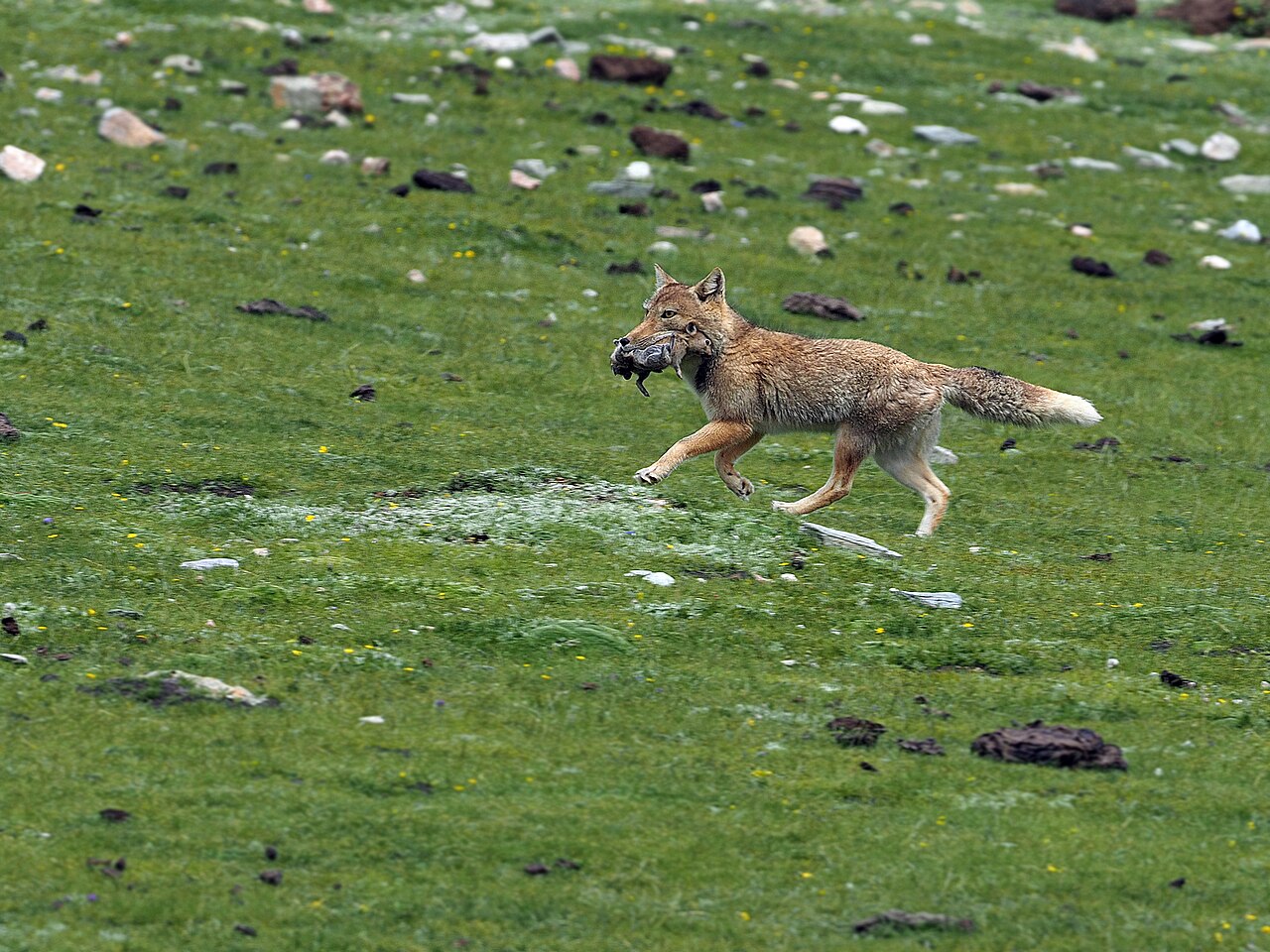
Small animals provide food on the plateau, and pikas are particularly important prey.
A field study in Tibet's Baqing County found that Tibetan fox occurrence was positively associated with the presence of plateau pikas.
That connection adds depth to a fox portrait. The animal depends on a living community of prey and the habitat supporting them, even when the surrounding grassland appears almost empty.
Looking beyond the face
A photograph can make the fox seem stern, puzzled, or unimpressed. Those are human interpretations of its facial outline, not evidence of what it is feeling.
Its real story is written in its coat, hunting behavior, and plateau home.
The Tibetan fox rewards a second look: first at the famous face, then at the wider landscape that makes this distinctive highland predator possible.
Photo credits
Featured image: 20260309 4502 Wild Yak Valley Renard du Tibet 01 (cropped).jpg — Fstoger; CC BY-SA 4.0.

Body image 1: 20260309 4502 Wild Yak Valley Renard du Tibet 02.jpg — Fstoger; CC BY-SA 4.0.

Body image 2: Vulpes ferrilata 367800858.jpg — James Eaton; CC0.

Photographs resized for web display where available. Existing crops are identified in the linked source files.