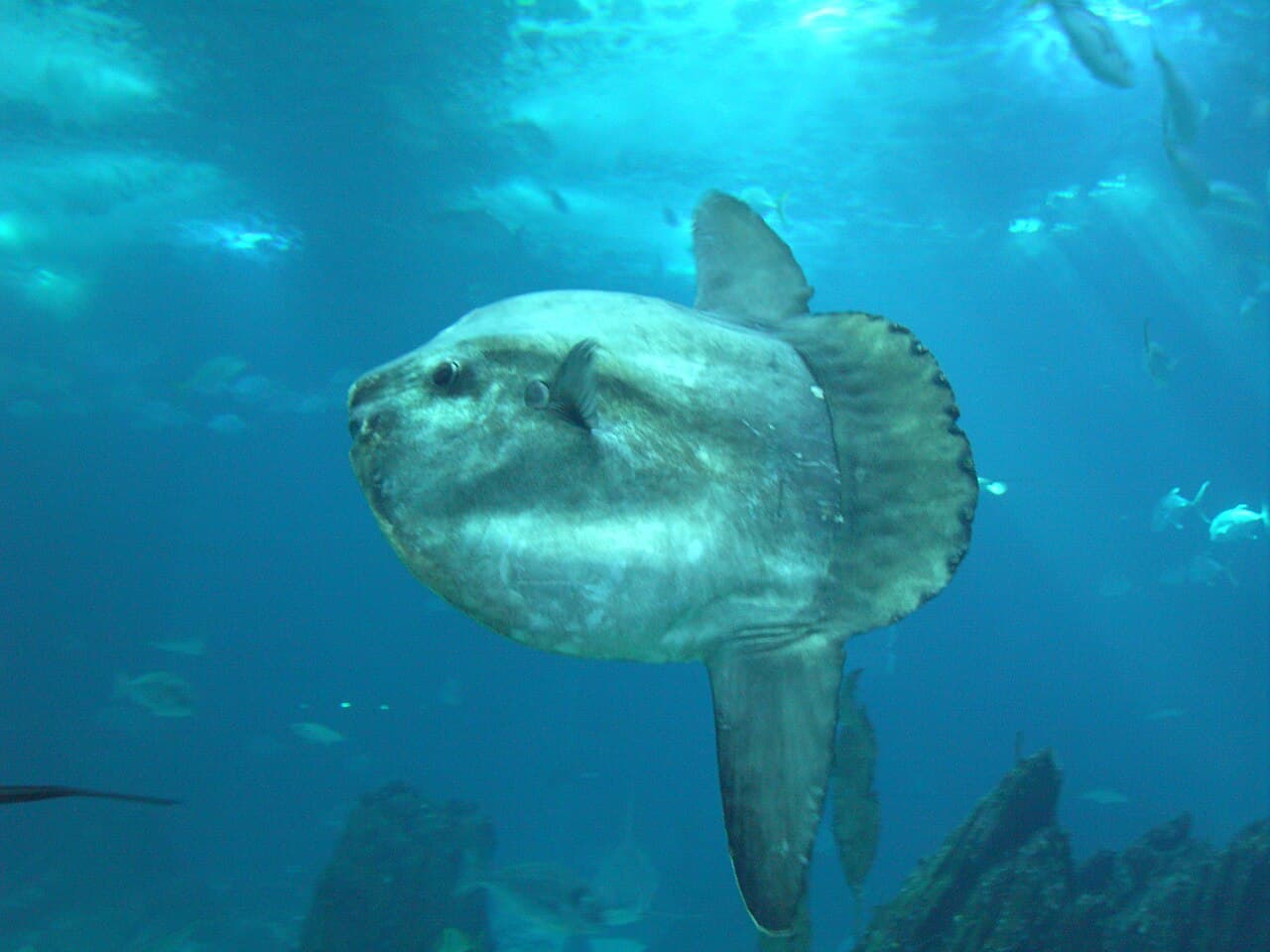
An ocean sunfish looks as though someone removed the back half of an ordinary fish. Its huge, flattened body ends in a blunt fringe, with tall fins above and below.
Yet this unusual shape belongs to an active ocean traveler, not a helpless drifter.
A different way to swim
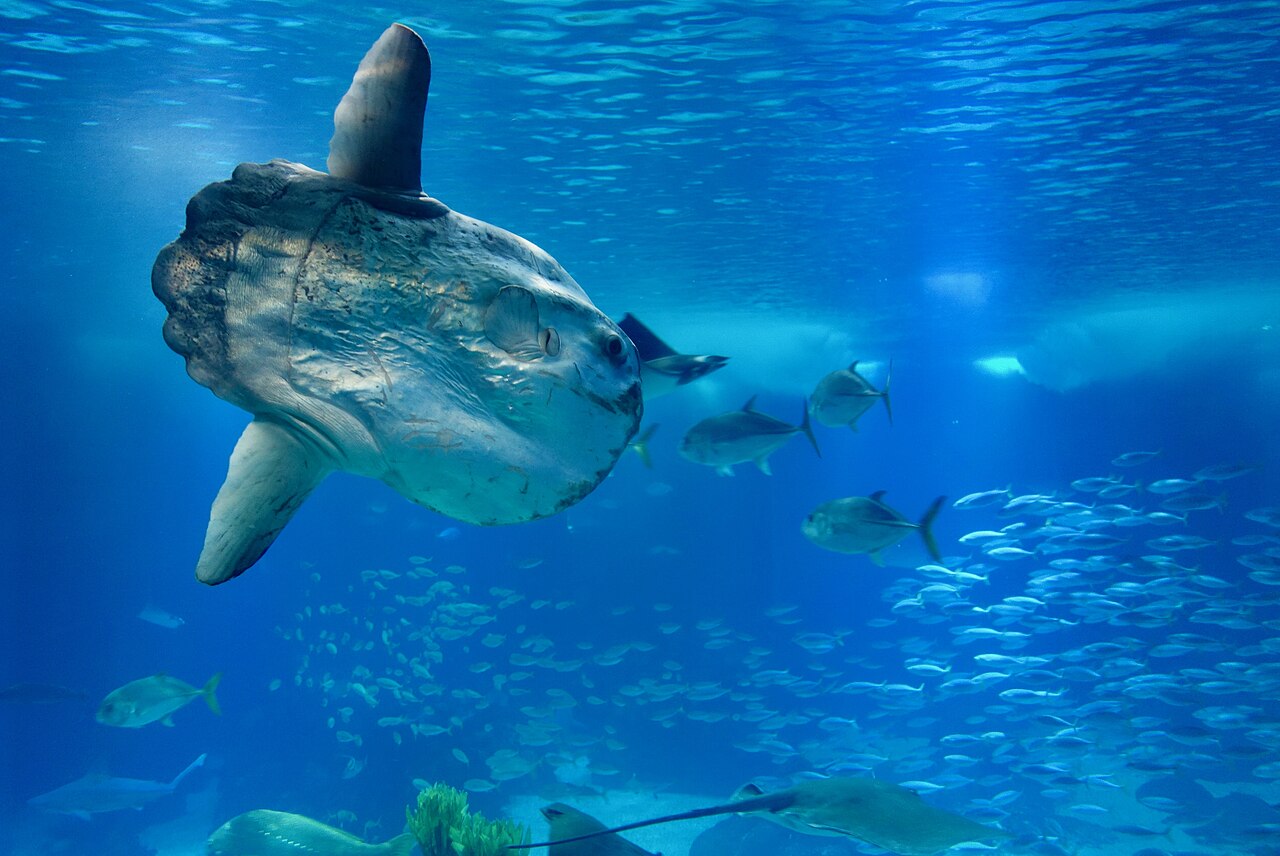
The ocean sunfish, Mola mola, lives in tropical and temperate seas. Instead of a typical tail fin, it has a structure called a clavus at its rear.
Its large dorsal and anal fins help propel it, while the clavus helps with steering. The Monterey Bay Aquarium describes its distinctive body and movements.
More than a surface visitor
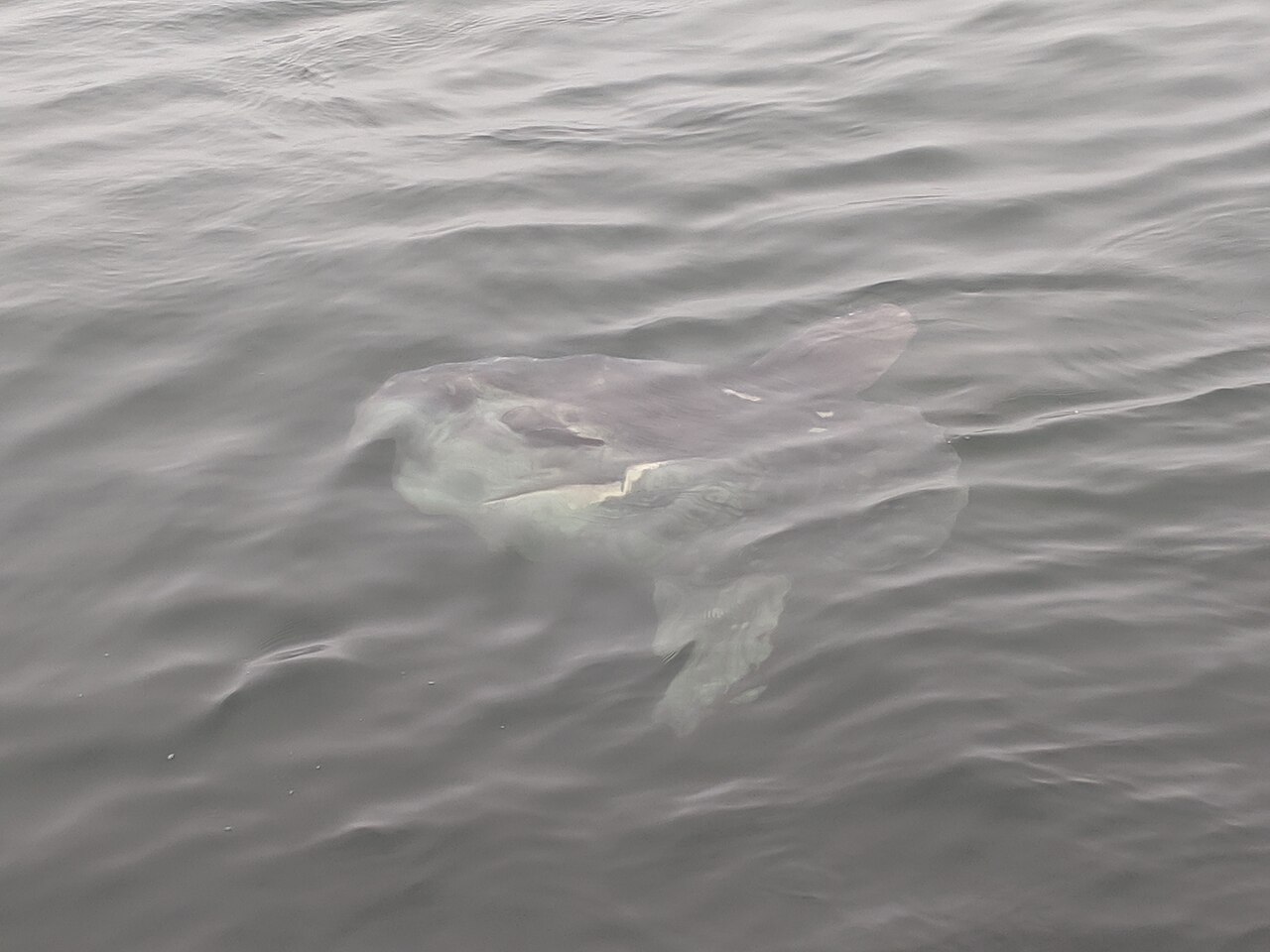
Sunfish are famous for appearing near the surface, sometimes lying on their sides. Tracking has also revealed journeys into deeper water.
Their diet includes jellyfish and other gelatinous animals, although smaller sunfish eat a broader mixture of prey. A small mouth on such a large body does not mean a small role in the ocean's food web.
Mola mola is one of several sunfish species. The record for the heaviest known bony fish belongs to its relative Mola alexandrini, so the two should not be confused.
Room for an unusual giant
Accidental capture in fishing gear and plastic pollution create risks for sunfish. Reducing marine litter and fishing impacts helps protect the waters they use.
The ocean sunfish makes the familiar outline of a fish seem wonderfully optional. Its fins and blunt body reveal another successful way to move through the sea.
Photo credits
Featured image: Mola-mola-Lisboa-20051020.jpg — Nol Aders; CC BY 2.5.

Body image 1: Mola mola with scar.jpg — kylenumber1; CC BY-SA 4.0.

Body image 2: Ocean sunfish • Mondfisch (mola mola) • Lisbon Oceanarium • Oceanário de Lisboa.jpg — Sonse; CC BY 2.0.

Photographs resized for web display where available.