
A fish more than a meter long can still hide from science—not by being invisible, but by being mistaken for something else.
The hoodwinker sunfish spent decades being grouped with other sunfish before researchers recognized it as a separate species.
The discovery behind the name
Mola tecta was formally described in 2017. Its name refers to something hidden or disguised, a fitting choice for an animal that had eluded recognition.
Researchers compared DNA with physical features to distinguish it. Te Papa's account of the discovery explains how museum specimens and field observations helped reveal the difference.
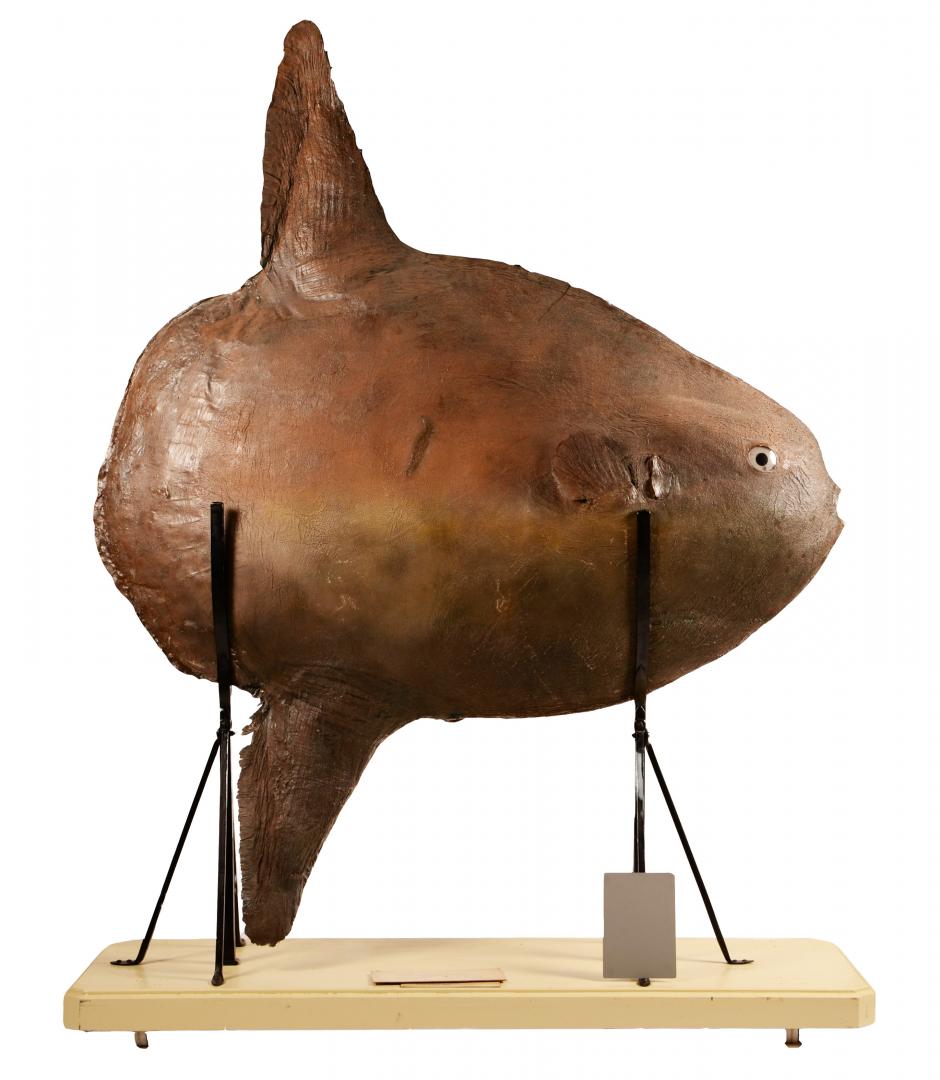
Reading the edge of a sunfish
Sunfish lack the usual tail fin. Their rear edge is a structure called the clavus, and its shape helps scientists tell species apart.
The hoodwinker has a rounded clavus edge with an indentation. Other features, including its scales and fin structures, also matter. Identification takes more than noticing a large, rounded body.
The Australian Museum describes these features and records the species in temperate Southern Hemisphere waters.
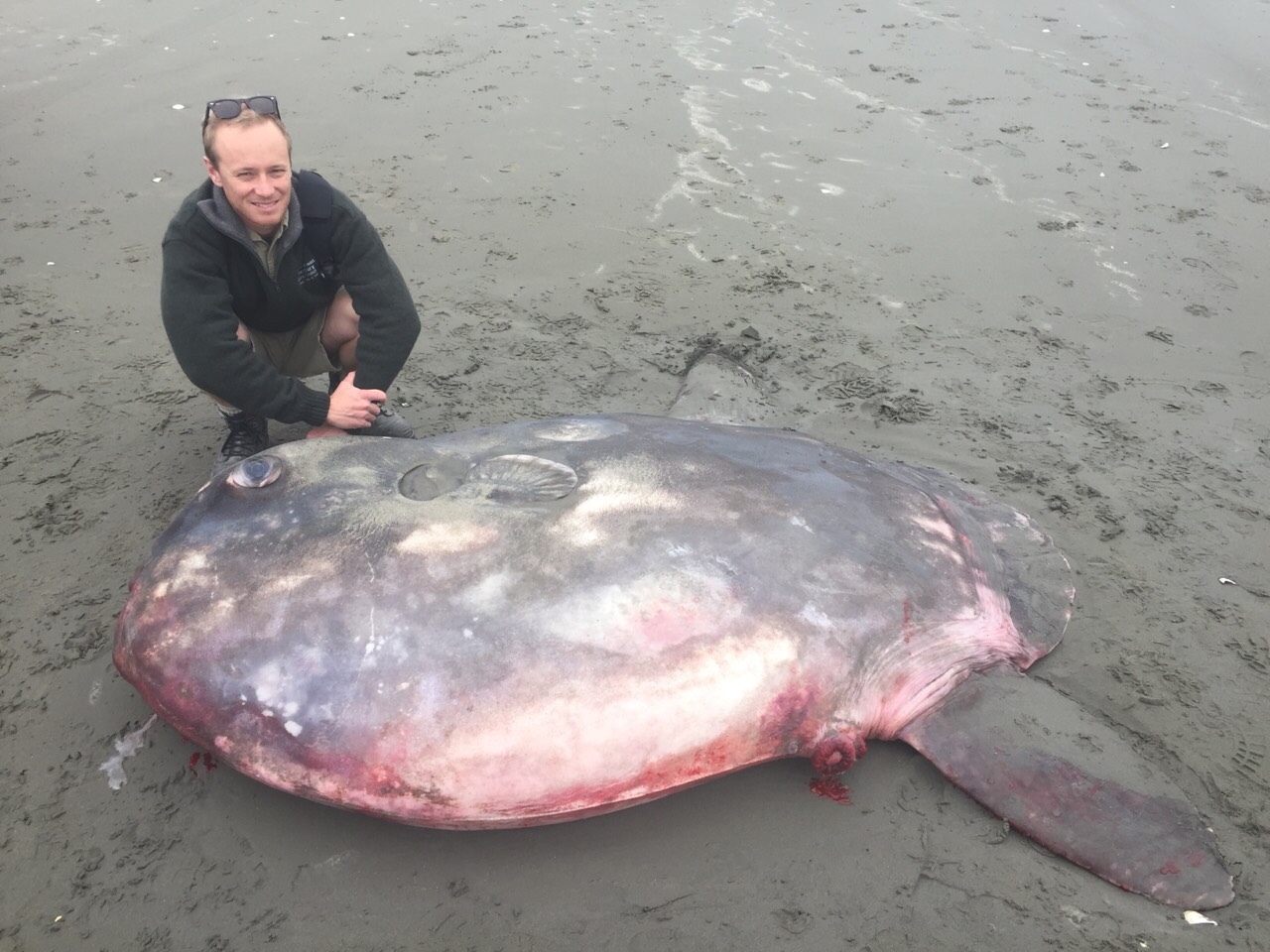
Why old specimens still matter
A photograph or preserved specimen can gain new meaning when scientists ask a different question. Something collected years ago may help explain a discovery made today.
The hoodwinker sunfish is a reminder that the ocean still holds surprises at every scale. Sometimes the next extraordinary animal is already in a collection, waiting for someone to recognize its story.
Photo credits
Featured image: Mola tecta.jpg — Explorasub; CC BY-SA 4.0.

Body image 1: Maanvis van Ameland.jpg — Naturalis Biodiversity Center; CC BY-SA 4.0.

Body image 2: Hoodwinker Mola, Woodend Beach Domain, Kaiapoi, Canterbury, NZ imported from iNaturalist photo 17875581.jpg — no rights reserved; CC0.

Photographs resized for web display where available.