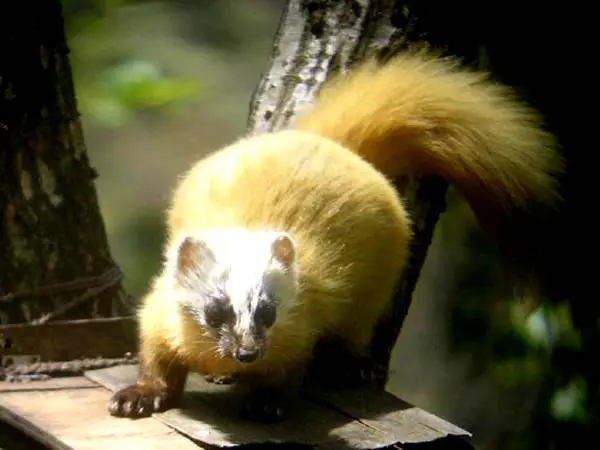
A Japanese marten can trade a brown body and dark face for yellow fur and a pale face as winter arrives. The change can be so striking that two seasonal photographs look like different animals.
This forest mammal, Martes melampus, belongs to the weasel family. On Japan’s main southern islands, it brings a flash of warm color to a cold-season woodland.
A seasonal transformation with exceptions
Inokashira Park Zoo describes the contrast between summer and winter coats. It also notes an important exception: some individuals keep summer-like coloring in winter.
So a brown winter marten is not automatically a different species. Nature’s patterns often leave room for variation.
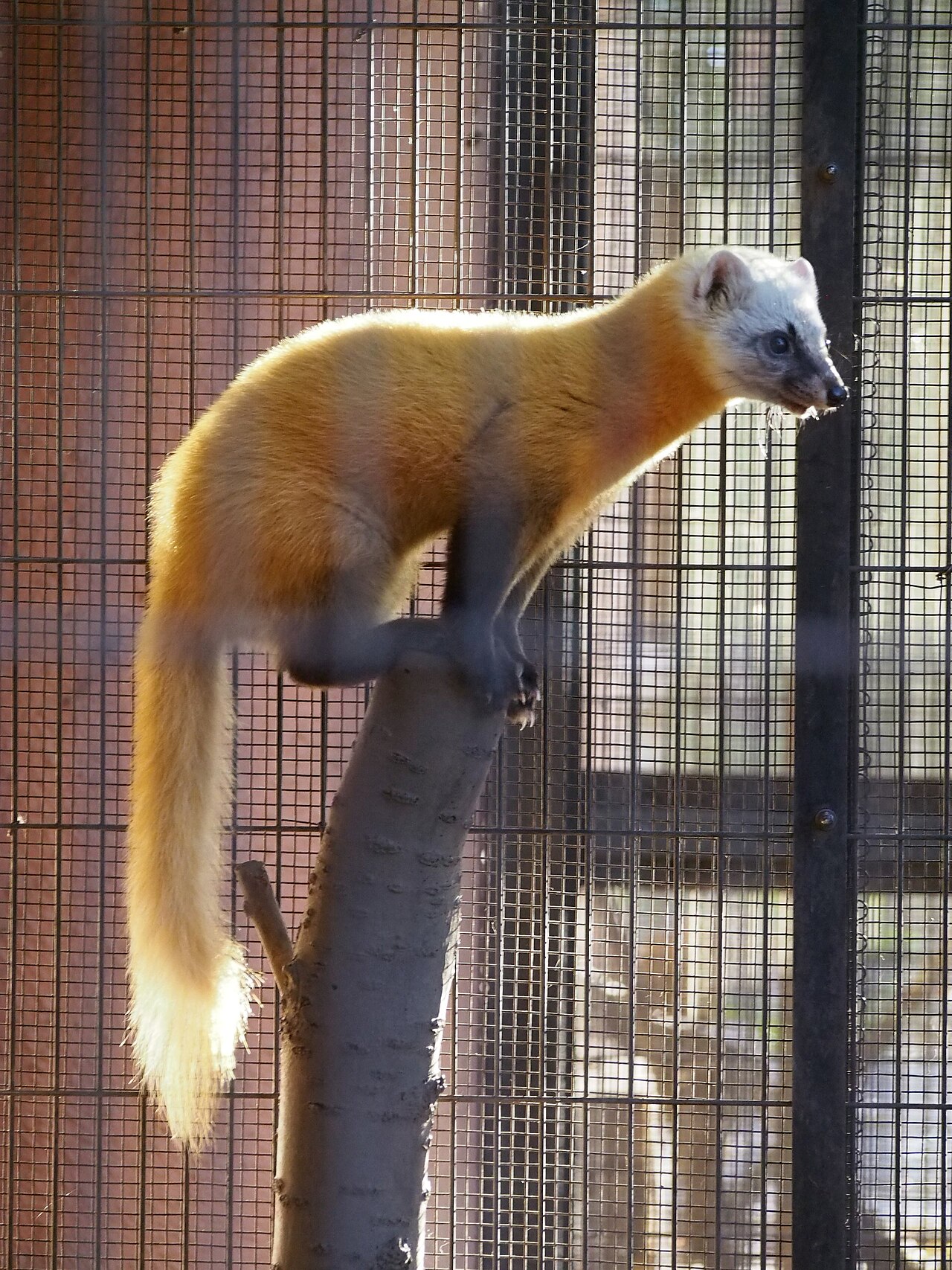
A hunter that also enjoys fruit
Japanese martens catch small animals, but fruit is also part of their diet. Seeds found in their droppings suggest that they help carry seeds through the landscape.
That makes the marten more than a woodland hunter. A meal can also become a delivery service for a plant, even if the animal is simply feeding itself.
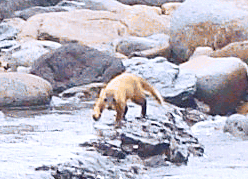
Room for a forest life
Animal Diversity Web describes shelter in tree dens and ground burrows, and records road collisions among the threats faced by these animals.
Keeping wooded habitat connected gives wildlife more room to travel. The Japanese marten rewards that care with an extraordinary glimpse of seasonal change: a forest resident wearing winter in gold.
Photo credits
Featured image: Japanese Marten.jpg — lvovl2; CC BY 2.0.

Body photograph: Inokashira Park Zoo PC053197.jpg — Kestrel; CC BY-SA 4.0.

Body photograph: Mustelinae Martes 20060819 ja cropped.png — This photo was taken by Aomorikuma ( あおもりくま ).; CC BY 3.0.

Photographs resized for web display where available. Existing crops are identified in their source filenames.