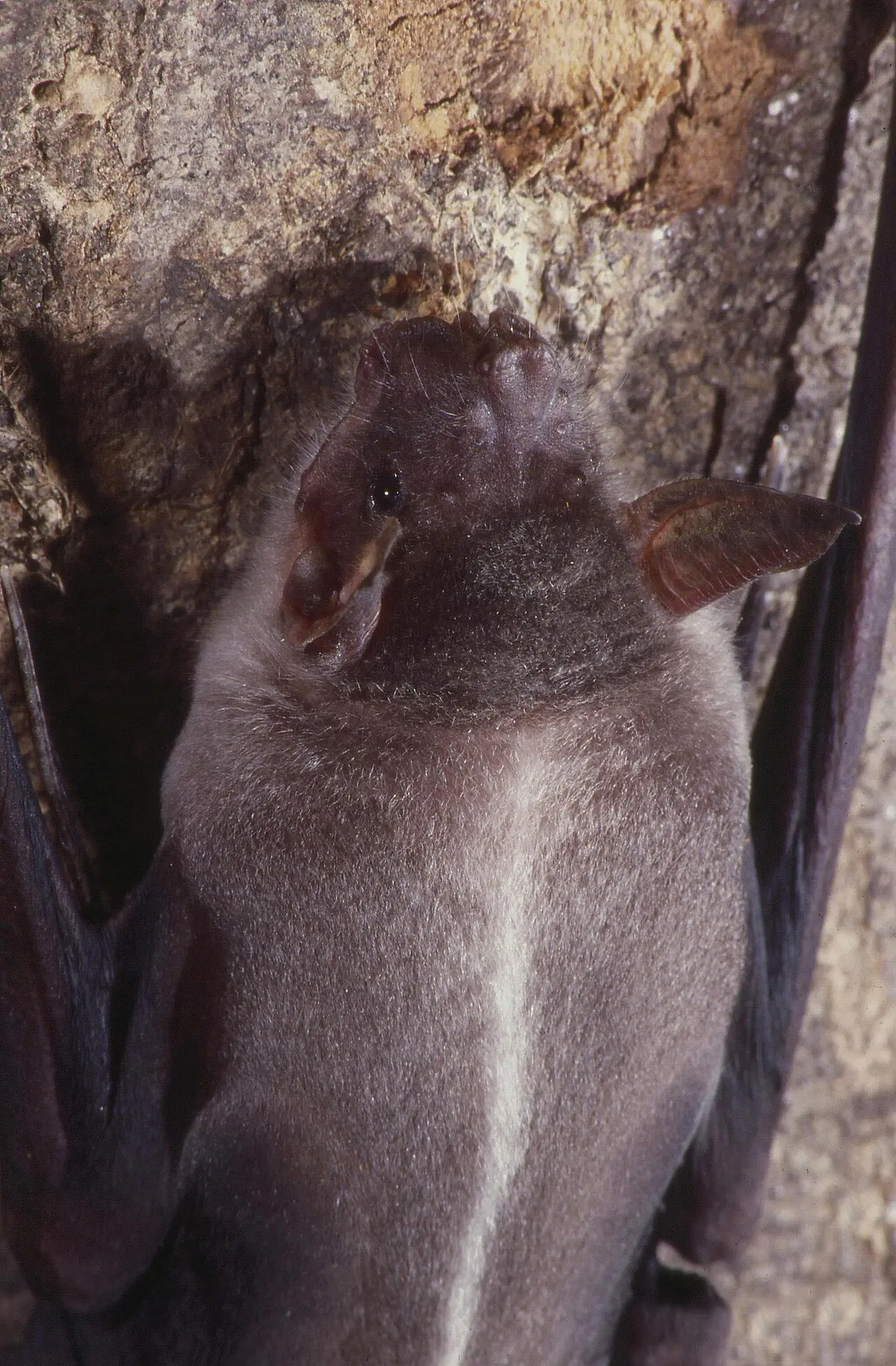
A bat skims low over the water, drops its feet, and lifts out a fish. The greater bulldog bat turns a night flight into a fishing trip without a rod or net.
Noctilio leporinus lives in tropical and subtropical parts of the Americas. Its enlarged feet and long claws help explain its other name: the fisherman bat.
Reading the surface
Animal Diversity Web describes bats searching above ponds, rivers, and coastal water. Echolocation helps them detect disturbances that may reveal small fish near the surface.
This is not a sonar view through deep water. The useful clues occur where air and water meet.
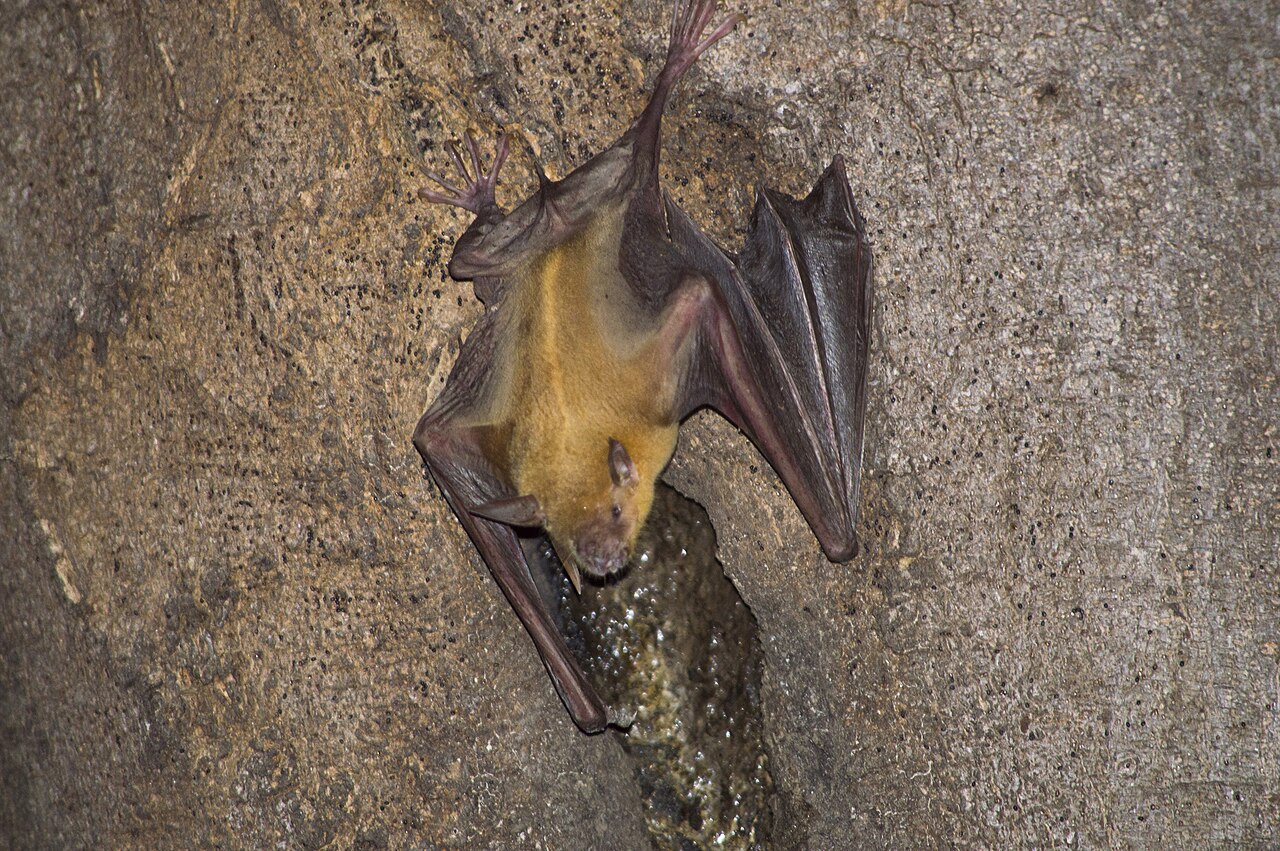
Feet that do the catching
When the bat closes in, it rakes its clawed feet through the water. A caught fish can be lifted toward its mouth or carried away for feeding.
Partly chewed food can be held in cheek pouches, allowing the hunter to keep searching. Insects and other small aquatic animals also appear in its diet, so fishing is not its only feeding option.
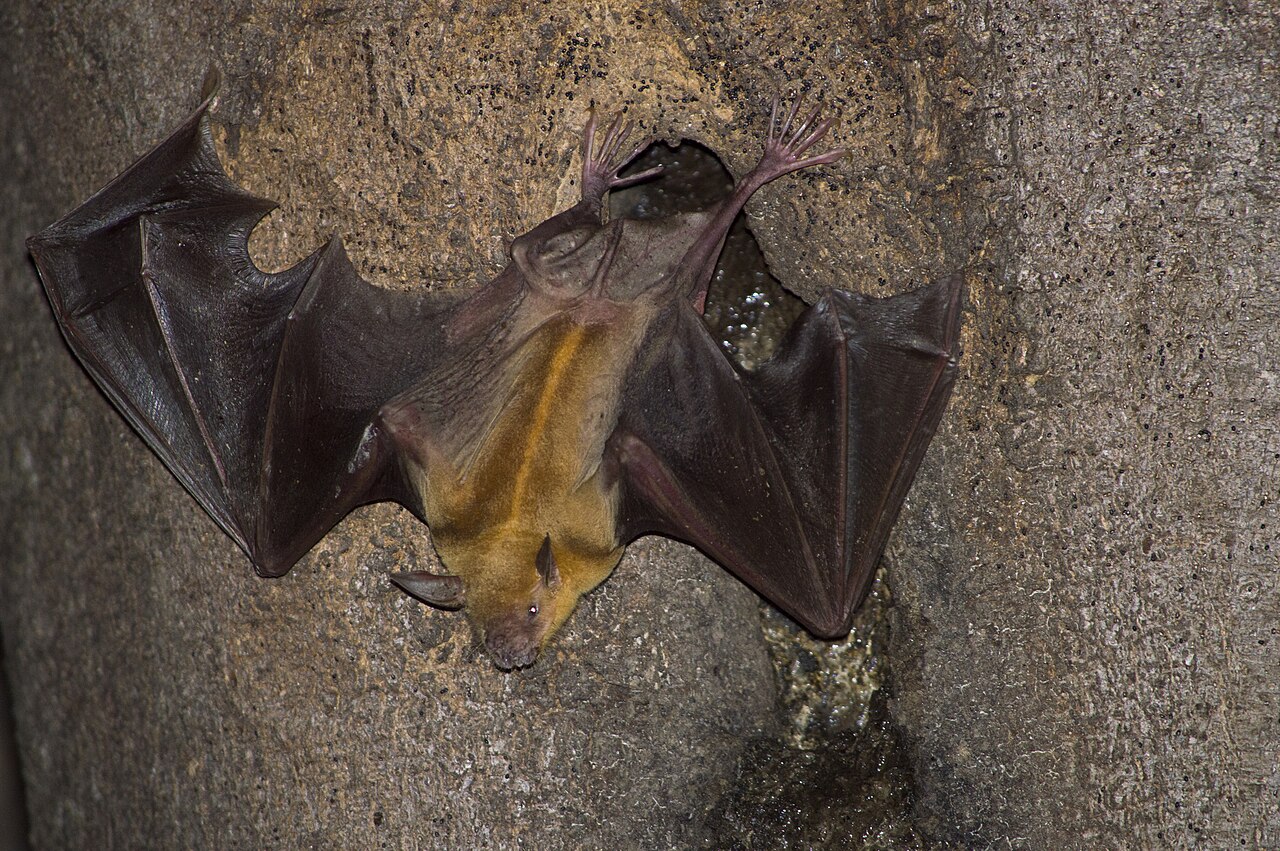
A different view of a river
A waterway offers more than a place for fish to swim. For this bat, it is also a hunting route whose surface carries valuable information.
Keeping waters and surrounding habitat in good condition supports the wider community that uses them. The greater bulldog bat shows how an animal can make a living at the boundary between two worlds, with wings above and fishing feet below.
Photo credits
Featured image: Captive Noctilio leporinus.jpg — Susan Ellis, Bugwood.org; CC BY 3.0 us.

Body image 1: Noctilio leporinus 407860673.jpg — E Santos Ortega; CC BY 4.0.

Body image 2: Noctilio leporinus 407860758.jpg — E Santos Ortega; CC BY 4.0.

Photographs resized for web display where available. Infrared and captive photographs are identified in their captions.