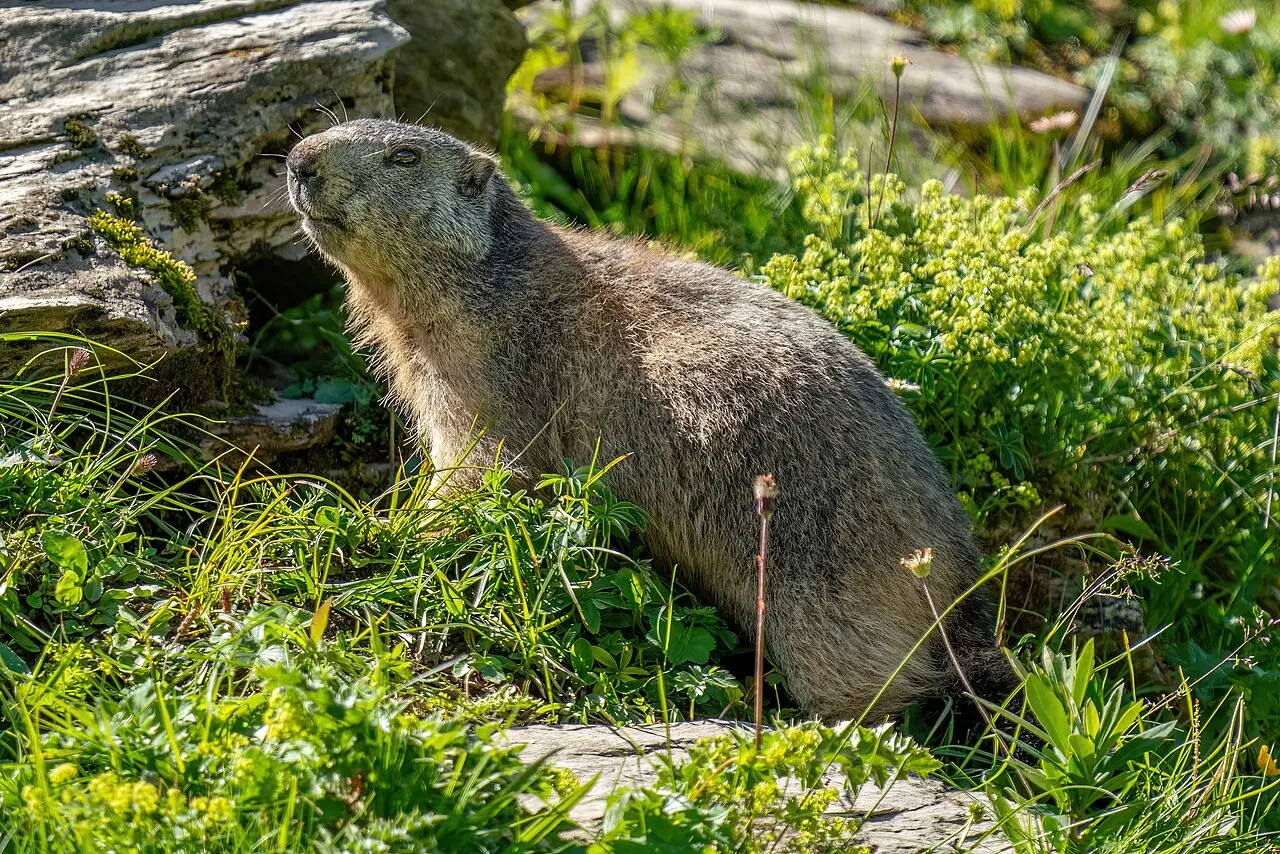
An Alpine marmot spends months of the year hidden underground in hibernation. Its busy summer is preparation for a mountain winter that offers little fresh food.
Marmota marmota is a sturdy member of the squirrel family. Above the treeline, its rounded shape can be easy to spot among rocks and short plants.
Summer meals with a winter purpose
Animal Diversity Web describes marmots feeding on plant material and gaining substantial weight before winter.
Stored body fat supplies energy during hibernation. The animal is preparing its own fuel reserve, turning a short growing season into a chance to survive a long cold period.
Winter is more than a long nap
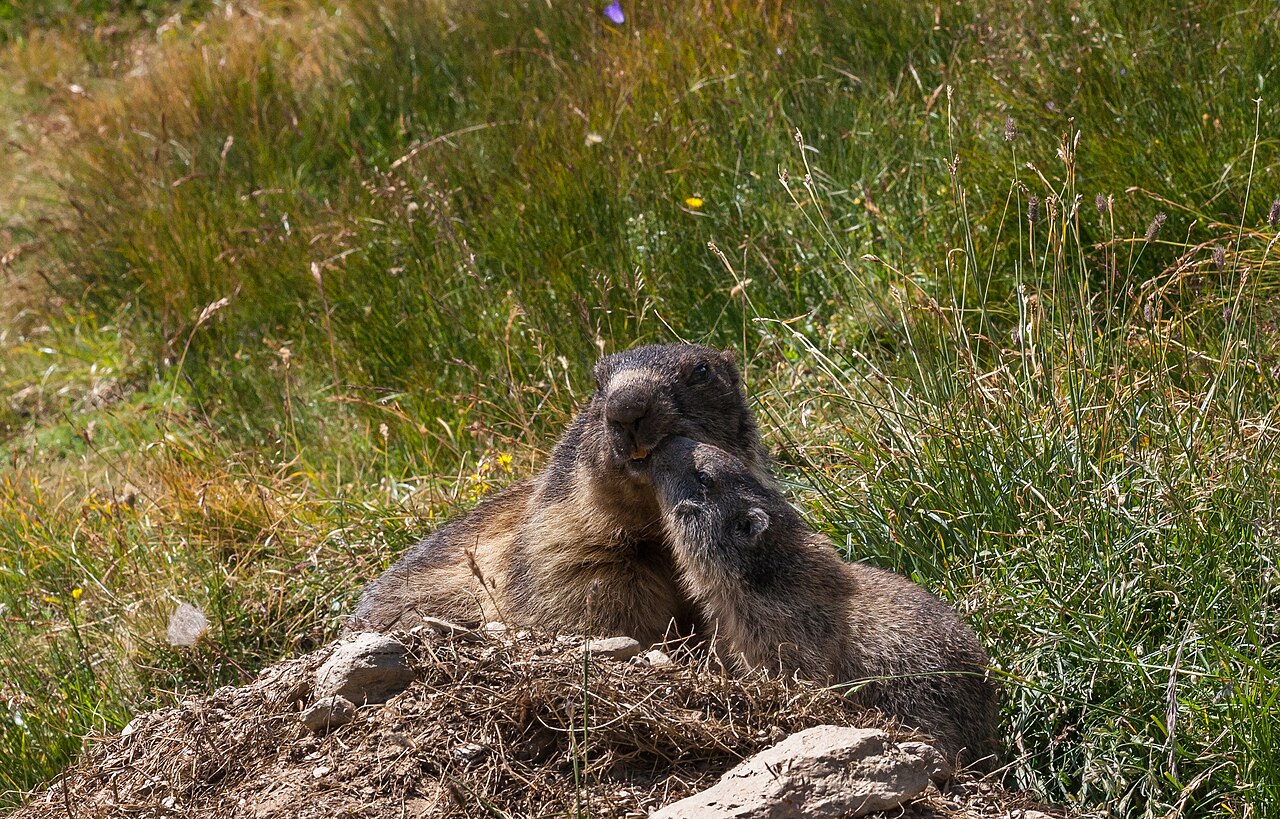
Marmots retreat into burrows, where family members hibernate together. Their body temperature and breathing rate fall, reducing energy use.
Hibernation includes brief periods of waking. It is not simply uninterrupted sleep from autumn until spring, but a changing state carefully tied to survival.
A mountain family above ground
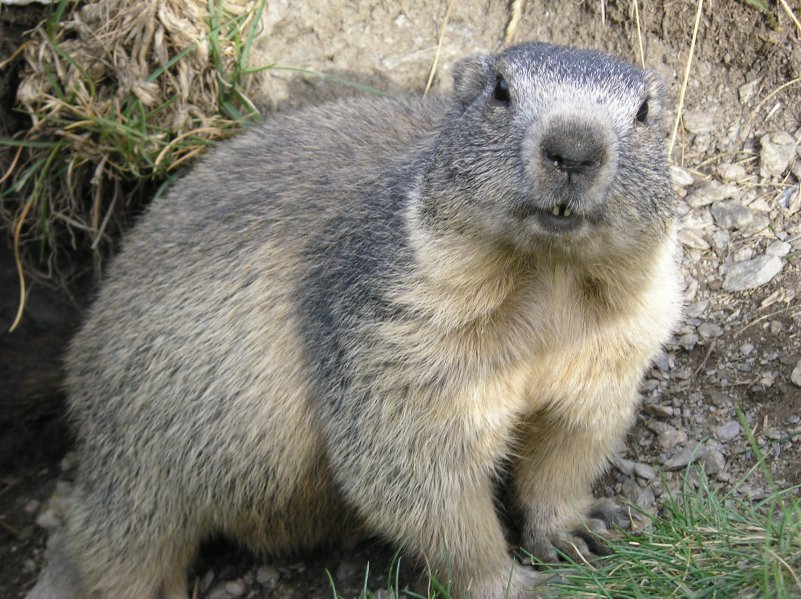
During the active season, Alpine marmots greet one another, groom, and keep watch. A sharp whistle can warn others when danger approaches.
Their home is therefore both a feeding area and a social neighborhood. Giving wild marmots room, rather than drawing them close with food, lets these natural routines continue.
The next time a marmot pauses beside an Alpine trail, consider the hidden calendar behind that moment. Its summer life is already helping it meet the winter beneath the mountain grass.
Photo credits
Featured image: 071 Wild marmot at Grand Muveran Nature Reserve Photo by Giles Laurent.jpg — Photography captured by Giles Laurent; CC BY-SA 4.0.

Body photograph: Alpine Marmot Family.jpg — EpsilonEridani; CC BY-SA 4.0.

Body photograph: Marmota marmota Alpes2.jpg — François Trazzi.; CC BY-SA 3.0.

Photographs resized for web display where available. Existing crops are identified in their source filenames.