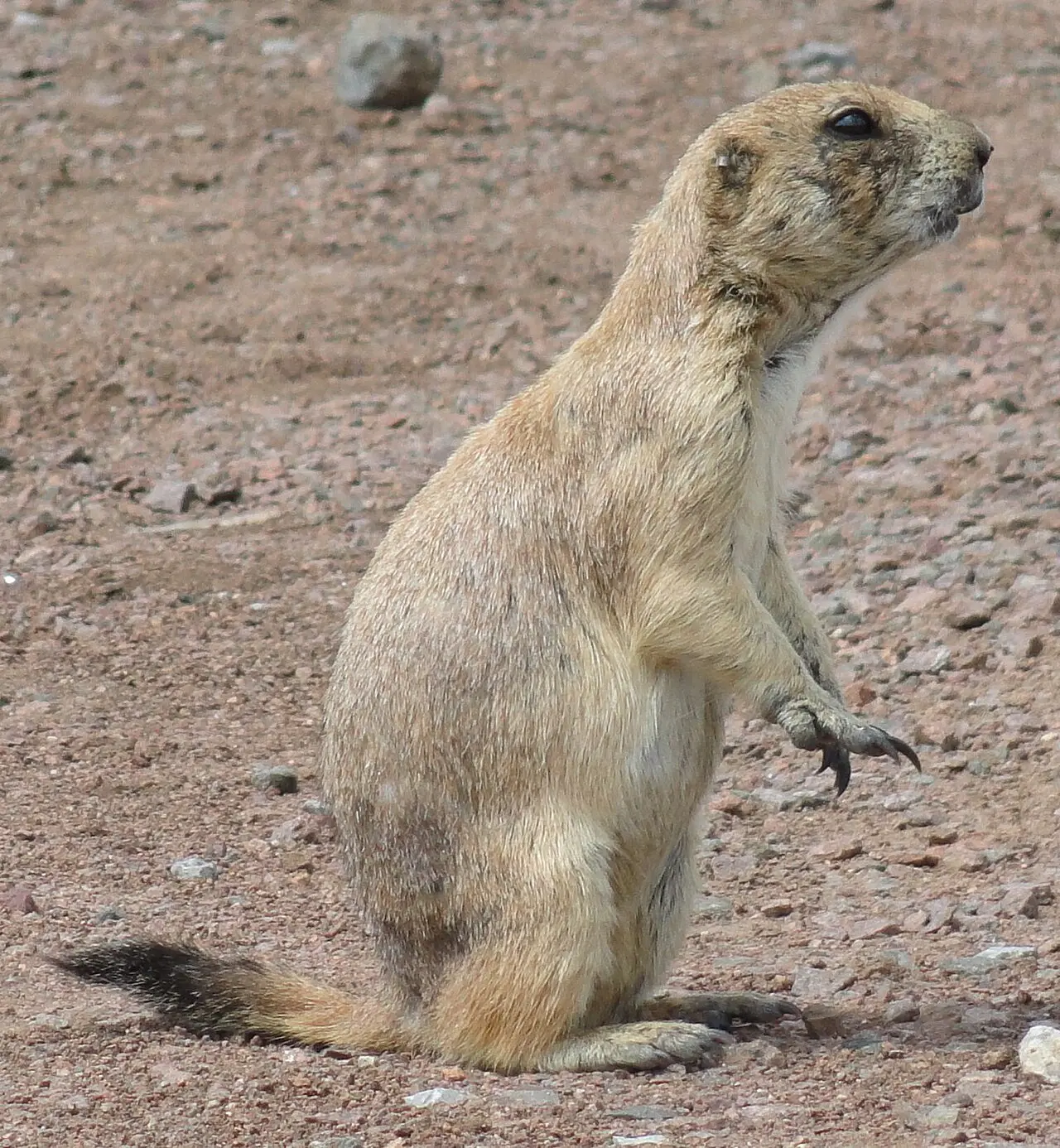
A black-tailed prairie dog’s bark can send a warning across a grassy neighborhood. Despite the name, this alert little animal is a rodent—a member of the squirrel family.
Cynomys ludovicianus lives on North America’s Great Plains. Its social world stretches above and below the ground.
A town built by digging
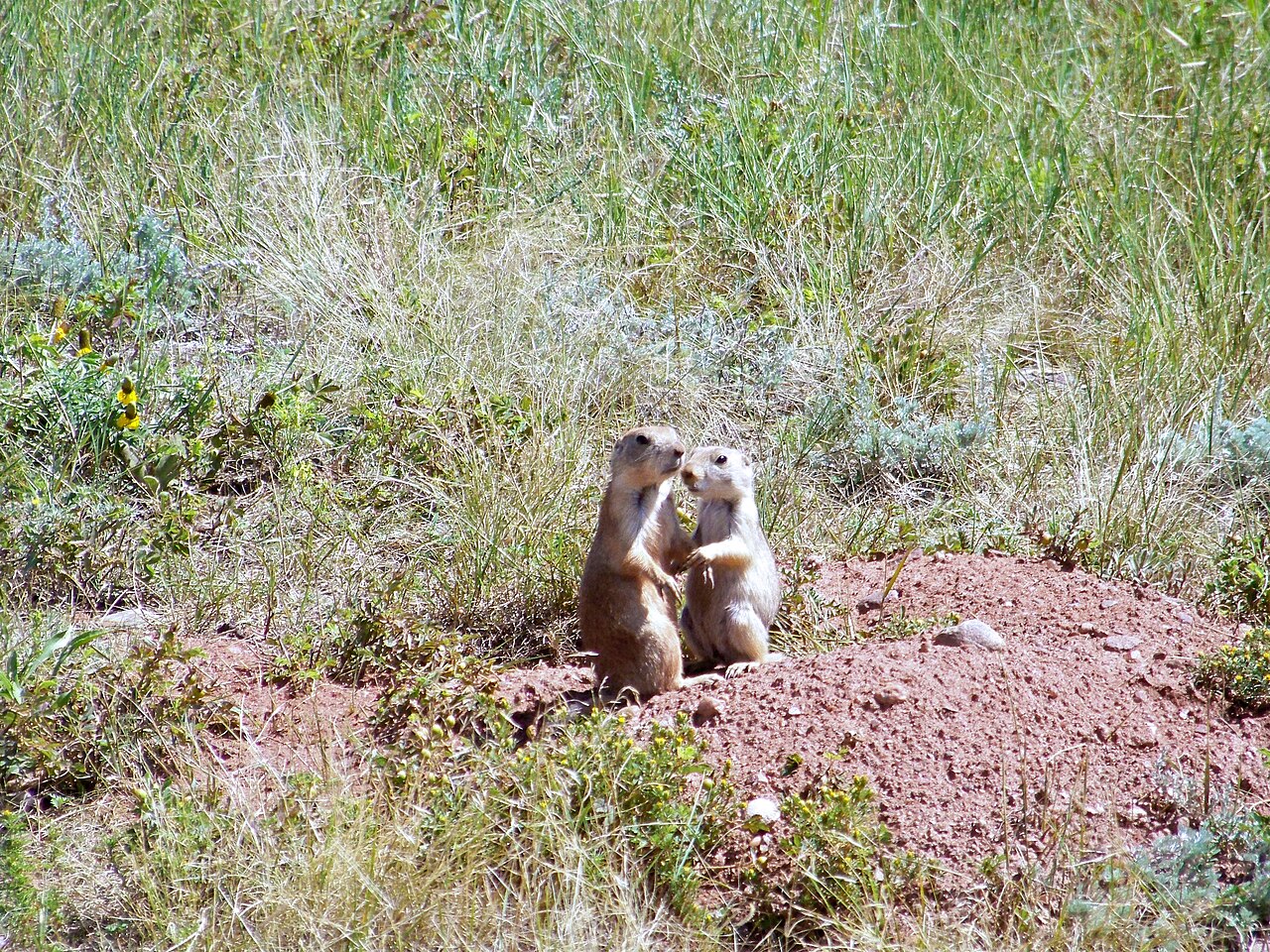
The Smithsonian’s National Zoo describes colonies called towns, divided into smaller family groups known as coteries.
Burrows contain connected tunnels and chambers. Multiple entrances offer escape routes, while raised earth around an opening can help keep water out. Cutting back tall plants improves the view of approaching danger.
Calls with a purpose
Prairie dogs use a range of sounds, including alarm calls and the conspicuous jump-yip display. Research suggests some variation in calls associated with different predators.
That is fascinating without needing to label every sound a human-like word. Calls, posture, and the actions of nearby animals work together in a busy social setting.
A small digger with wider influence
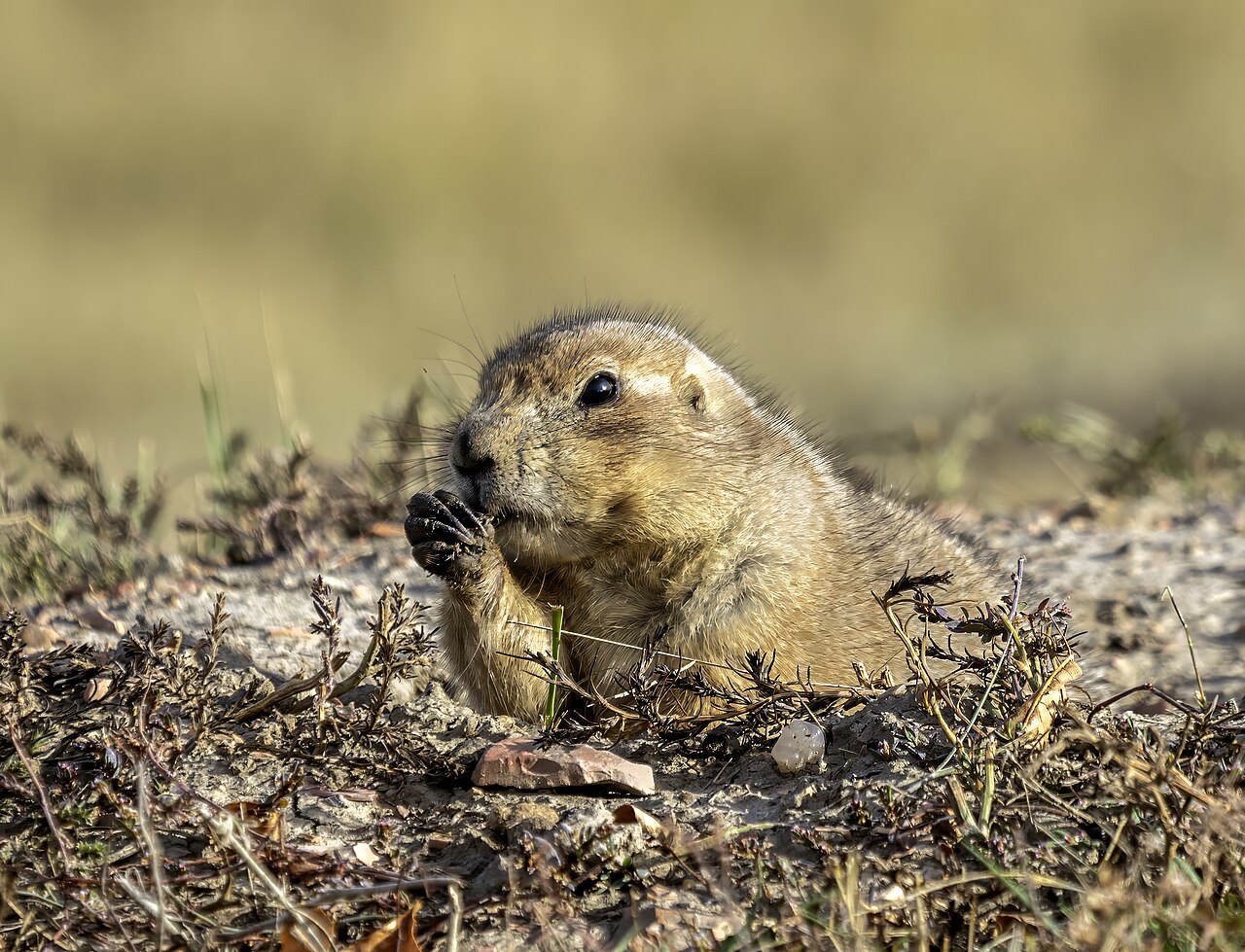
Burrows can shelter other animals, including burrowing owls. The digging and grazing of prairie dogs also change the surrounding grassland.
Habitat loss, eradication, and sylvatic plague have placed pressure on colonies. Their future matters to more than prairie dogs alone.
Watch a town quietly and an apparently simple patch of grass becomes a community. Each raised head and warning call reveals how closely its neighbors’ lives are connected.
Photo credits
Featured image: Black-tailed Prairie Dog-Wichita Mountain Wildlife Refuge-1.jpg — LeonardoWeiss; CC BY 3.0.

Body photograph: Cynomys ludovicianus (black-tailed prairie dogs) (Wind Cave National Park, Black Hills, South Dakota, USA) 3.jpg — James St. John; CC BY 2.0.

Body photograph: Prairie dog Theodore Roosevelt NP ND1.jpg — Acroterion; CC BY-SA 4.0.

Photographs resized for web display where available. Existing crops are identified in their source filenames.