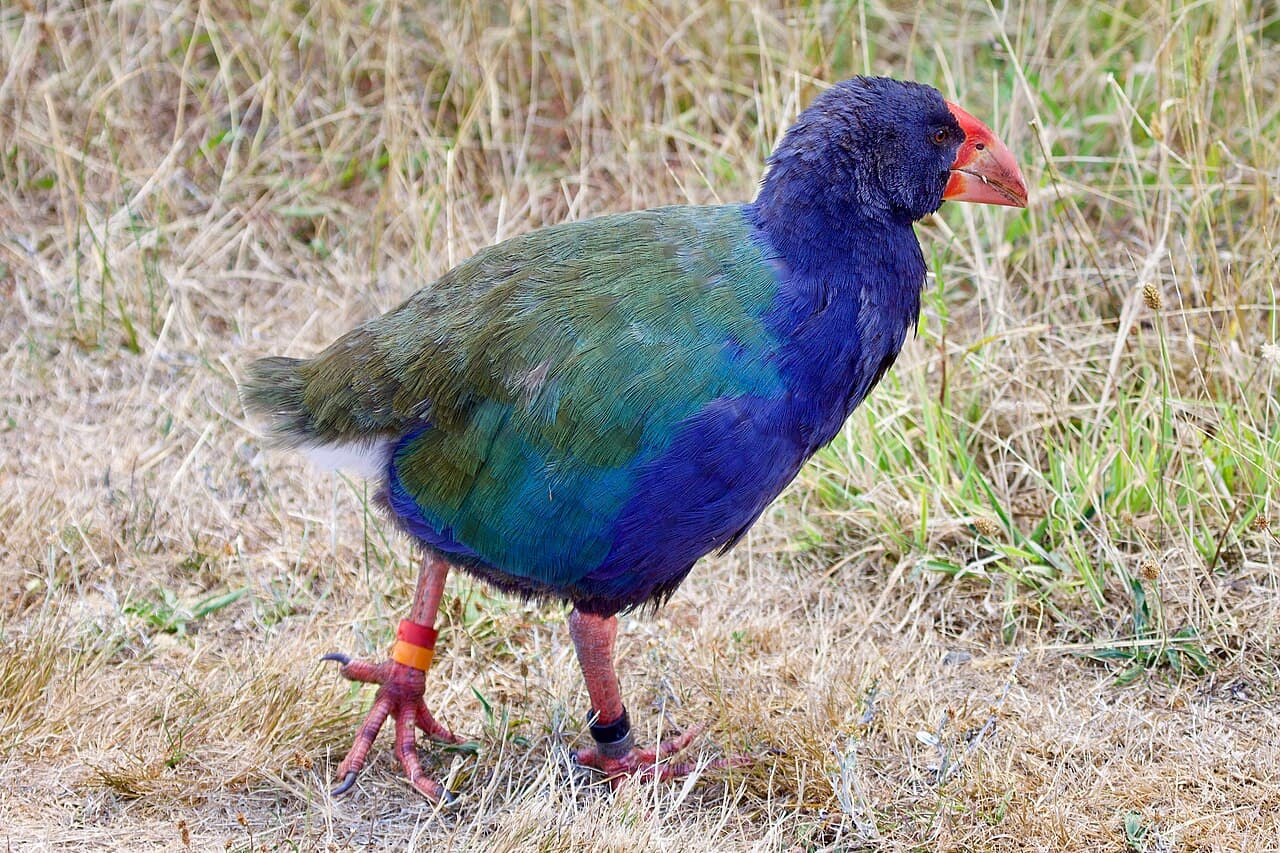
For decades, people believed the takahē was gone. Then, in 1948, a living population was found in a remote part of New Zealand's South Island.
The takahē had survived beyond the reach of ordinary sightings. Its return to scientific attention began a conservation story that continues today.
A Bird With Unmistakable Colors
The living South Island takahē is Porphyrio hochstetteri. It has a thick red bill, sturdy red legs, and feathers that shift from deep blue to green.
The Department of Conservation identifies it as the world's largest living rail. Rails are a family of birds that also includes much smaller species.
Takahē have wings, but they cannot fly. They use those wings in displays, including during courtship and confrontations.
A Powerful Bill for a Grass-Eating Life
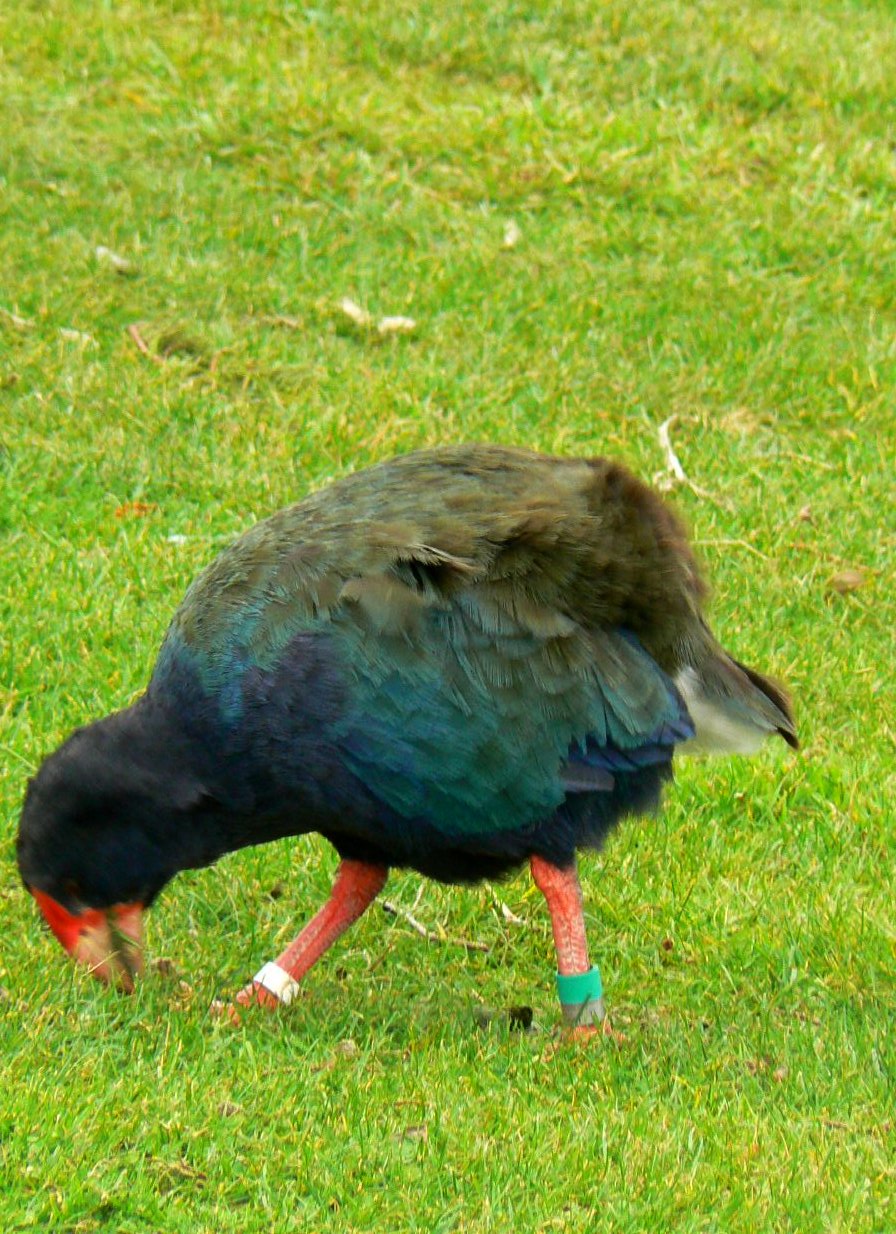
A takahē's heavy bill is useful equipment. It feeds mainly on the nutritious bases of tussock grasses and sedges, with seeds also eaten when available.
Auckland Zoo describes how the bill cuts and strips grass to reach the growth at the base.
That feeding method helps explain the bird's shape. A broad bill and strong body suit a life spent working through vegetation on the ground.
The Rediscovery That Changed Everything
Geoffrey Orbell and his companions found the surviving population in the Murchison Mountains above Lake Te Anau in 1948.
The discovery did not mean the species had returned from extinction. It meant birds had survived while people believed otherwise.
New Zealand's Department of Conservation dates its long-running takahē recovery effort to that rediscovery. Breeding, transfers to safer sites, and wild releases have all been used to help secure its future.
Protecting a Bird That Cannot Fly Away
Introduced mammalian predators are a major threat. Deer can also compete for the plants the birds need.
Takahē are slow to build their numbers: pairs normally raise only one or two chicks in a year. Protecting adults and breeding habitat therefore matters greatly.
The species is listed as Nationally Vulnerable under New Zealand's threat system. That national category should not be confused with a global assessment.
A Living Treasure
Takahē hold special significance for Ngāi Tahu, who work with conservation partners as guardians of this taonga, or treasure.
Recovery work now connects mountain habitats, island refuges, mainland sanctuaries, and the people caring for them. Auckland Zoo is among the organisations supporting that effort.
The takahē's story carries both hope and responsibility. Finding a species again is extraordinary. Keeping it safely part of the living world is the lasting achievement to work toward.
Photograph Credits
Featured image: Basar, CC BY-SA 4.0. Resized for display. South Island takahē, Porphyrio hochstetteri.

Body image 1: Nick Bramhall, CC BY-SA 2.0. Resized for display. Takahē on Tiritiri Matangi Island, a conservation refuge.

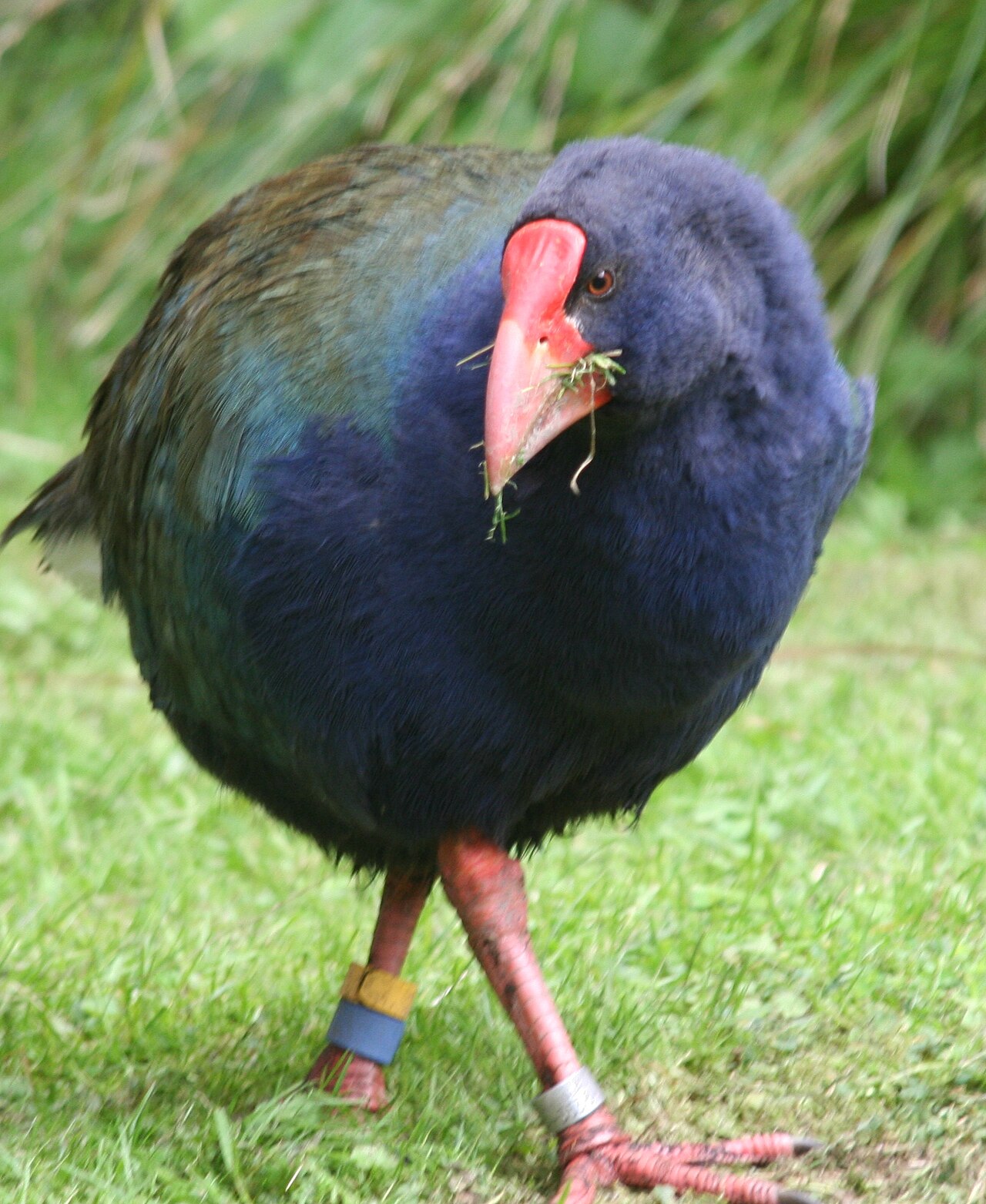
Body image 2: Duncan Wright, CC BY-SA 3.0. Resized for display. A female takahē named Noa, photographed on Kāpiti Island in 2008.
