
A small fox lowers its nose toward the ground and turns its enormous ears. It is listening for dinner.
The bat-eared fox uses sound to find insects, making its most noticeable feature a practical part of everyday survival.
Why Are Its Ears So Big?
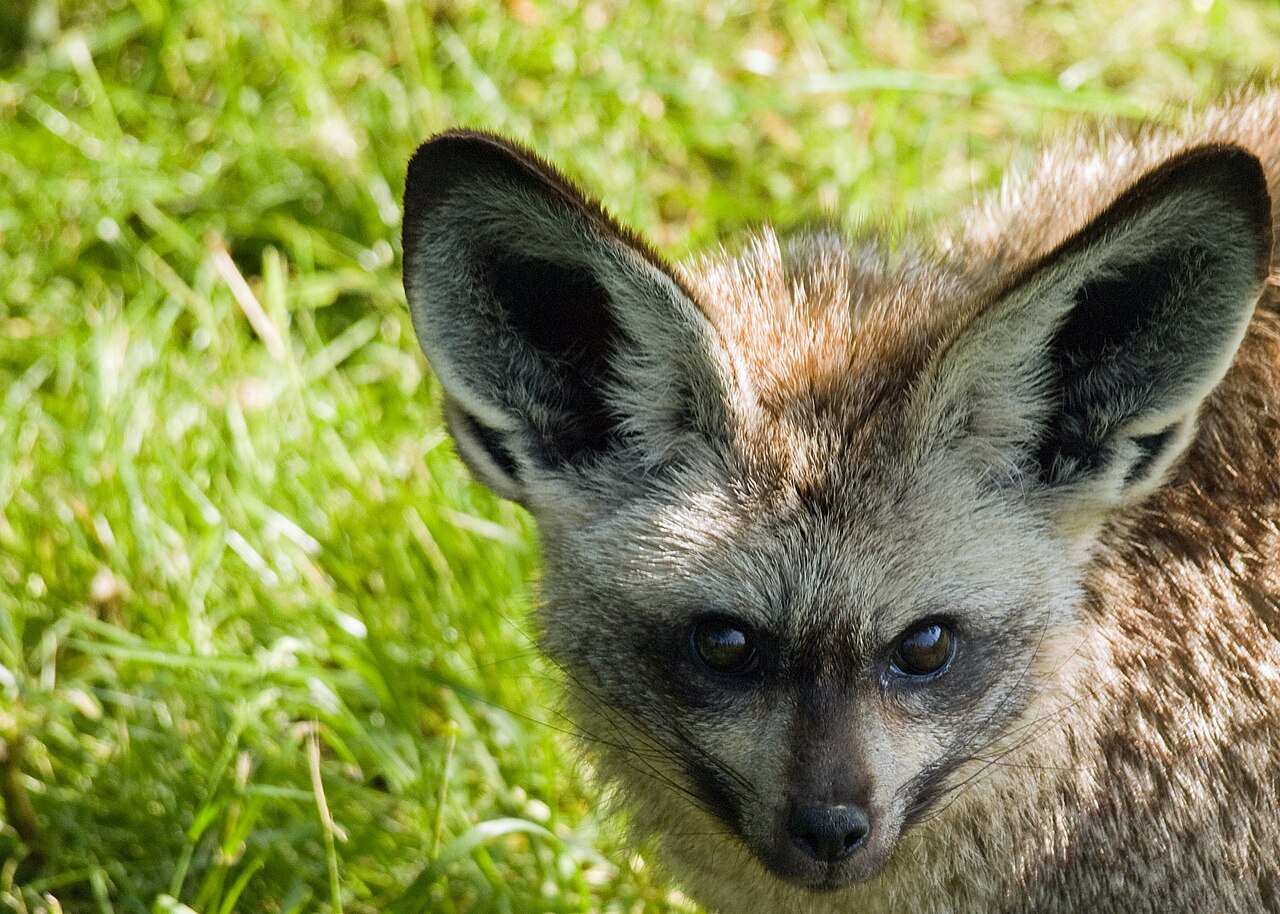
Bat-eared foxes have ears that can stand about 13 centimeters tall. Those ears help detect small prey moving nearby.
They also contain blood vessels that help release body heat. As San Diego Zoo explains, the ears help with both hearing and cooling.
Look beyond the ears and there is a sandy-gray coat, dark facial markings, dark feet, and a bushy tail. Its scientific name is Otocyon megalotis.
A Fox With a Taste for Termites
Insects form the main part of its diet, with harvester termites especially important. Dung beetles and other small animals add variety.
A hunting fox walks slowly with its head low and ears alert. Once it locates prey, it can dig or pounce to catch it.
Its teeth are unusual too. Bat-eared foxes have more molars than other living members of the dog family, helping them chew many small insect meals.
Life in Open African Country
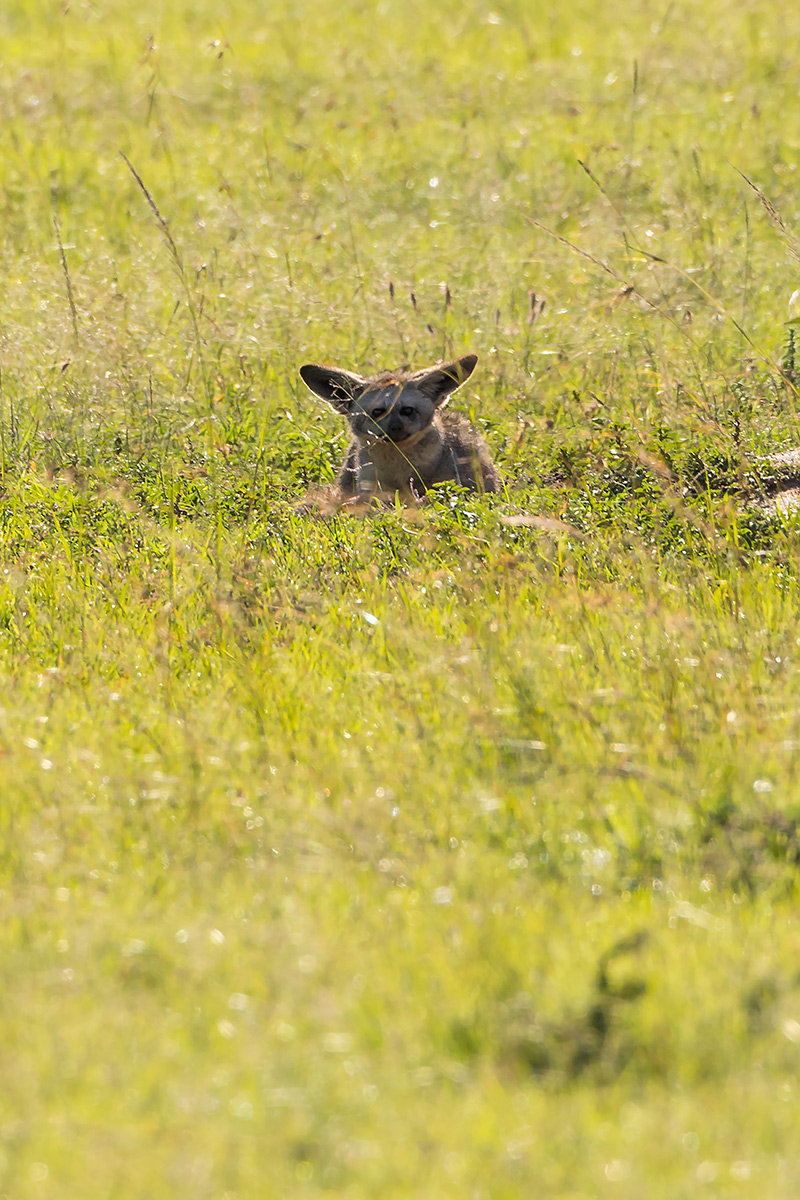
Bat-eared foxes live in eastern and southern Africa, especially short-grass savannas and other open habitats.
Their daily timetable changes with conditions. Animal Diversity Web describes nighttime activity in the Serengeti and a seasonal shift toward daytime activity during South African winters.
So “nocturnal” does not describe every fox in every season. Their routines respond to the world around them.
Family Life Beneath the Ground
Dens provide shelter and a place to raise young. Foxes can dig them or use burrows left by other animals.
Pairs and family groups spend time together, resting, grooming, and foraging. Fathers play an important role in guarding, grooming, and playing with the pups.
These small daily acts are part of the species' story too. The ears may attract attention first, but the family life gives us another reason to stay interested.
Common Does Not Mean Free From Threats
Bat-eared foxes remain fairly common in parts of their range. They can still face local pressures.
The Smithsonian's National Zoo identifies habitat loss and environmental degradation among threats to some populations. San Diego Zoo also notes hunting and killing linked to the belief that they threaten young livestock.
Understanding their insect-heavy diet gives a clearer picture of their place in the landscape.
A bat-eared fox turns a patch of grass into a world of sounds most people miss. Its oversized ears invite us to imagine how much life is happening just beyond our hearing.
Photograph Credits
Featured image: Dumphasizer, CC BY-SA 2.0. Resized for display. The bat-eared fox's oversized ears are its most striking feature.

Body image 1: Godbolemandar, CC BY-SA 4.0. Resized for display. Bat-eared fox resting in the Masai Mara National Reserve, Kenya.

Body image 2: Dumphasizer, CC BY-SA 2.0. Resized for display. A closer view of the bat-eared fox's head and ears.
