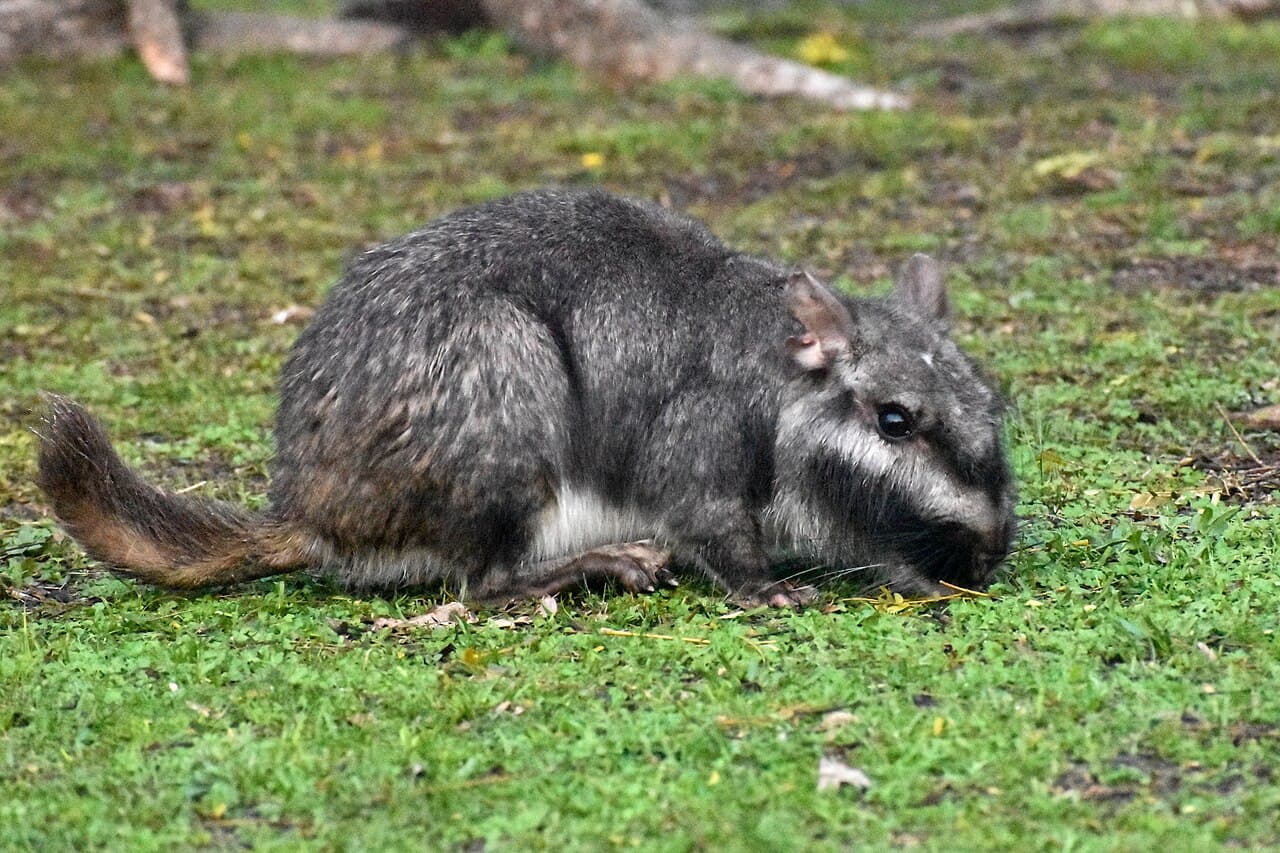
Beneath a quiet South American plain, tunnels and chambers connect a colony of rodents. At dusk, the residents begin to appear.
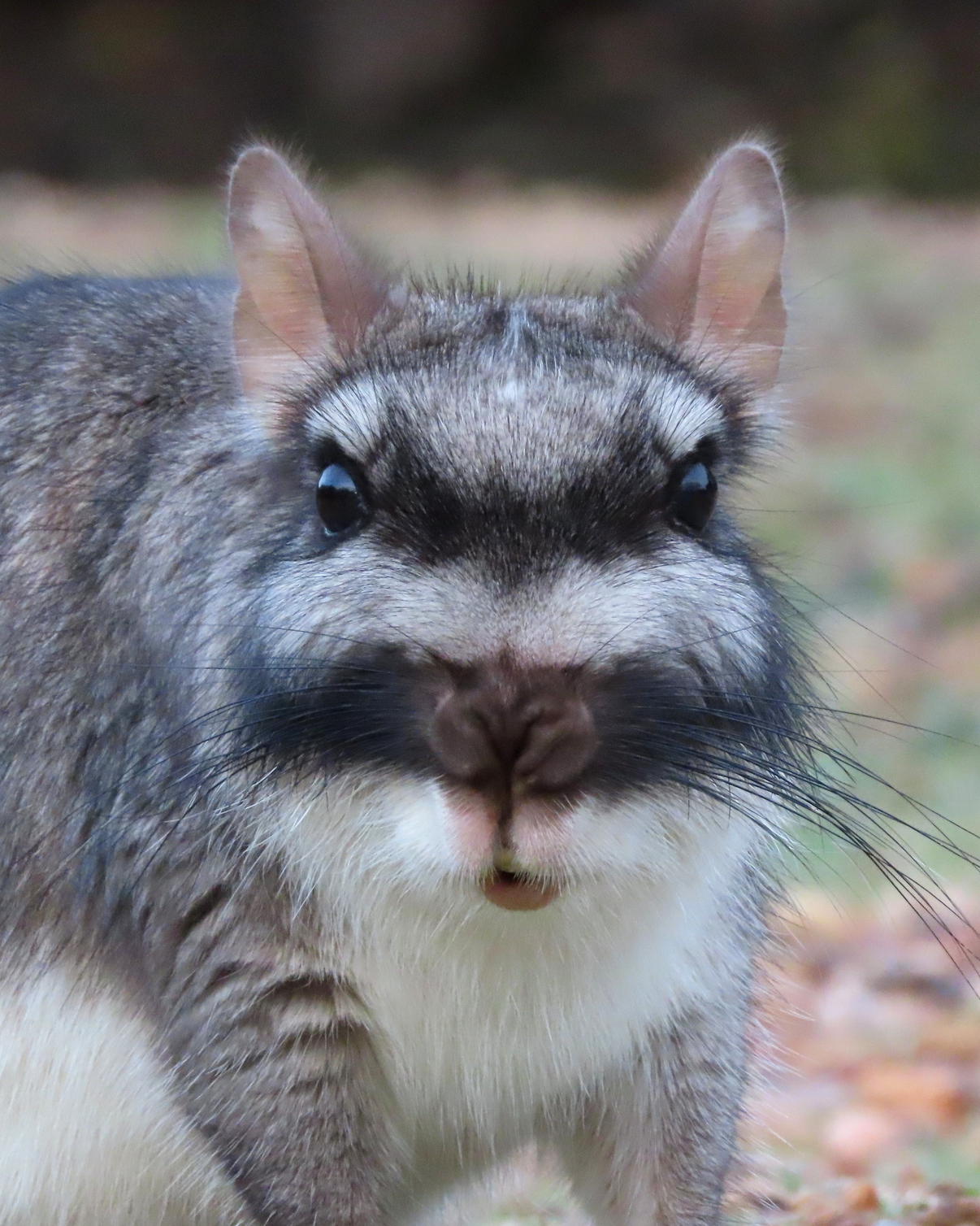
One glance at the broad face, long whiskers, and bold dark-and-light markings makes the plains viscacha difficult to forget.
A Rodent With a Remarkable Face
The plains viscacha, Lagostomus maximus, belongs to the chinchilla family. Despite its long ears and rounded appearance, it is a rodent rather than a rabbit.
The University of Michigan's Animal Diversity Web account describes its strong claws and striking facial stripes. Males are substantially larger than females.
Those features create a distinctive portrait. But to understand the animal, we also need to look below its feet.
The Underground Home Called a Viscachera
Plains viscachas build shared burrow systems called viscacheras. These contain connected tunnels, chambers, and several entrances.
They provide shelter from predators and places to raise young. Groups may include several dozen animals.
Research published in the Journal of Zoology describes the long-term social unit as the female group, with adult males changing over time. A viscachera is therefore more than a hole: it is a long-term meeting place for a changing community.
Life Above Ground
Plains viscachas are mostly active at night, emerging around dusk to feed on grasses and other plant foods.
They communicate through calls and scent. Grooming and close contact also feature in colony life.
Watching one sitting outside a burrow gives only a brief view of that larger pattern. The tunnels, neighbors, and nightly feeding trips are all part of the story.
Knowing Which Viscacha You Are Seeing
Plains viscachas and mountain viscachas are different animals. Photographs of rodents resting on Andean rocks should not automatically be used for this species.
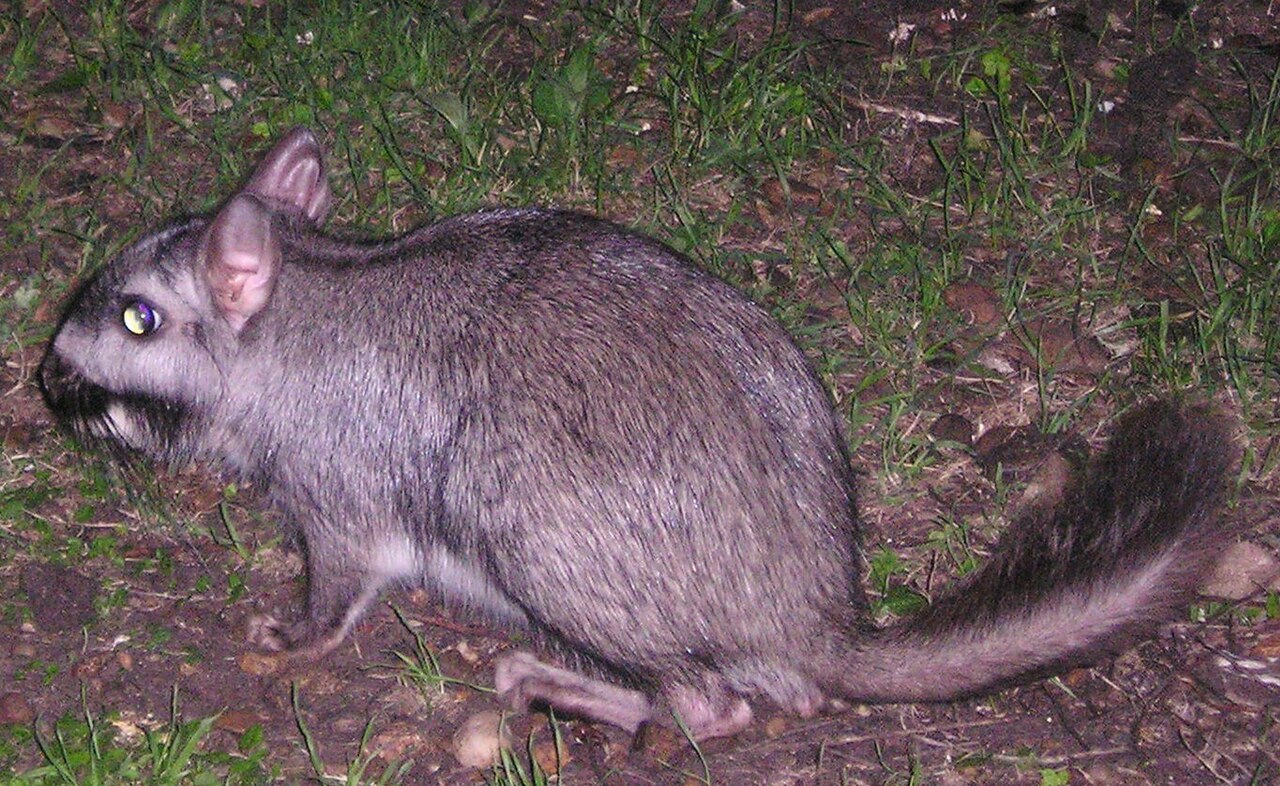
Argentina's National Parks biodiversity system provides a species record for Lagostomus maximus. The photographs here are specifically identified as plains viscachas from Argentina.
Accurate identification helps us appreciate the animal's own habitat and behavior.
Sharing the Plain
Burrowing and feeding can bring viscachas into conflict with farming. The Animal Diversity Web account records control campaigns and the species' use by people for meat and fur.
That relationship deserves more thought than a simple “cute animal” label. A colony lives within a landscape also used by people and other wildlife.
A plains viscacha's face may win our attention first. Its shared underground home gives us a reason to keep looking—and to imagine the hidden neighborhoods beneath an open plain.
Photograph Credits
Featured image: Ezequiel Racker, CC BY 4.0. Resized for display. Plains viscacha, Lagostomus maximus, in Argentina.

Body image 1: Nicolas Olejnik; crop by YukiKoKo, CC BY 4.0. Resized for display. A plains viscacha's patterned face; source image cropped and adjusted.

Body image 2: Eric Bousquet, CC BY-SA 3.0. Resized for display. Plains viscacha photographed at El Palmar National Park; source image cropped and enhanced.
