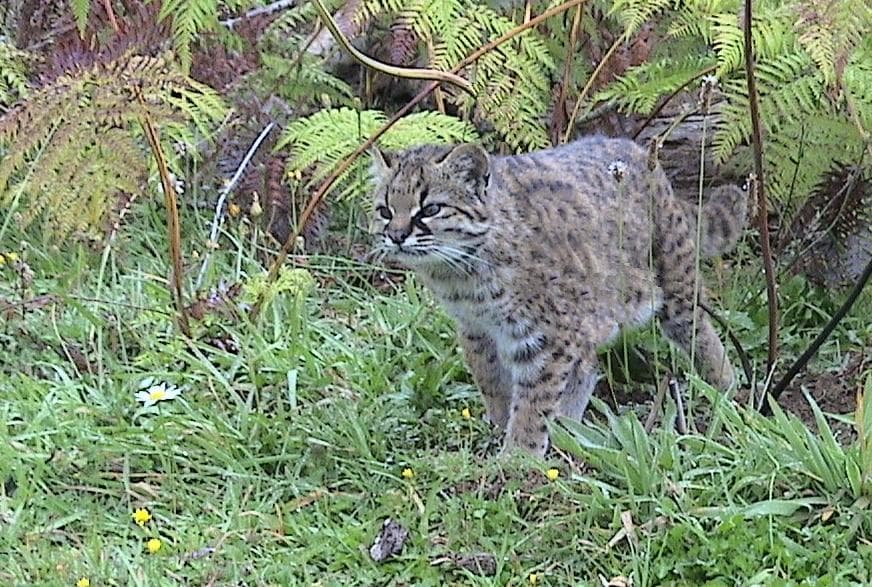
The smallest wild cat in the Americas can disappear among ferns and forest shadows. Called the kodkod or guiña, this little predator weighs roughly 1.5–3 kilograms. Its small size makes it easy to overlook, but its habitat needs deserve close attention.
The kodkod, Leopardus guigna, lives in central and southern Chile and neighboring parts of Argentina. Its world includes temperate forests, quite different from the tropical jungle many people picture when they hear “spotted wild cat.”
Small ears, spots, and a bushy tail
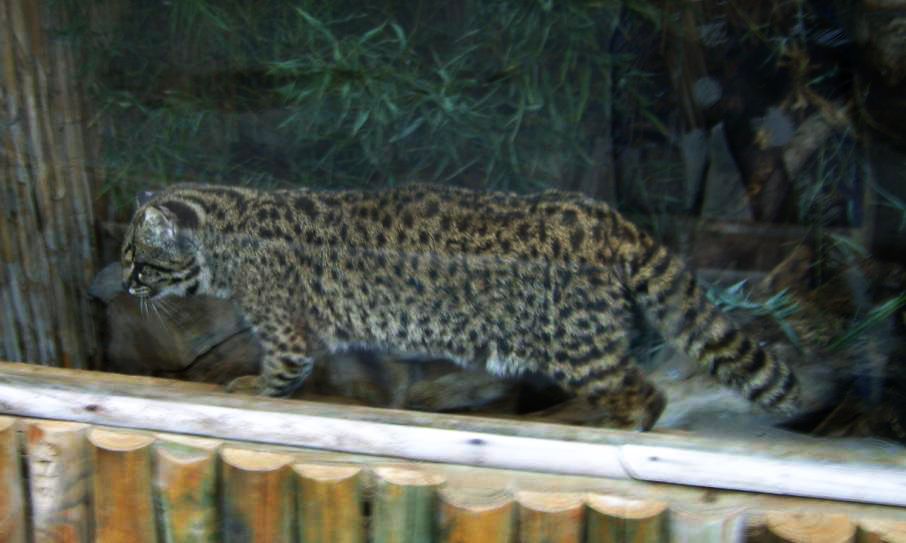
A kodkod's coat can range from gray-brown to reddish or buff, with many dark spots. Its rounded ears and thick, ringed tail help create its distinctive outline.
Some kodkods are very dark, a condition called melanism. A dark coat does not make them a separate species.
The International Society for Endangered Cats describes the kodkod as a skilled climber that mainly hunts on the ground. Rodents and other small animals form its prey.
Why the plants between forests matter
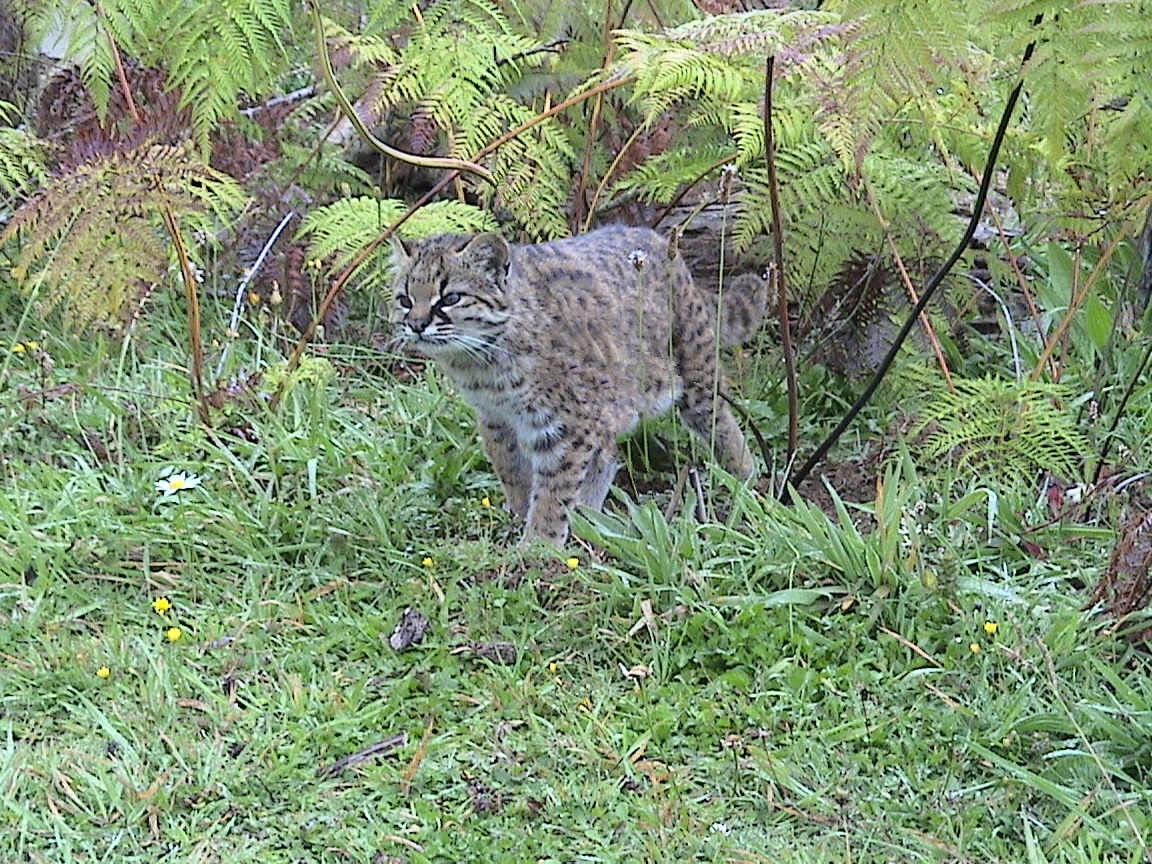
Dense vegetation gives these cats shelter and routes through a landscape. They can use some altered habitats, but that flexibility has limits.
A pasture with little cover is very different from a wooded strip linking two forest patches. The IUCN Cat Specialist Group highlights vegetation corridors as essential in some human-dominated landscapes.
That means conservation is about the spaces between reserves as well as the reserves themselves.
A small cat in a changing landscape
Logging, agricultural expansion, fires, and roads can break up habitat. Free-ranging dogs and conflict over poultry create additional risks.
Secure chicken enclosures can reduce opportunities for conflict. Preserving native understory and connecting wooded areas can help cats move through places where people also live.
The Cat Specialist Group currently reports a global Least Concern classification, while also describing serious risks for some regional populations. A global label cannot tell every local story.
The kodkod's future depends on attention to those local details. Behind a curtain of ferns is a wild cat whose survival is tied to the shape of the forest around it.
Photo credits
Featured image: Guigna Jim Sanderson cropped.JPG — Jim Sanderson; crop by Izvora, CC BY-SA 3.0.

Body image 1: Guigna Jim Sanderson.jpg — Jim Sanderson, CC BY-SA 3.0.

Body image 2: Guigna 2.jpg — Lycaon.cl; image improved by Wikimedia Graphic Lab, CC BY-SA 3.0.

Images supplied at up to 1,280 pixels wide for web display; smaller originals are retained at their original size. Crops or rotations are identified in their credits and captions.