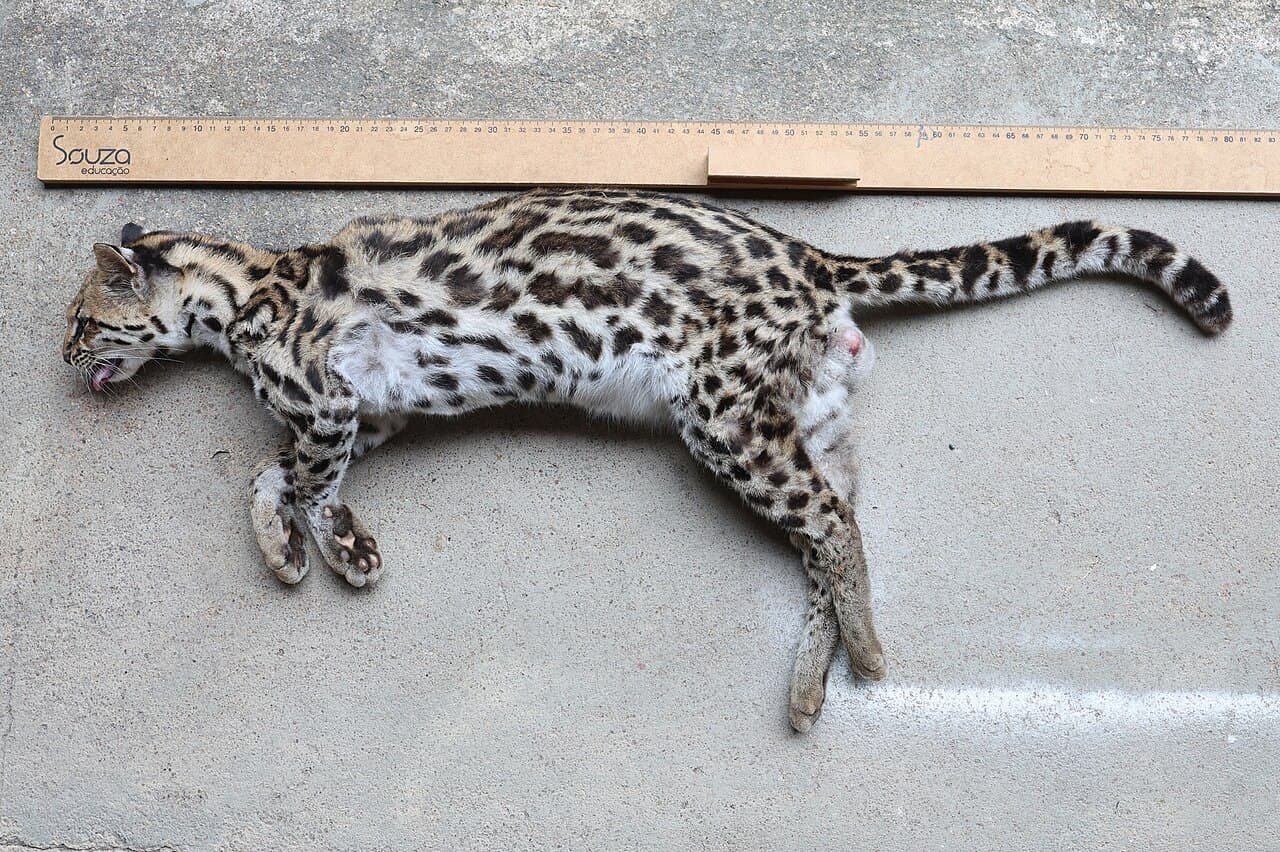
A tiny spotted cat can hide more than its body in the forest. It can also hide an entire branch of the family tree. The cats long grouped under names such as oncilla and tiger cat look so alike that scientists have needed DNA to understand their differences.
That makes the oncilla a fascinating story of both wildlife and discovery. It also means older maps and names need careful reading.
What does “oncilla” mean?
Oncilla has commonly been used for the northern tiger cat, Leopardus tigrinus, and more broadly for related small tiger cats. These animals belong to Leopardus, the same genus as margays and ocelots.
Older accounts describe a slender, spotted hunter found across widely separated parts of Central and South America. The Cat Specialist Group's northern tiger cat account explains the long-standing difficulty of separating these similar-looking populations.
DNA reveals a more complicated picture
A 2026 study in Current Biology, also summarized by the Universidad Mayor de San Andrés, analyzed complete genomes from 38 Leopardus cats. Museum specimens helped researchers compare animals from places difficult to sample today.
The study found five distinct species within the tiger-cat complex. These include the newly described Bolivian Leopardus tilcayo, alongside previously named relatives.
The lesson is simple: animals that look almost identical can have separate evolutionary histories.
Small hunters with different homes
Tiger cats have spotted or rosetted coats and hunt small prey. Many are mainly nocturnal, though activity varies. They can climb, but much hunting happens on the ground.
Their homes are also varied. The group includes cats associated with forests and others using more open wooded or scrub habitats. Treating every oncilla record as one rainforest species would hide those differences.
Better names can support better protection
A newly separated species may occupy a smaller area than the old, combined map suggested. That changes the questions conservationists must ask about habitat loss and population size.
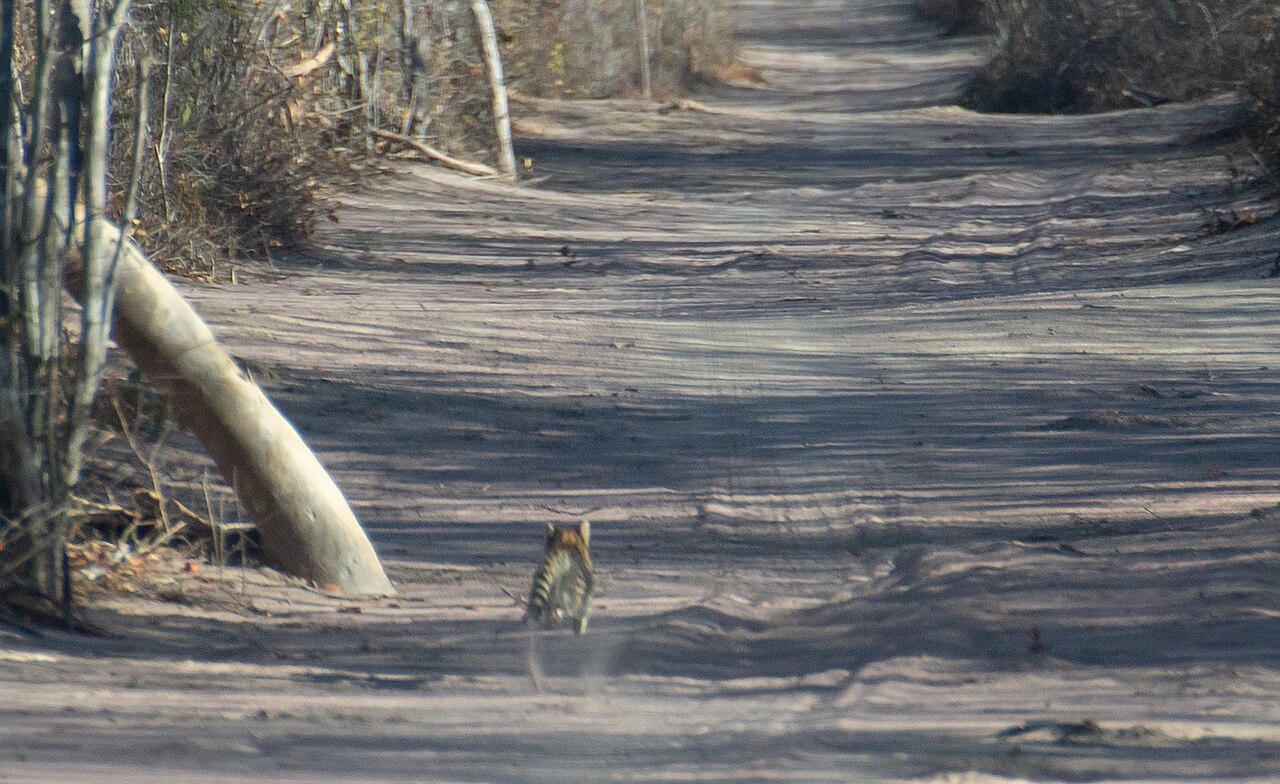
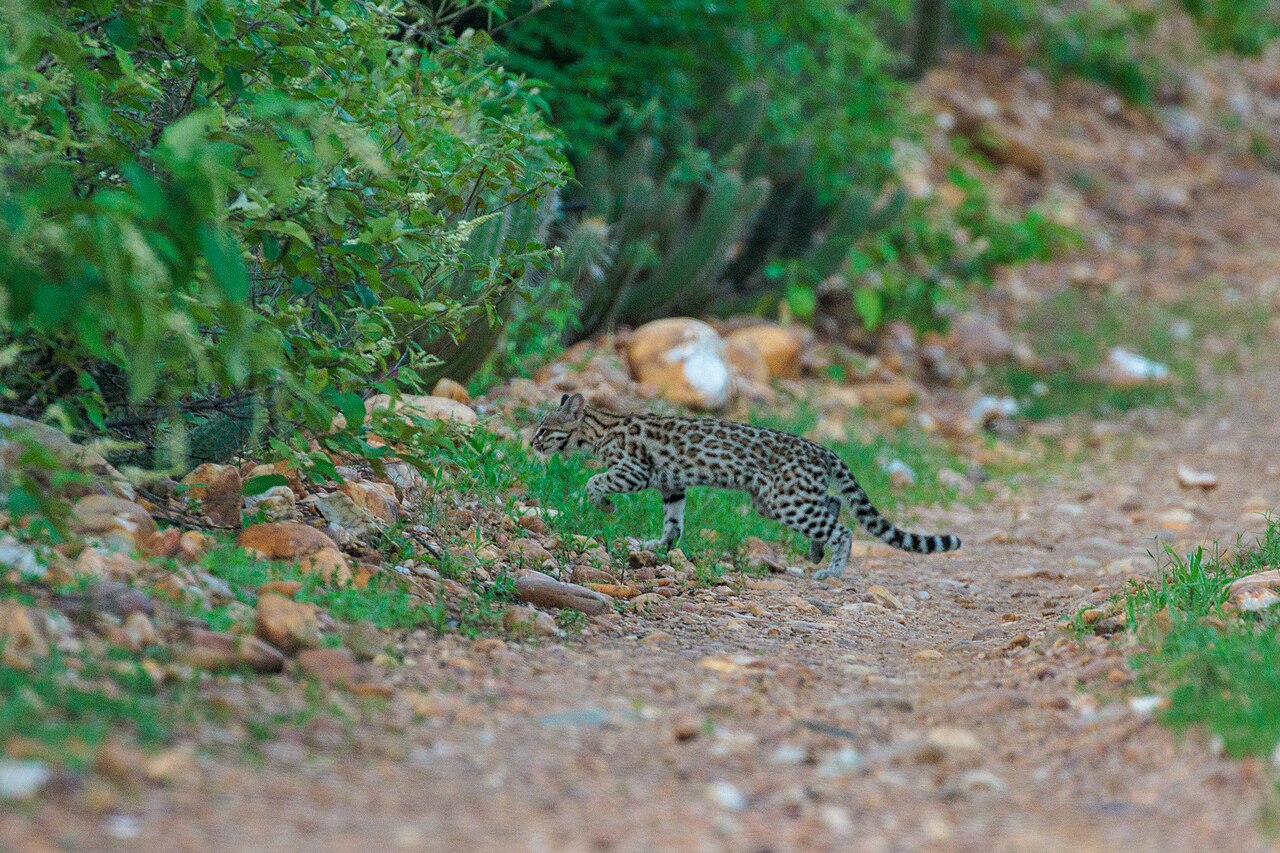
The photographs here distinguish a cat recorded as L. tigrinus from Snethlage's tiger cat, L. emiliae, a related member of the complex.
The oncilla's story reminds us how much remains to discover. Even familiar-looking mammals can carry surprises written into their DNA.
Photo credits
Featured image: Leopardus tigrinus 590142153 (rotated).jpg — Artur Alves; rotation by Wikimedia contributors, CC BY 4.0.

Body image 1: Leopardus tigrinus emiliae 205677490.jpg — w_endo, CC0.

Body image 2: Snethlage's Tigrina imported from iNaturalist photo 354017009 on 2 August 2024.jpg — Thomaz de Carvalho Callado, CC BY 4.0.

Images supplied at up to 1,280 pixels wide for web display; smaller originals are retained at their original size. Crops or rotations are identified in their credits and captions.