The Fennec Fox’s Enormous Ears Help It Hear and Lose Heat
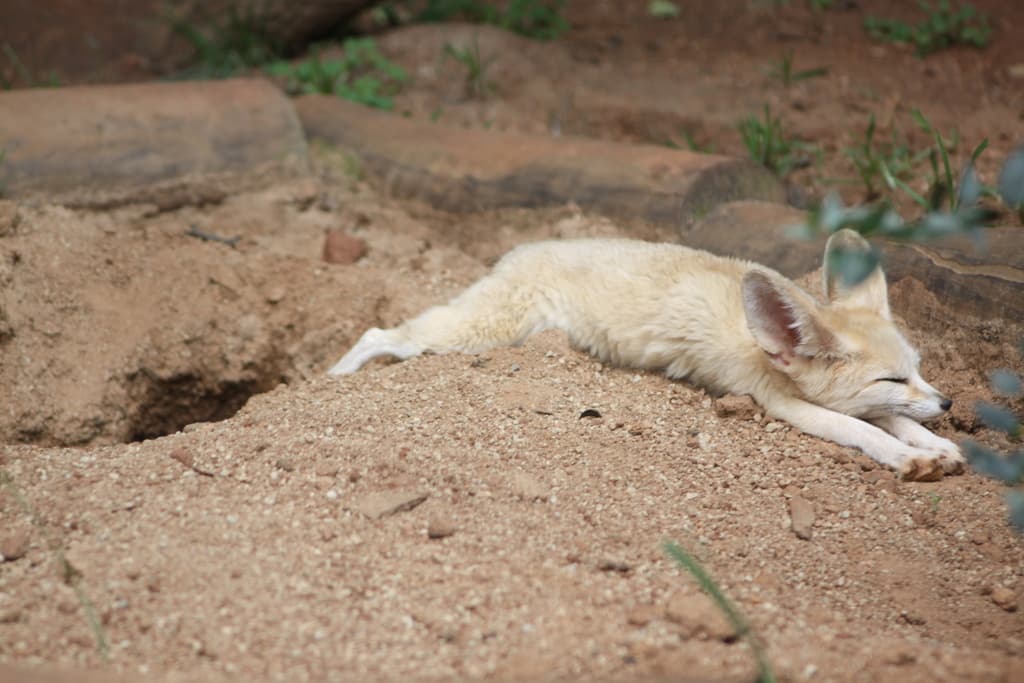
A fennec fox’s large ears help release heat and locate prey. Explore the desert adaptations behind the world’s smallest canid.
A fennec fox’s large ears help release heat and locate prey. Explore the desert adaptations behind the world’s smallest canid.
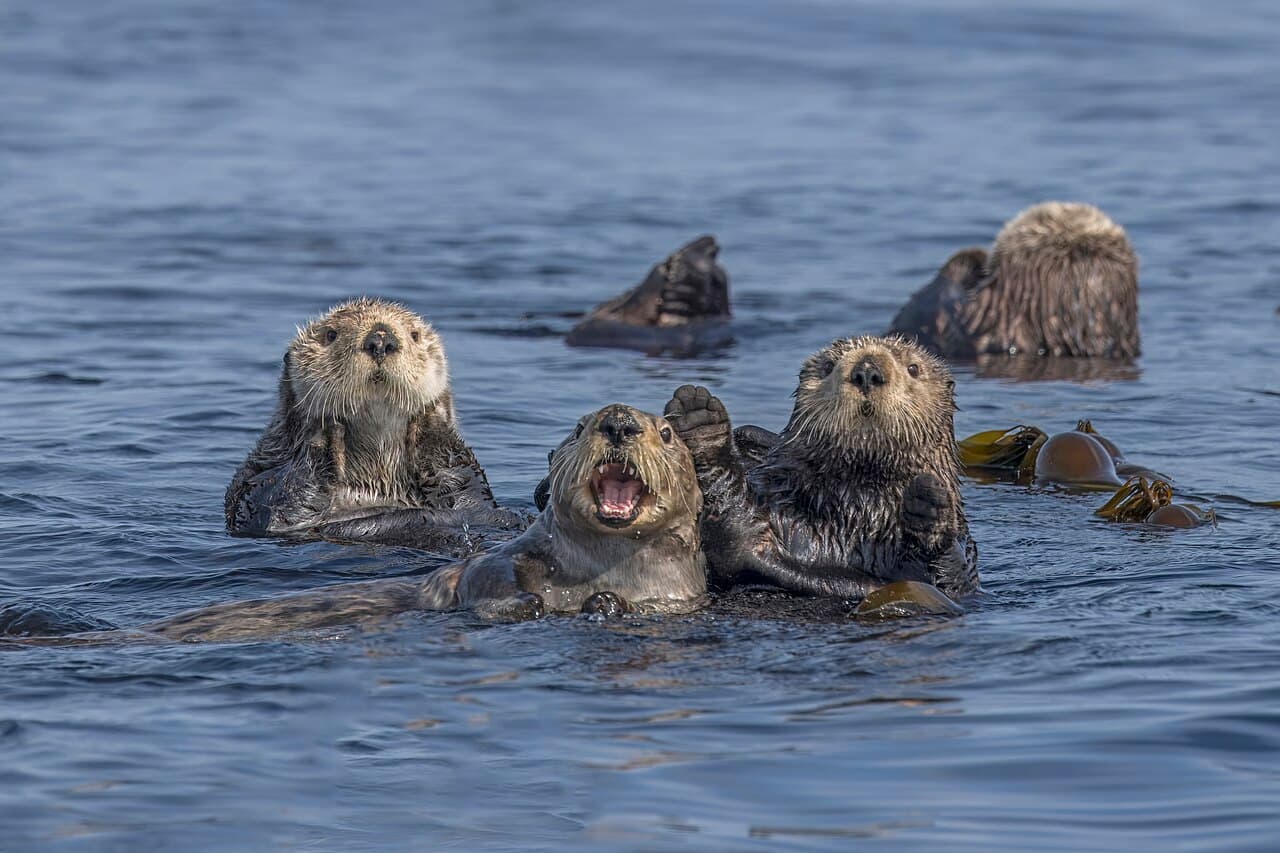
Sea otters use rocks and other tools to open hard prey. Discover how tool use can protect teeth and why dense fur matters in cold water.
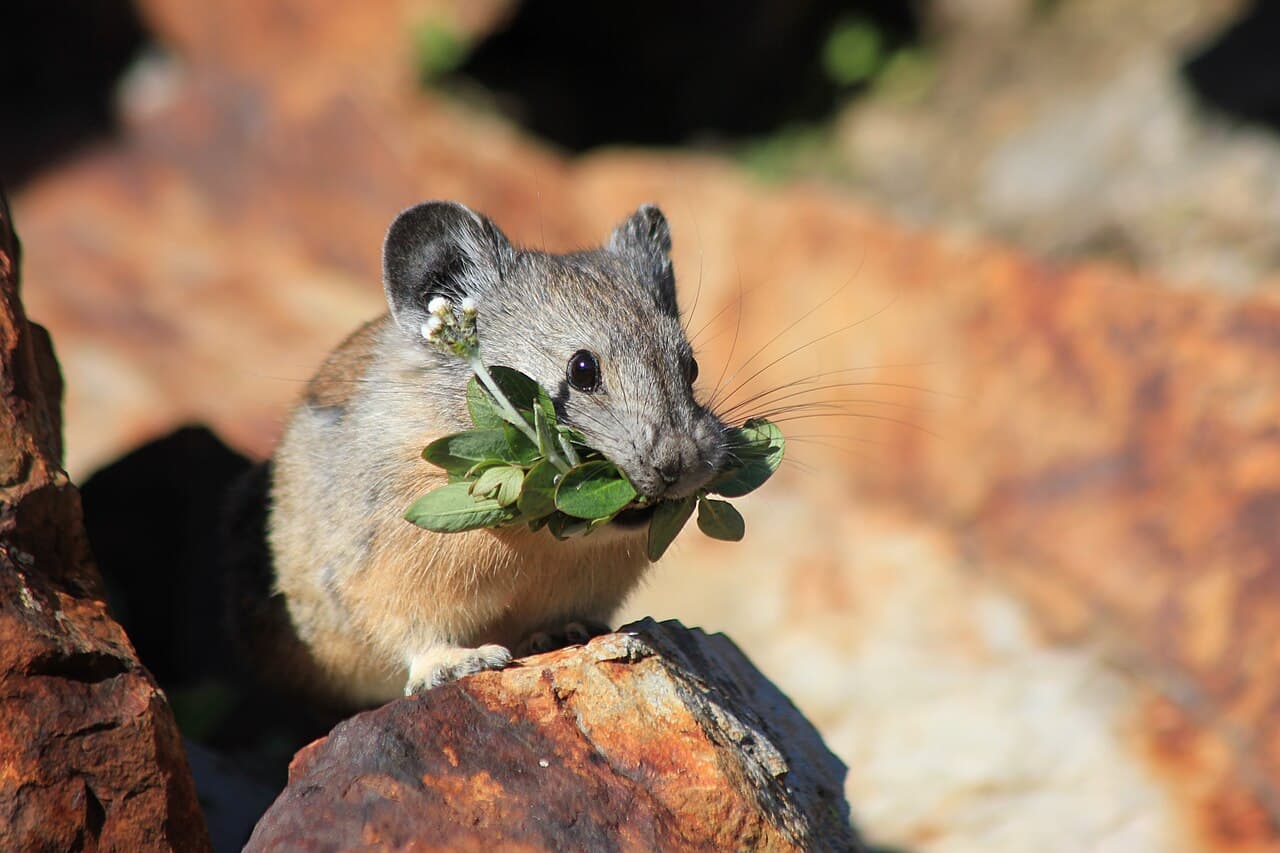
American pikas collect and store plants instead of hibernating. Discover the mountain haypiles that help these small rabbit relatives survive winter.
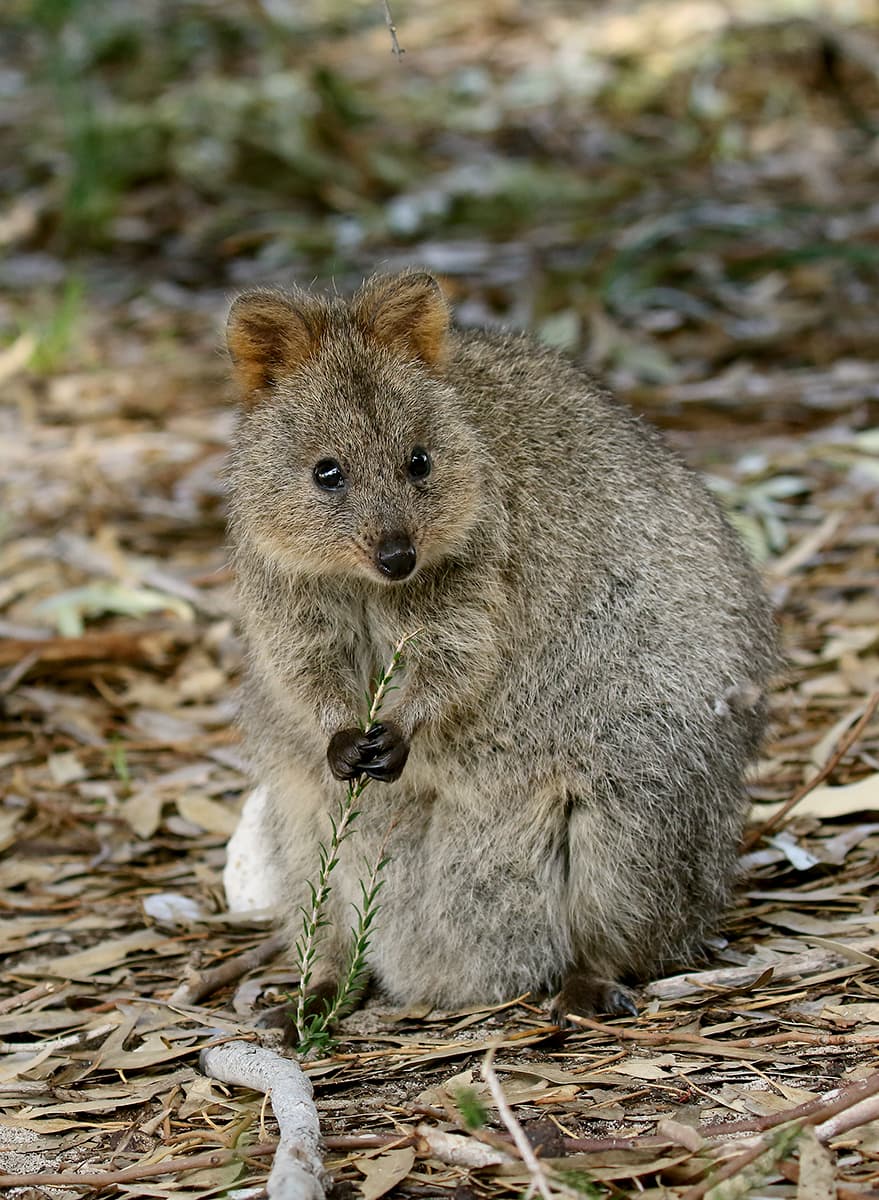
Quokkas are small wallabies, not permanent selfie partners. Discover their Western Australian habitat, feeding habits, and the story behind the smile.
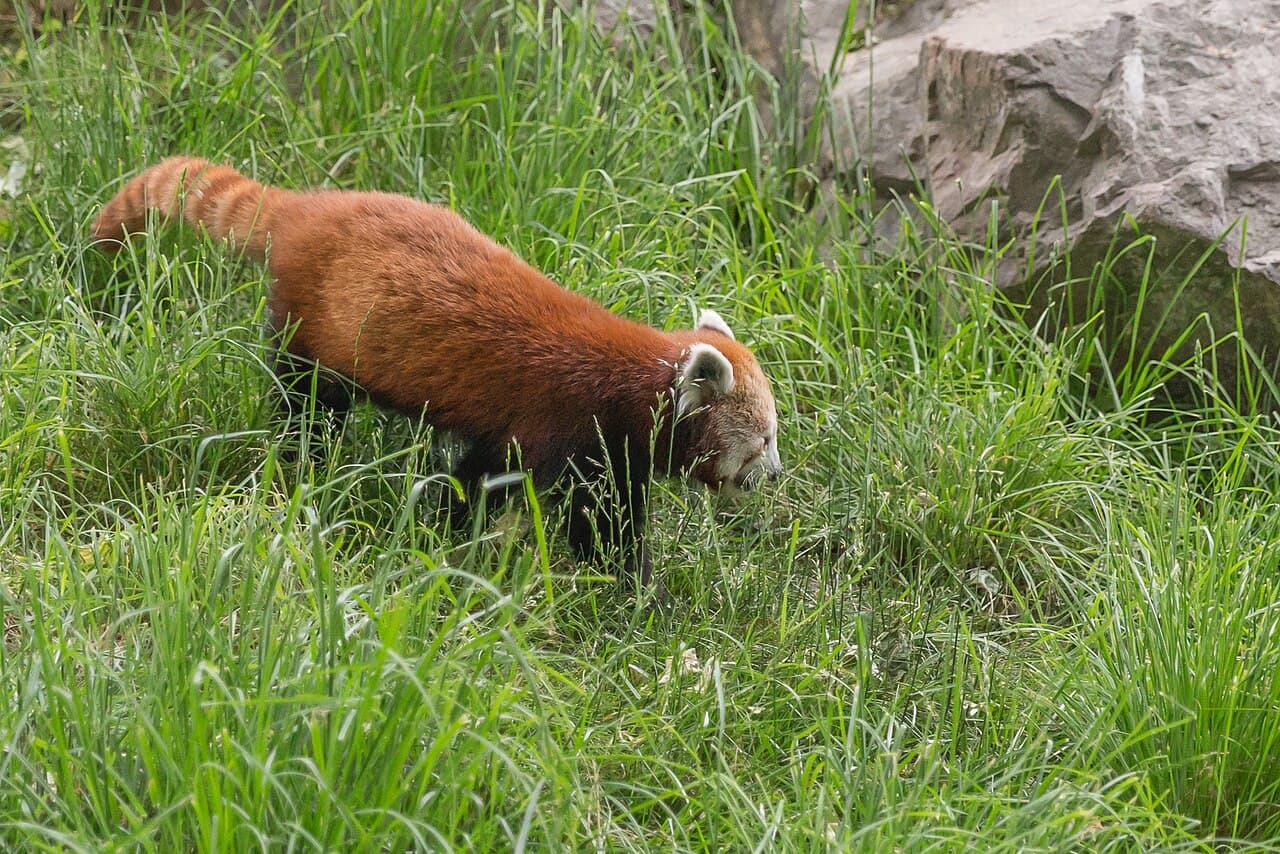
Red pandas use bushy tails for balance and warmth, plus a false thumb to handle bamboo. Discover the forest adaptations behind their charm.
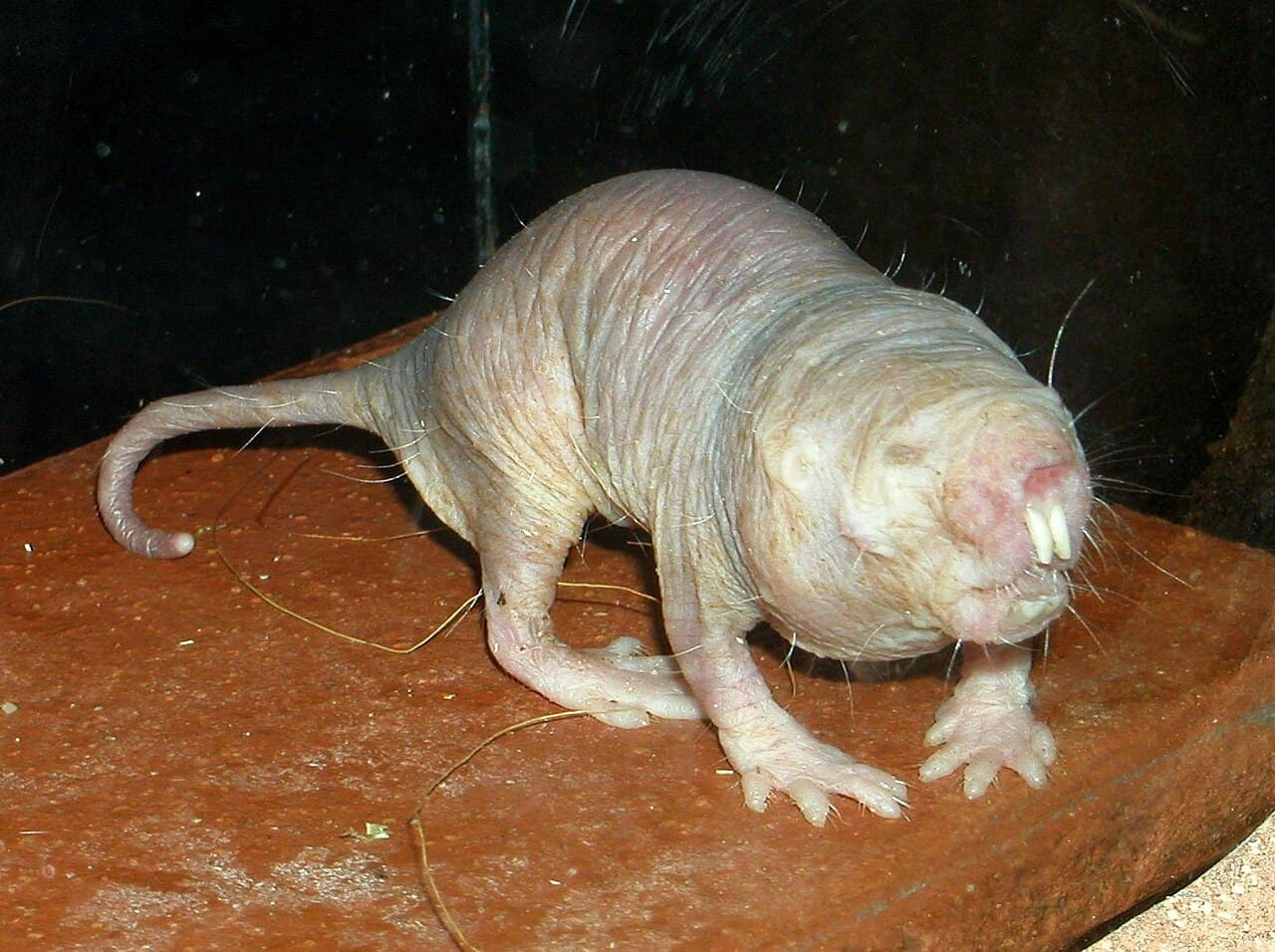
Naked mole-rats share underground work while a queen produces the pups. Explore the social organization behind these unusual East African rodents.
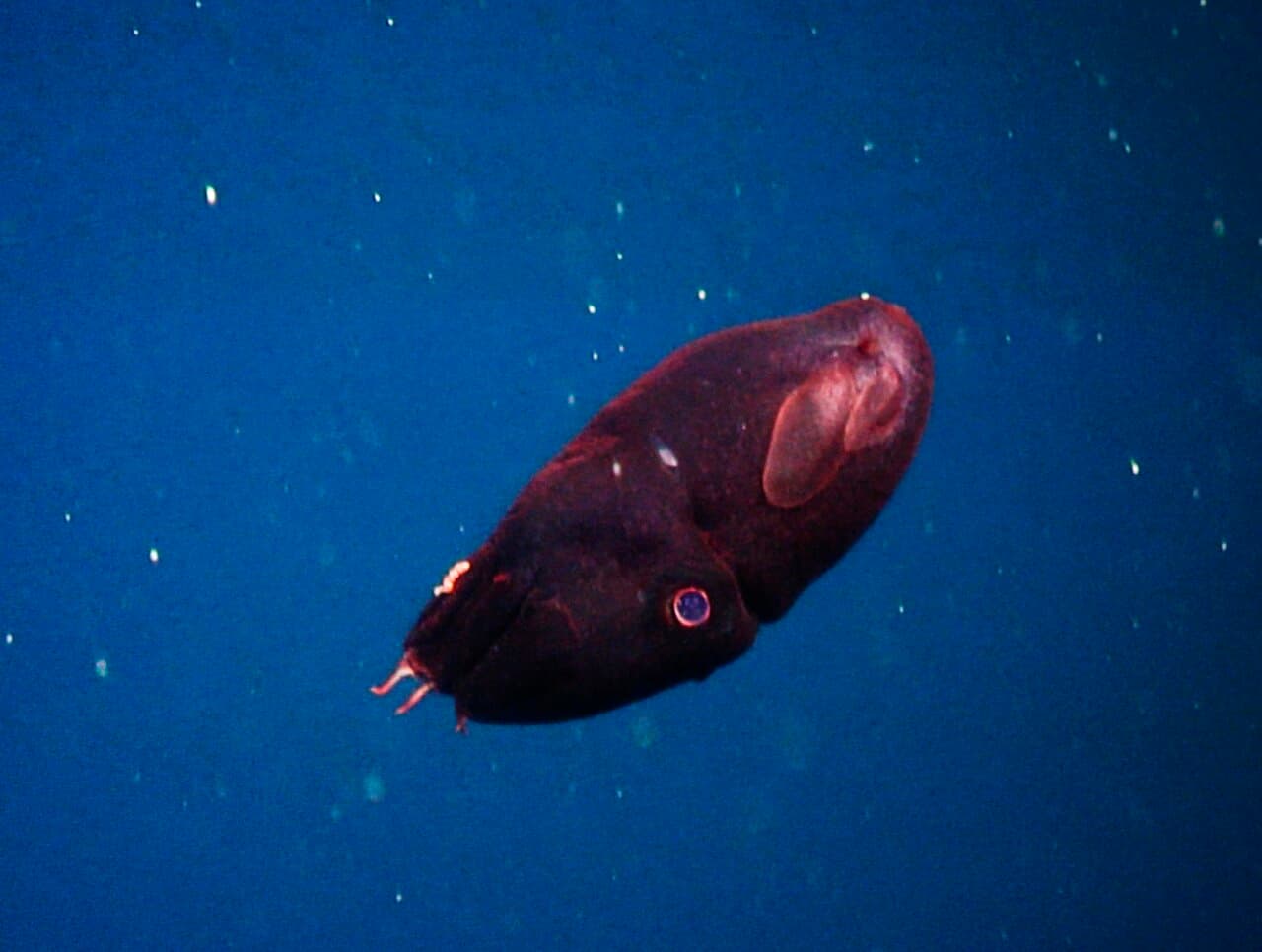
Despite its dramatic name, the vampire squid collects drifting organic debris. Discover its feeding filaments, webbed arms, and deep-water home.
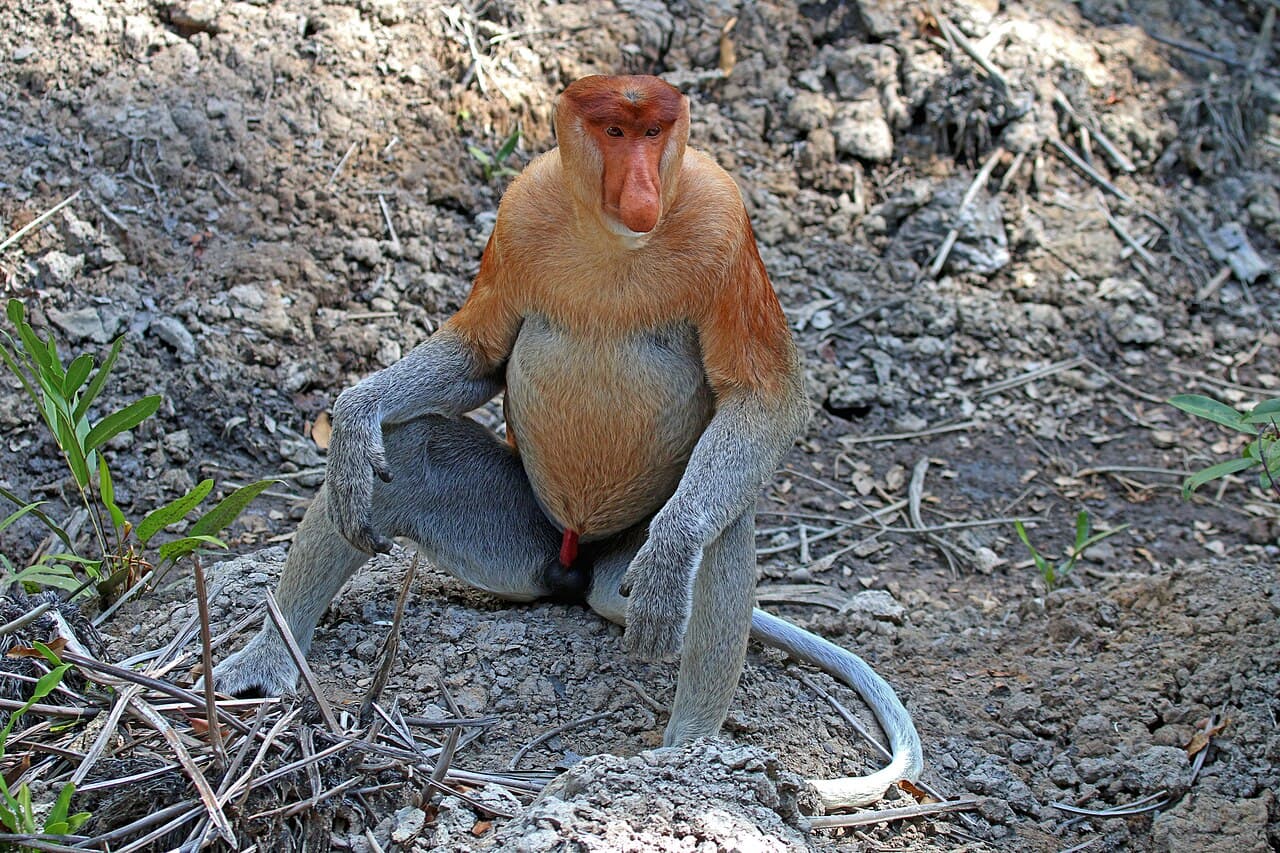
A male proboscis monkey’s large nose is more than a memorable face. Explore research on its signals and the Borneo forests it depends on.
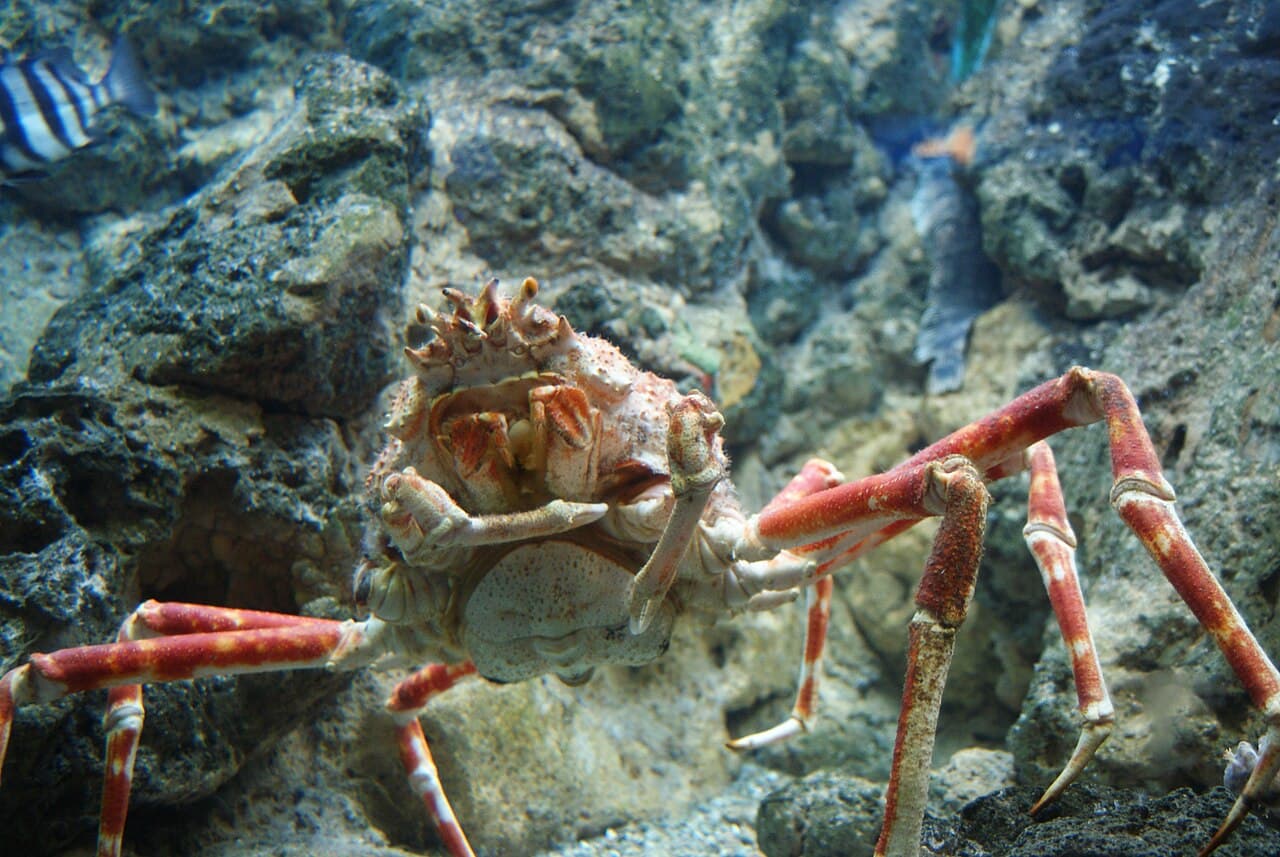
Japanese spider crabs have an extraordinary leg span. Discover how these giants live, grow, and become vulnerable when they shed their shells.
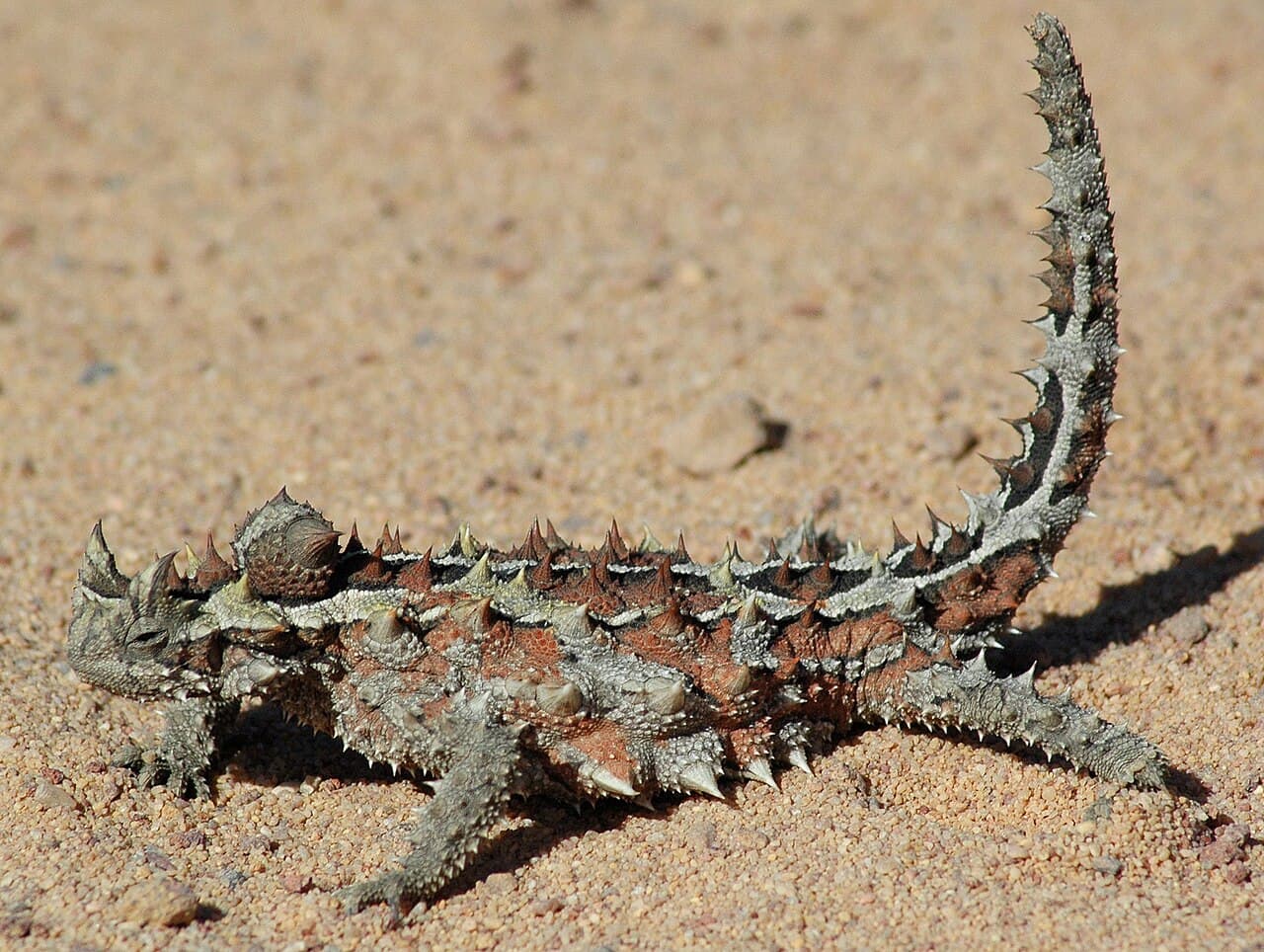
Australia’s thorny devil uses tiny channels between its scales to move water toward its mouth. Discover the science behind this desert adaptation.
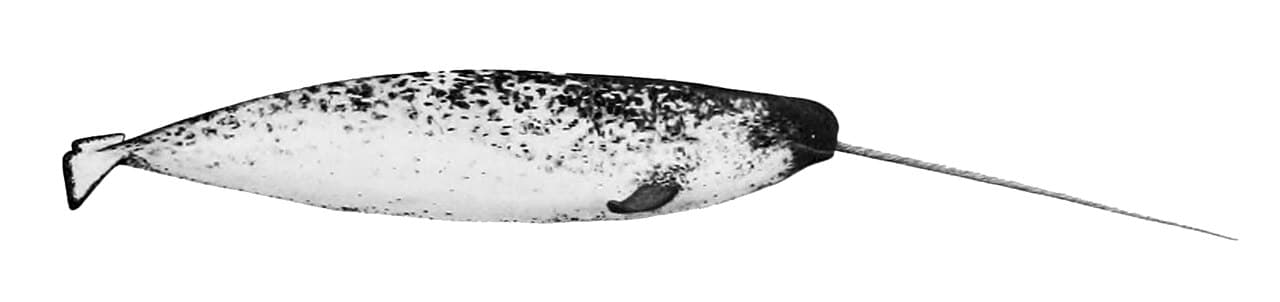
A narwhal’s famous tusk is an enlarged tooth. Explore its possible roles and the Arctic waters that shape this unusual whale’s life.
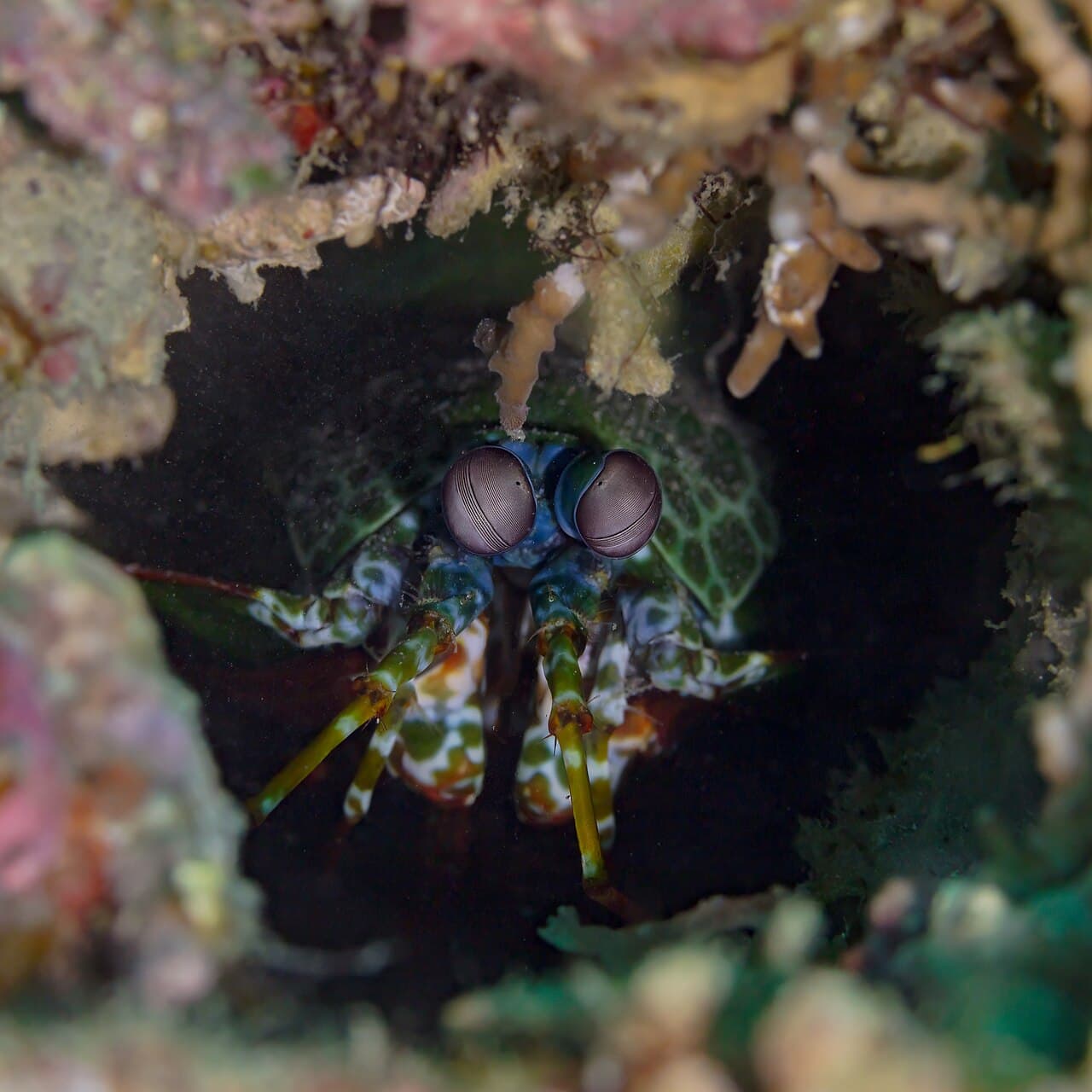
Peacock mantis shrimp strike so quickly they create cavitation bubbles. Explore the mechanics behind this small predator’s remarkable punch.
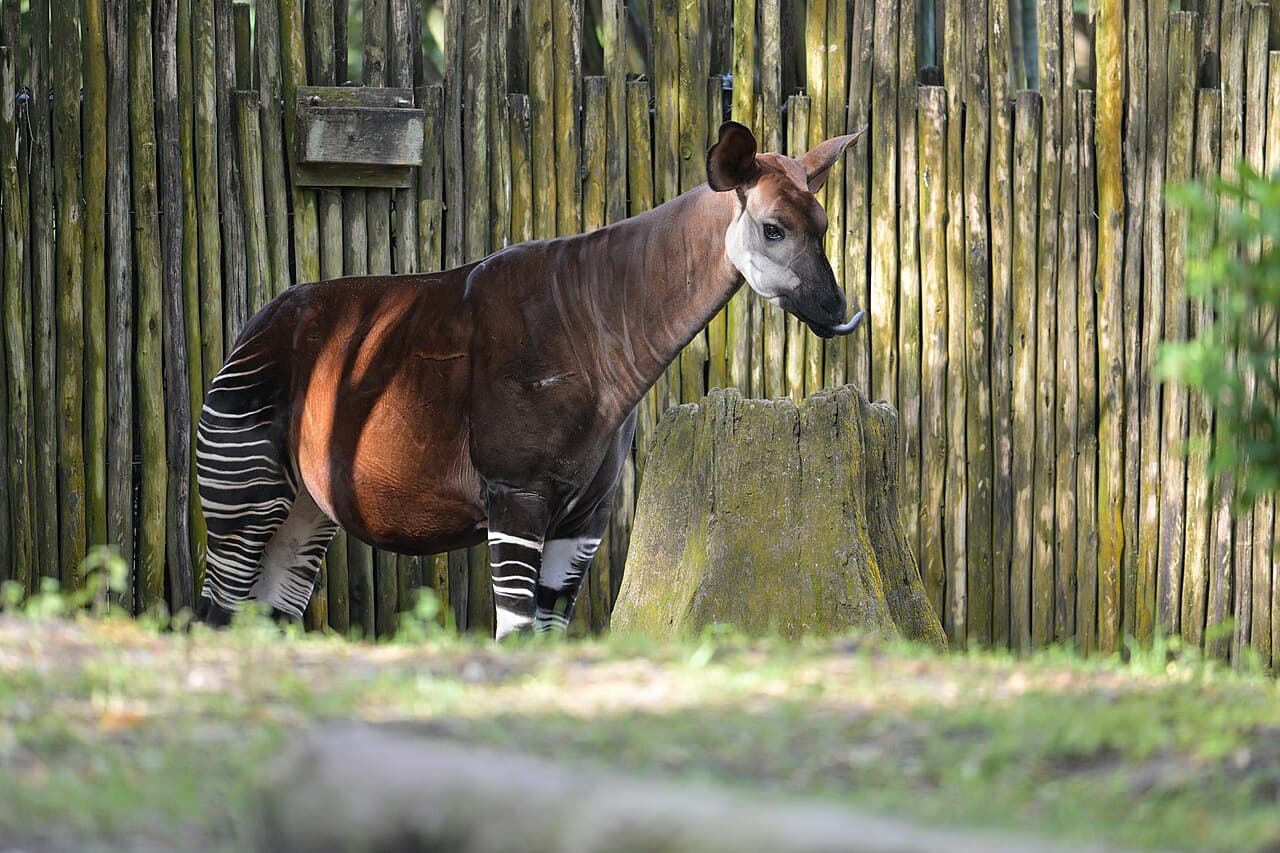
An okapi’s striped legs suggest a zebra, but this forest mammal is related to giraffes. Discover the adaptations behind its unusual appearance.
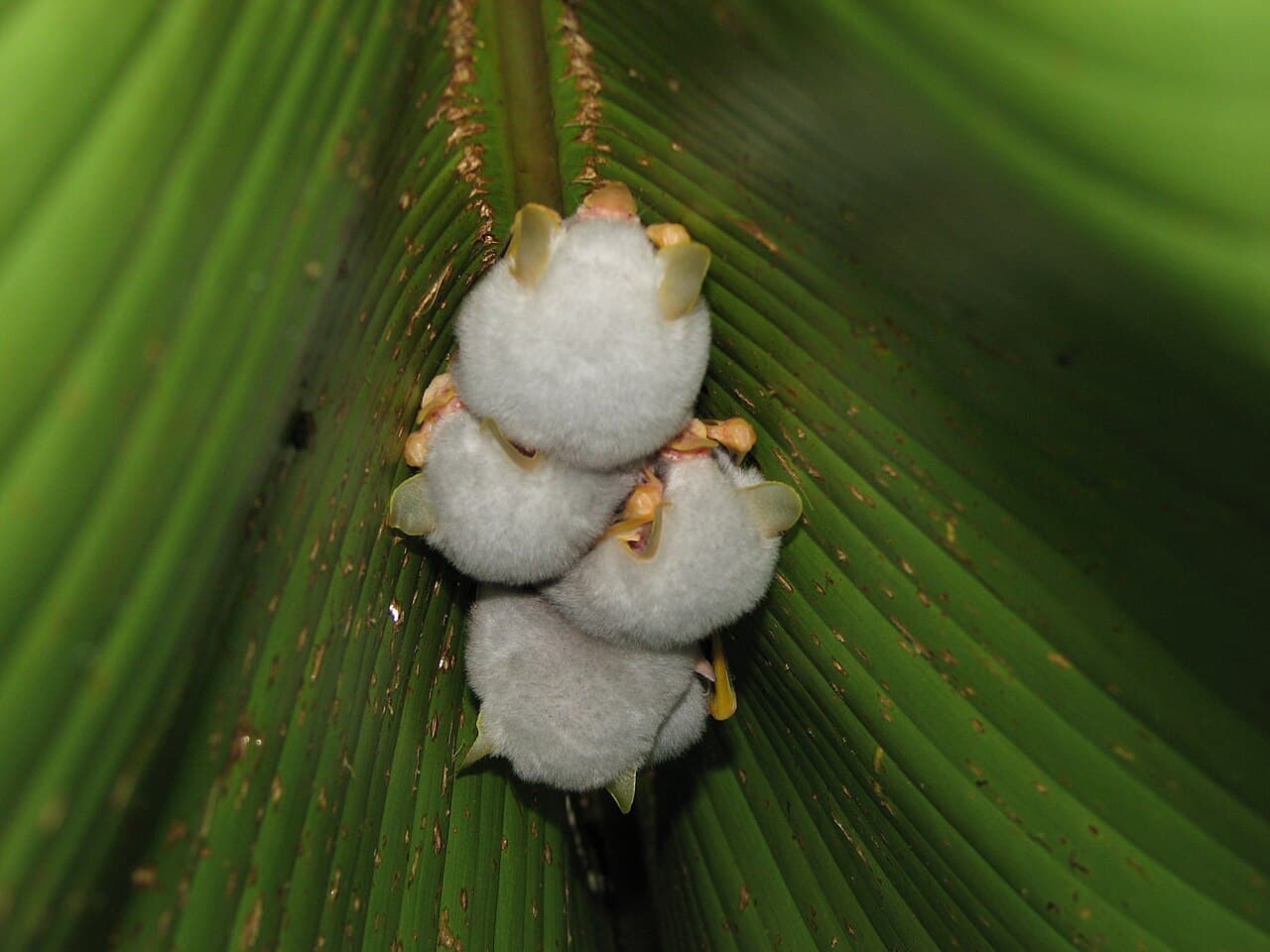
Honduran white bats shelter beneath leaves they modify into tents. Discover their tiny forest homes, fruit diet, and yellow noses.
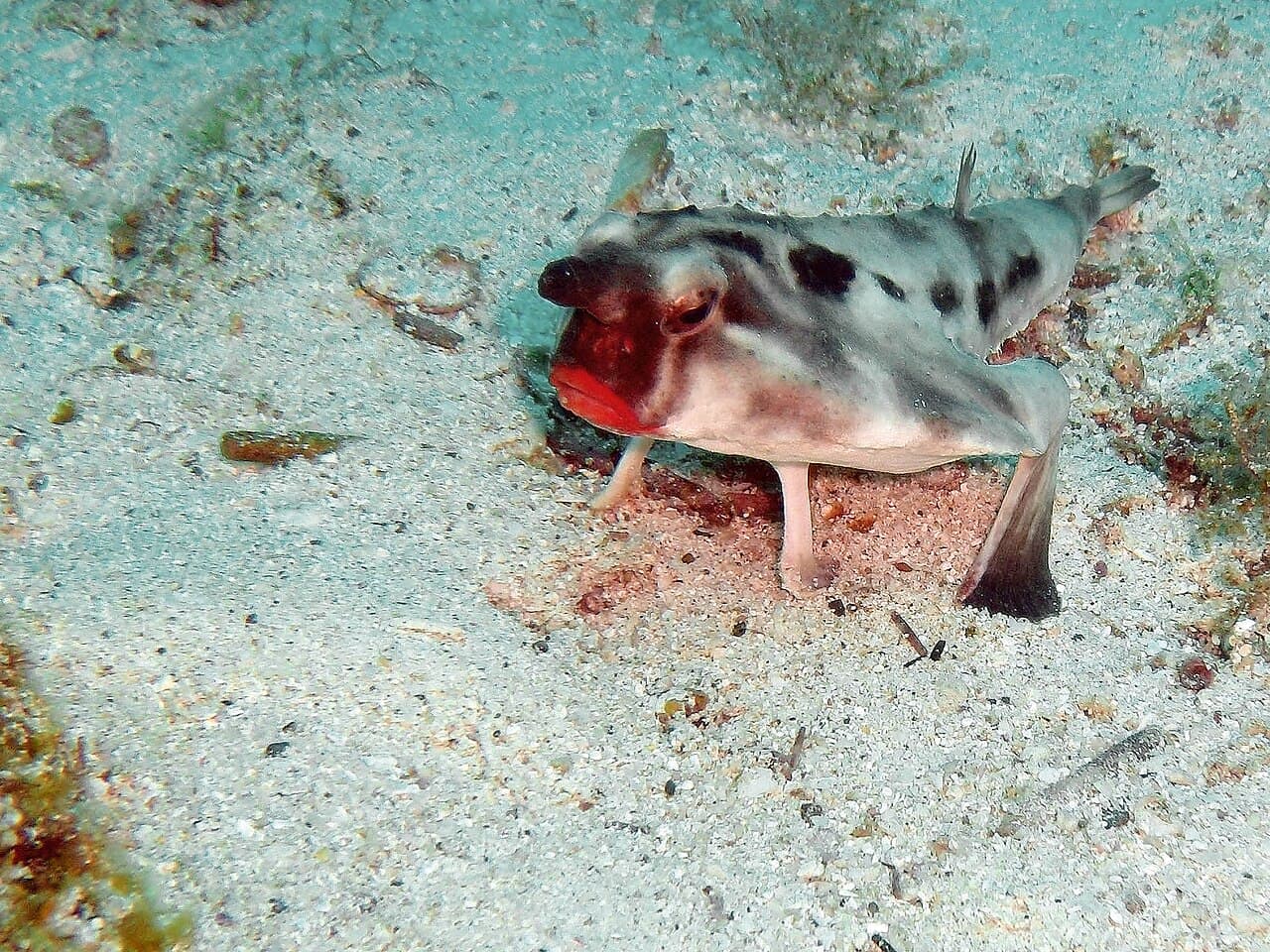
The red-lipped batfish has vivid lips and fins adapted for walking. Explore this unusual seafloor fish and the mystery behind its bright mouth.
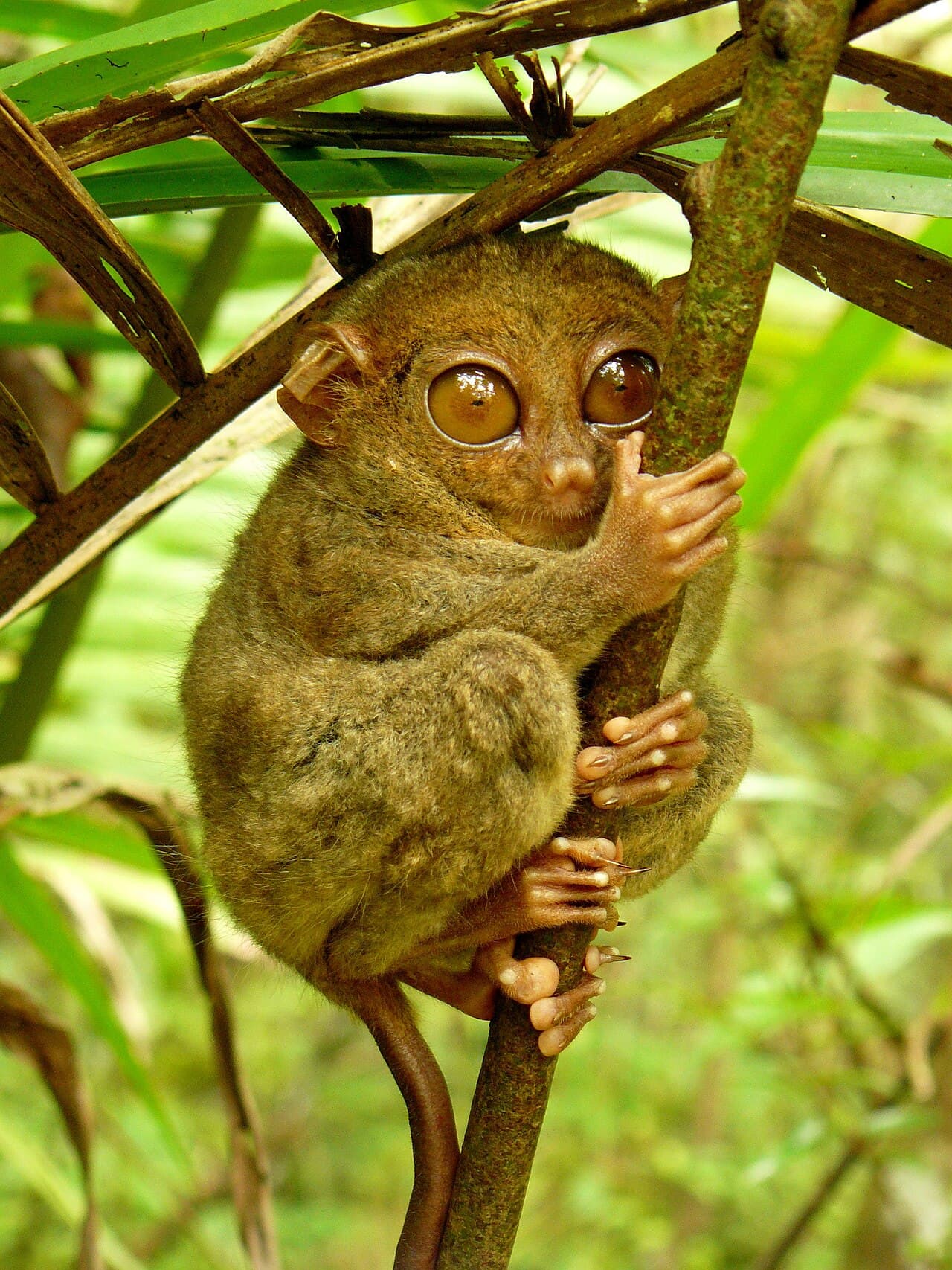
Tarsiers have enormous eyes, but they turn their heads to look around. Discover the hunting adaptations behind these tiny primates’ appearance.
The Venezuelan poodle moth became famous through a photograph. Explore what is documented, what remains uncertain, and how look-alike photos mislead.
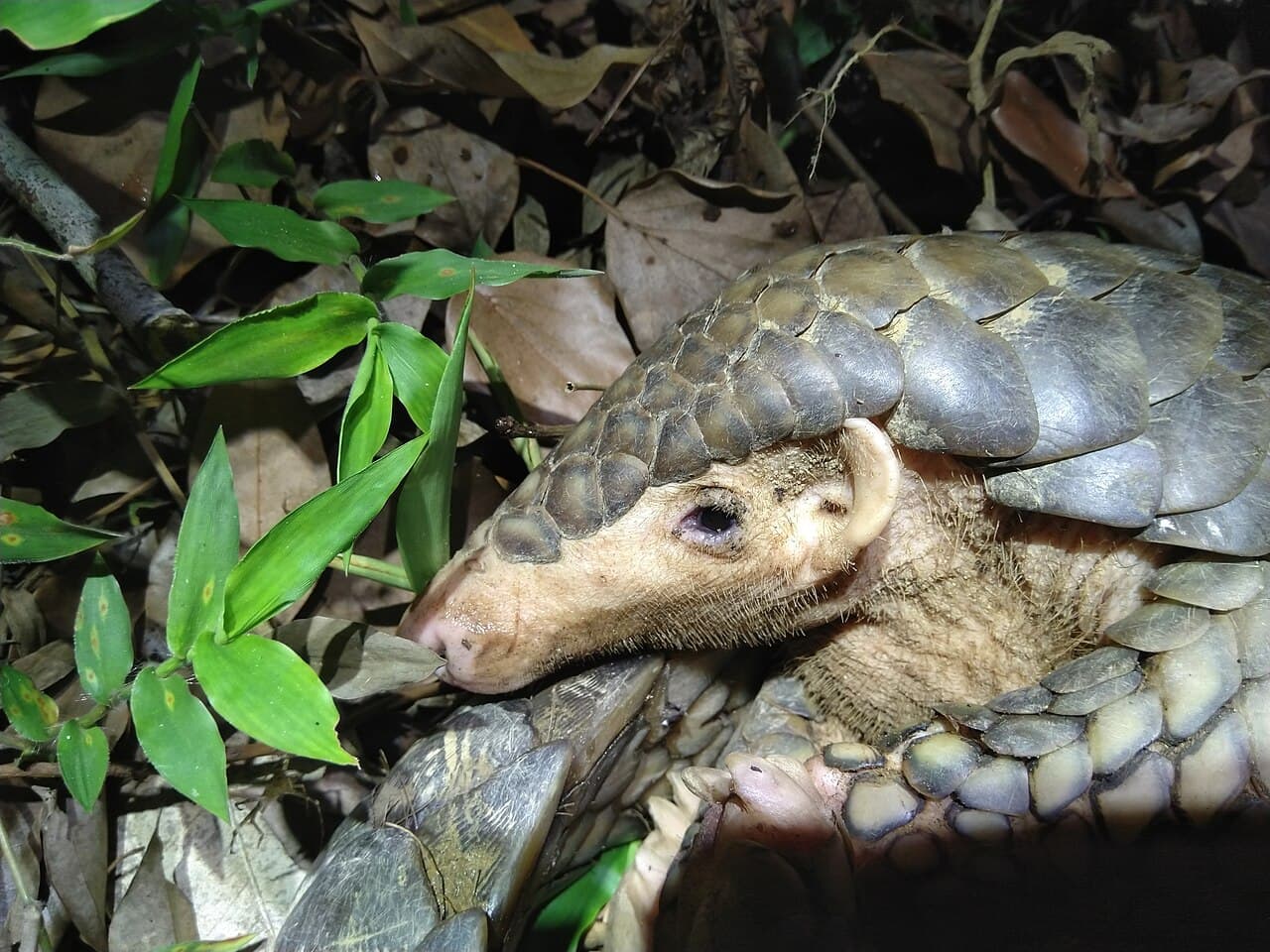
Pangolins are mammals with protective keratin scales and sticky tongues. Discover their unusual defenses and the threats armor cannot stop.
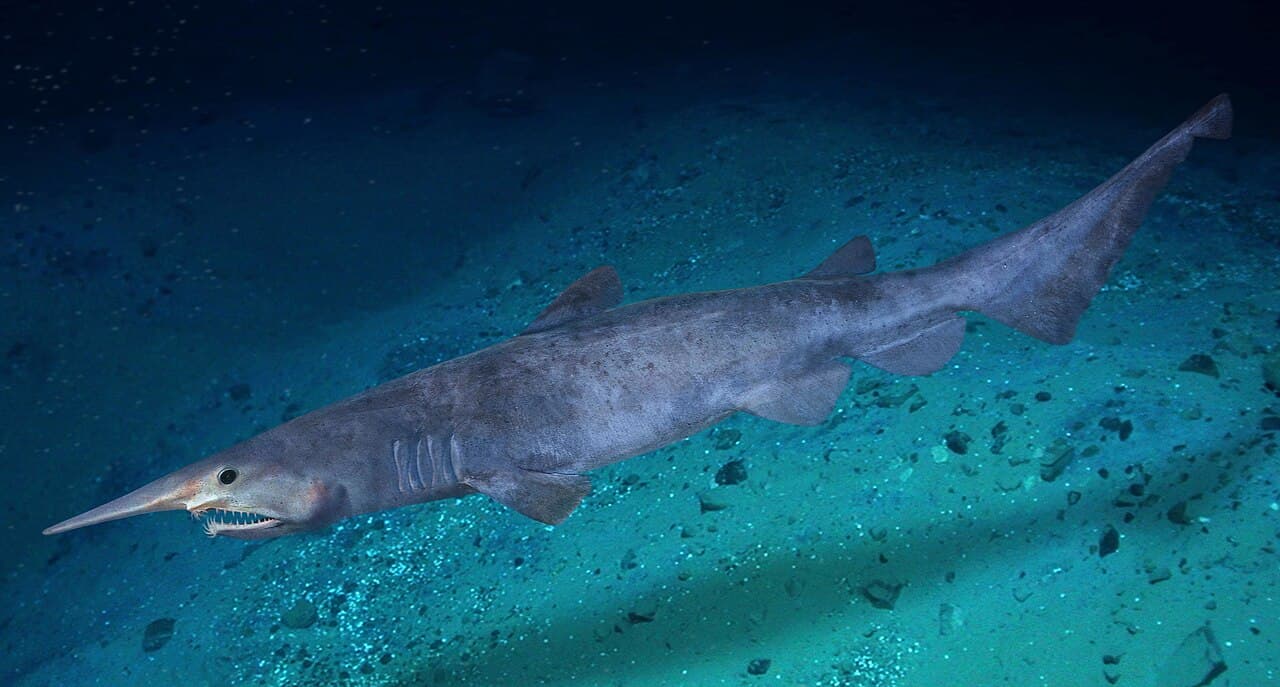
A goblin shark’s jaws extend forward to catch prey. Explore its unusual feeding mechanism, sensory snout, and deep-water life.
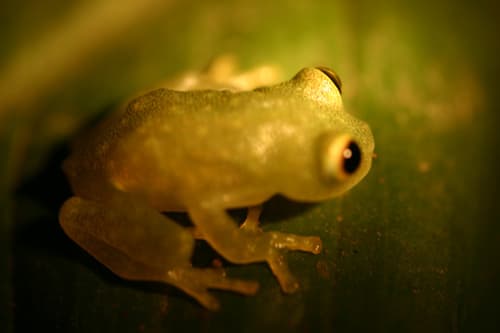
Glass frogs have see-through bellies. Discover how one species hides red blood cells while resting—and what this reveals about camouflage.
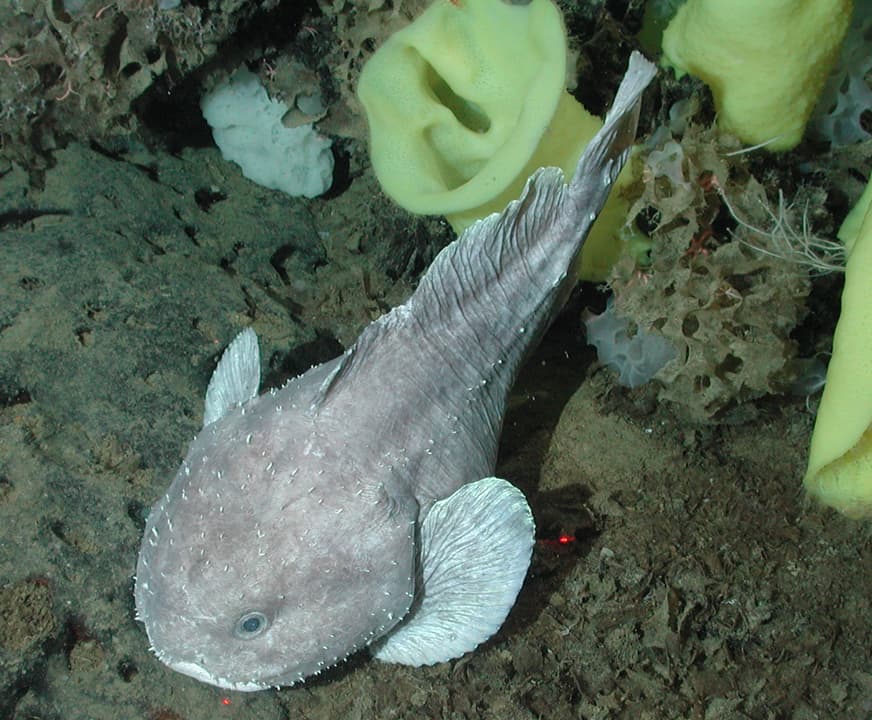
The blobfish is more than an internet face. Learn about Mr Blobby, related deep-sea fishes, and why accurate photographs need context.
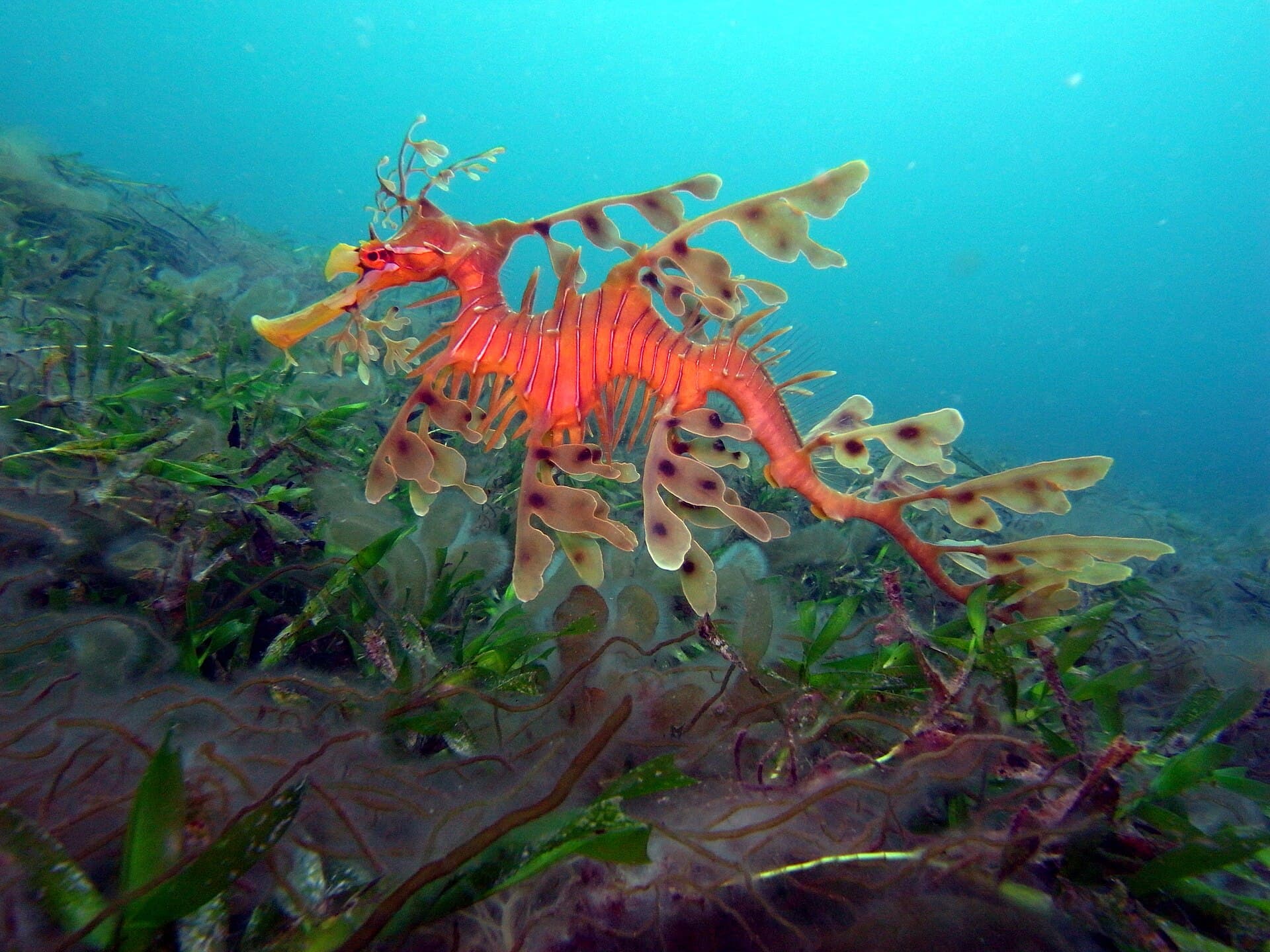
Leafy seadragons hide behind elaborate camouflage, move with delicate fins, and leave egg care to males in southern Australian waters.
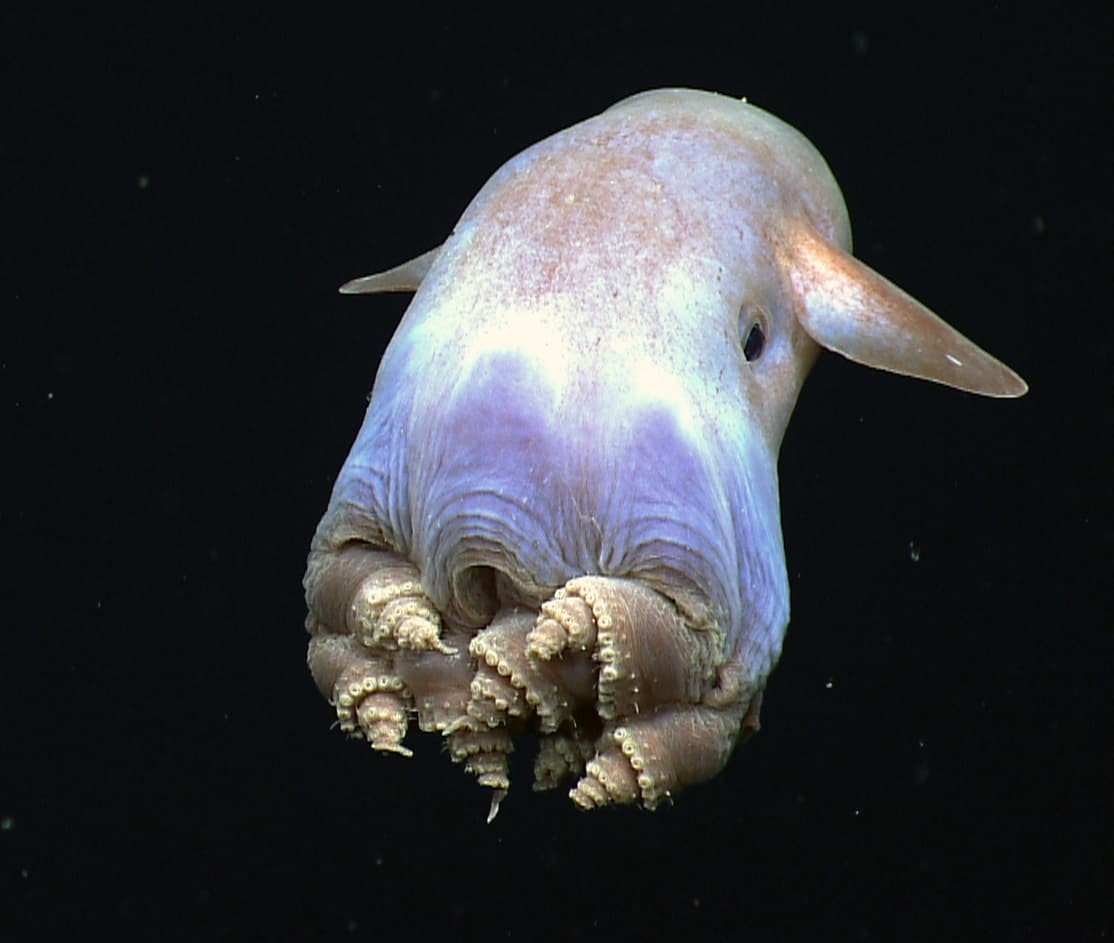
A dumbo octopus’s “ears” are fins. Explore how these remarkable octopuses move through deep water and what scientists still hope to learn.
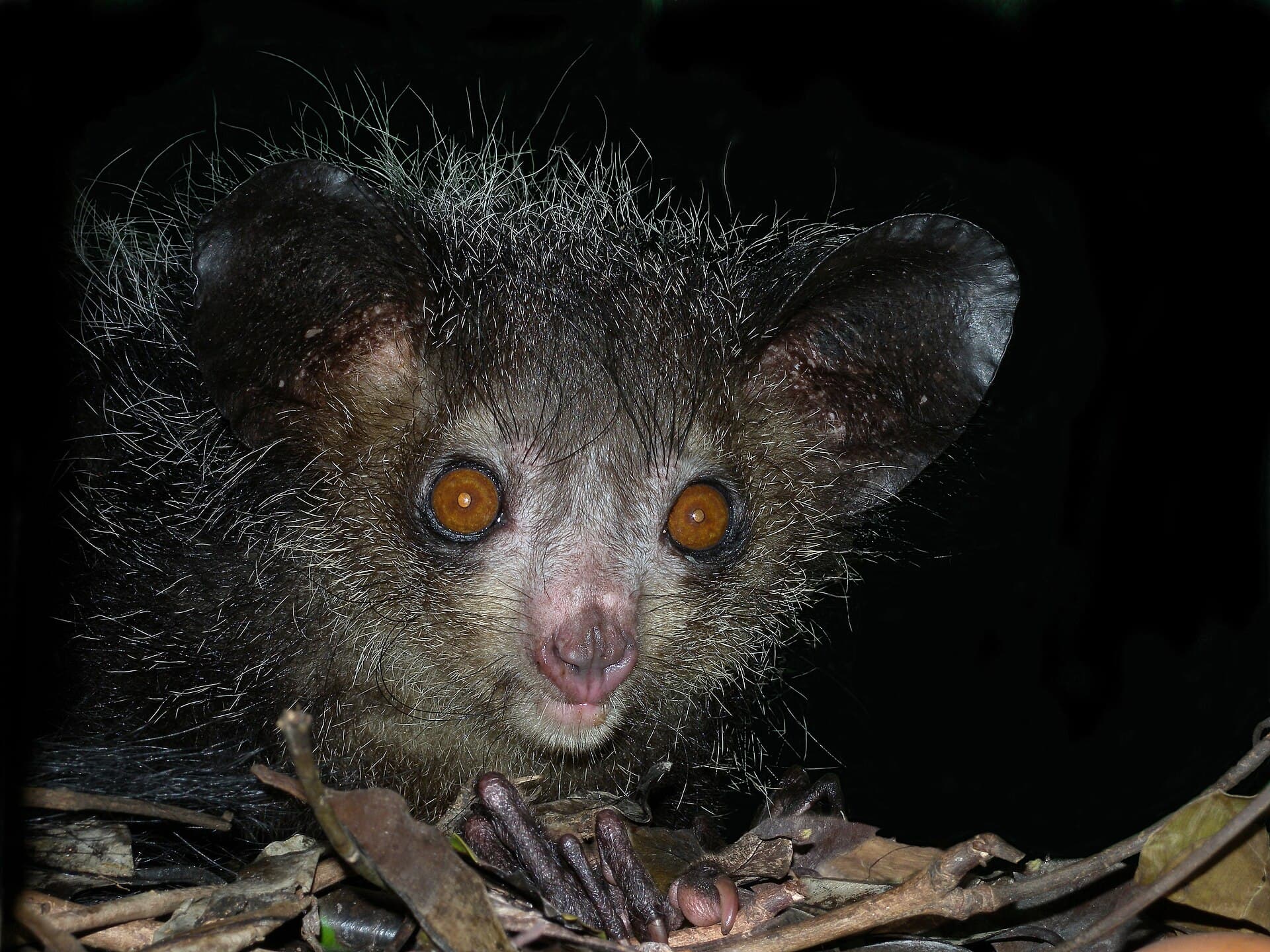
Madagascar’s aye-aye taps wood, listens for hidden cavities, and extracts food with a slender finger. Discover this endangered lemur’s adaptations.