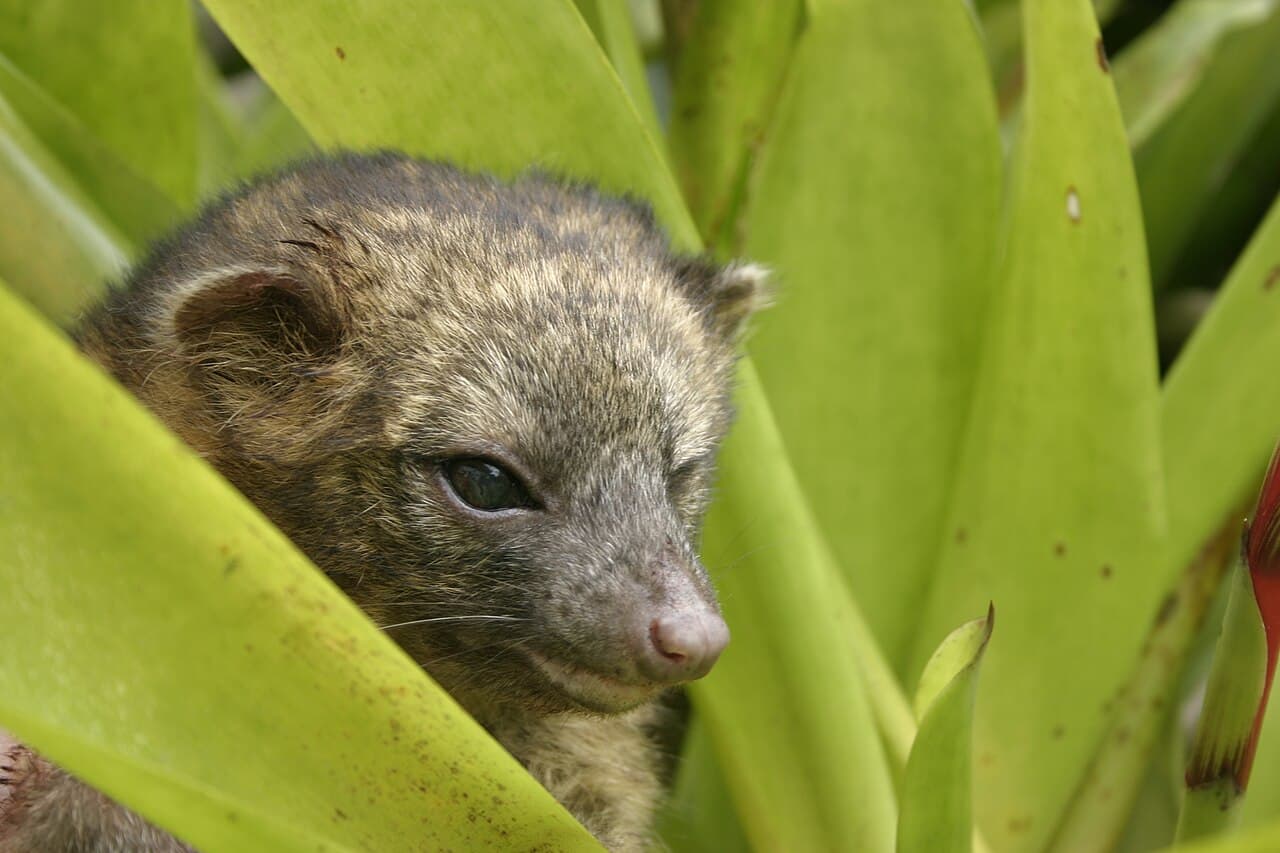
The olinguito was new to science in 2013, but it had not suddenly appeared. Animals and museum specimens had been overlooked or confused with related species.
Recognizing this small cloud-forest mammal required researchers to connect clues from collections with evidence from living forests.
A small relative of raccoons
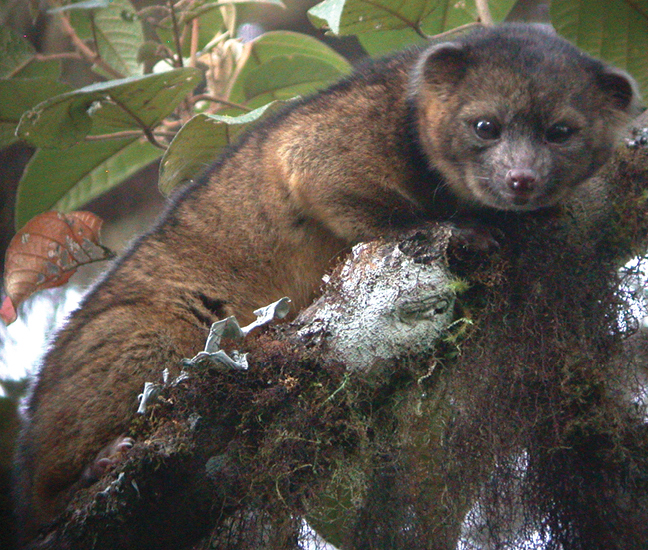
The olinguito is Bassaricyon neblina. Thick fur, rounded ears, and a compact face give it a soft, teddy-bear-like appearance.
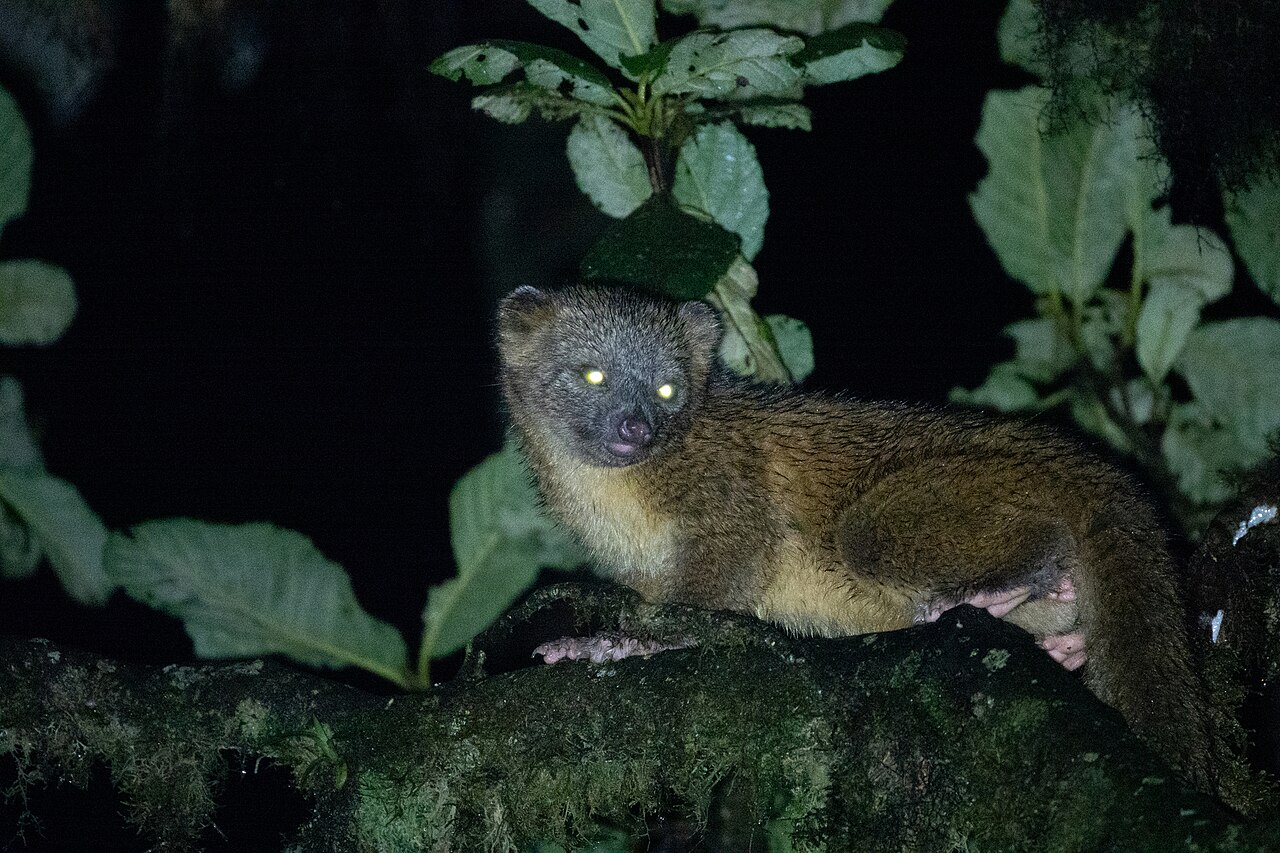
The Smithsonian's discovery account describes a mostly nocturnal, tree-living animal from the northern Andes.
Despite belonging to the order Carnivora, it eats mainly fruit, with other foods adding variety. That scientific order name does not mean every member lives on meat.
A discovery made in stages
Researchers compared skulls, teeth, skins, and other evidence before following leads into cloud forests in Colombia and Ecuador.
The original taxonomic study placed the olinguito among its relatives and explained the evidence for recognizing it.
A familiar-looking mammal can therefore hold an unfamiliar identity. Museum collections preserve comparisons that are difficult to make from one brief wild sighting.
Life among misty branches
Olinguitos spend much of their time in trees, searching for food and shelter. Cloud forests provide cool, moist conditions and a complex canopy.
The animal's fur makes it memorable, but its habitat is part of the story. A forest changing under pressure from agriculture or settlement can lose more than its most visible trees.
Naming is a beginning
Describing a species does not answer every question about its distribution, behavior, or conservation needs.
The olinguito reminds us that discovery and protection belong together. Recognizing a small mammal in the clouds can change how we understand an entire forest—and give us another reason to keep that forest standing.
Photo credits
Featured image: Roland Kays; Source; CC0. Resized for web display.

Body image 1: Demian Hiß; Source; CC BY 4.0. Resized for web display.

Body image 2: Mark Gurney; Source; CC BY 3.0. Resized for web display.
