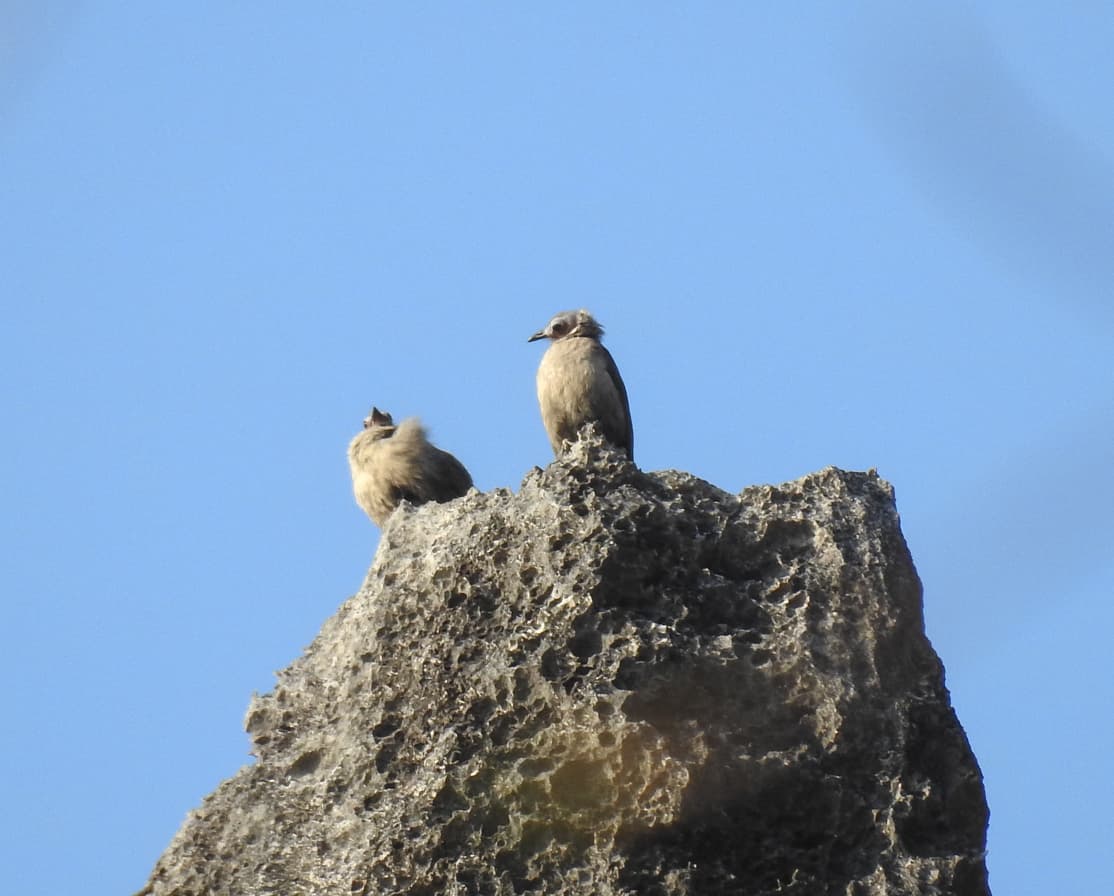
A songbird with a mostly bare face can look as though something has gone wrong with its feathers. For the naked-headed bulbul, that appearance is a normal feature.
The bird also tells a larger story about how unfamiliar wildlife can remain overlooked in difficult terrain.
A bare face, not a damaged bird
Often called the bare-faced bulbul, this species is now known as Nok hualon. Earlier accounts used the name Pycnonotus hualon.
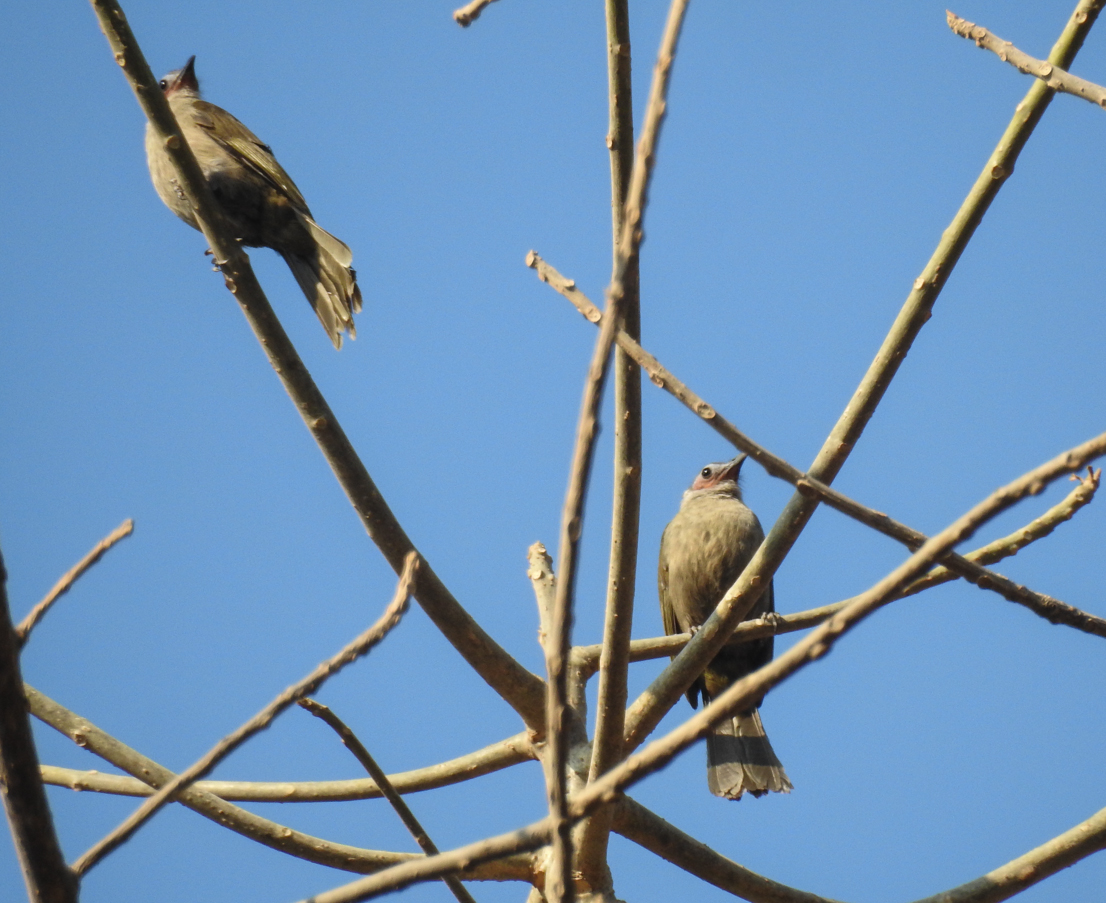
It has exposed facial skin and a narrow line of feathering across part of the head. The rest of the body is not naked.
The Wildlife Conservation Society's discovery account describes the unusual appearance and the 2009 scientific description.
Limestone shapes its world
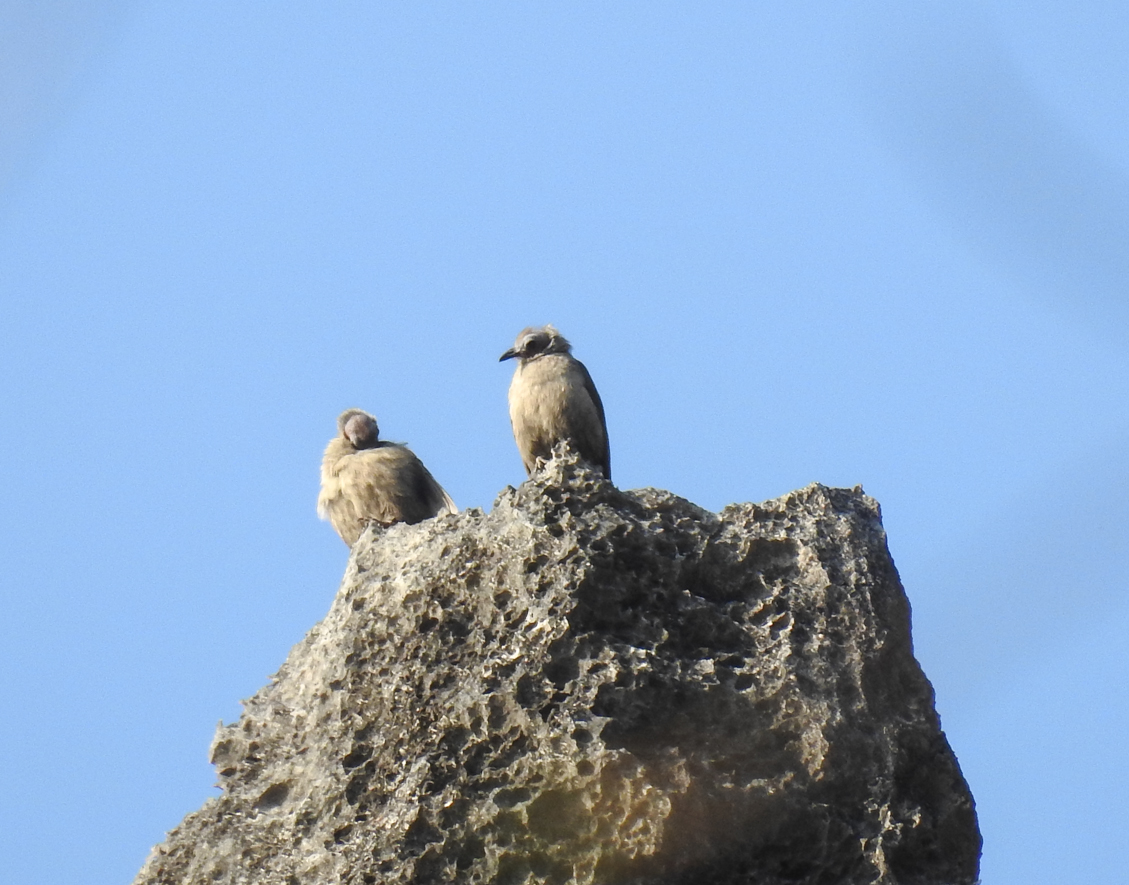
The bird was documented in rugged limestone country in Laos. Sparse vegetation on steep karst creates a distinctive habitat.
Such terrain can be difficult to explore, which helps explain why a noticeable animal may escape scientific recognition for a long time.
Finding a new species does not mean it appeared recently. It means researchers have gathered the evidence needed to recognize and describe it.
An overlooked part of biodiversity
WCS's Laos conservation program includes the limestone-associated wildlife of the region.
Rock formations and their vegetation can support specialized communities. Conserving them is about more than protecting a striking view.
The photographs here show actual birds in Laos, revealing the face from different angles rather than relying on an illustration.
Look where familiar expectations fail
A bare face alone does not establish an animal's rarity or conservation status. It is a feature to understand in the context of the species.
The naked-headed bulbul reminds us that discovery can begin with a second look at something unexpected. A small songbird on a limestone slope can change our picture of the life a landscape holds.
Photo credits
Featured image: Sahana M; Source; CC BY-SA 4.0. Resized for web display.

Body image 1: Sahana M; Source; CC BY-SA 4.0. Resized for web display.

Body image 2: Sahana M; Source; CC BY-SA 4.0. Resized for web display.
