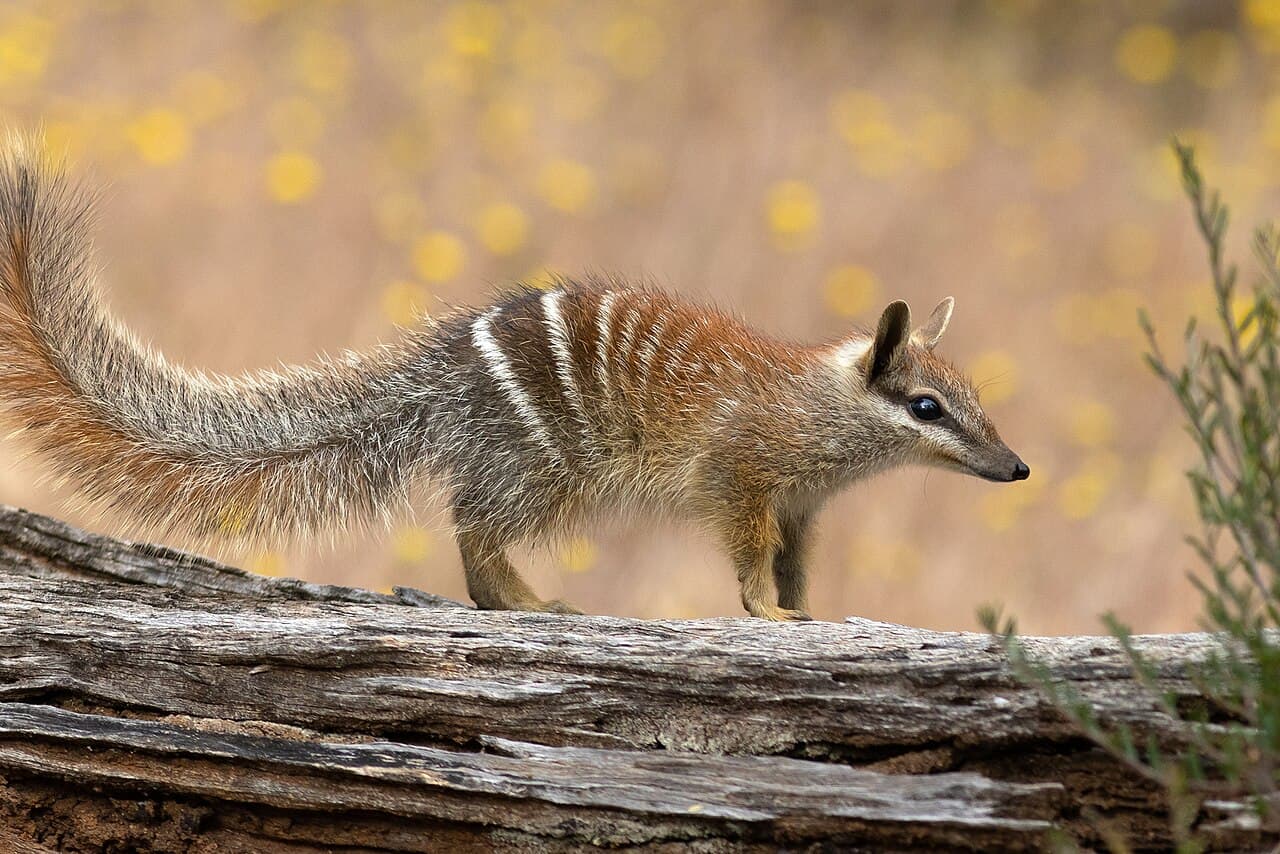
A numbat's day follows the movements of termites. When its tiny prey becomes accessible, the striped marsupial comes out to feed.
That timing makes it unusual among Australian marsupials, many of which are more active at night.
A termite specialist
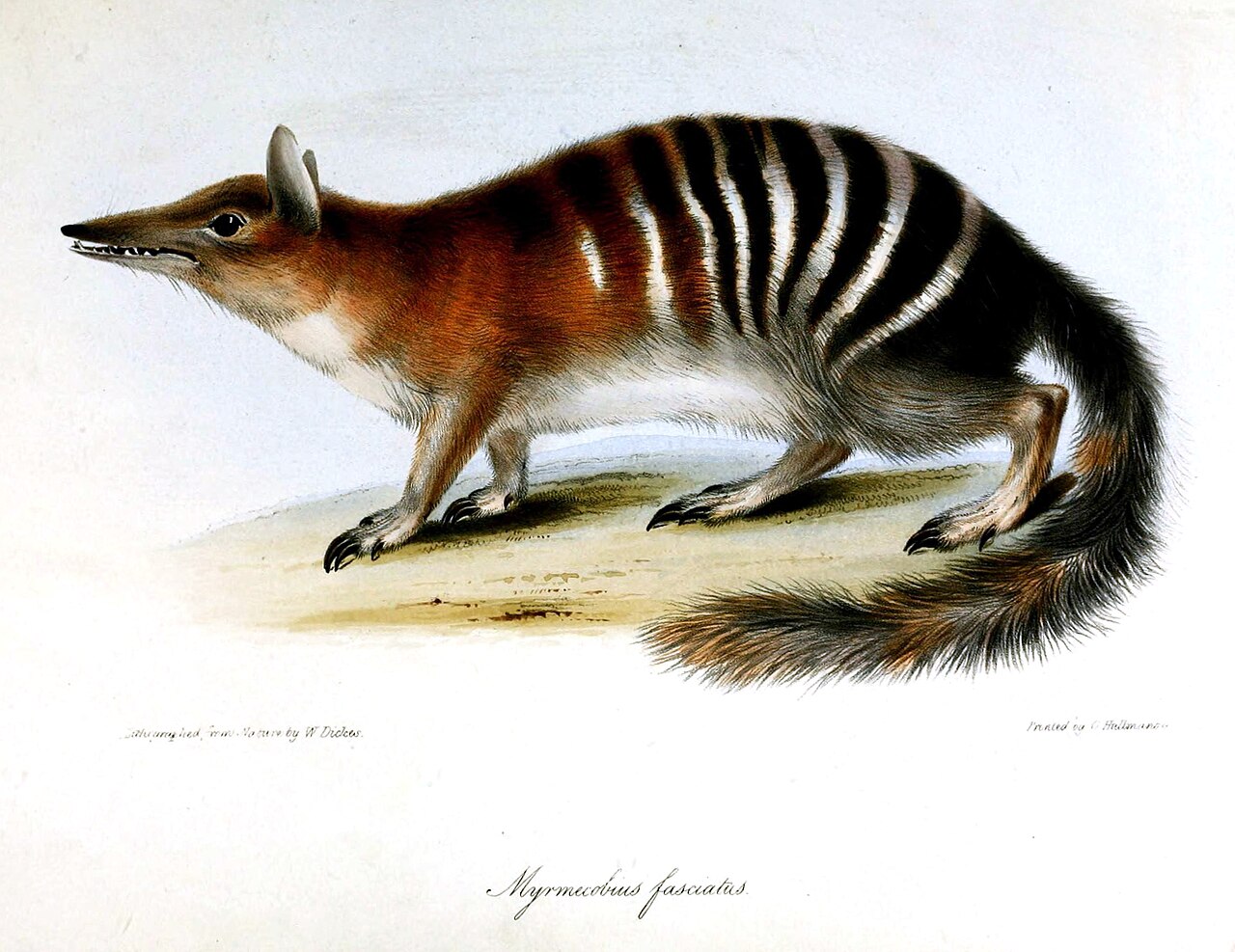
The numbat is Myrmecobius fasciatus. Its pointed snout and long, sticky tongue help it collect termites from narrow spaces.
Perth Zoo describes the species' highly specialized diet.
It has claws, but cannot simply tear through every hard termite mound. Instead, it searches for termites when they are closer to accessible soil passages.
Temperature helps set the schedule
Termites move differently as the ground warms and cools. Numbats adjust their foraging periods to those changes.
In hot conditions, feeding can be concentrated earlier and later in the day. In cooler weather, useful opportunities may come later in the morning.
Australian Wildlife Conservancy explains this close connection between predator activity and prey availability.
A daylight sighting is therefore part of its ordinary biology, not proof that a normally nocturnal animal has become confused.
Shelter still matters
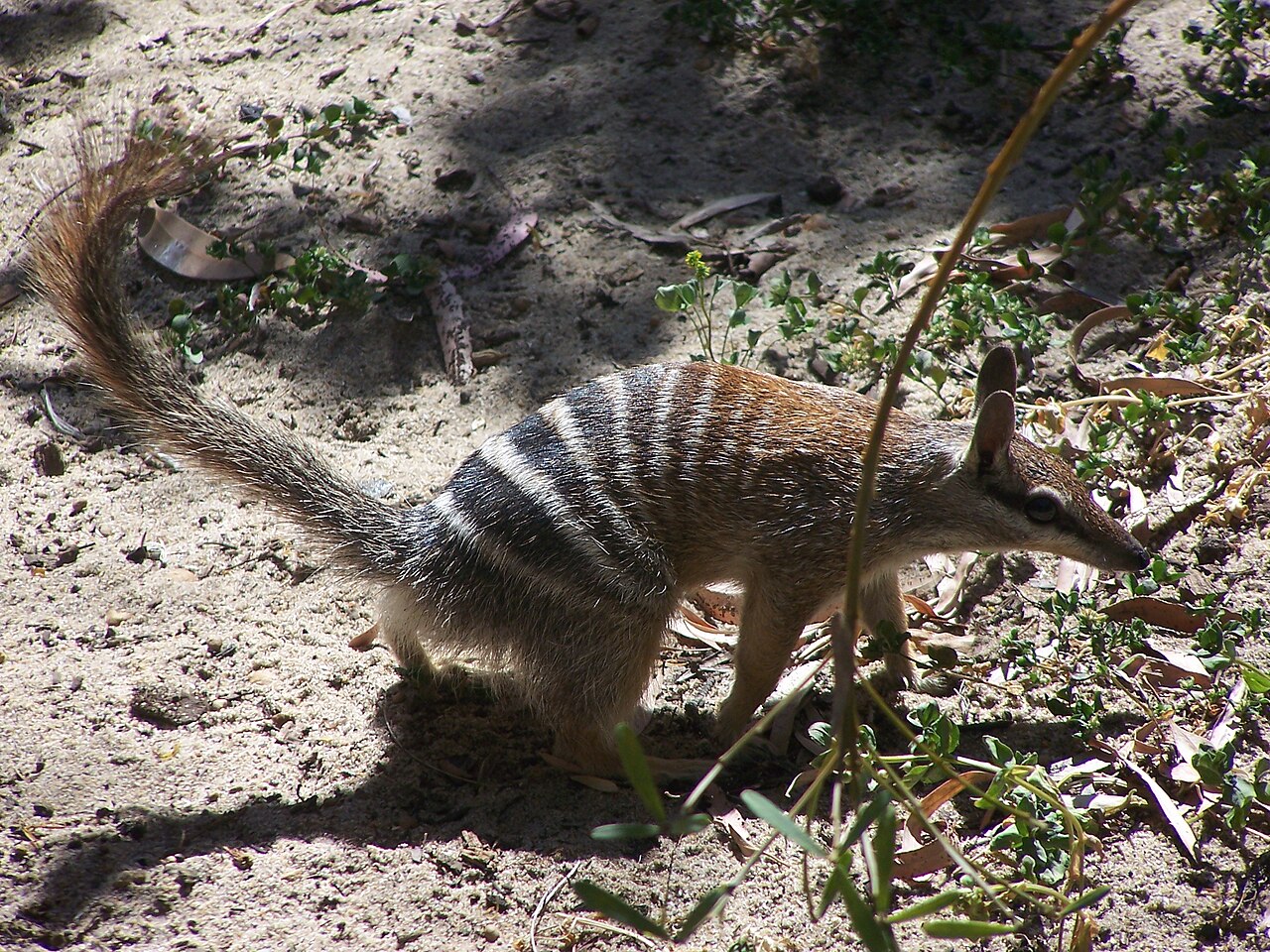
When not feeding, numbats use shelter such as hollow logs and burrows. Their woodland environment provides more than insects alone.
Logs, vegetation, and patches of suitable ground all contribute to a landscape in which the animal can move, rest, and find food.
The striped coat and bushy tail make a memorable photograph, but the termite routes beneath the surface help explain the whole routine.
A specialist needs careful protection
Introduced foxes and cats, habitat loss, and damaging fire conditions threaten numbats.
Conservation includes breeding, habitat management, and releases into places where threats are controlled.
The numbat's remarkable tongue is only the beginning. Its entire day reveals how closely an animal can synchronize its life with the tiny creatures it eats.
Photo credits
Featured image: Kym Nicolson; Source; CC BY 4.0. Resized for web display.

Body image 1: Gnangarra; Source; CC BY 2.5 au. Resized for web display.

Body image 2: W. Dickes; Source; Public domain. Resized for web display.
