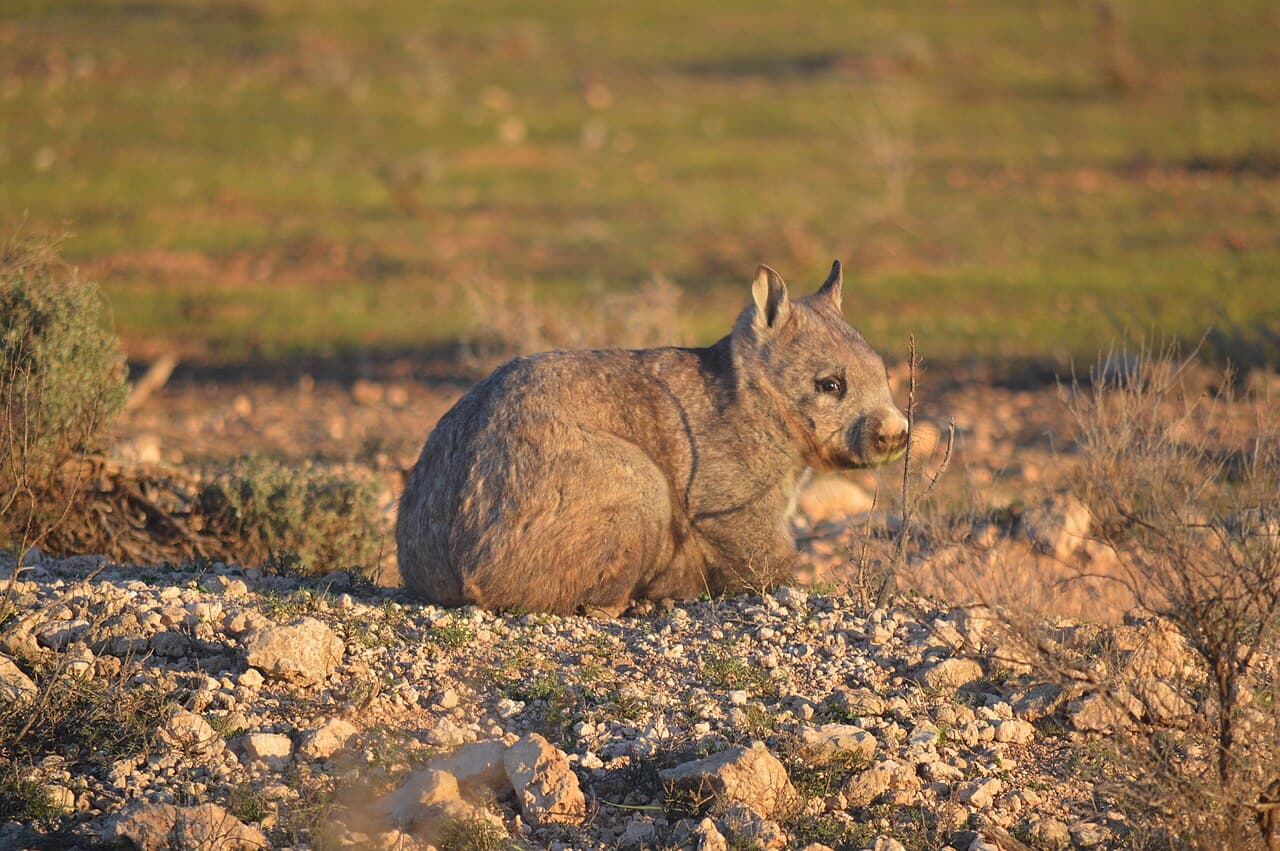
A southern hairy-nosed wombat can turn hard ground into an underground home with several entrances. Its short legs and broad body hide a remarkably capable digger.
The burrow is central to its life, offering shelter from the demanding conditions above.
A hairy nose and strong digging feet
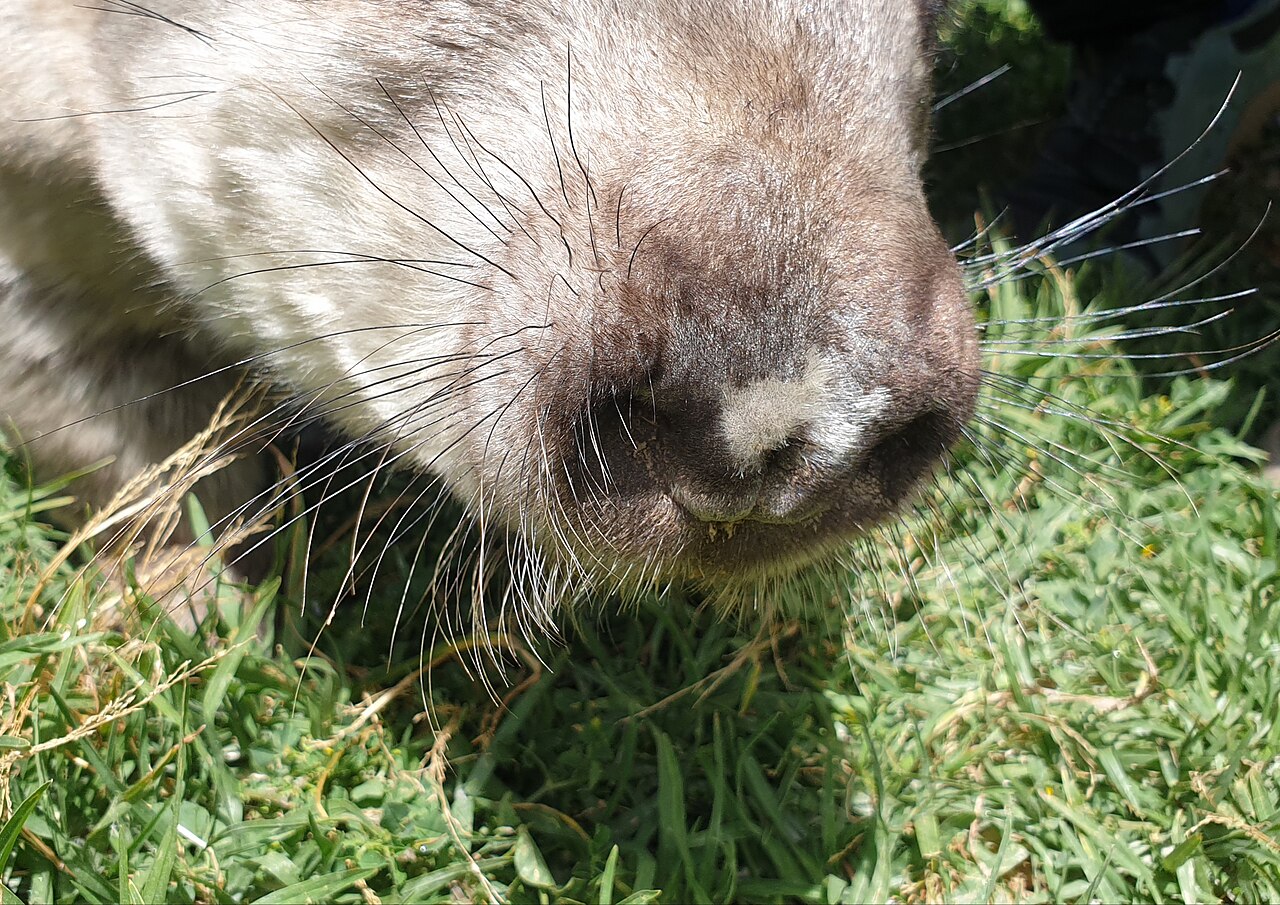
The species is Lasiorhinus latifrons, one of Australia's three living wombat species. Its muzzle carries the hairs behind its common name.
The Australian Wildlife Conservancy describes its extensive burrow systems and southern Australian habitat.
Strong claws and powerful forelimbs help move soil. The animal's backward-opening pouch also suits a life in which digging can throw material toward the body.
A warren is valuable shelter
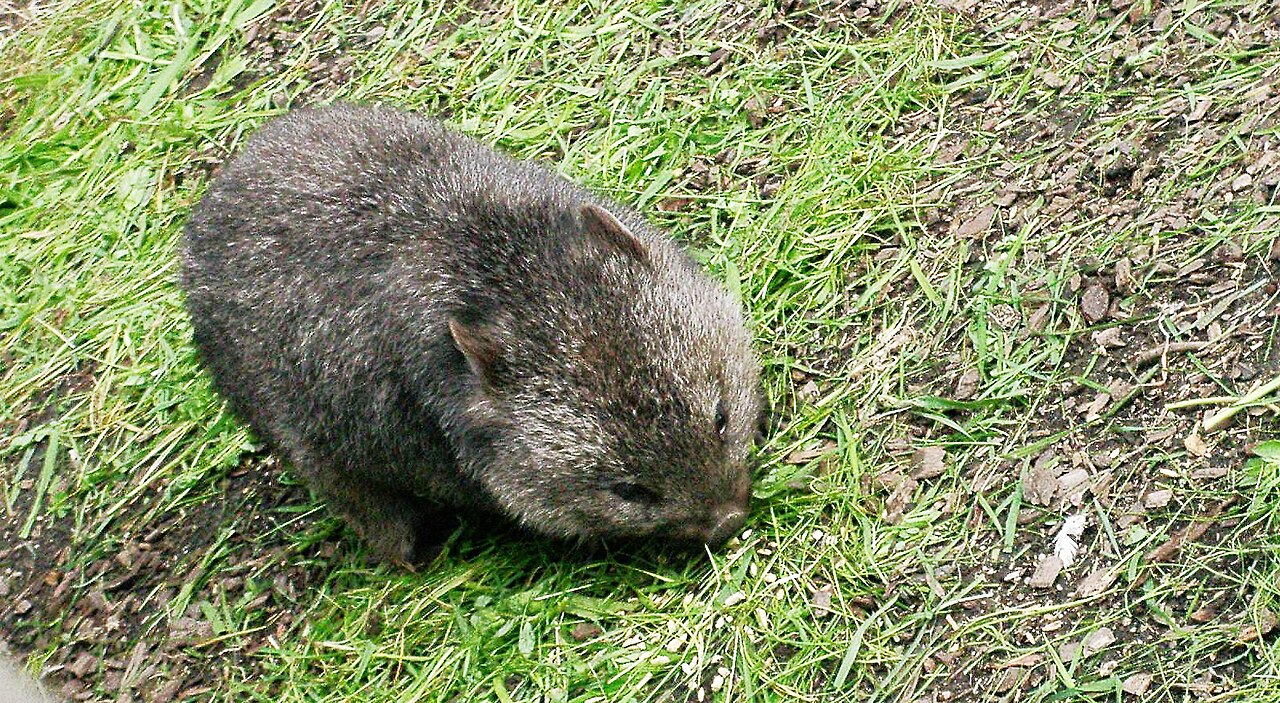
Connected burrows and multiple entrances create a warren. More than one wombat can use a system, although sharing space does not mean every interaction is friendly.
Museums Victoria describes the species' burrowing colonies.
Above ground, these herbivores feed on grasses and other plant material. Shelter and feeding areas must work together; a burrow without suitable nearby food is not enough.
What about cube-shaped droppings?
Wombats are famous for angular droppings, but the best-known experimental work on how corners form examined the bare-nosed wombat, Vombatus ursinus.
The published study investigated differences in intestinal stiffness. Those results should not be described as an experiment performed on southern hairy-nosed wombats.
Separating the species makes the science clearer without reducing the wider wombat surprise.
Protect the home underfoot
Habitat change, drought, and conflict over burrows can affect wombats. Their underground structures are part of the landscape's living infrastructure.
The southern hairy-nosed wombat deserves attention beyond a famous poo fact. Its real achievement is daily and practical: building shelter beneath a dry country and maintaining a life around it.
Photo credits
Featured image: Andrew Katsis; Source; CC BY-SA 4.0. Resized for web display.

Body image 1: Anne-Marie Steenbergen; Source; CC BY-SA 4.0. Resized for web display.

Body image 2: Photwik Photographer for Kiddle.co; Source; CC BY-SA 4.0. Resized for web display.
