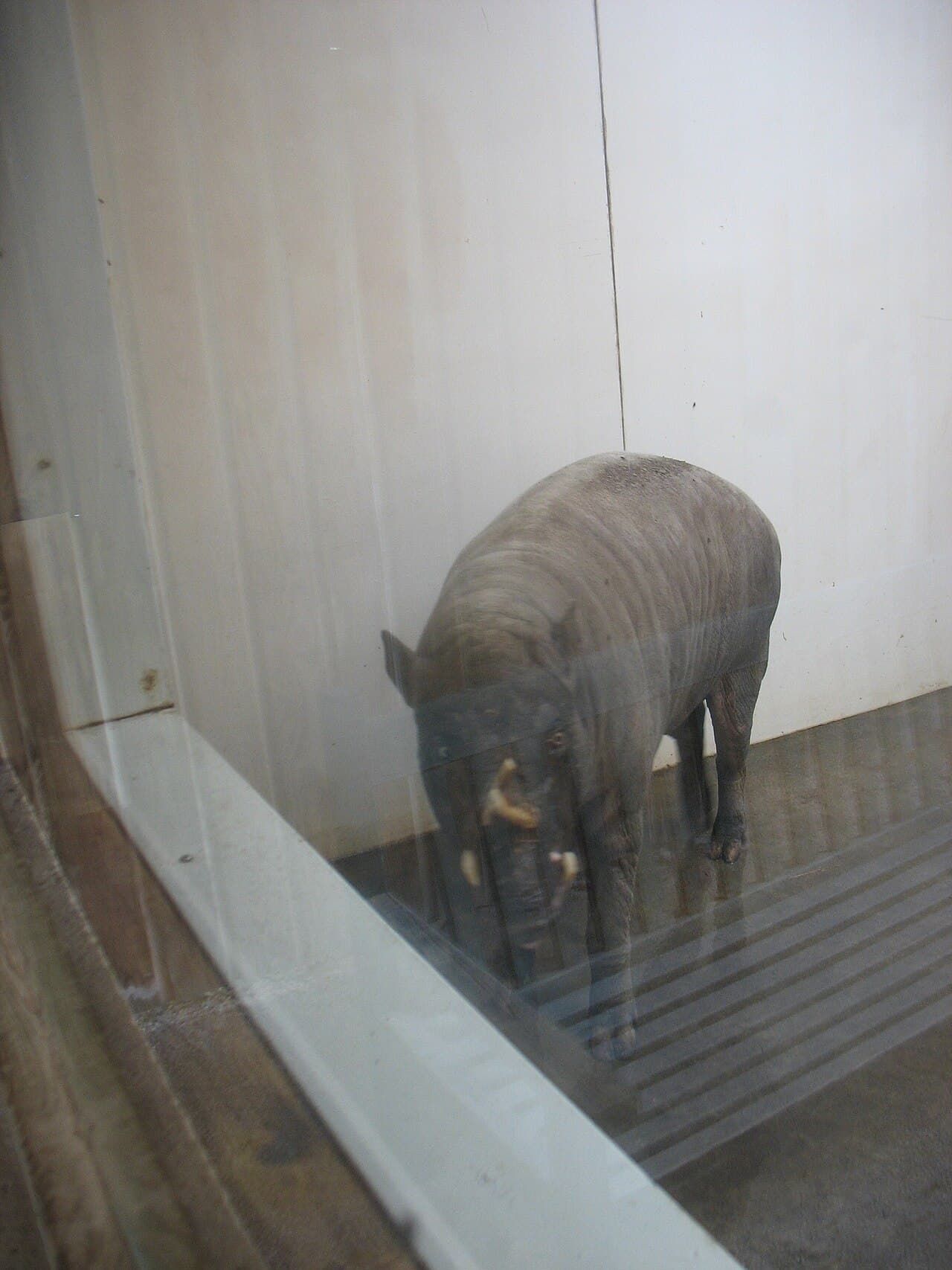
A male North Sulawesi babirusa's upper tusks can grow through the top of the snout and curve back toward the forehead. The shape looks almost like a set of antlers in the wrong place.
They are teeth, however, and their growth tells an extraordinary dental story.
A pig with a distinctive identity
The North Sulawesi babirusa is Babyrousa celebensis, one member of the babirusa group from Indonesia.
San Diego Zoo Wildlife Alliance distinguishes its unusual upper canines from the lower tusks.
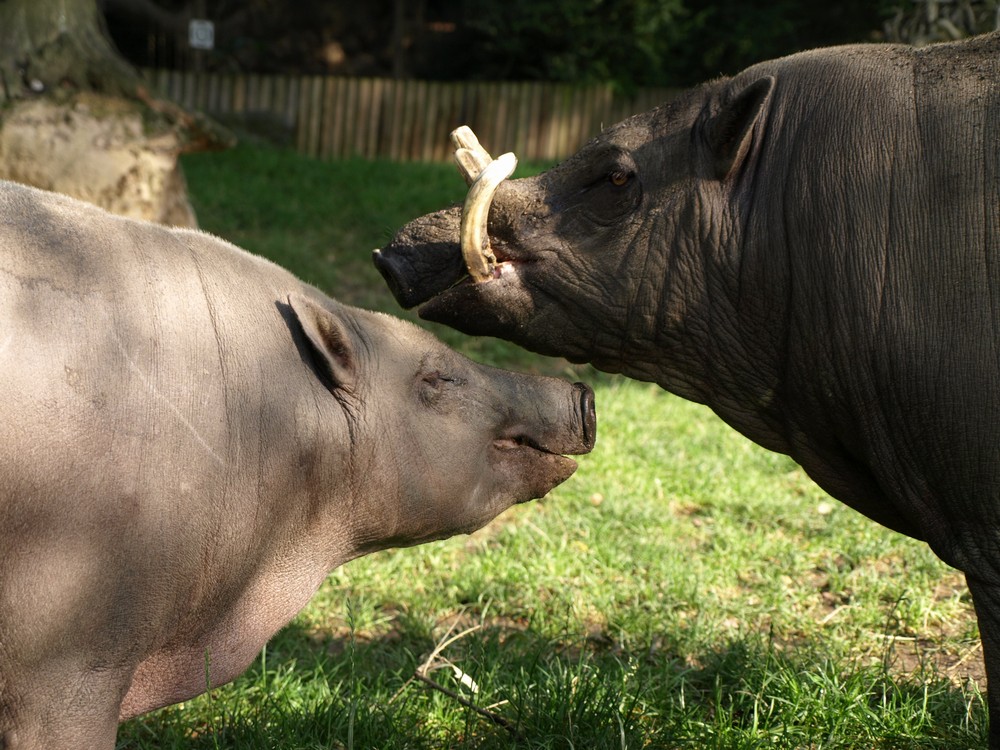
The most dramatic upper tusks occur in males. A photograph of one adult male should not be treated as the appearance of every babirusa.
The teeth take an unusual route
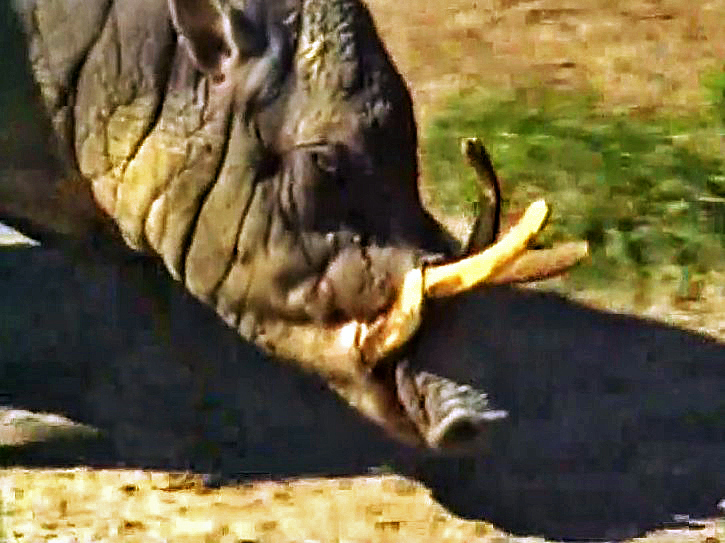
As the upper canines grow, they curve upward and can penetrate the skin above the mouth. Continued growth produces the backward-sweeping shape.
Their length and curvature differ among individuals. Damage and wear also affect the final outline.
They are not horns, and they do not grow from the skull in the way an antler does.
What are they for?
The tusks have inspired several explanations involving display, competition, and protection. Their precise functions should not be reduced to one confident claim.
Observations of males show that conflict can involve rearing and striking with the forelimbs rather than simply locking the upper tusks.
The zoo's wider wild-swine account provides context for the diverse structures and behaviors found among pigs.
An extraordinary pig needs habitat
Babirusas depend on island habitats that face pressures from forest change and hunting. Their conservation story reaches beyond their unusual teeth.
The curved tusks make the first impression, but careful observation adds something better than a myth. They show how familiar structures can evolve in surprising directions—and how a striking body part can still leave scientists with questions.
Photo credits
Featured image: CédricGravelle; Source; CC BY-SA 3.0. Resized for web display.

Body image 1: Alena Houšková; Source; CC BY-SA 3.0. Resized for web display.

Body image 2: Hectonichus; Source; CC BY-SA 4.0. Resized for web display.
