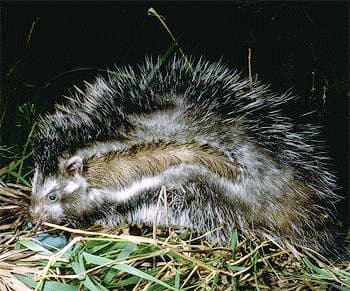
An African crested rat can make its coat chemically dangerous by applying material from a poisonous plant. The animal does not manufacture all of this defense itself.
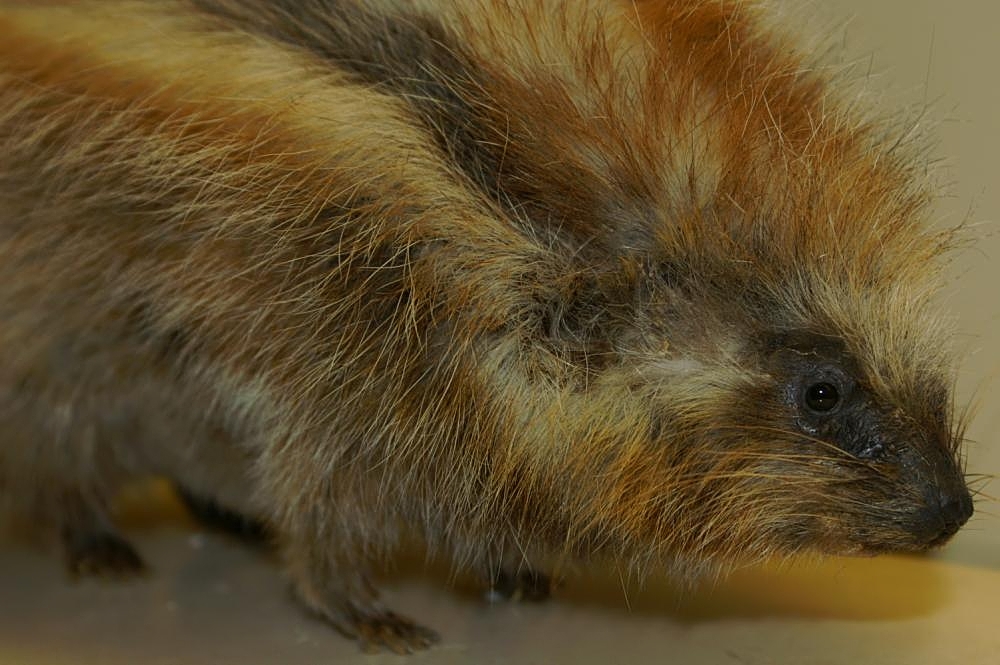
It borrows plant compounds and places them on specially adapted hairs along its sides.
A warning hidden beneath the coat
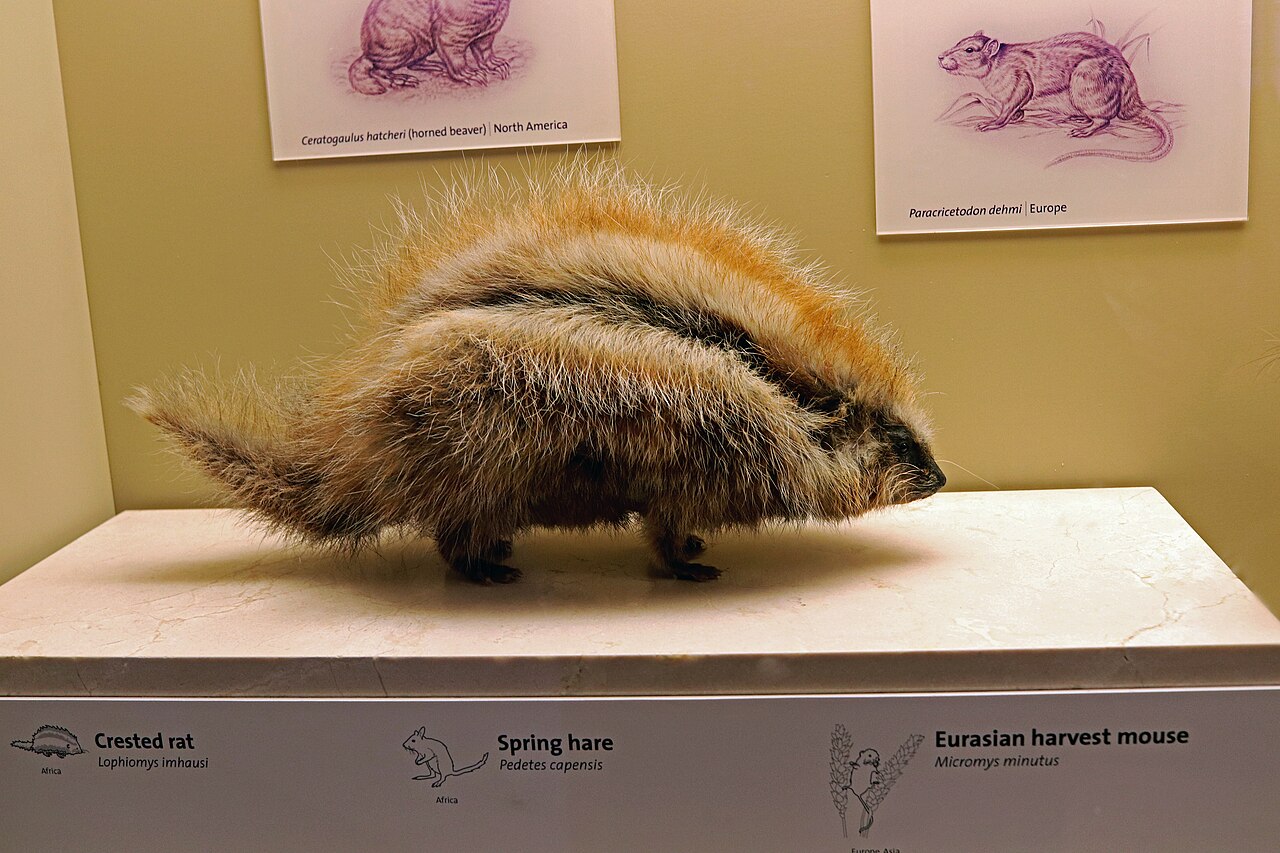
The African crested rat is Lophiomys imhausi. When threatened, it can expose contrasting flank areas and the specialized hairs beneath.
Research in the Journal of Mammalogy documents this behavior and the animal's natural history.
The defensive system is poisonous rather than a venom-delivering bite. The distinction describes how a toxin is used, not whether the animal looks intimidating.
A plant becomes part of the defense
Researchers observed rats chewing material from the poison-arrow tree, Acokanthera schimperi, and applying it to their flank hairs.
The University of Utah's research account explains how the hairs help hold the resulting material.
This is an unusual example of a mammal using environmental toxins as part of its protection. It is not a reason to handle the animal or experiment with the plant.
More than a solitary poison carrier
The same research also investigated social interactions. Observations suggested a more complex social life than the simple image of a lone defensive rodent.
That is a useful lesson: discovering one spectacular adaptation does not mean the rest of an animal's biology is already understood.
Scientific specimens can reveal coat structures, while field observations are needed to understand how the living animal behaves.
Protect the less familiar mammals
Habitats support both animals and the plants involved in their ecological relationships. Removing one component can change the opportunities available to another.
The African crested rat's coat is extraordinary because it combines anatomy, behavior, and chemistry. A defense that looks like fur is also a carefully maintained connection to the plant world.
Photo credits
Featured image: Kevin Deacon; Source; CC BY-SA 3.0. Resized for web display.

Body image 1: Photo by David J. Stang; Source; CC BY-SA 4.0. Resized for web display.

Body image 2: Don McCulley; Source; CC0. Resized for web display.
