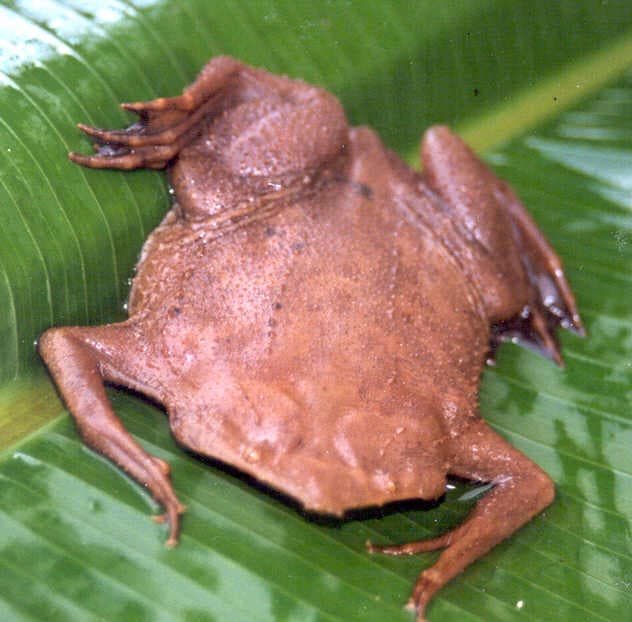
A Surinam toad can carry developing young within pockets of skin on her back. When development is complete, small toadlets emerge from this remarkable living nursery.
The process looks unfamiliar, but it is a specialized form of parental care.
An aquatic frog with a flattened body
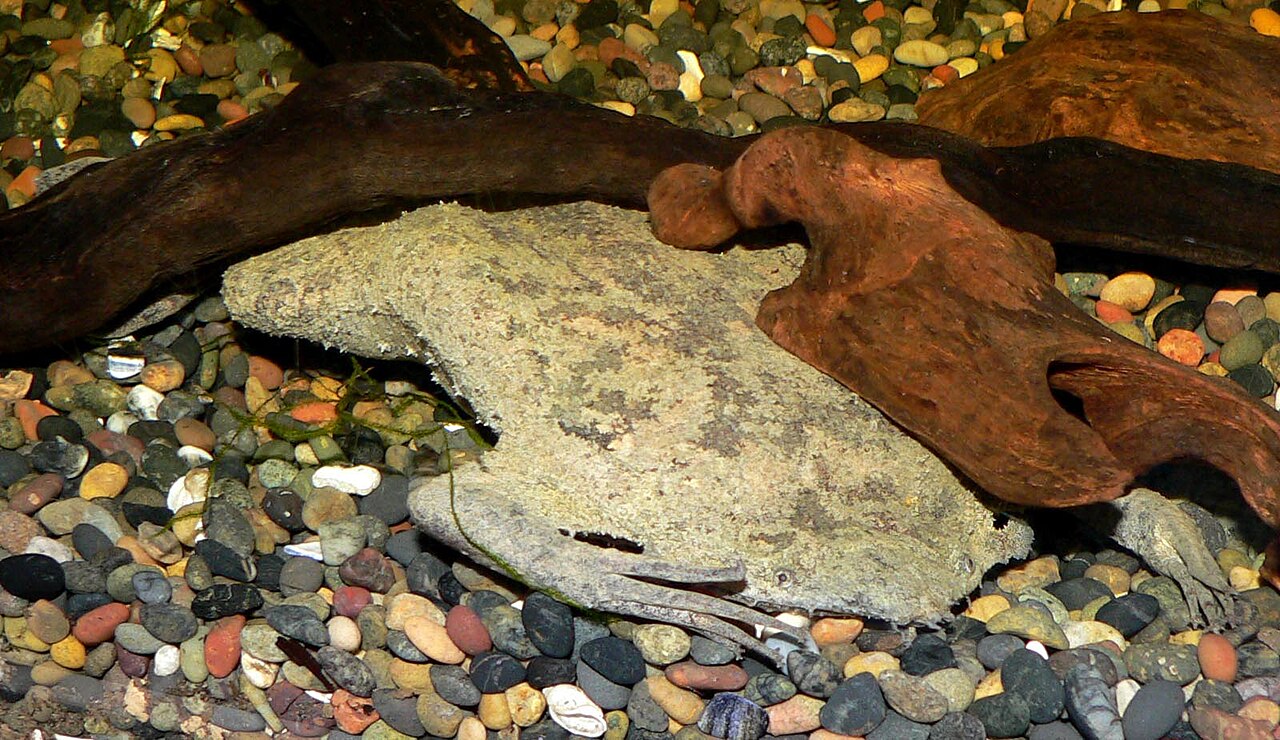
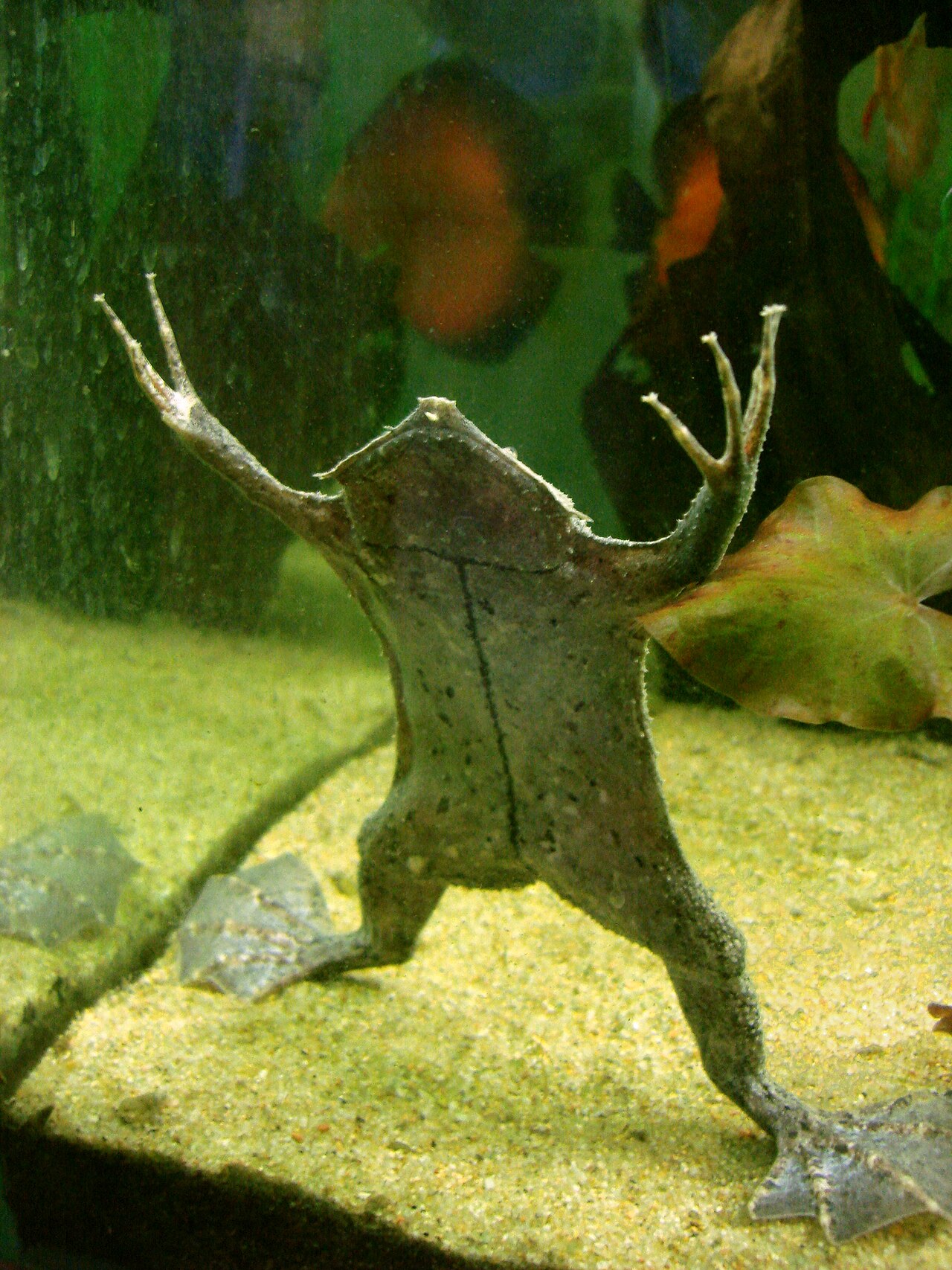
The Surinam toad is Pipa pipa, a South American amphibian adapted to life in water. Its broad, flattened shape can make it resemble a submerged leaf.
Despite the common name “toad,” it belongs to an aquatic frog family. Everyday names do not always follow neat scientific boundaries.
San Diego Zoo Wildlife Alliance describes its shape, habitat, and reproduction.
How eggs reach the back
During mating, the adults perform coordinated movements in the water. Fertilized eggs are placed onto the female's back.
Her skin changes around the eggs, which become embedded in individual chambers. Development takes place within that protected surface rather than in a loose mass of eggs left on vegetation.
The American Museum of Natural History explains this unusual arrangement.
Small toadlets, not free-swimming tadpoles
In Pipa pipa, the young complete their development before emerging as small froglets. They do not first leave the mother's back as ordinary free-swimming tadpoles.
Other amphibians have different strategies, so this species should not be used to describe every animal with “Surinam toad” or Pipa in its name.
The mother's back becomes a nursery through a specific reproductive process, not a permanent collection of empty holes.
A different kind of care
Amphibian reproduction is far more varied than eggs becoming tadpoles in a pond. Some species guard eggs, carry young, or use specialized body structures.
Protecting aquatic habitats helps maintain that diversity of life histories.
The Surinam toad's extraordinary back-brooding invites curiosity rather than disgust. It reveals one of nature's many ways of giving vulnerable young a protected start.
Photo credits
Featured image: Hugo Claessen; Source; CC BY-SA 2.5. Resized for web display.

Body image 1: User:Stan Shebs; Source; CC BY-SA 3.0. Resized for web display.

Body image 2: Pouzin Olivier 26 july 2007; Source; CC BY-SA 3.0. Resized for web display.
