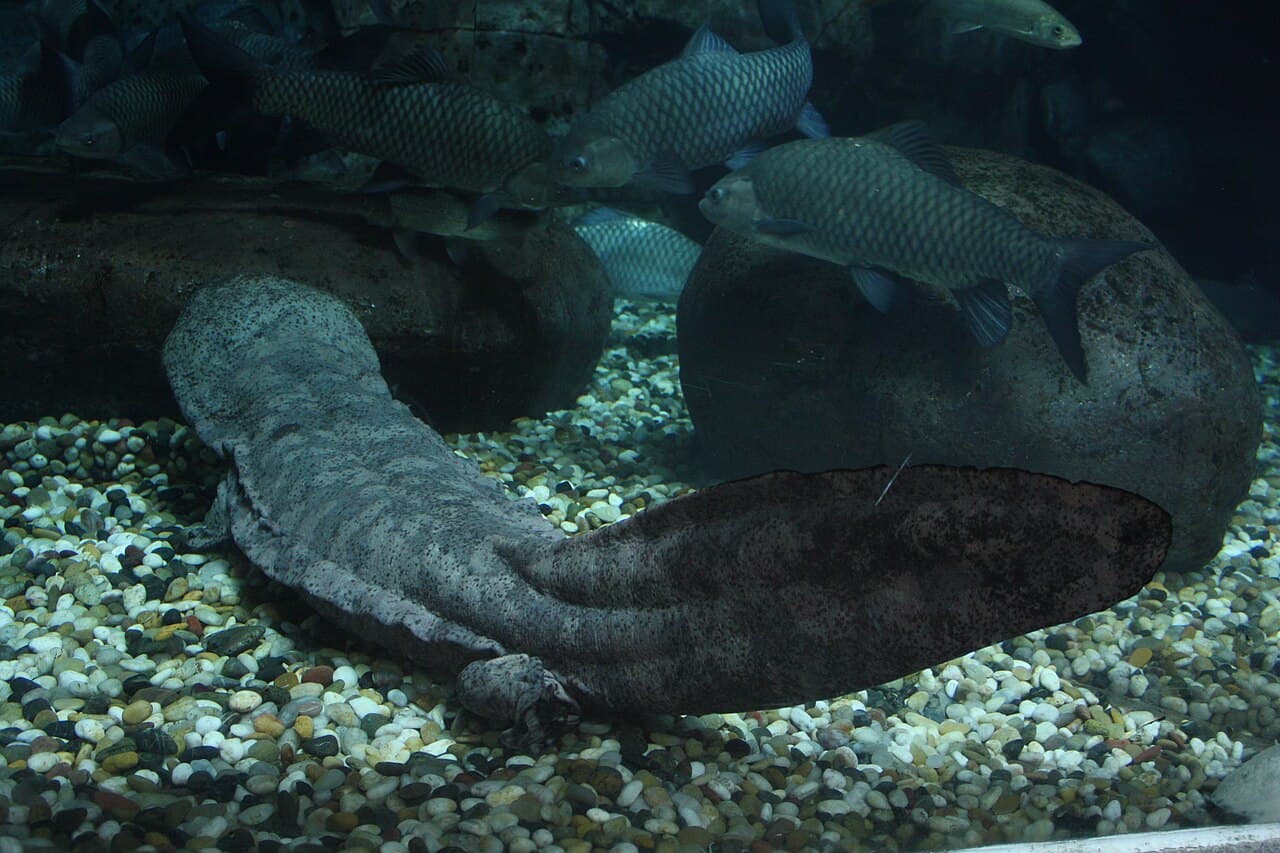
An animal once treated as a single widespread giant salamander has turned out to contain several distinct evolutionary lineages. That discovery changes how these huge amphibians should be protected.
Their size is remarkable. Their hidden diversity may be even more important.
Giants in freshwater
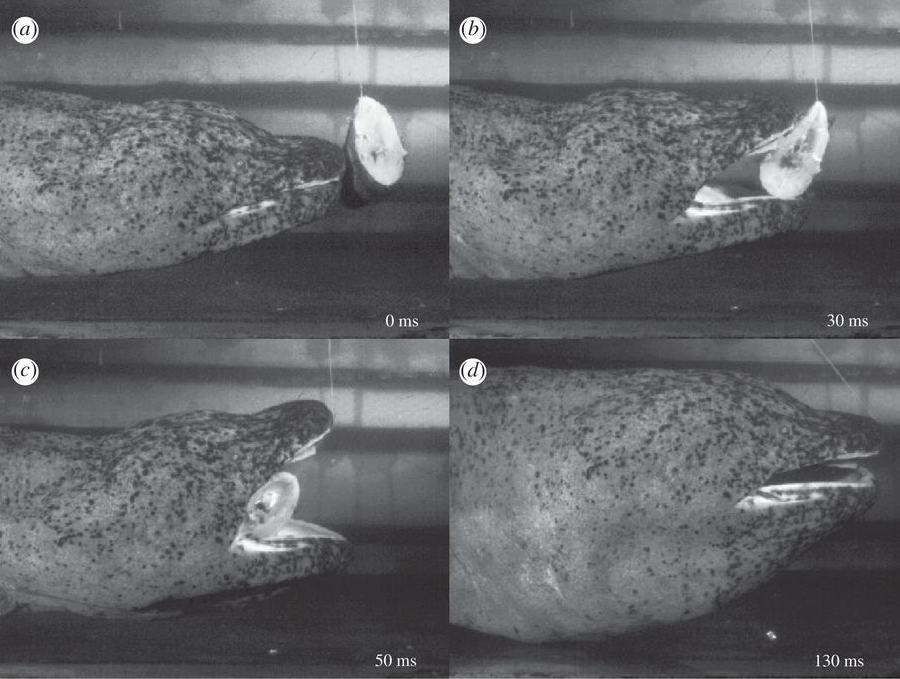
Chinese giant salamanders belong to the genus Andrias. They have broad heads, flattened bodies, and skin folds suited to an aquatic life.
They are among the world's largest living amphibians. Their ancient-looking shape does not mean they are unchanged fossils; living populations have their own evolutionary histories.
ZSL's giant salamander project explains the group's biology and conservation challenges.
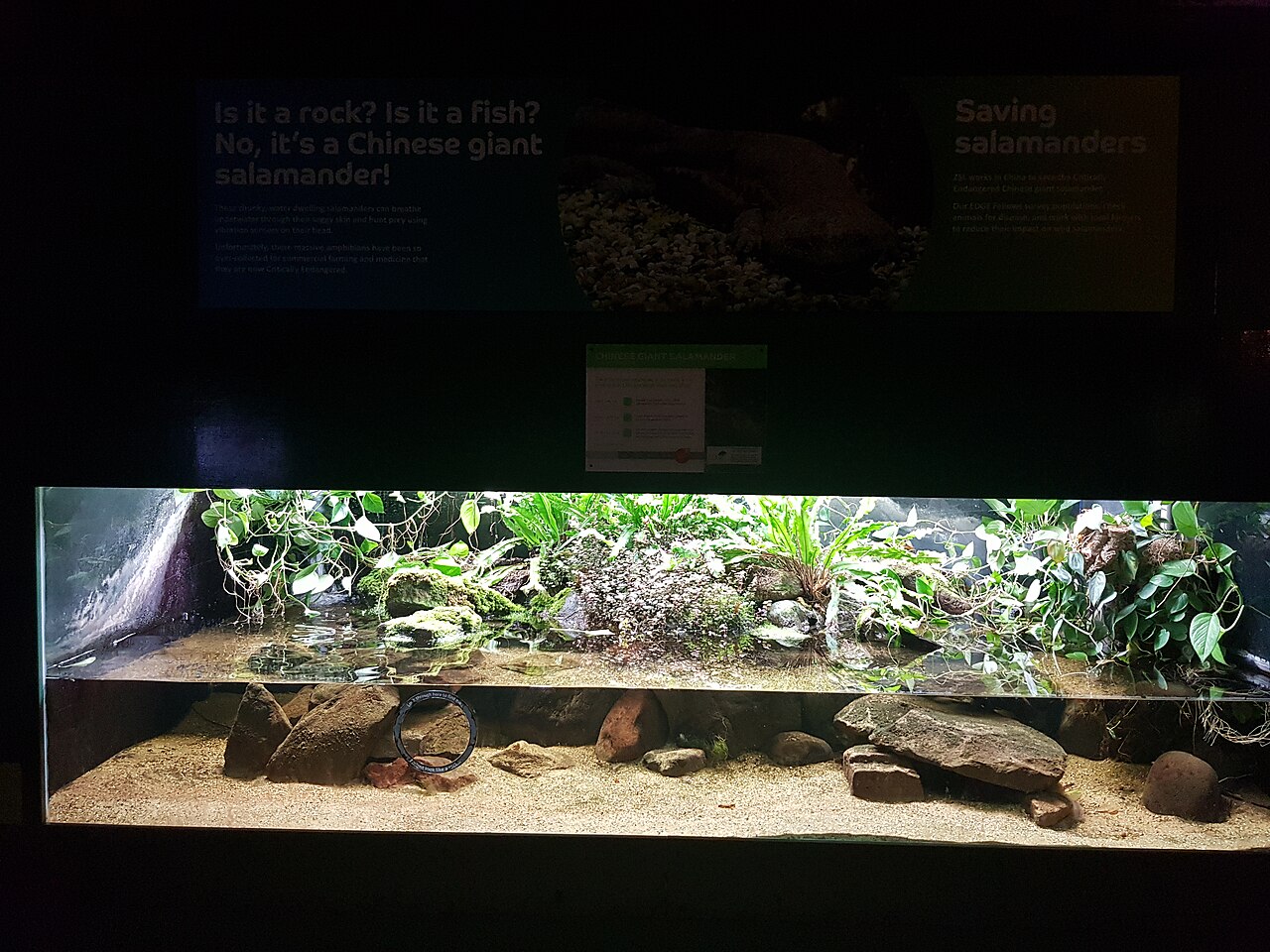
The familiar name covers a complex
Genetic studies found major differences between salamanders from different river systems.
A 2024 study described by ZSL identified evidence for multiple species rather than one uniform population.
Not every lineage has the same formal naming history. It is therefore more accurate to discuss a species complex than to label every photograph confidently as one genetically verified species.
Why a release can go wrong
Large numbers of giant salamanders in farms do not automatically mean that wild populations are safe.
Moving farmed animals between regions can mix distinct lineages and introduce disease. A conservation release needs more thought than simply putting an amphibian into a stream.
The Chinese giant salamander action plan explains these risks and the importance of appropriate identification.
Protect rivers and identities
Habitat damage and collection have put wild giant salamanders under severe pressure. Conservation must consider clean, connected freshwater habitats as well as the identity of the animals involved.
The giant salamander's story shows why discovering biodiversity is practical work. Recognizing a hidden species can change which river needs protection—and which animal belongs there.
Photo credits
Featured image: J. Patrick Fischer; Source; CC BY-SA 3.0. Resized for web display.

Body image 1: Pito22; Source; CC BY-SA 4.0. Resized for web display.

Body image 2: Egon Heiss, Nikolay Natchev, Michaela Gumpenberger, Anton Weissenbacher and Sam Van Wassenbergh; Source; CC BY-SA 4.0. Resized for web display.
