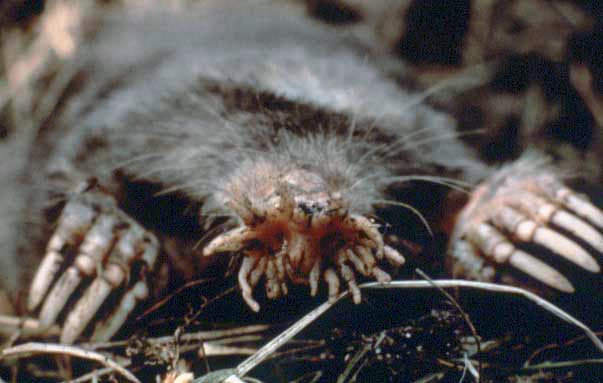
The Star-Nosed Mole Uses 22 Fleshy Rays to Read Its World
The star-nosed mole’s strange nose is a remarkable touch organ. Discover how its 22 rays help it find food in wet soil and water.
The star-nosed mole’s strange nose is a remarkable touch organ. Discover how its 22 rays help it find food in wet soil and water.
The saiga’s unusual nose filters dust and warms cold air. Explore its steppe adaptations and the conservation recovery that still needs care.
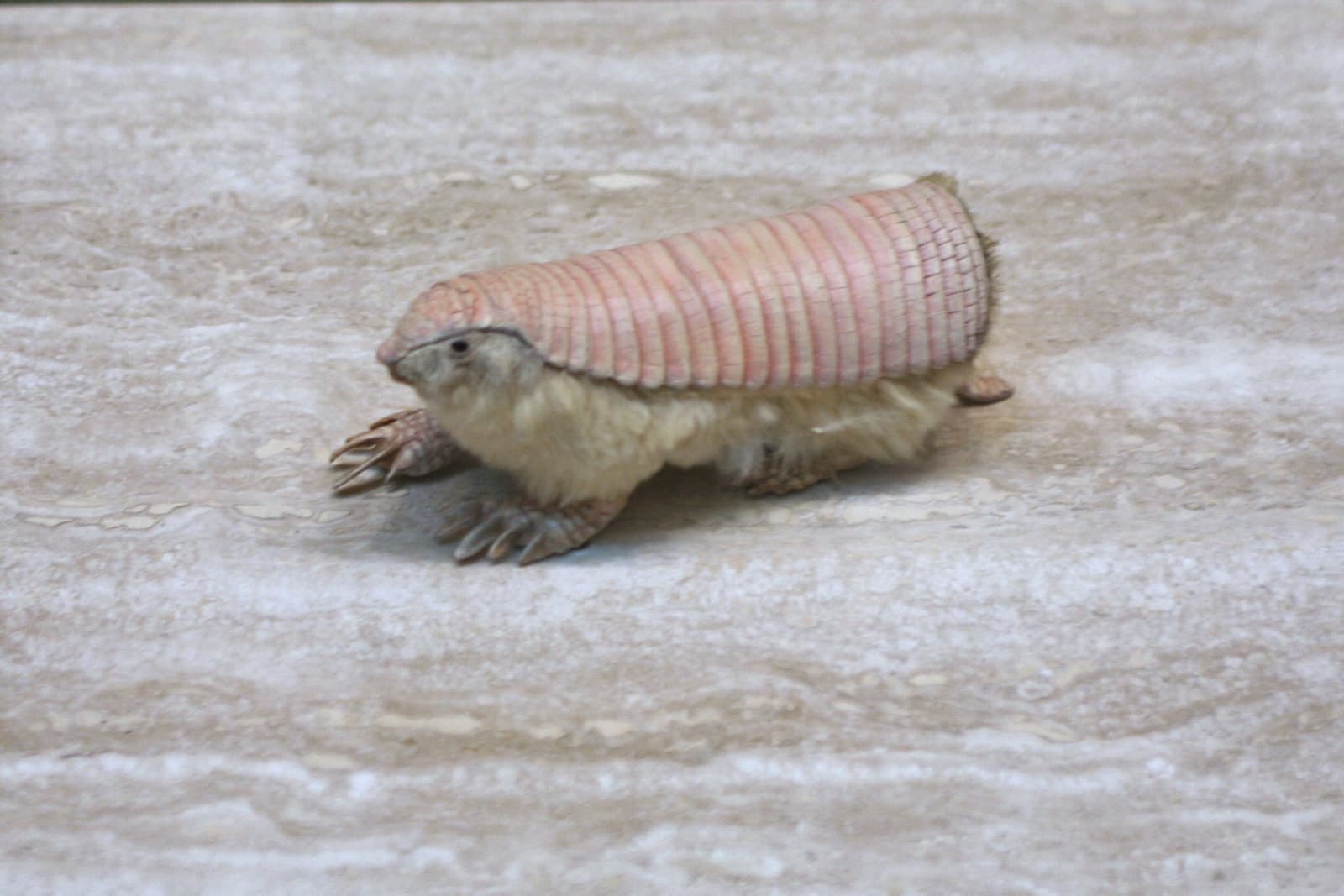
Meet the pink fairy armadillo, a tiny Argentine mammal with pale fur, a flexible shell, and a life that remains surprisingly mysterious.
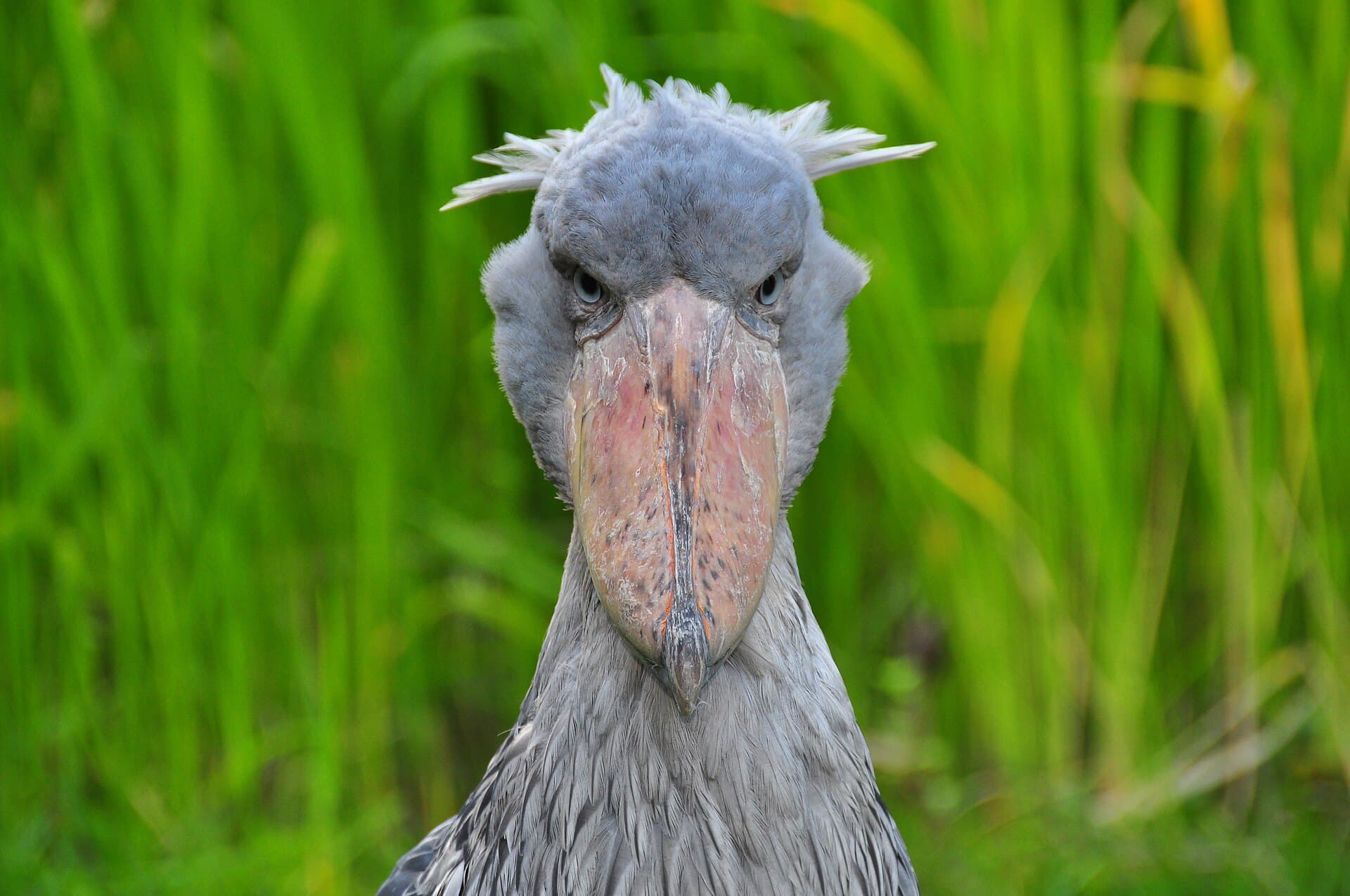
Discover how the shoebill uses stillness and an enormous bill to hunt—and why Africa’s wetlands are vital to this remarkable bird.
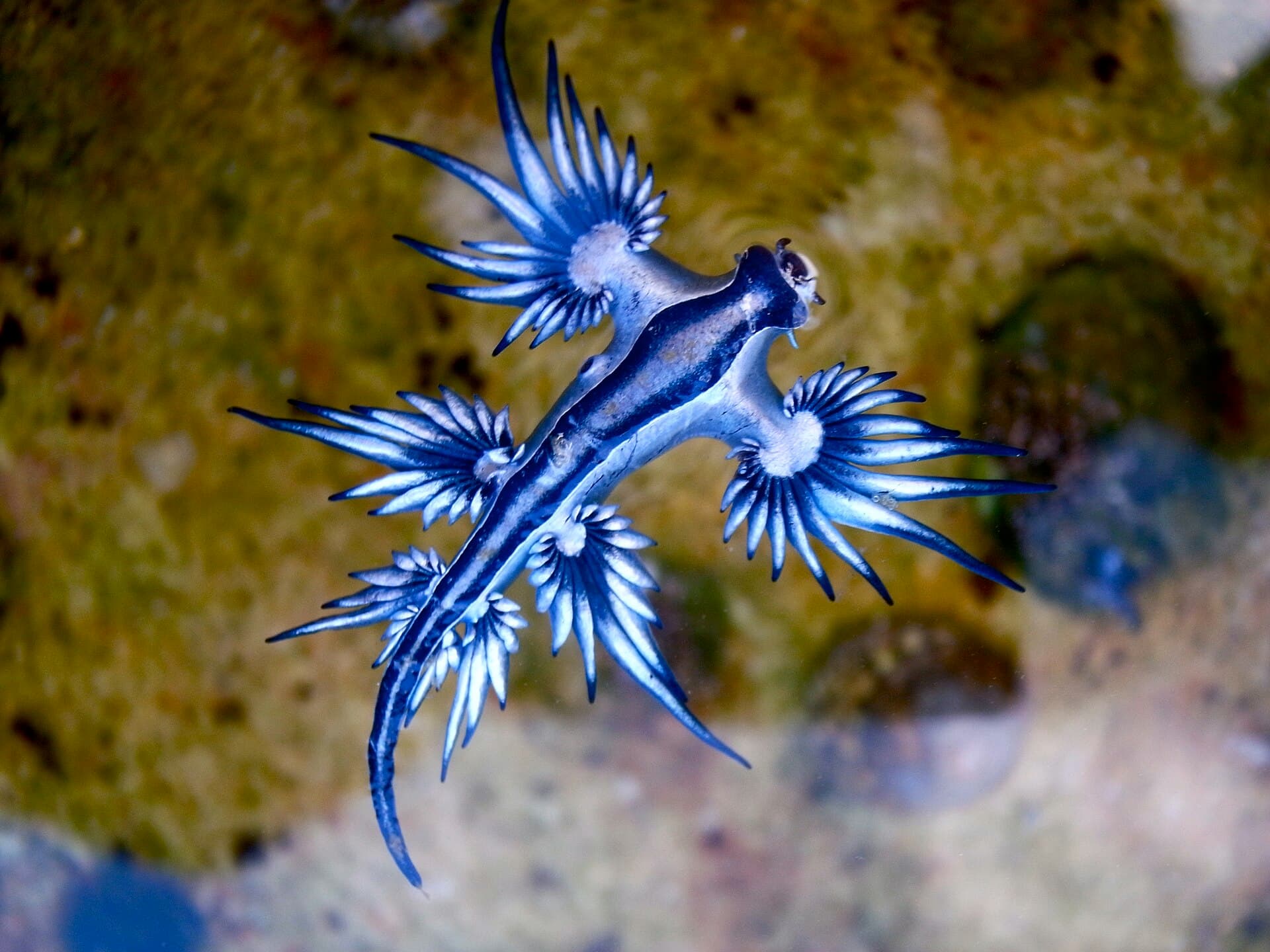
Meet the blue dragon sea slug, a tiny ocean drifter that stores stinging capsules from its prey and floats upside down at the surface.
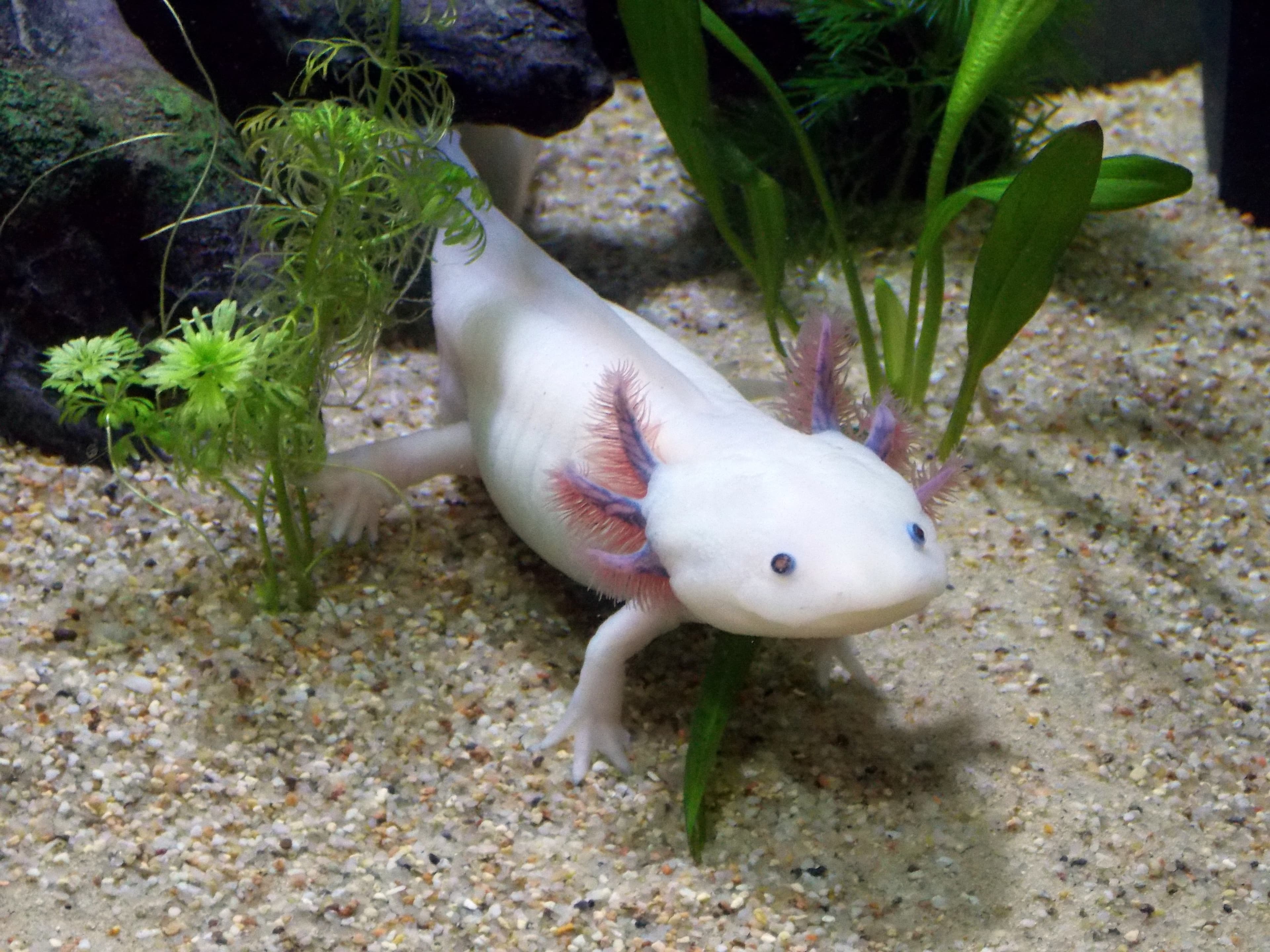
Axolotls can rebuild lost limbs. Discover what a new study reveals about skeletal repair—and why this Mexican salamander needs protection.
A family of barn owls is raising young in a rooftop water tower on the Upper West Side. Birders say it's the first documented barn owl nest in Manhattan, and crowds gather nightly to watch.