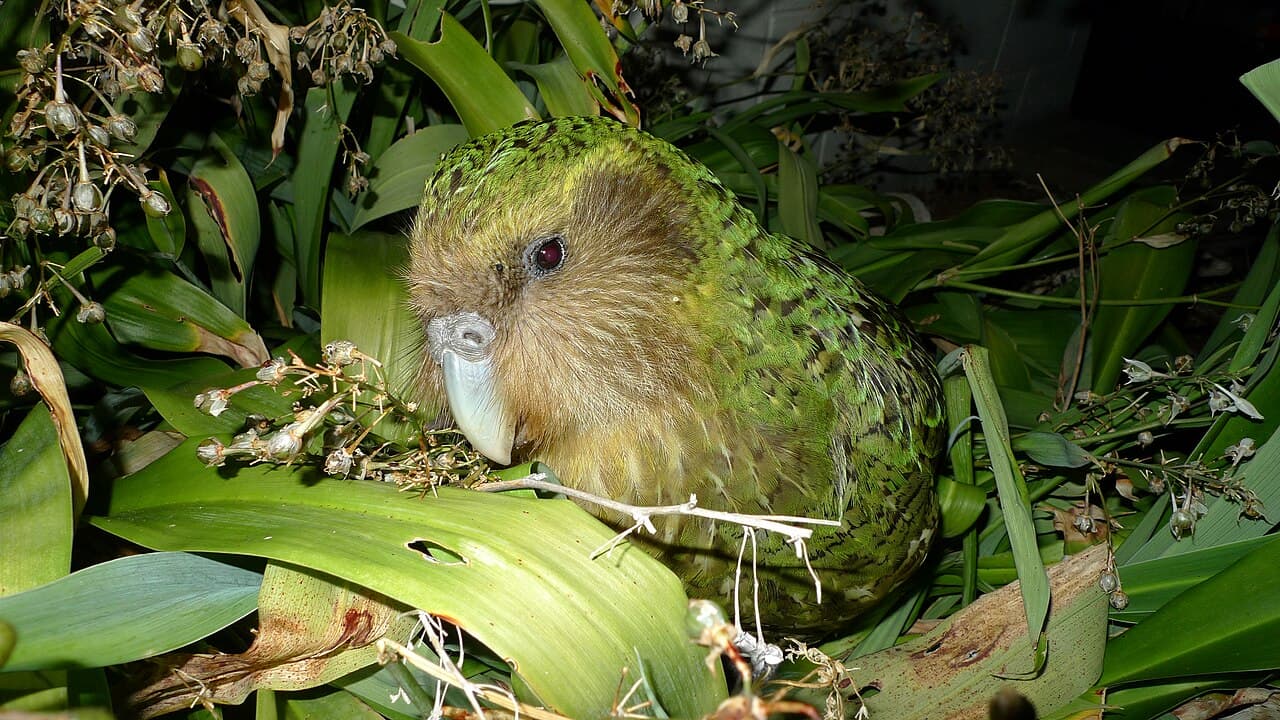
In a New Zealand forest after dark, a deep boom may come from a parrot on the ground. The kākāpō cannot fly, but a male's courtship call can carry through the night.
This heavy, green parrot has built a life very different from the flying flocks many people picture.
A forest parrot on foot
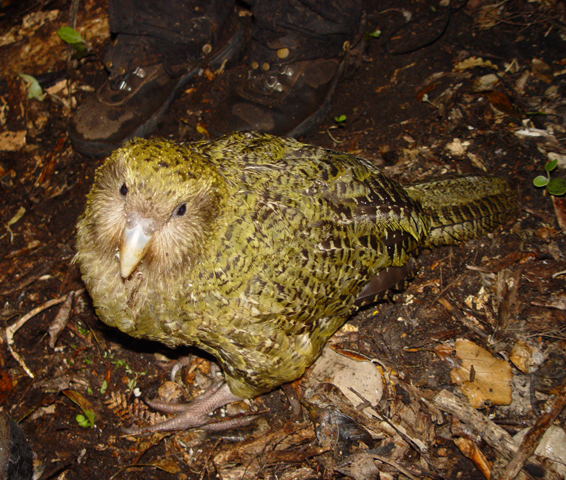
Kākāpō are nocturnal and flightless. They walk through their habitat and can climb, using strong feet and their bills.
Their green, patterned feathers blend with vegetation. The broad face gives them an owllike appearance, though they are parrots, not owls.
New Zealand's Department of Conservation describes the kākāpō as a taonga, or treasure, to Ngāi Tahu.
A strange nighttime concert
During breeding seasons, males gather at display areas. They prepare shallow bowls in the ground and call to attract females.
This system is called a lek. A male's performance does not mean he will help raise chicks; females take on nesting and chick care.
NZ Birds Online explains how breeding is linked to abundant food. On some islands, heavy rimu fruiting is an important trigger. Kākāpō do not simply breed every year on a fixed schedule.
A recovery that needs people
Introduced predators were disastrous for these ground-living birds. Conservation teams now manage populations in carefully protected places.
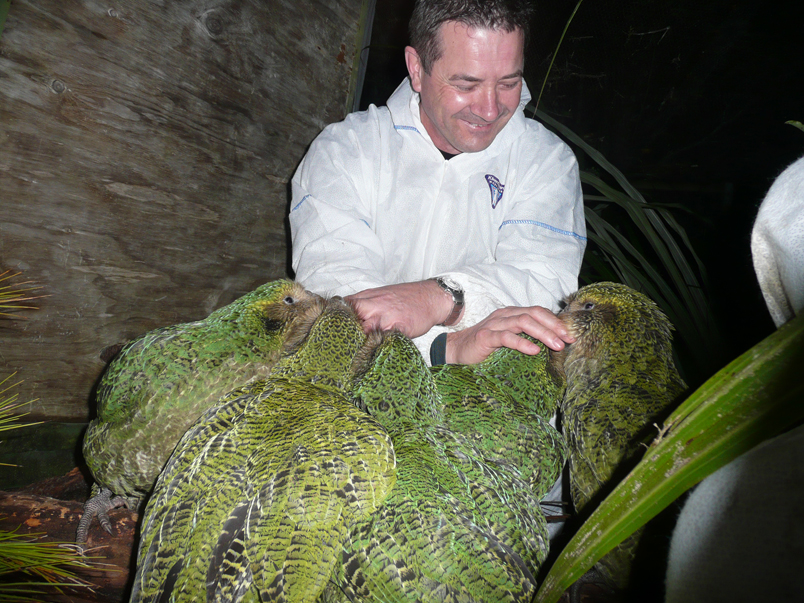
Work includes monitoring birds, managing breeding, and caring for chicks when necessary. DOC and Ngāi Tahu work together on the recovery program.
Every breeding season matters
DOC announced the start of the 2026 breeding season in January. Such opportunities matter because reproduction is infrequent and recovery takes time.
The kākāpō's story combines deep wonder with patient work. A booming call in the darkness is more than an unusual sound—it is part of a continuing effort to keep a remarkable parrot in the world.
Photo credits
Featured image: Department of Conservation; Wikimedia Commons source; CC BY 2.0. Resized for web display.

Body image 1: derivative work: Snowmanradio (talk) Strigops_habroptilus_1.jpg: Mnolf; Wikimedia Commons source; CC BY-SA 3.0. Resized for web display.

Body image 2: Alastair Morrison/Department of Conservation; Wikimedia Commons source; CC BY 2.0. Resized for web display.
