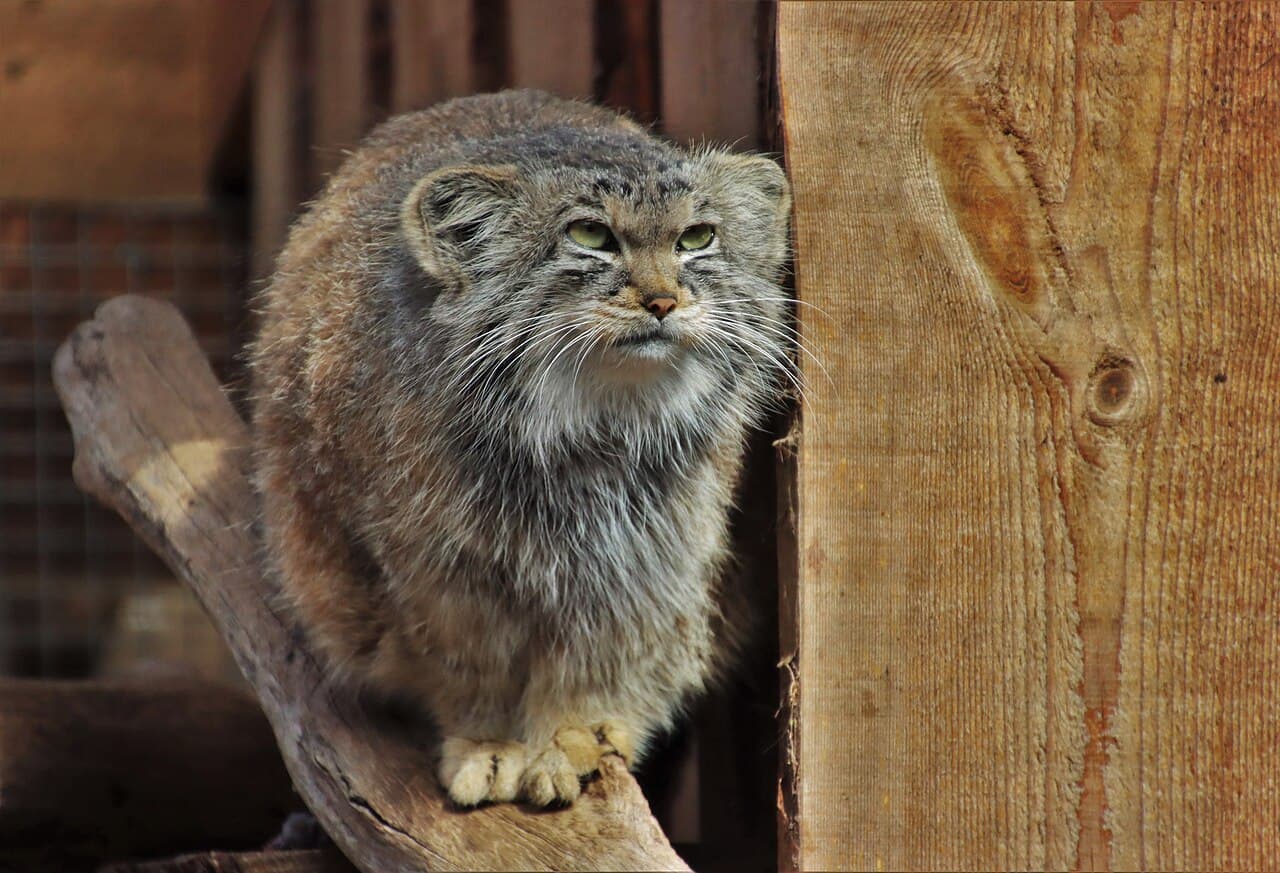
A Pallas's cat can look like a ball of fur with eyes. Its winter coat is so thick that its body appears much bulkier than the animal beneath it.
That familiar “grumpy” face may attract attention online. But the more interesting story is how this small wild cat handles cold, open country.
Fur where it matters
Pallas's cats, also called manuls, live across parts of Asia. Their habitats include grasslands, rocky slopes, and other open landscapes.
The IUCN SSC Cat Specialist Group notes that winter fur on the belly is especially long. This is useful for an animal that moves and rests close to cold ground.
The coat changes with the season. A summer animal can look noticeably slimmer without any change in its underlying body shape.
A face built differently
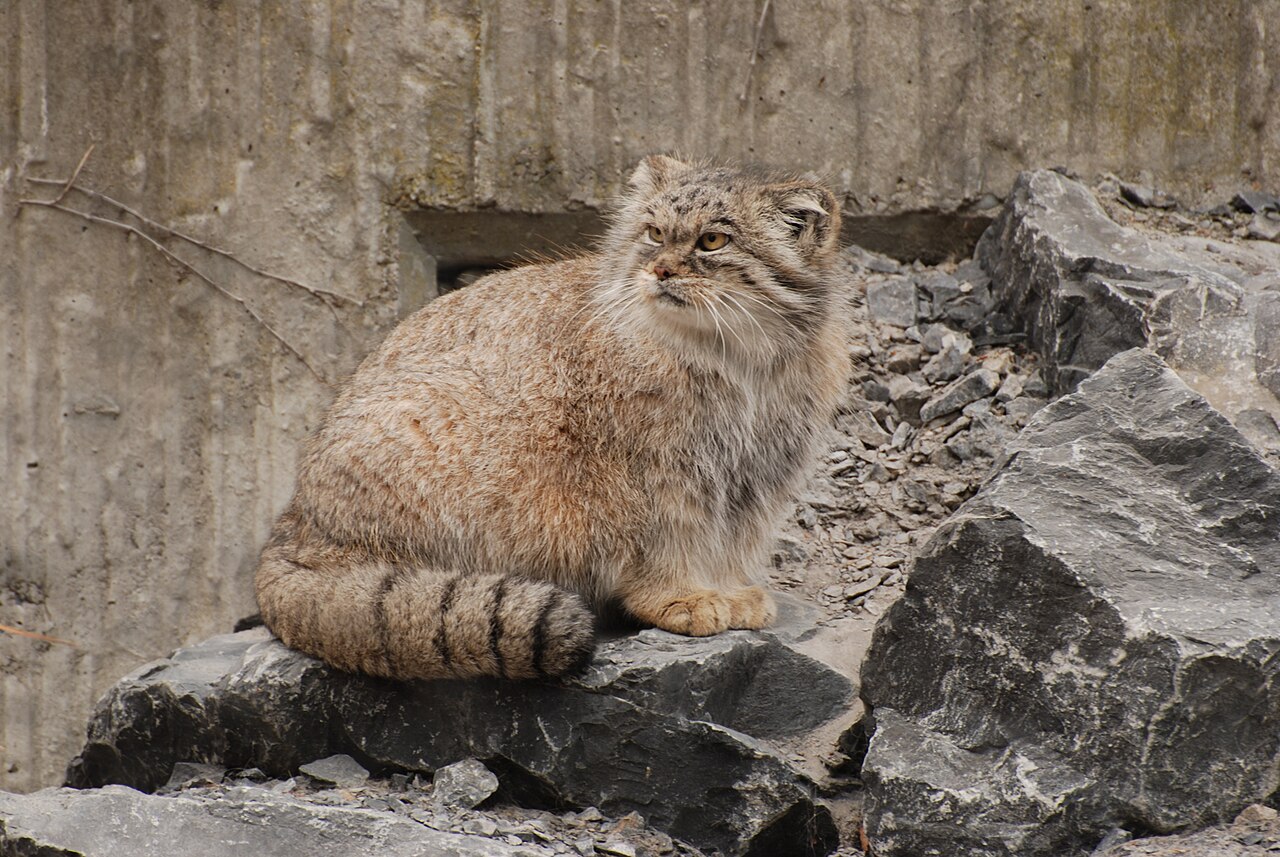
Round pupils and small, low-set ears help give Pallas's cats their distinctive appearance. Gdańsk Zoo describes these features.
A fixed facial shape does not reveal an animal's mood. Calling the cat “grumpy-looking” can be playful, but it should not be mistaken for a scientific description of its feelings.
Shelter in an open landscape
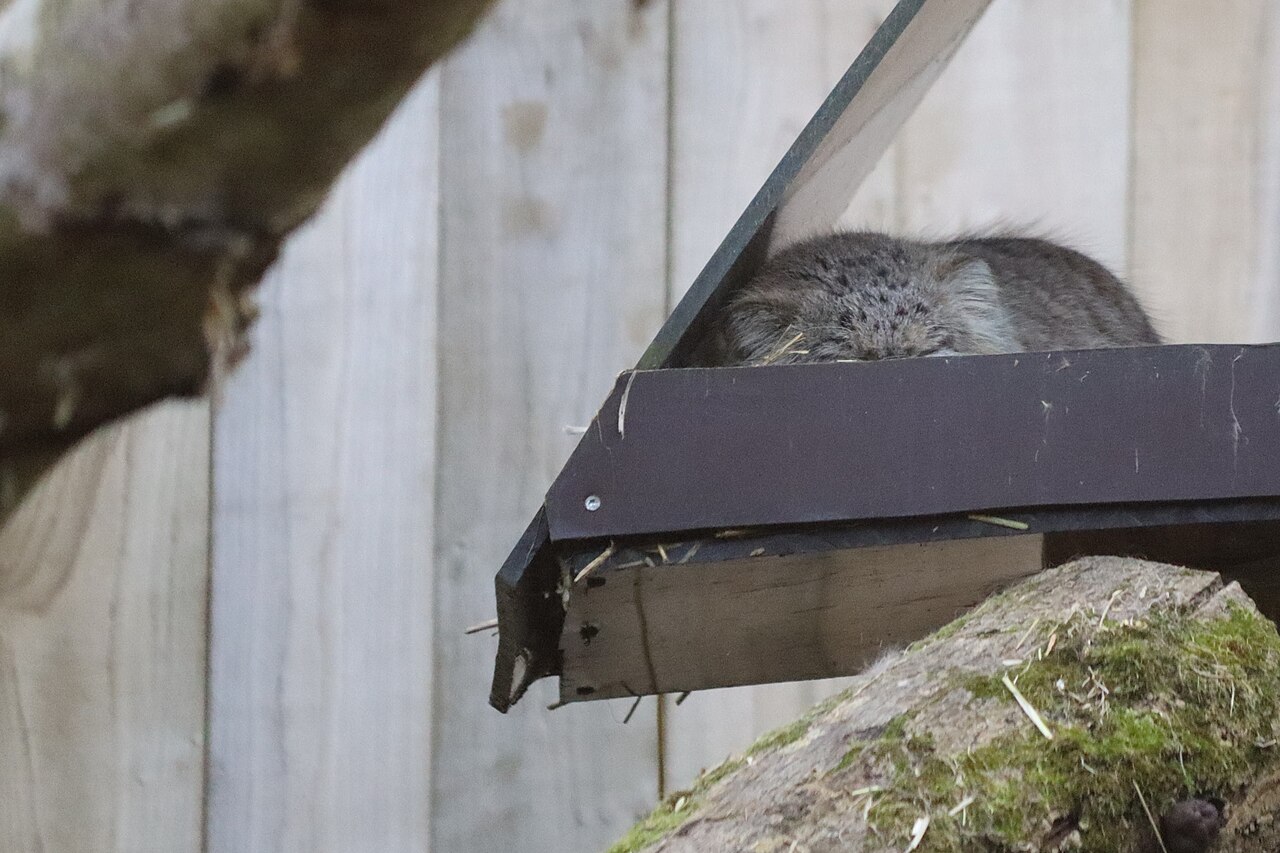
The Pallas's Cat International Conservation Alliance explains the importance of suitable habitat and shelter. Rocky spaces and burrows can offer places to rest, hide, and raise young.
These cats hunt small animals. Their lives depend on more than a warm coat: they also need prey and places where they can move safely.
More than an internet expression
Habitat changes and other human pressures make research and conservation valuable. A species spread over a large map can still face local problems.
The Pallas's cat reminds us to look past a memorable face. Beneath the fluff is a wild hunter shaped by wind, cold, and the need to keep a low profile.
Photo credits
Featured image: Lysette Kadakas; Wikimedia Commons source; CC BY-SA 4.0. Resized for web display.

Body image 1: Winkelbohrer; Wikimedia Commons source; CC BY-SA 2.0. Resized for web display.

Body image 2: Animalculum; Wikimedia Commons source; CC BY 4.0. Resized for web display.
