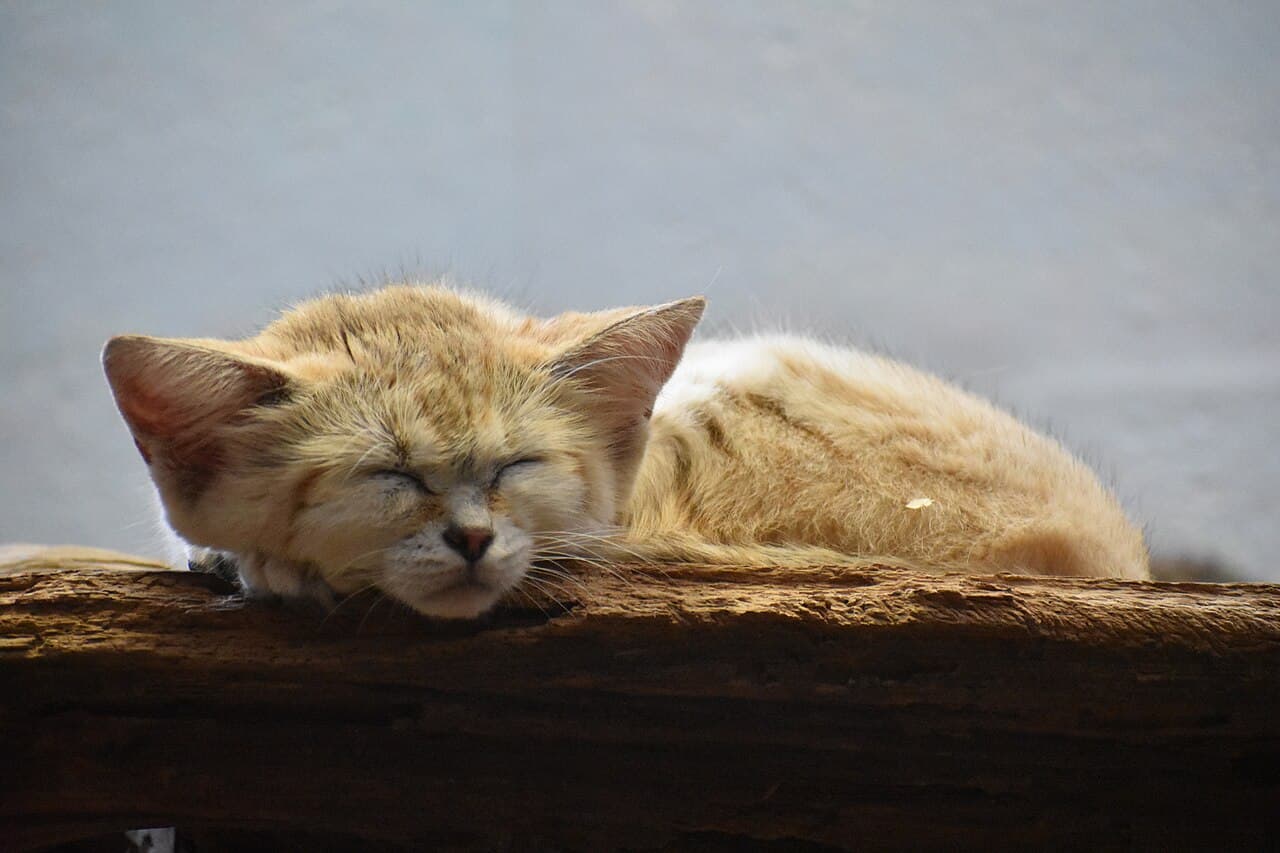
A sand cat carries part of its desert protection on the bottoms of its feet. Dense fur covers its foot pads, helping this small wild cat move across a harsh landscape.
Its kittenlike face may look familiar, but its home demands far more than an ordinary house cat's routine.
A cat of sandy country
Sand cats live in desert regions of North Africa and Asia. They are small, pale cats with broad heads and large ears.
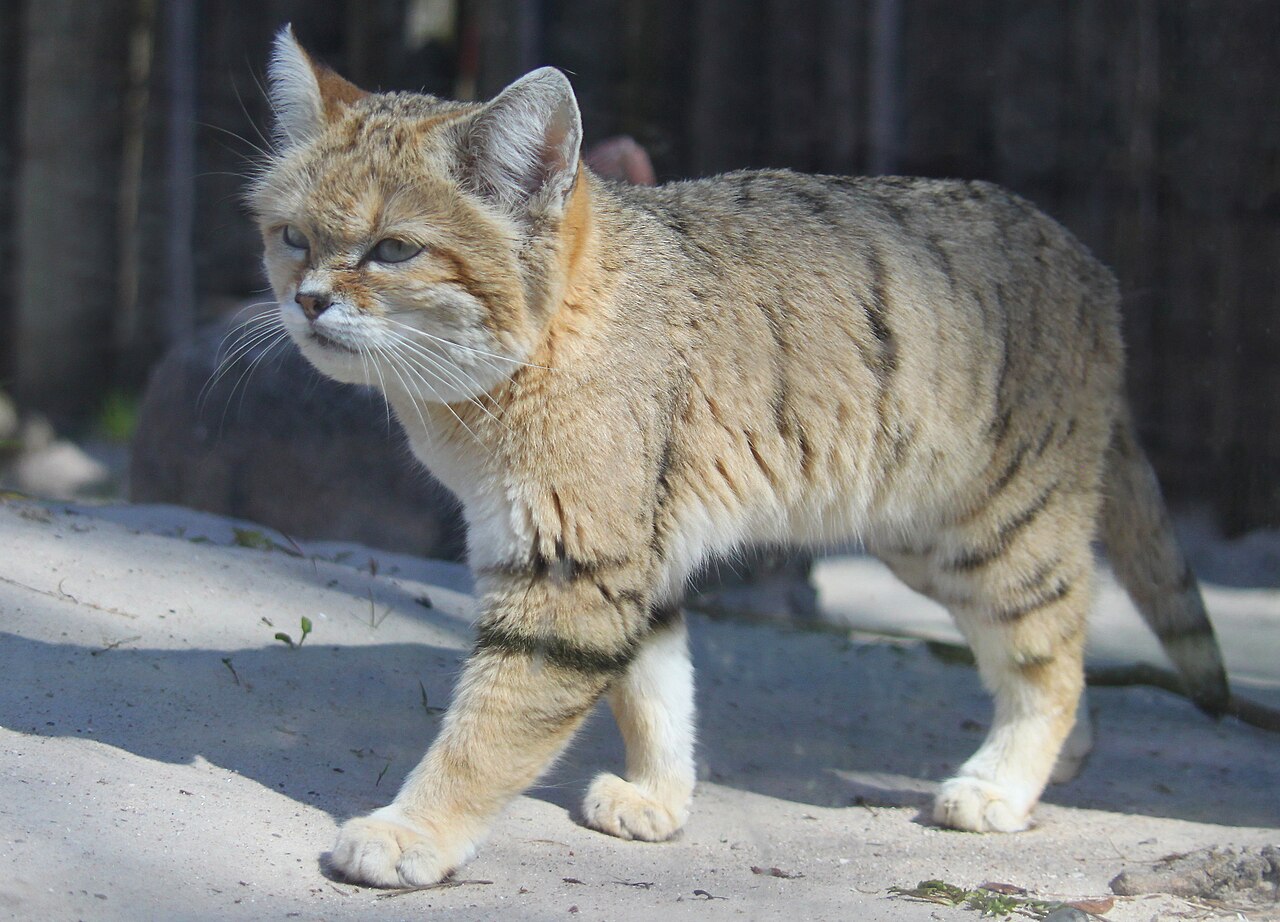
The Smithsonian's National Zoo describes an animal suited to a dry and demanding setting. A sandy coat helps it blend into its surroundings, while its low shape can make it surprisingly difficult to notice.
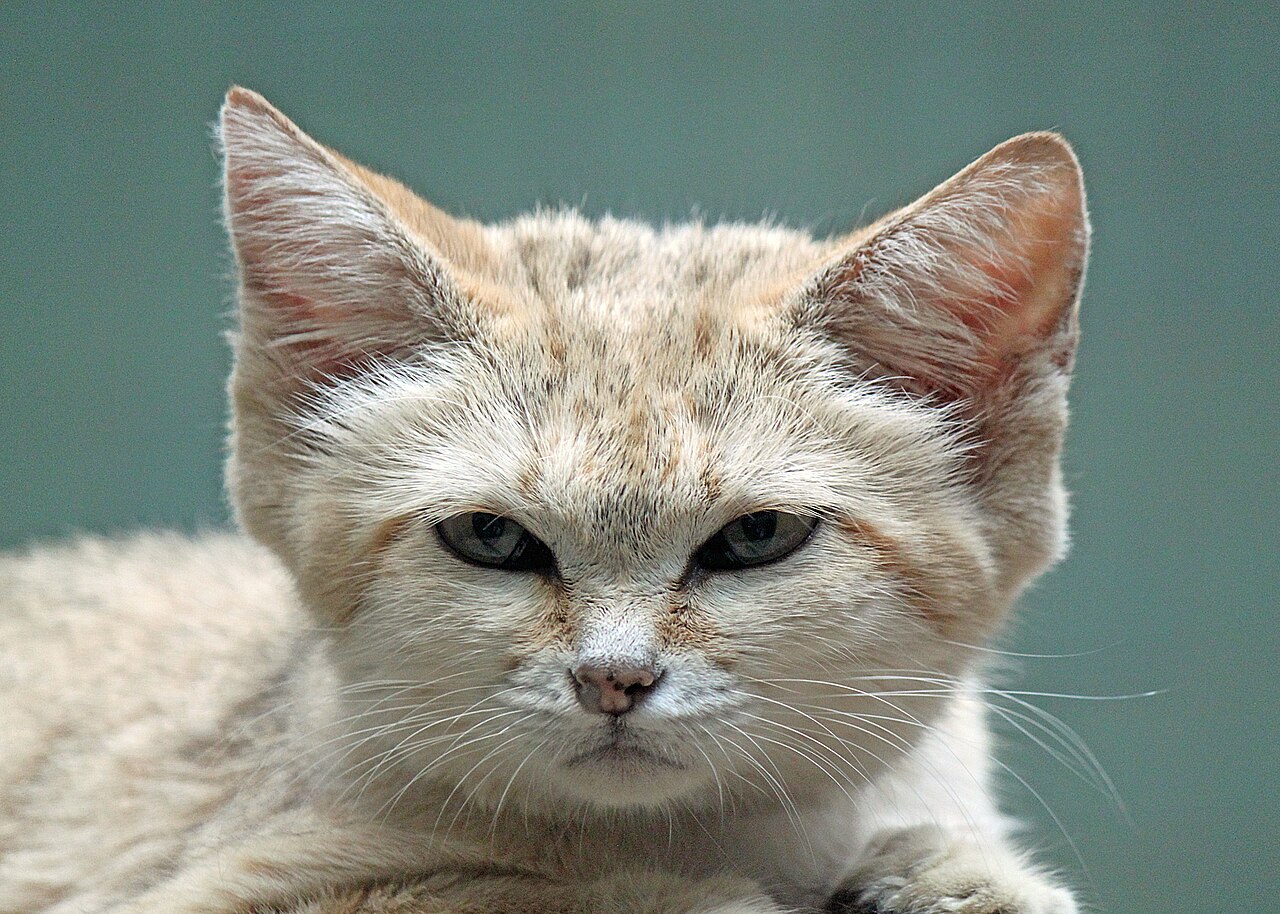
A useful layer under each paw
The North Carolina Zoo highlights the dense fur on sand cat feet. That covering provides insulation from hot ground.
Deserts also become cold, so warmth matters as well as protection from heat. The IUCN SSC Cat Specialist Group describes a species adapted to life in these extreme environments.
Furry feet are one part of the package. The coat, behavior, and choice of resting places also help the animal manage daily conditions.
Quiet hours and hidden shelters
Sand cats often avoid the hottest part of the day by resting in shelter. When active, they search for prey such as small mammals and other desert animals.
They usually live alone outside breeding and the period when mothers care for kittens. Their wide, dry habitat can make observing them difficult. Seeing few sand cats does not automatically tell researchers how many are present.
A desert worth protecting
Dry country is a living habitat, not empty space. Changes to prey, vegetation, and human activity can affect its wildlife.
The sand cat deserves appreciation as a wild predator with specialized needs. Its soft-looking feet tell a much larger story: even the smallest details can help an animal belong in a difficult place.
Photo credits
Featured image: Bobby McCabe; Wikimedia Commons source; CC BY 2.0. Resized for web display.

Body image 1: H. Zell; Wikimedia Commons source; CC BY-SA 3.0. Resized for web display.

Body image 2: Malene Thyssen; Wikimedia Commons source; CC BY-SA 3.0. Resized for web display.
