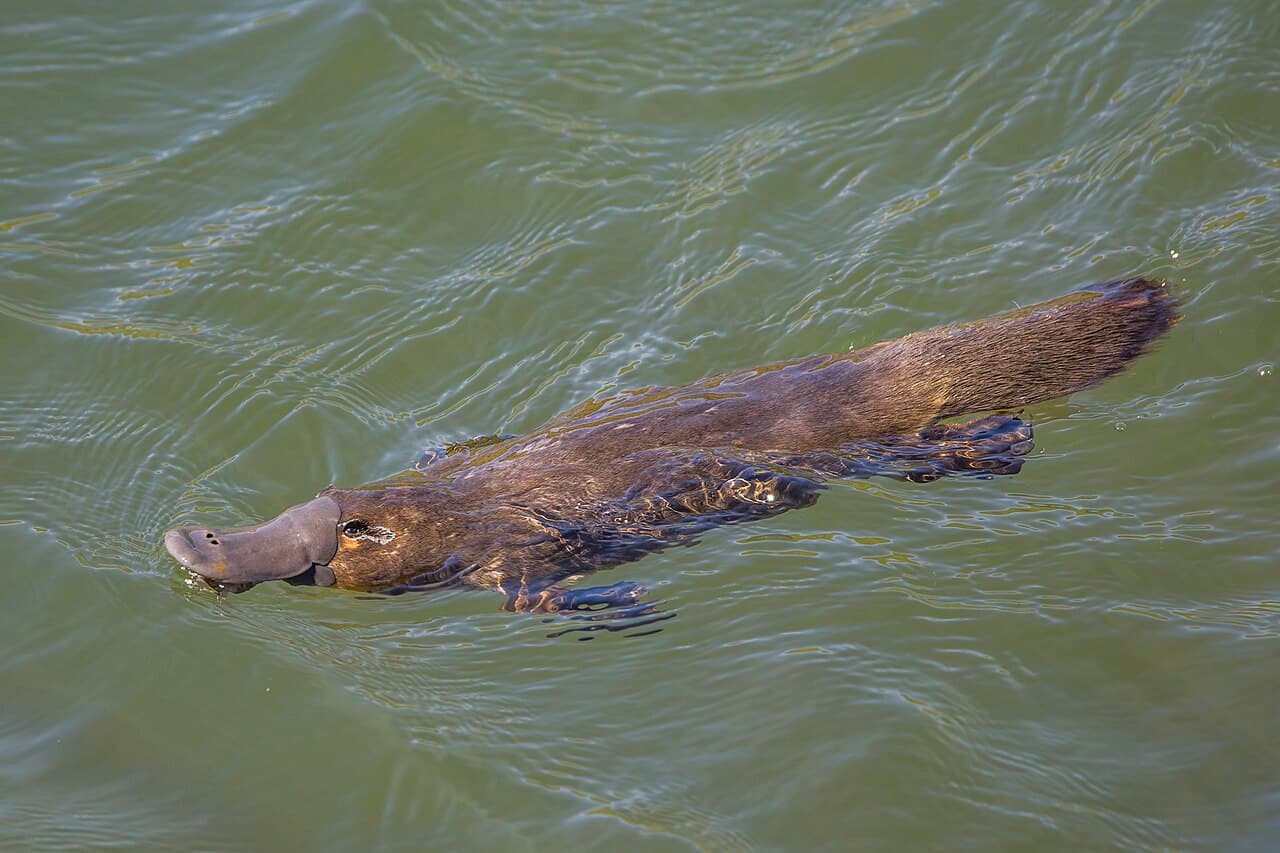
A platypus closes its eyes, ears, and nostrils when it searches underwater. Instead of looking for dinner, it relies on a bill equipped to detect touch and tiny electrical signals.
That is only one surprise from an Australian mammal that also lays eggs.
A mammal with an unusual beginning
Platypuses belong to the monotremes, the egg-laying branch of living mammals. Females lay eggs in nesting burrows and later feed their young with milk.
The Australian Museum explains why egg laying does not make the animal a bird or reptile.
Fur and milk production belong to its mammalian biology. The ducklike bill is a resemblance, not evidence that unrelated animals were somehow combined.
The bill is a hunting tool
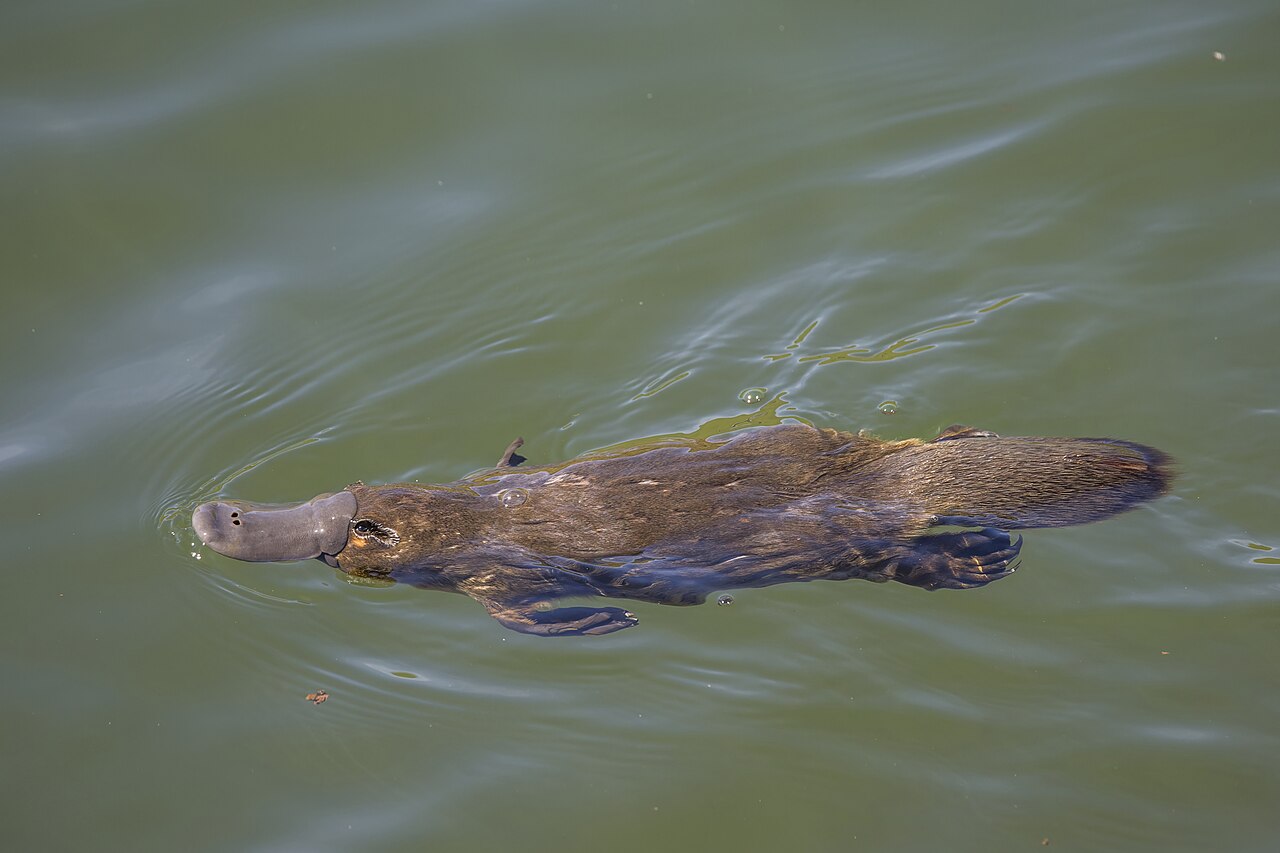
The museum's platypus profile describes receptors that detect pressure and electrical activity.
Small aquatic prey create movements and electrical signals as they use their muscles. The sensitive bill helps the platypus investigate the streambed even when vision is unavailable.
Its webbed feet provide propulsion, while the animal's shape supports a life moving between water and burrows.
Males have another unusual feature
Male platypuses carry spurs on their hind ankles connected to venom glands. The system is associated with male competition, rather than being the normal way a platypus captures food.
The Tasmanian wildlife authority describes this biology alongside the animal's habitat needs.
A remarkable animal needs ordinary water
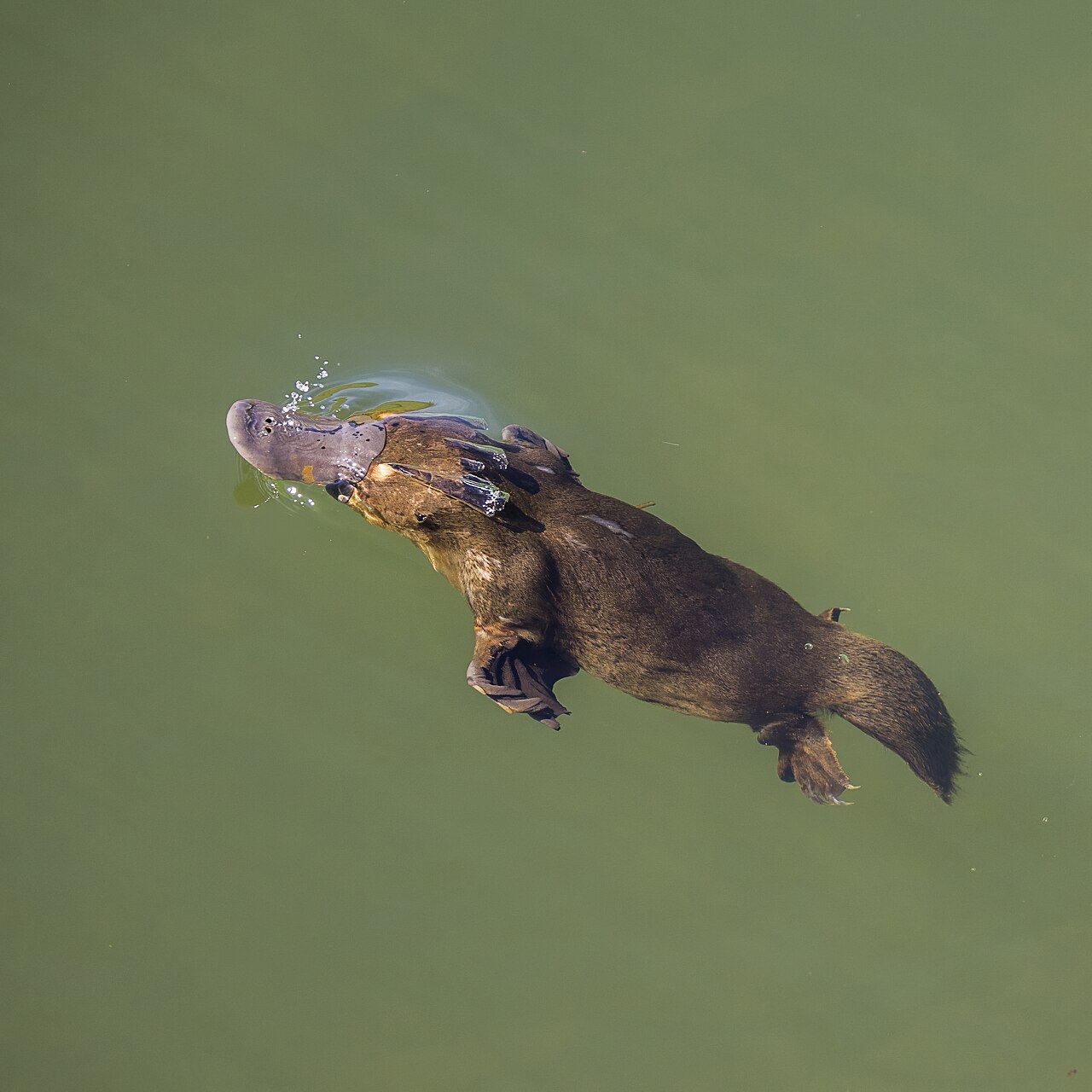
Healthy waterways, useful banks, and reliable food supplies matter more to a platypus than its fame. Changes to rivers and streams can affect all three.
The platypus expands our idea of what a mammal can be. Its most extraordinary features work together in a very practical daily task: finding food in the dark water beneath the surface.
Photo credits
Featured image: Charles J. Sharp; Source; CC BY-SA 4.0. Resized for web display.

Body image 1: Charles J. Sharp; Source; CC BY-SA 4.0. Resized for web display.

Body image 2: Charles J. Sharp; Source; CC BY-SA 4.0. Resized for web display.
