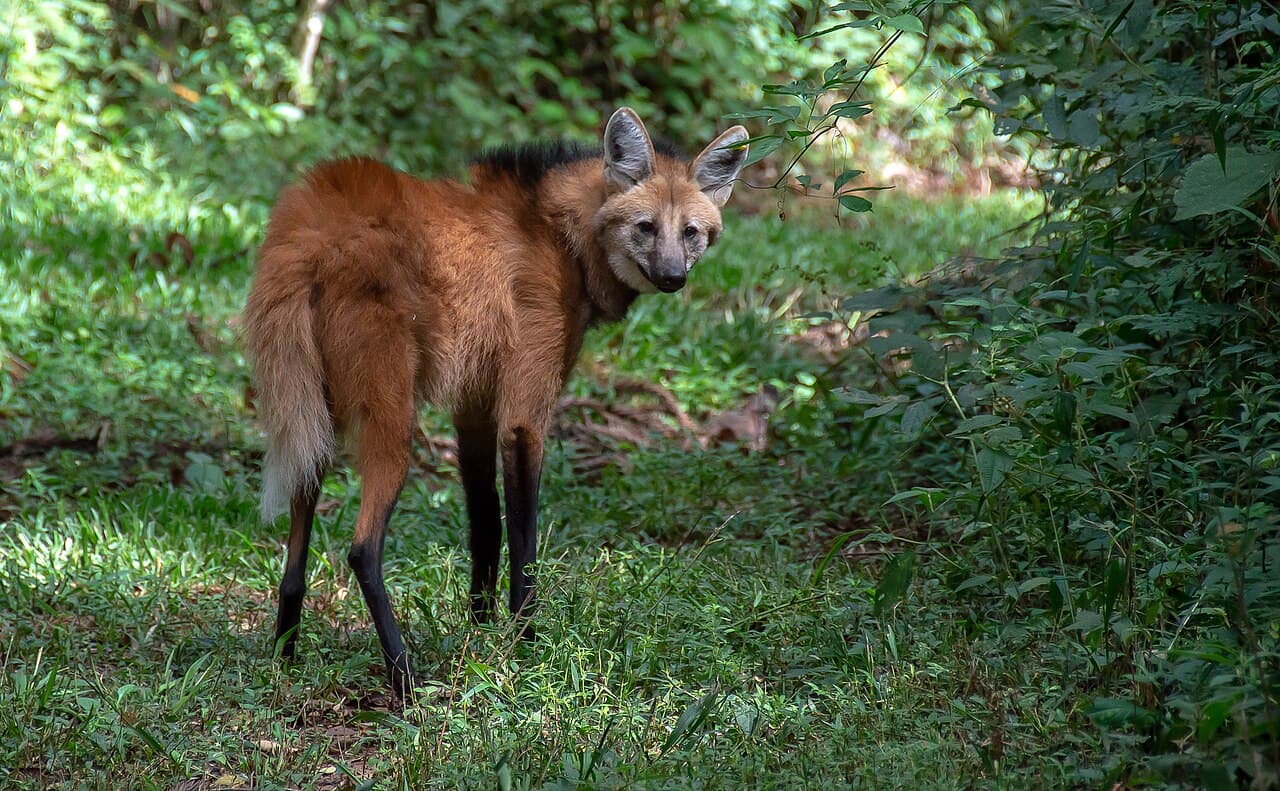
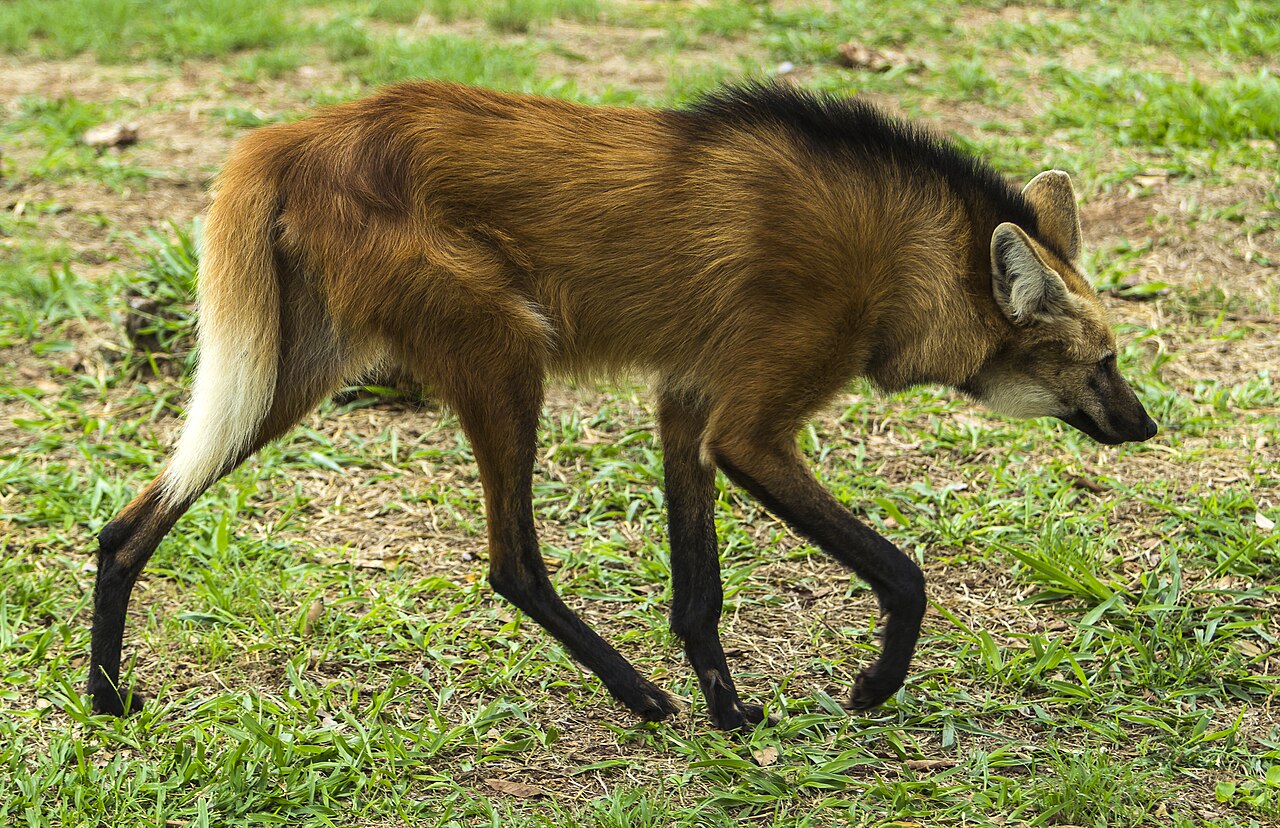
A maned wolf can look like a fox standing on stilts. Its exceptionally long legs lift a reddish body above the grass, but neither that resemblance nor its name tells the whole story.
This South American canid also eats a surprising amount of fruit.
A distinctive member of the dog family
The maned wolf is Chrysocyon brachyurus. It belongs to the dog family, but is not simply a long-legged red fox or a close copy of the familiar gray wolf.
Its tall body is suited to moving through open vegetation. Large ears and an elongated muzzle complete its distinctive outline.
The Smithsonian's National Zoo describes the species and its natural history.
A menu beyond meat
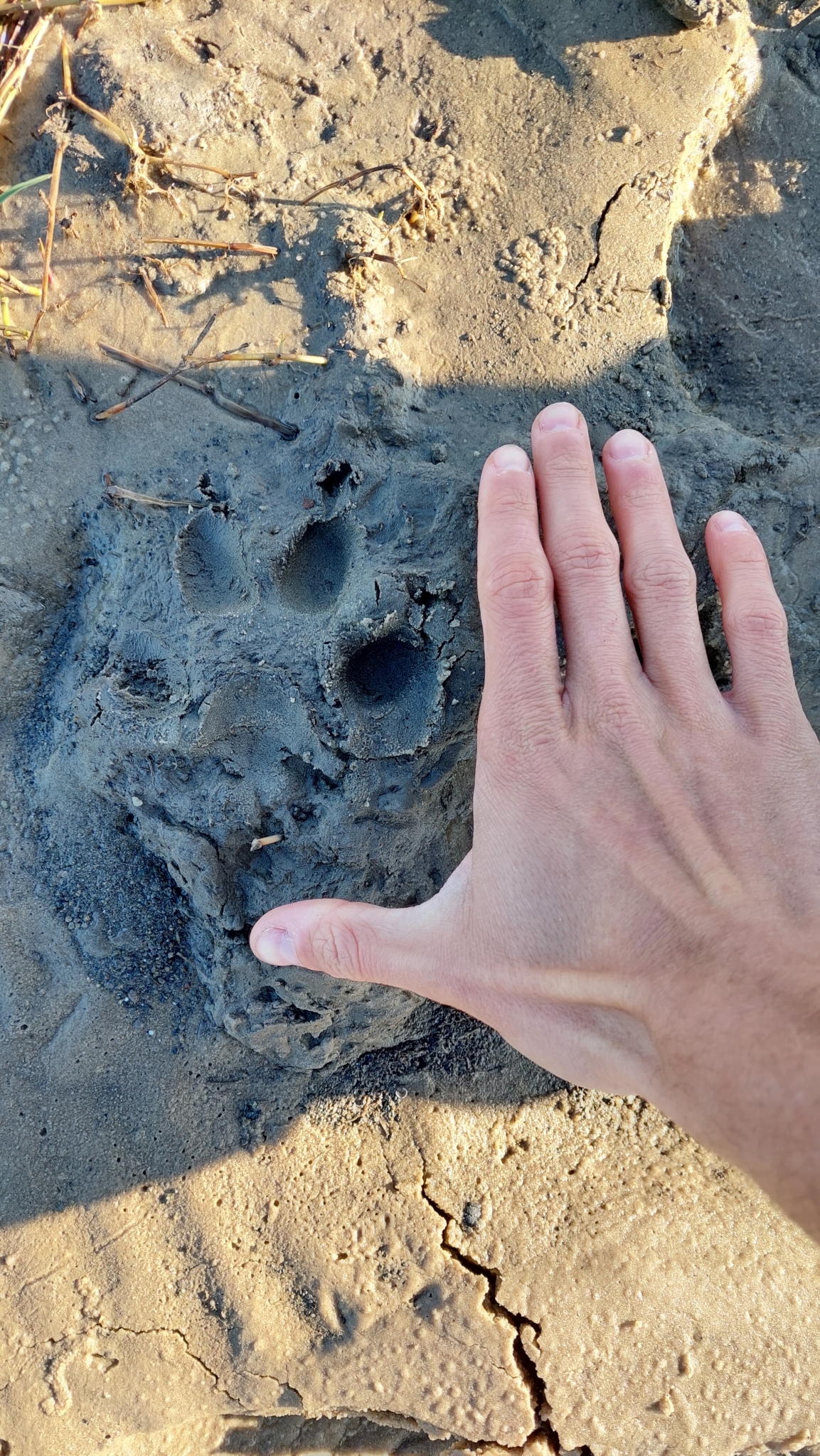
Maned wolves eat small animals as well as plant foods. A tomato-like fruit called lobeira, or wolf apple, is an important part of their diet in some places.
The Phoenix Zoo highlights that fondness for fruit.
This flexible menu is a reminder that “carnivore” can describe membership in a mammal order without meaning an animal eats only meat. Feeding choices respond to what the habitat offers.
A different social routine
Maned wolves do not normally hunt in the familiar large packs associated with some other wolves. Much of their activity is solitary.
Scent is important for communication. An animal can leave information for another individual without meeting it face to face.
Those less visible behaviors matter as much as the striking legs in a photograph.
Room for an unusual way of life
Habitat conversion and roads can put pressure on maned wolves. Open landscapes are functioning habitats, not unused land waiting for a different purpose.
The maned wolf combines features that challenge easy categories: a foxlike face, wolflike name, exceptionally long legs, and a taste for fruit. Its real identity is more interesting than any one comparison.
Photo credits
Featured image: Whaldener Endo; Source; CC0. Resized for web display.

Body image 1: Tomás Tamagno; Source; CC BY 4.0. Resized for web display.

Body image 2: Jonathan Wilkins; Source; CC BY-SA 3.0. Resized for web display.
