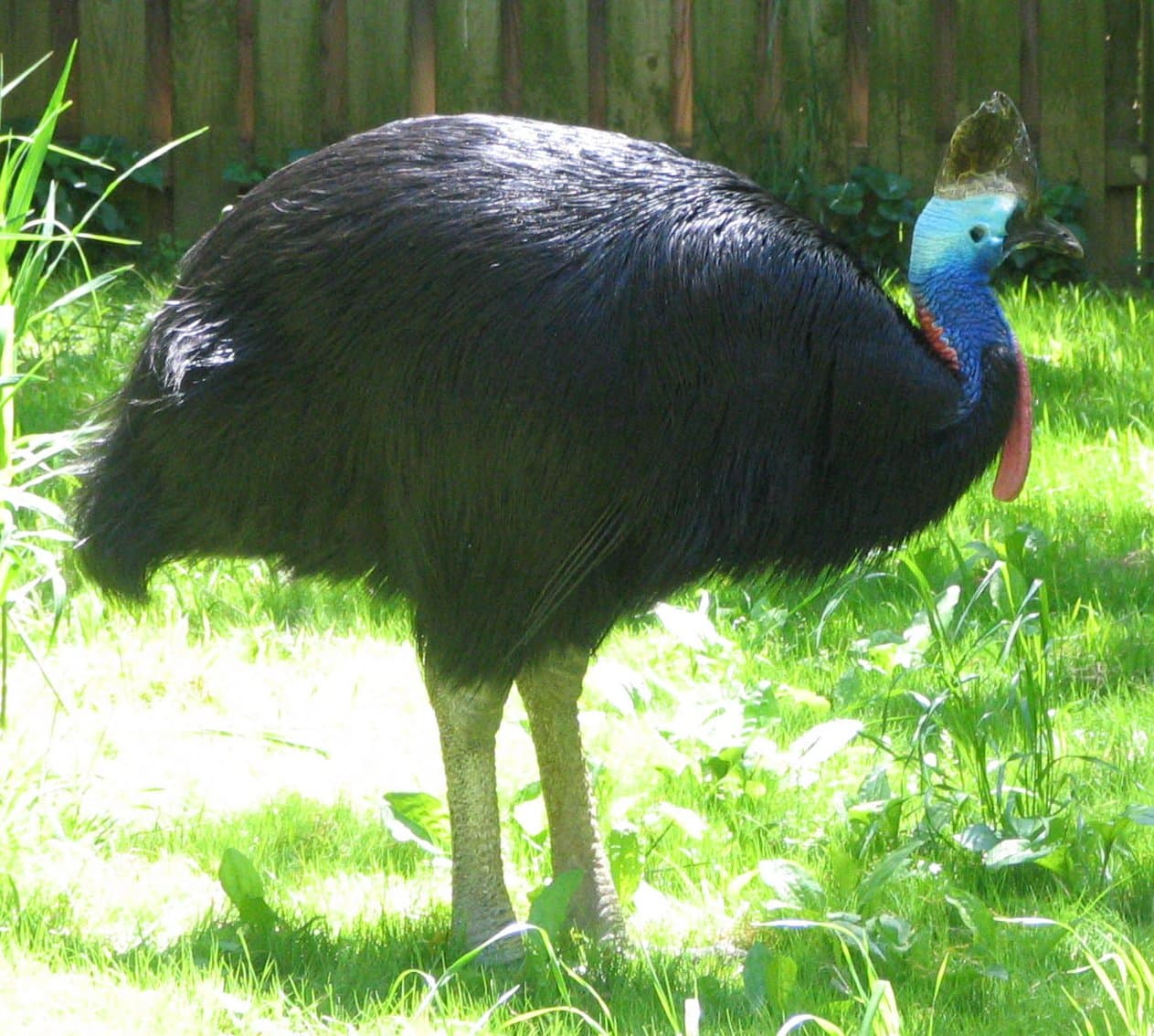
A southern cassowary can swallow fruit and carry its seeds to another part of the rainforest. Its most famous feature may be the casque on its head, but its meals make it important to the forest.
This large flightless bird combines a dramatic appearance with an everyday ecological job.
A head shape worth understanding
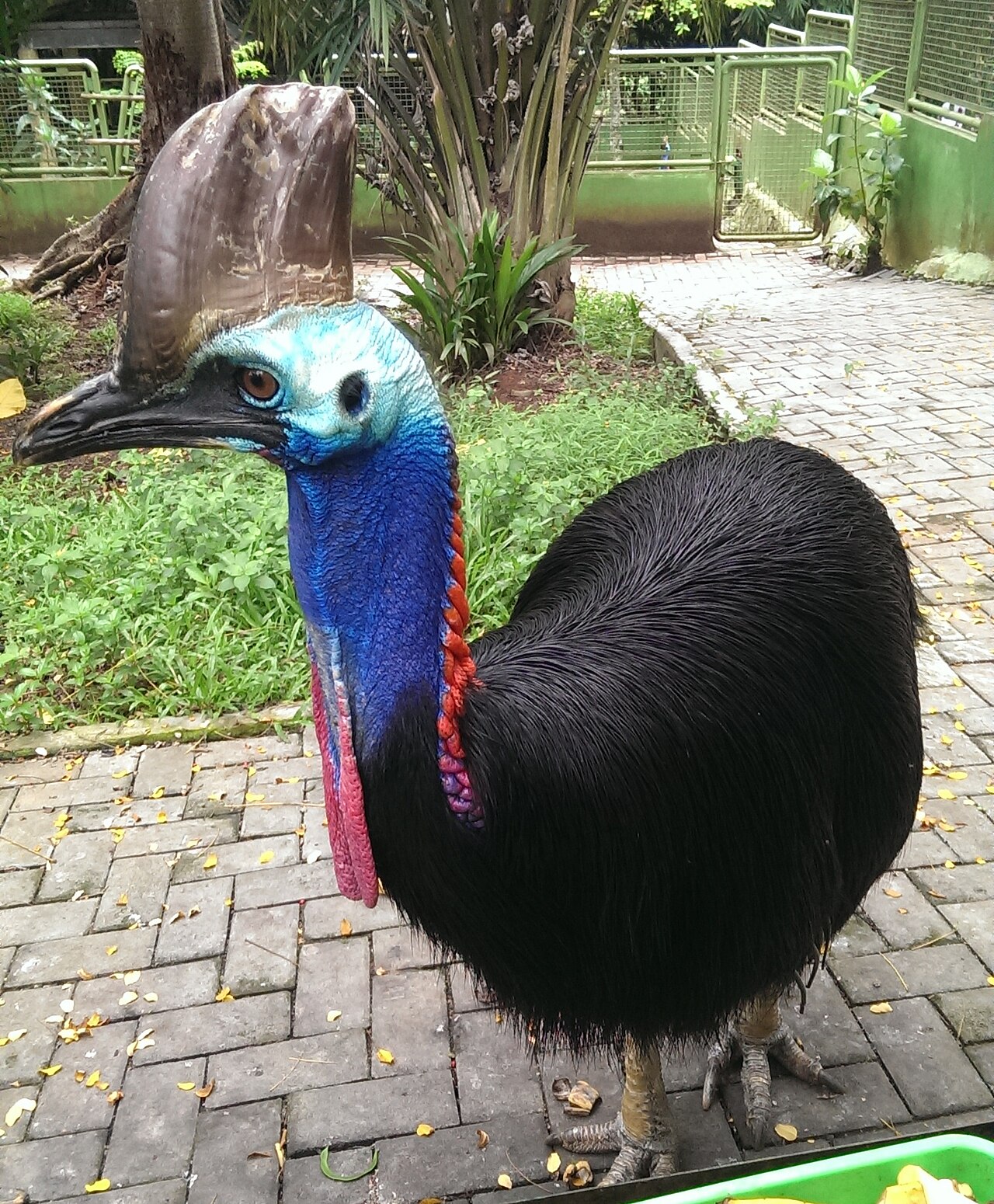
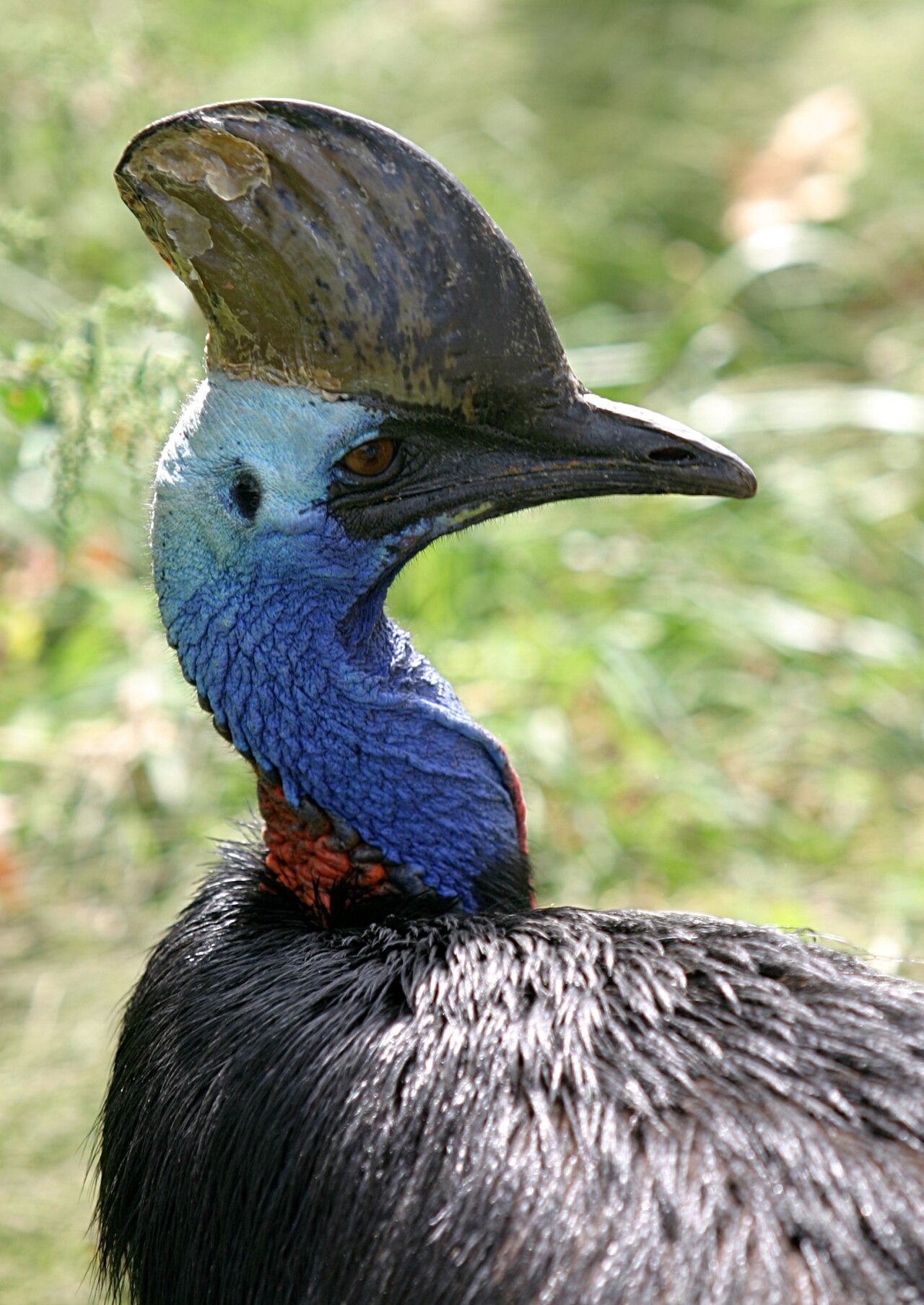
Adult southern cassowaries have dark, coarse-looking plumage, brightly colored bare neck skin, and a raised casque.
The casque is a natural structure, not a helmet the bird has acquired. Scientists continue to investigate its functions, so a single simple explanation should not be treated as the whole answer.
Perth Zoo describes the bird's appearance and rainforest biology.
Fruit connects the forest
Cassowaries eat many kinds of rainforest fruit. Some seeds pass through their digestive systems and are deposited elsewhere.
That movement can help plants spread beyond the spot where the fruit fell. A large bird can carry seeds that smaller fruit-eaters may be unable to handle.
The southern cassowary is therefore part of a network linking fruiting trees, feeding routes, and future seedlings.
A father with an important role
Males incubate the eggs and care for the chicks. The bird's breeding life is more involved than an image of a solitary adult might suggest.
Chicks look different from mature birds, with striped coloring that gives way to later plumage as they grow.
The Queensland Government explains the importance of habitat protection in the Australian part of the range.
A connected rainforest matters
Habitat fragmentation can separate feeding areas and bring birds into contact with roads and developed places. Conserving routes through the forest helps protect more than individual cassowaries.
The casque makes this bird memorable at first sight. Its deeper importance appears when we imagine the seeds left behind: one animal's meal can become part of another generation of rainforest.
Photo credits
Featured image: ; Source; CC BY-SA 3.0. Resized for web display.

Body image 1: 22Kartika; Source; CC BY-SA 3.0. Resized for web display.

Body image 2: en:User:Cburnett; Source; CC BY-SA 3.0. Resized for web display.
