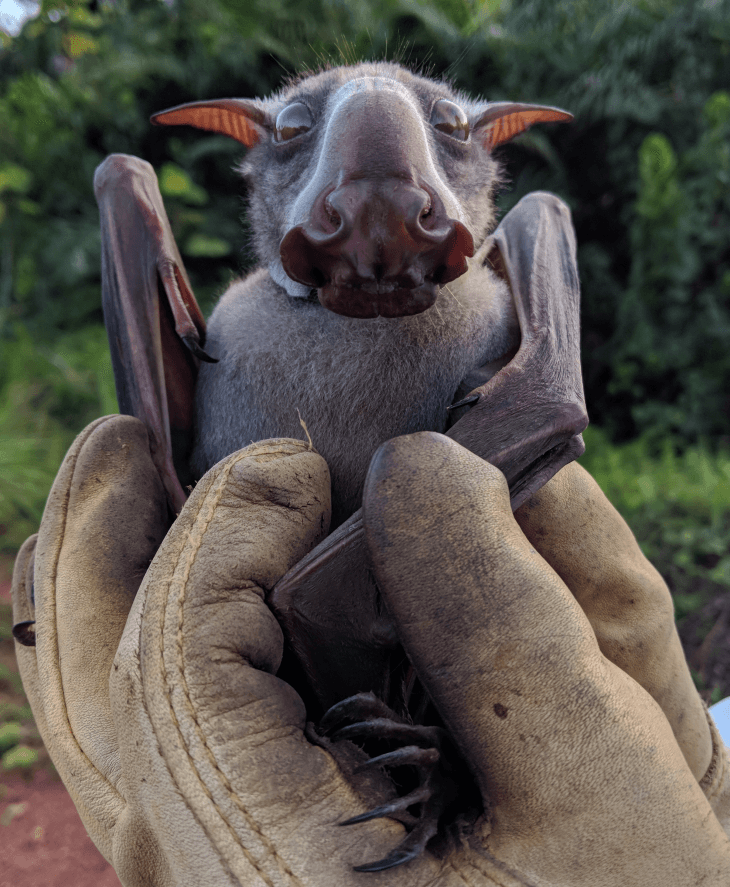
A male hammer-headed bat can have a face that seems too large for his body. The shape is tied to a remarkable courtship system in which males gather and call.
His unusual head is part of a sound-producing animal, not evidence of a frightening diet.
Males and females look different
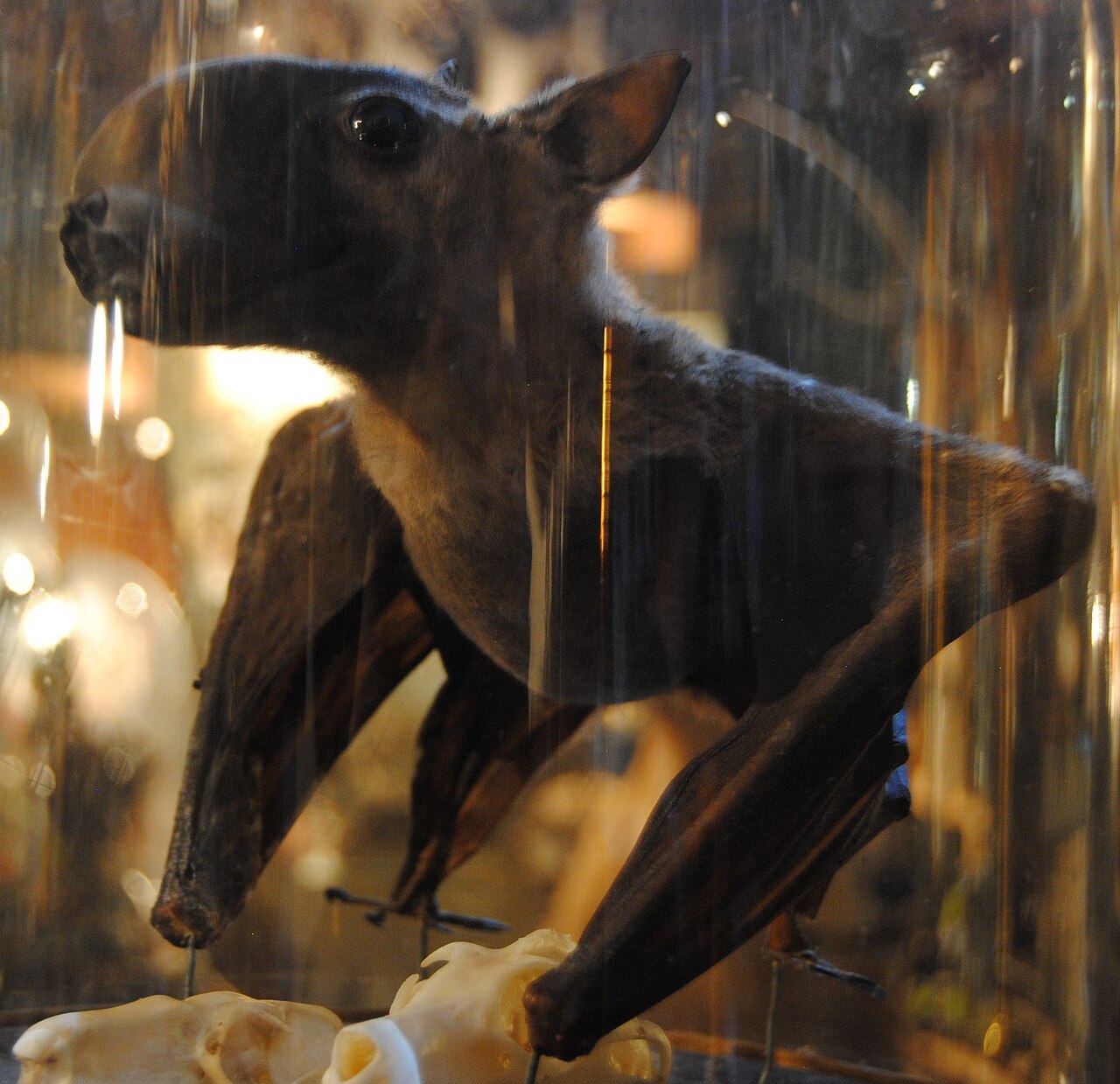
The hammer-headed bat is Hypsignathus monstrosus, an African fruit bat. Males are larger than females and have especially enlarged facial and vocal structures.
Bat Conservation International describes the male's large snout and larynx.
A portrait of an adult male should therefore not be presented as the appearance of every hammer-headed bat. Females have a less exaggerated profile.
Calling at a gathering place
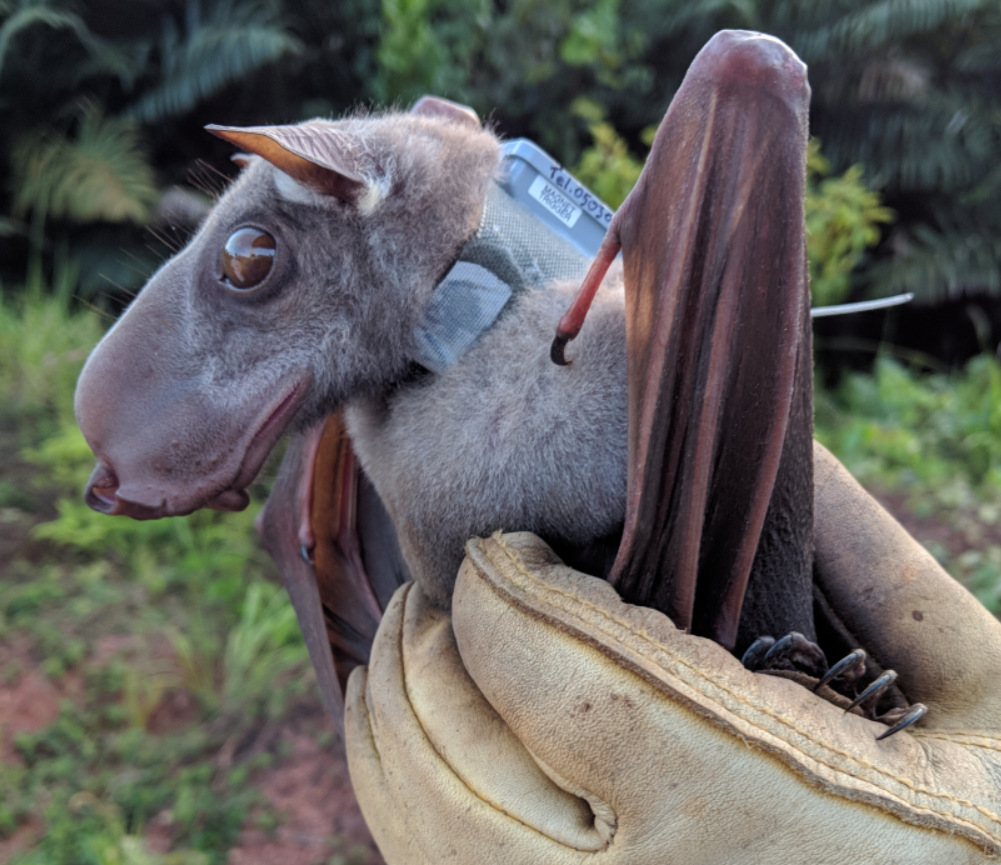
Males assemble at display sites called leks, where females can assess potential mates. Loud, honking calls are an important part of the performance.
Animal Diversity Web describes the species' courtship and natural history.
The enlarged sound-producing apparatus helps explain a face that otherwise looks puzzling. Form and behavior become much easier to understand together.
A fruit bat in a forest food web
Fruit is central to the hammer-headed bat's diet. Its name does not mean it attacks prey with its head.
Moving between feeding and roosting areas connects the animal to a wider landscape. Forest trees, food availability, and suitable gathering places all matter.
Scientific field photographs can show animals temporarily handled for research; these are different from undisturbed portraits in the wild.
Listen beyond the first impression
Protecting bats means considering their habitats and roles, rather than judging them by an unfamiliar face.
The hammer-headed bat rewards a second look—and a listen. What seems bizarre in a still photograph makes biological sense when the male joins a nighttime chorus and uses his extraordinary head to be heard.
Photo credits
Featured image: Sarah H. Olson et al.; Source; CC0. Resized for web display.

Body image 1: Sarah H. Olson et al.; Source; CC0. Resized for web display.

Body image 2: Vdkdaan; Source; CC BY-SA 4.0. Resized for web display.
