A Baby Harp Seal's White Coat Is Only the Beginning
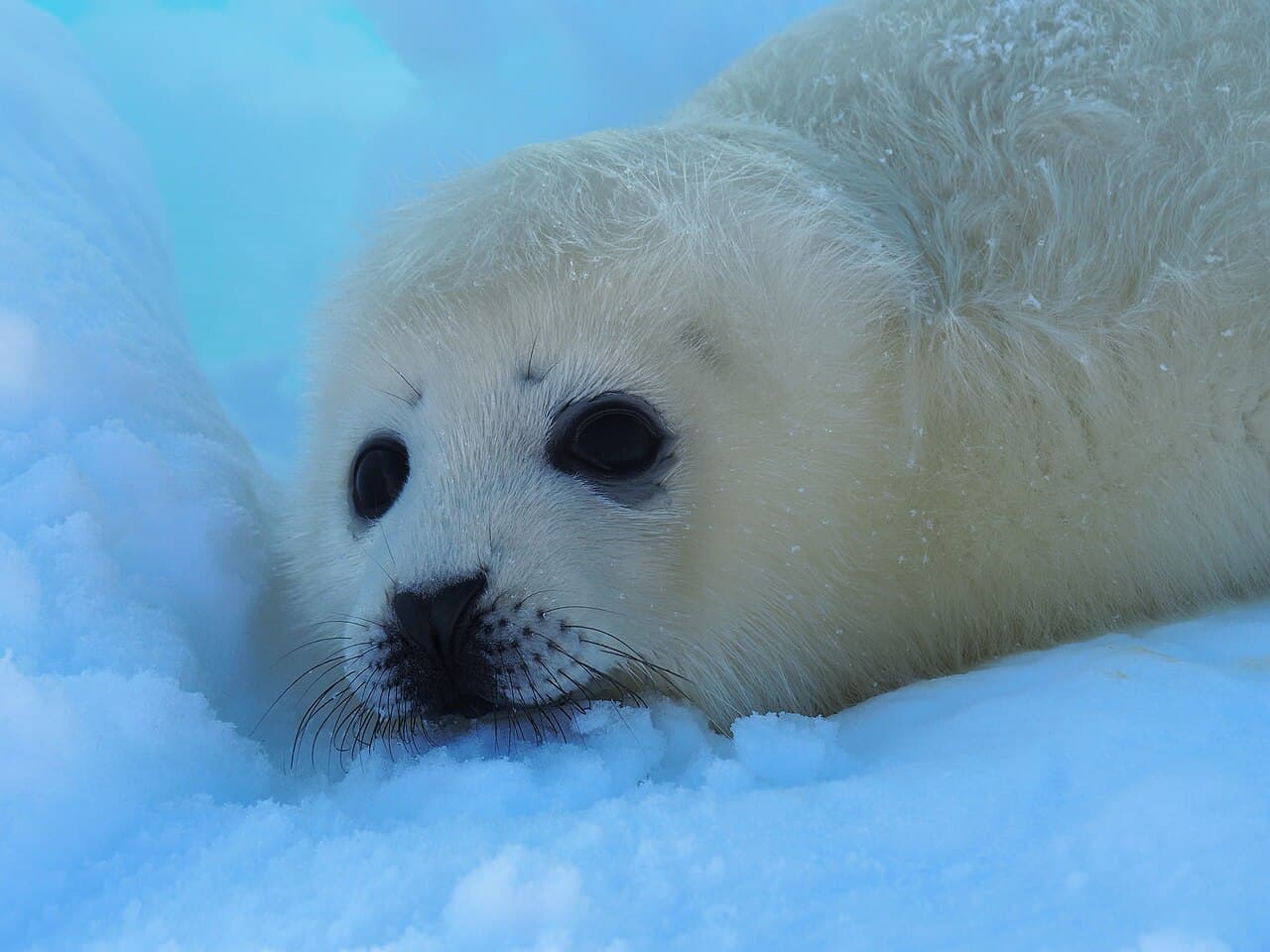
Why do baby harp seals have white fur, and why does it disappear? Explore their brief whitecoat stage and the importance of North Atlantic sea ice.
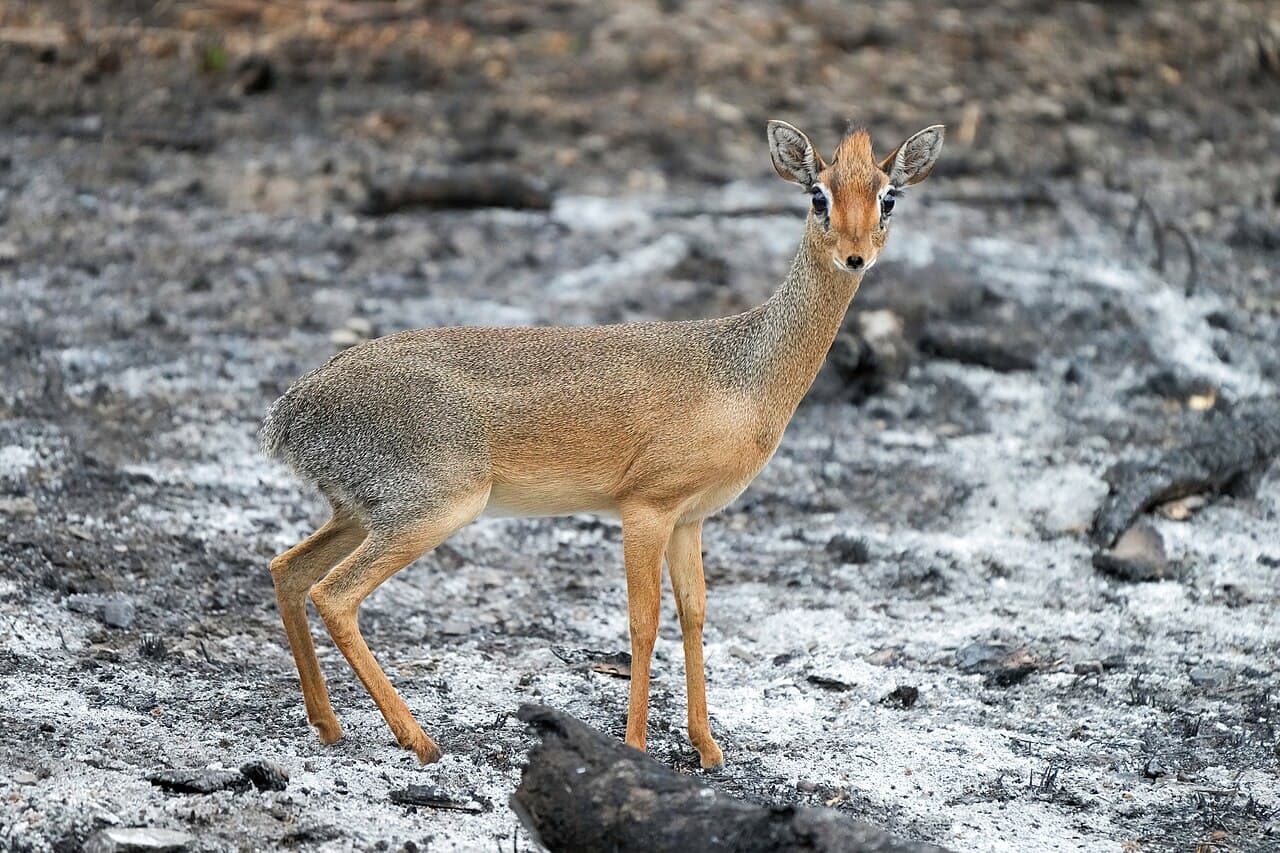
Discover the dik-dik's flexible nose, scent-marking glands, and life in African scrub—a small antelope with much more than enormous eyes.
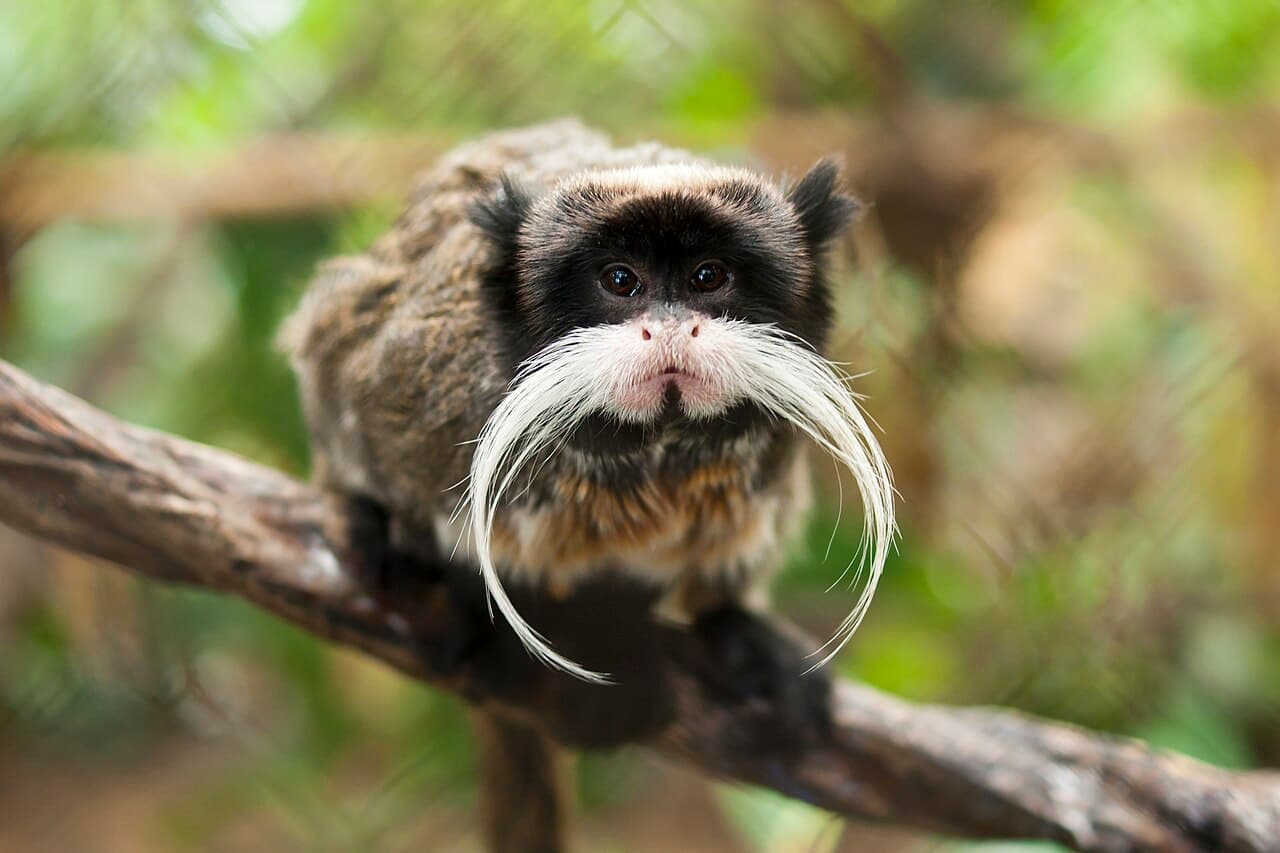
An emperor tamarin's white mustache grabs attention, but its Amazon forest life includes busy family groups, shared infant care, and a varied menu.
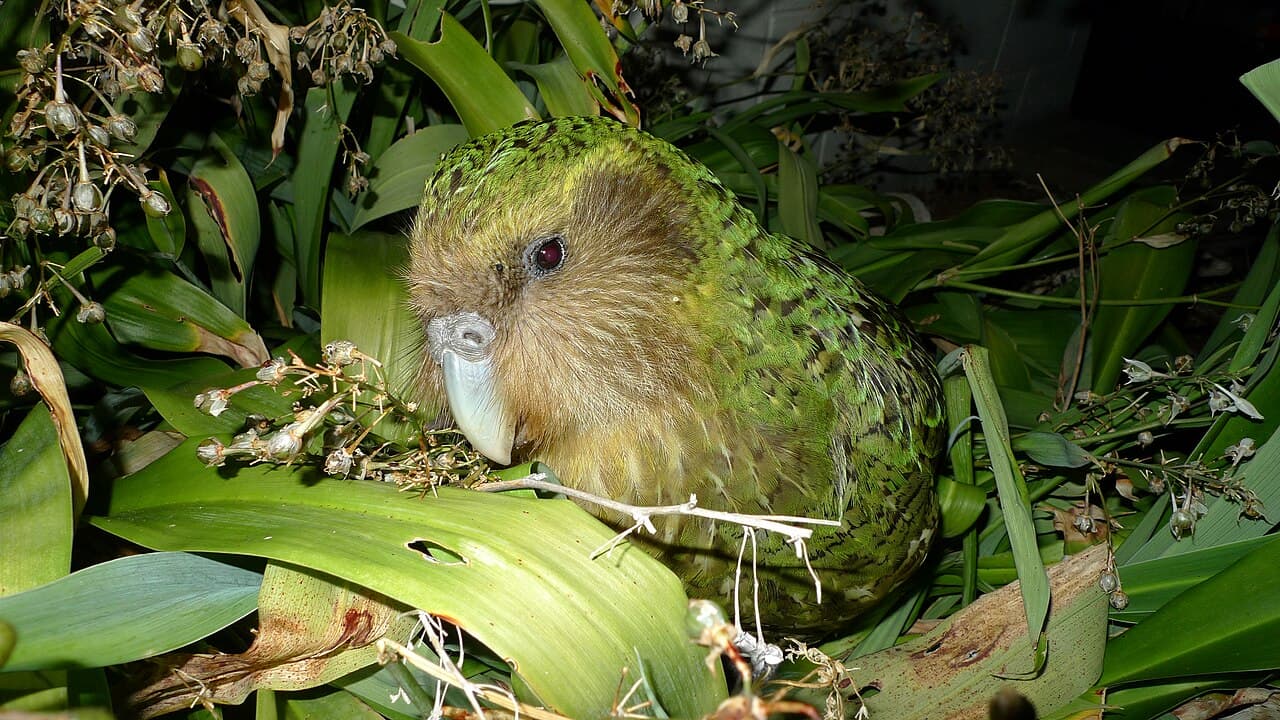
Meet New Zealand's flightless, nocturnal kākāpō and discover its booming courtship calls, unusual breeding seasons, and conservation story.
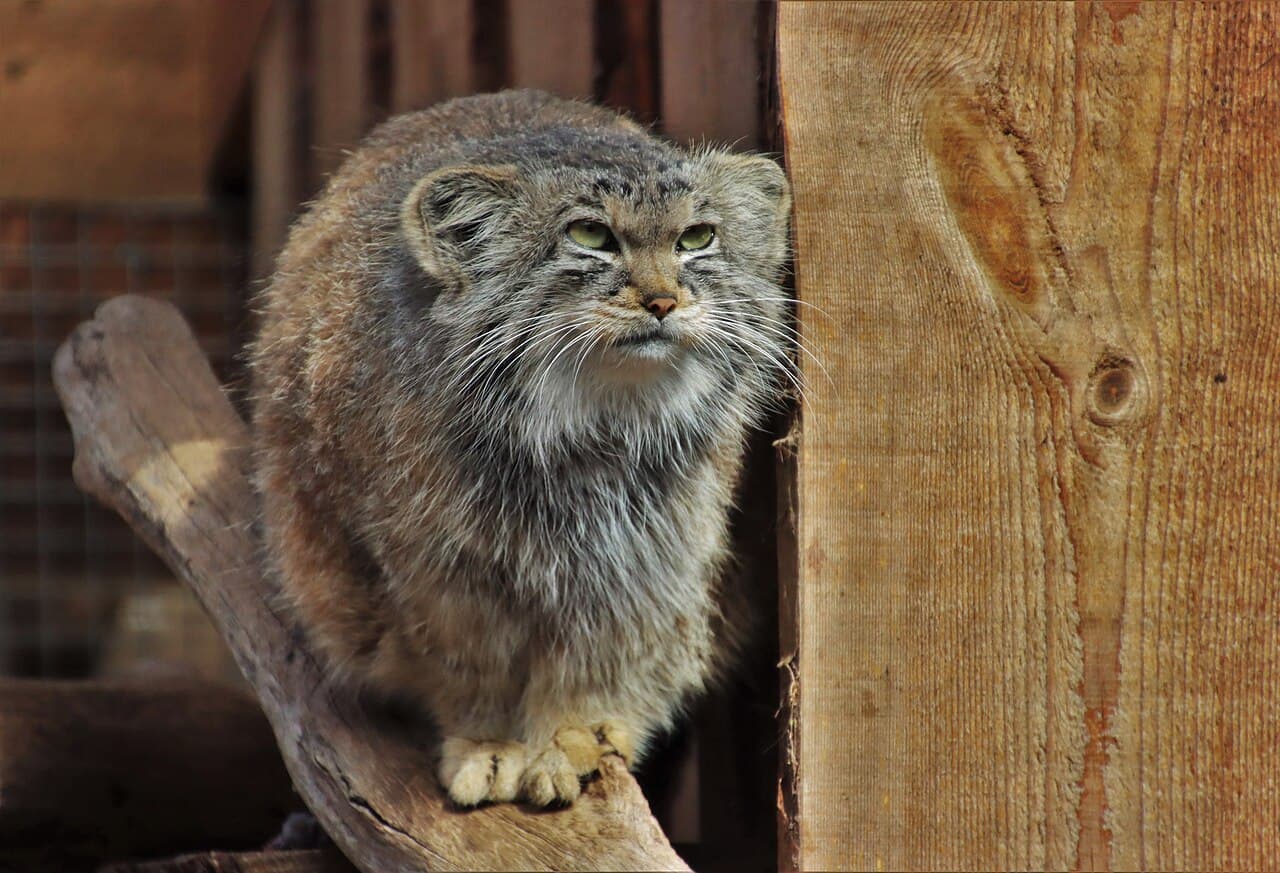
Discover how Pallas's cats use thick fur and low-set ears in cold Asian habitats—and why their famous grumpy look tells only part of the story.
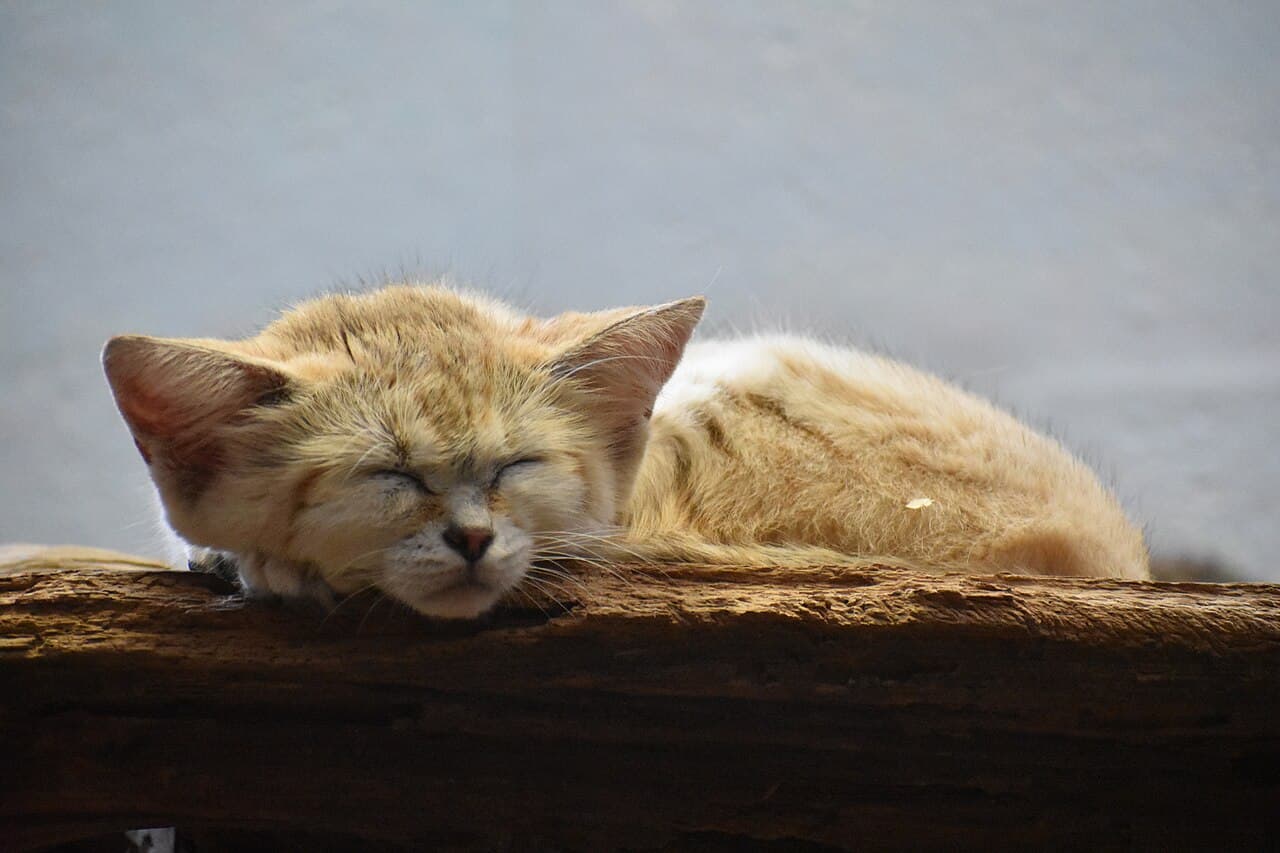
Meet the sand cat, a small wild feline with furry foot pads, a desert-ready coat, and a life shaped by the extremes of sandy habitats.
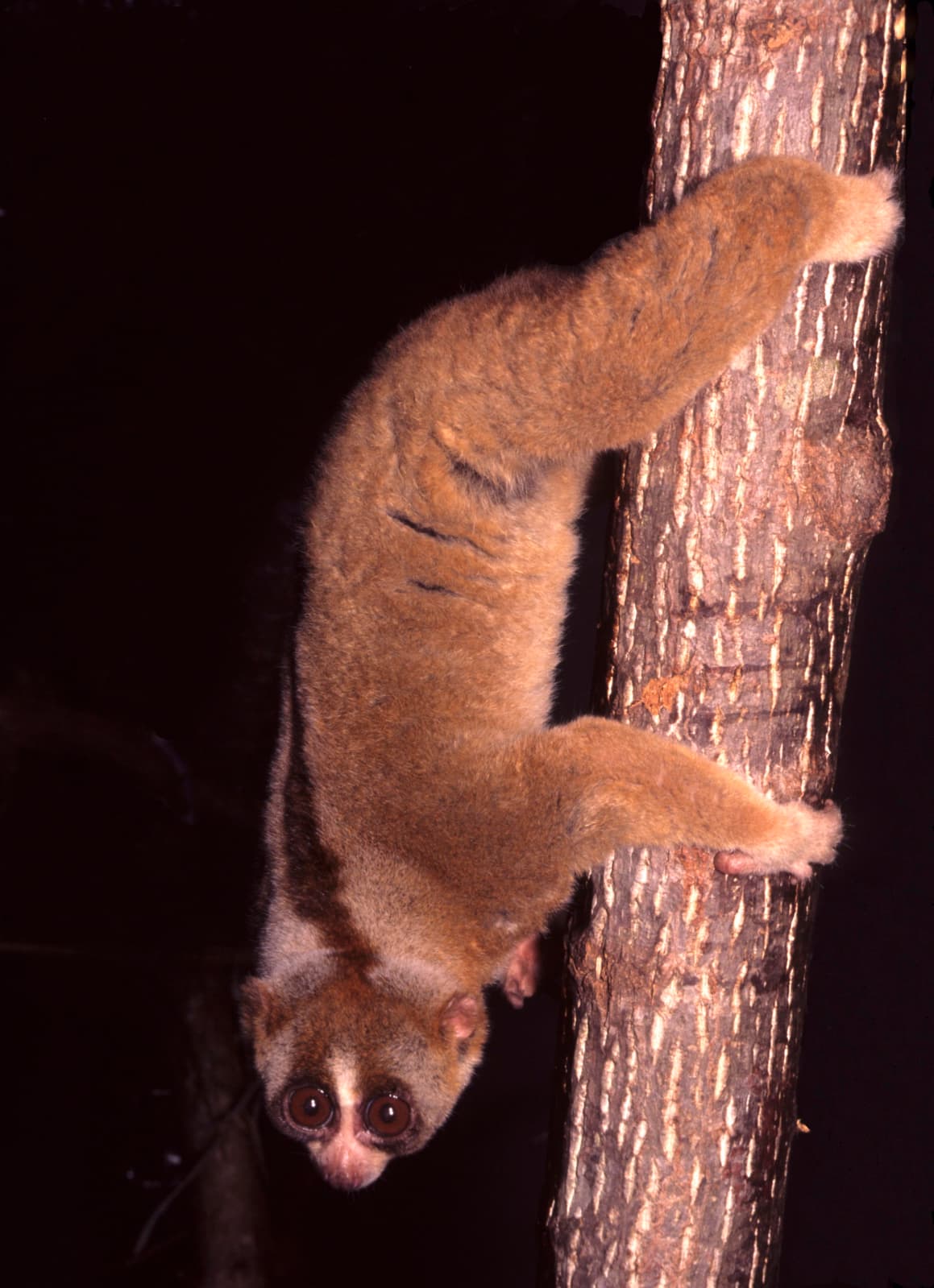
A slow loris's large eyes hide a remarkable defense. Learn how its two-part venom system works and why viral pet videos miss the real story.
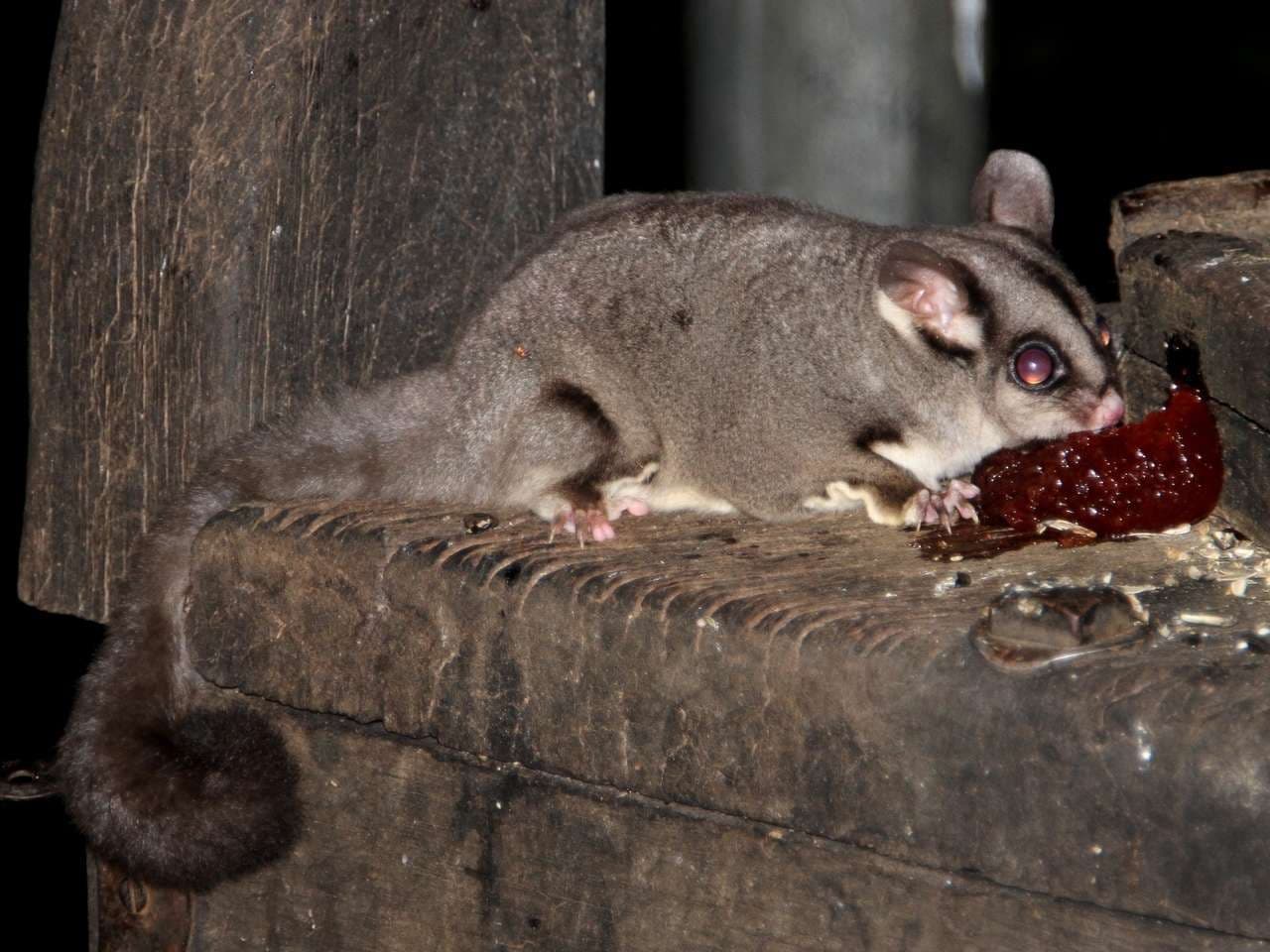
Explore the skin membrane that lets sugar gliders glide, their lives in tree hollows, and why new species research changed their map.
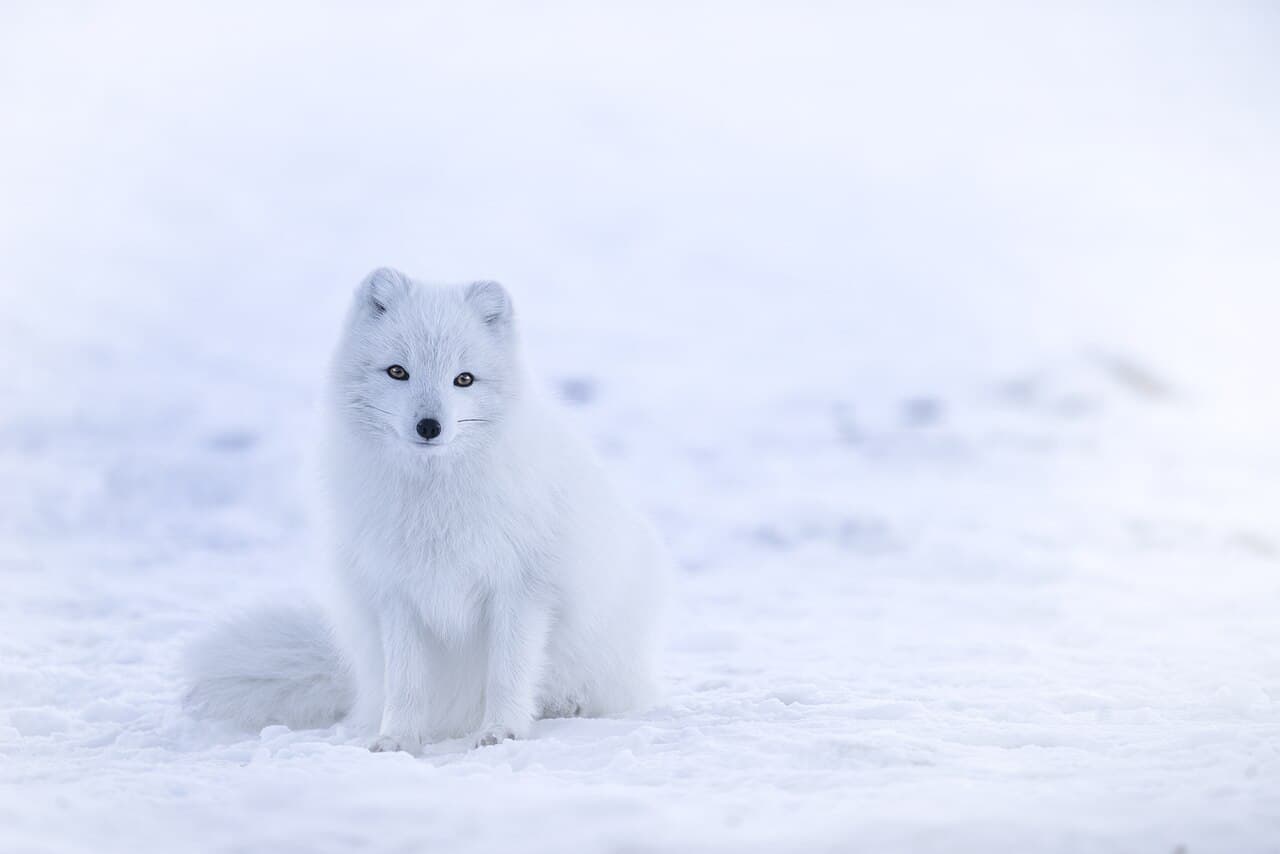
Arctic foxes have remarkable seasonal coats, but not every fox turns white. Discover the white and blue color forms and their cold-weather lives.
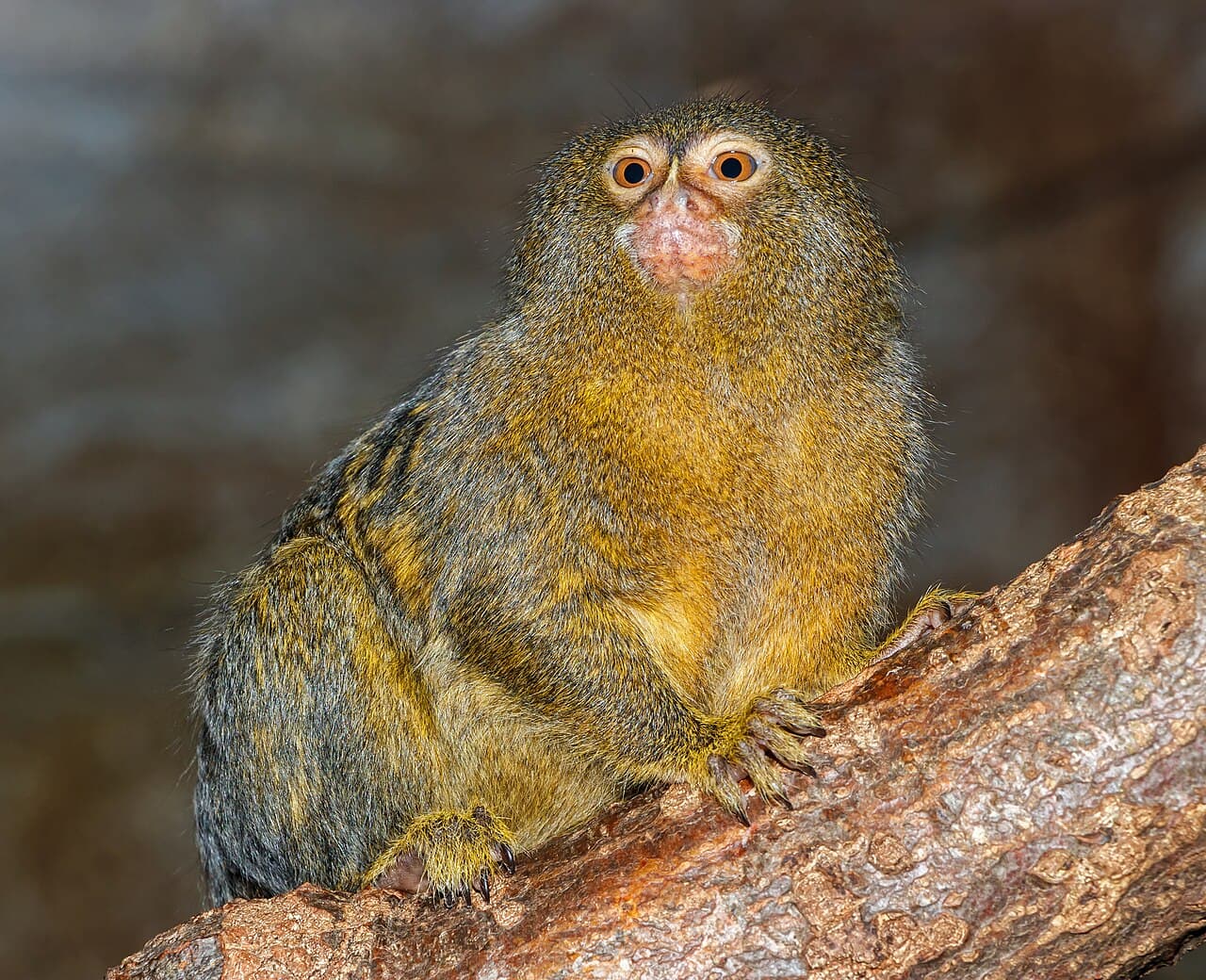
Discover how pygmy marmoset fathers and family helpers carry babies, share food, and support life among Amazon rainforest branches.
Pygmy marmosets are among the smallest monkeys, with teeth and claws suited to feeding on tree sap. Discover their Amazon forest lives.
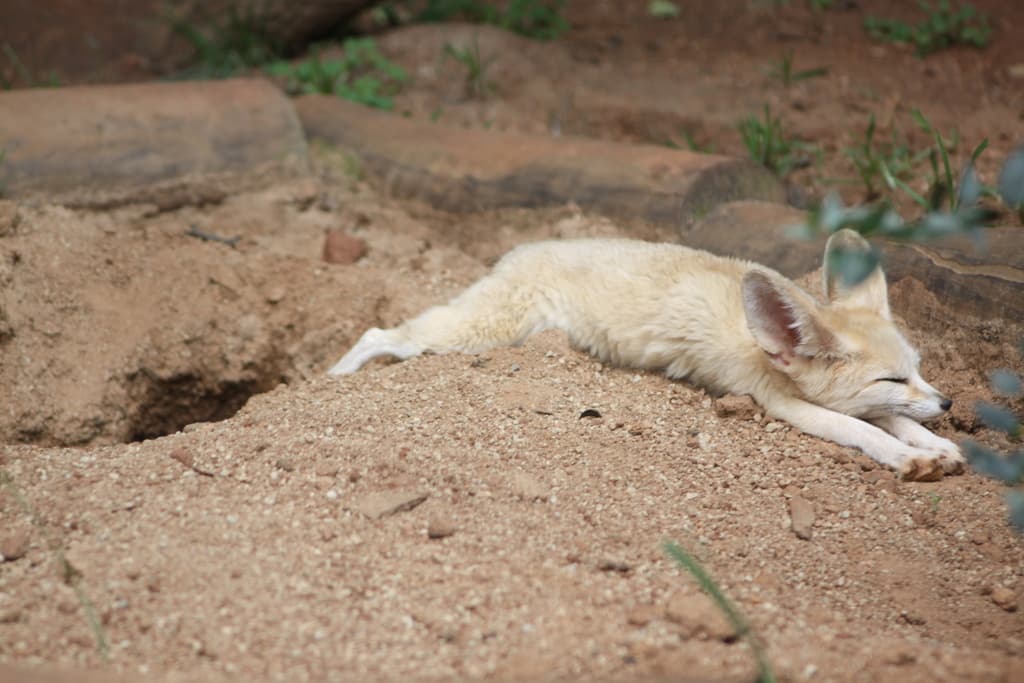
A fennec fox’s large ears help release heat and locate prey. Explore the desert adaptations behind the world’s smallest canid.
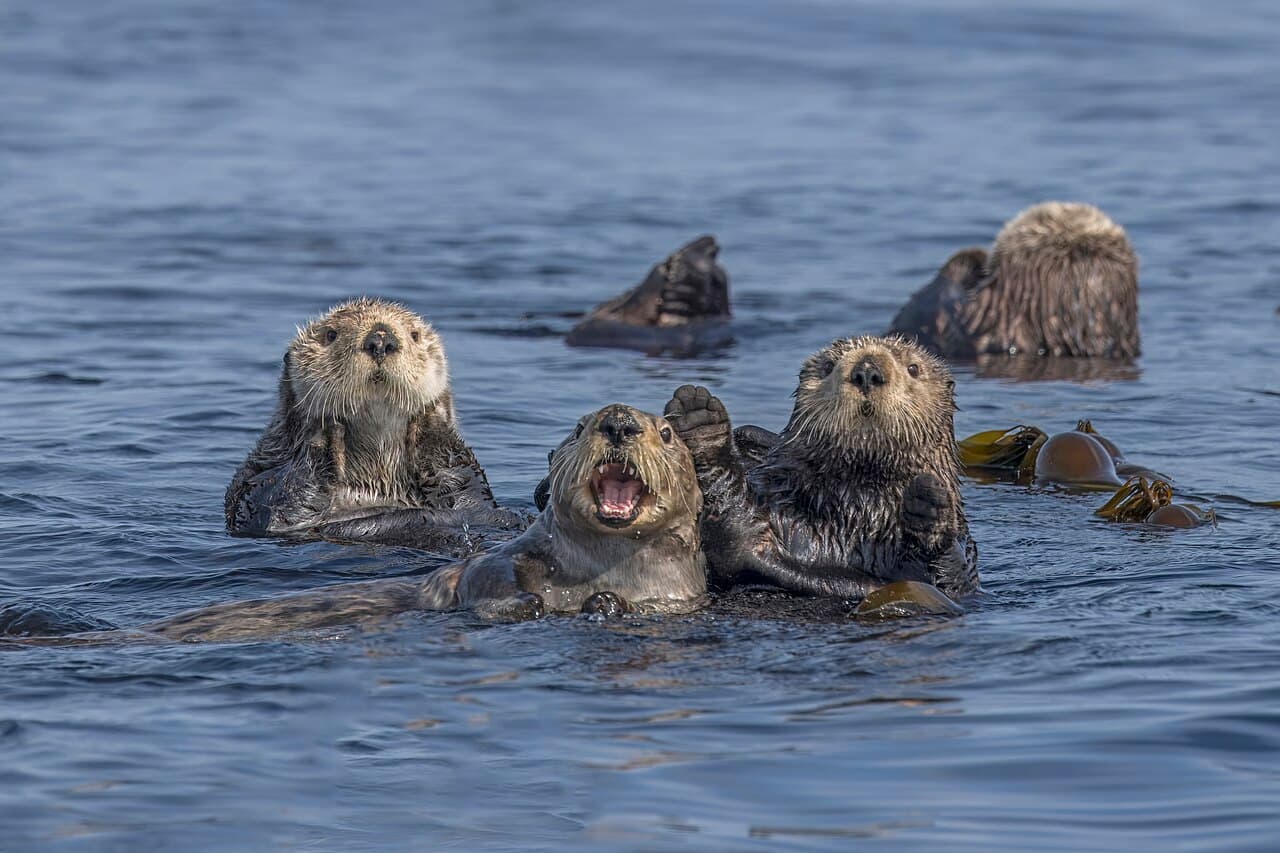
Sea otters use rocks and other tools to open hard prey. Discover how tool use can protect teeth and why dense fur matters in cold water.
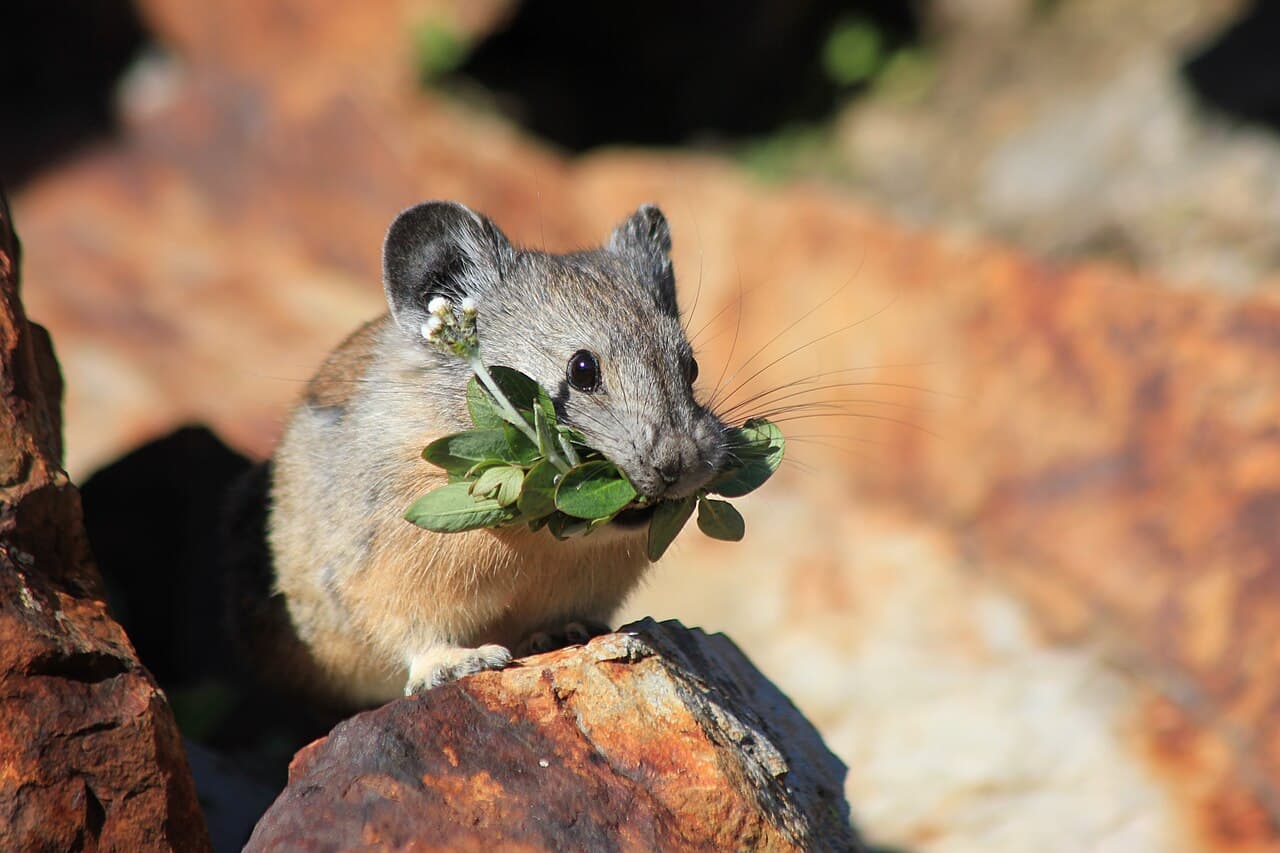
American pikas collect and store plants instead of hibernating. Discover the mountain haypiles that help these small rabbit relatives survive winter.
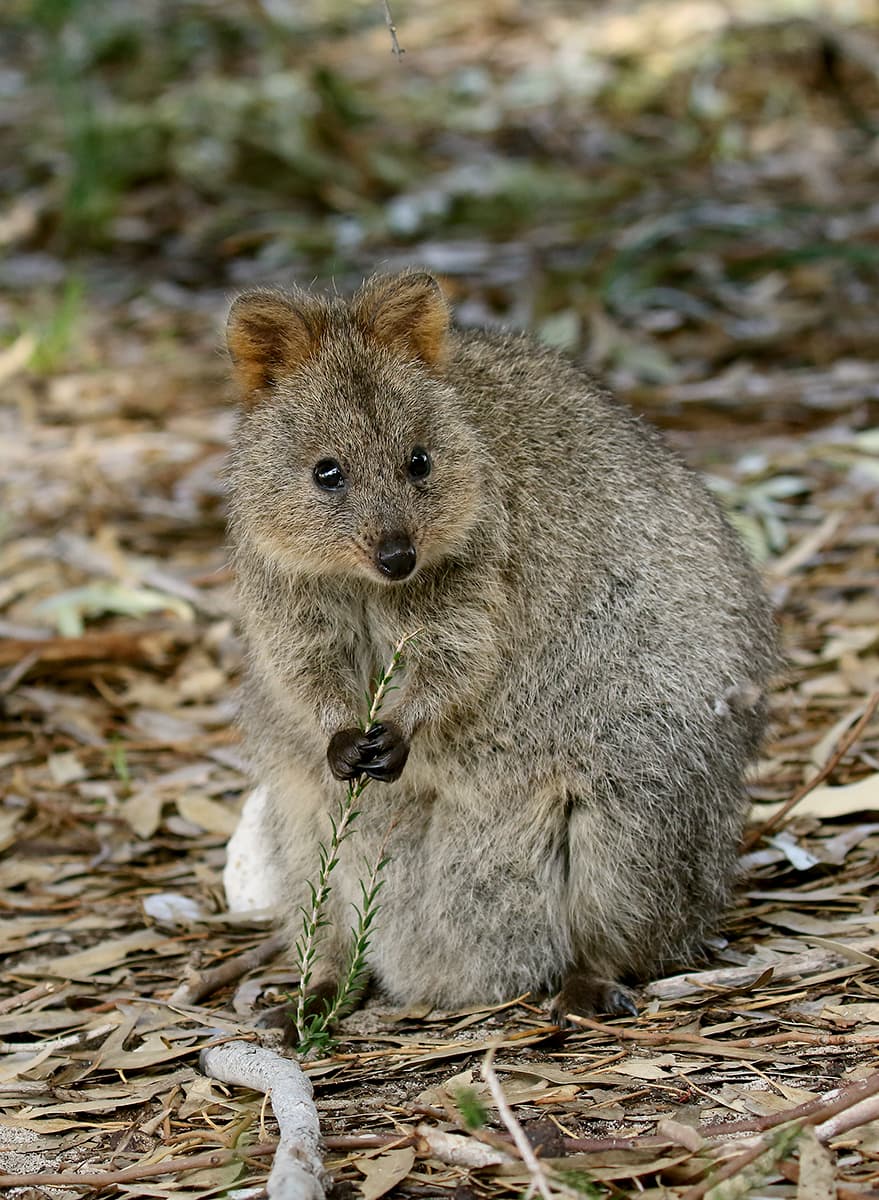
Quokkas are small wallabies, not permanent selfie partners. Discover their Western Australian habitat, feeding habits, and the story behind the smile.
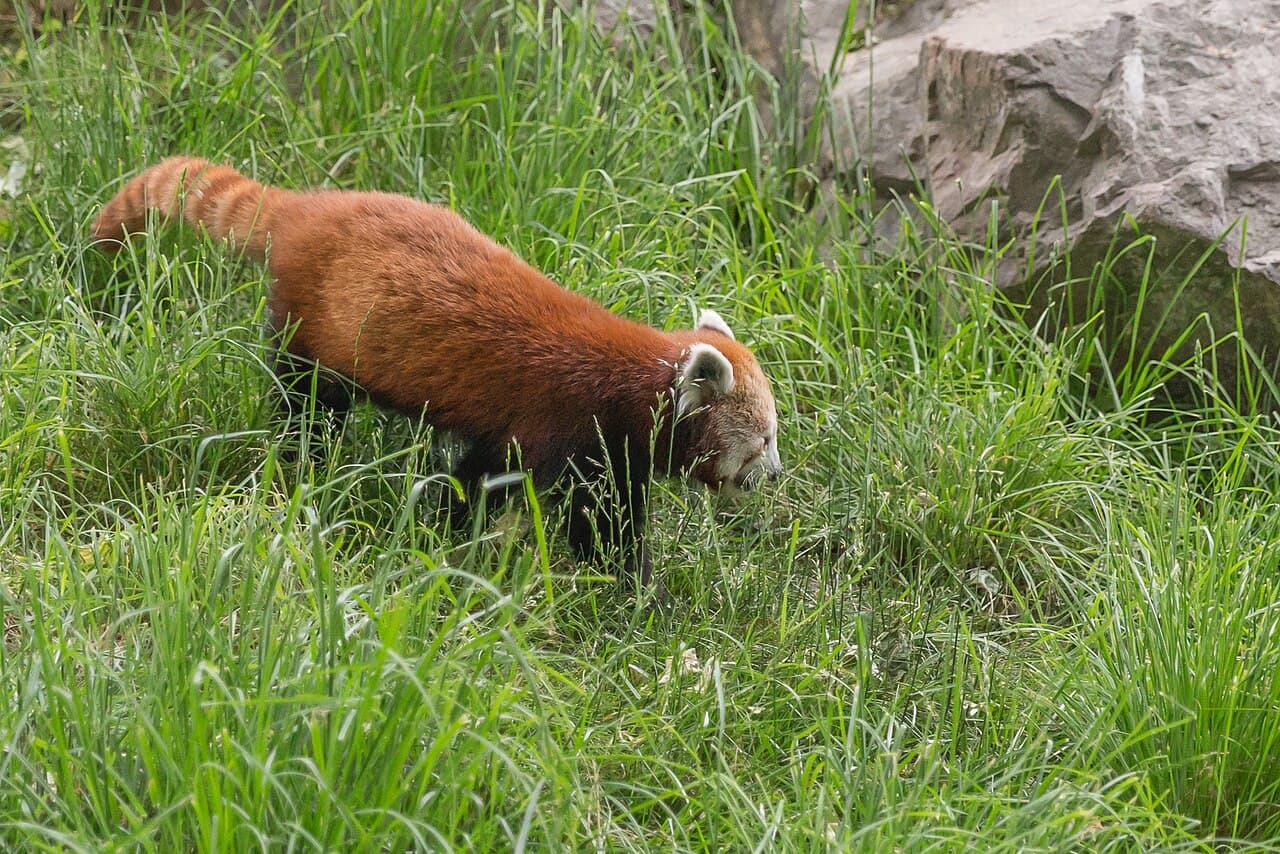
Red pandas use bushy tails for balance and warmth, plus a false thumb to handle bamboo. Discover the forest adaptations behind their charm.
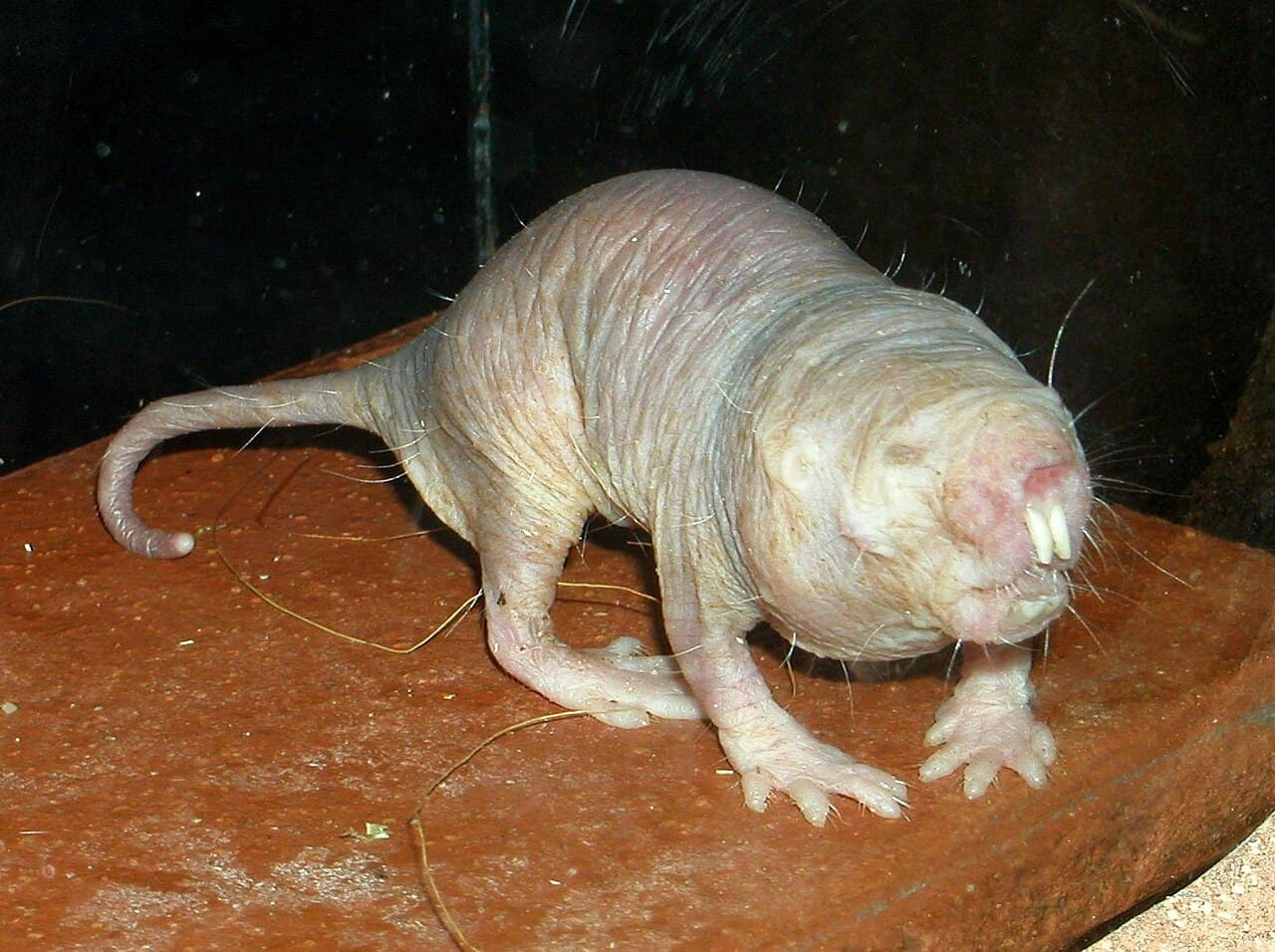
Naked mole-rats share underground work while a queen produces the pups. Explore the social organization behind these unusual East African rodents.
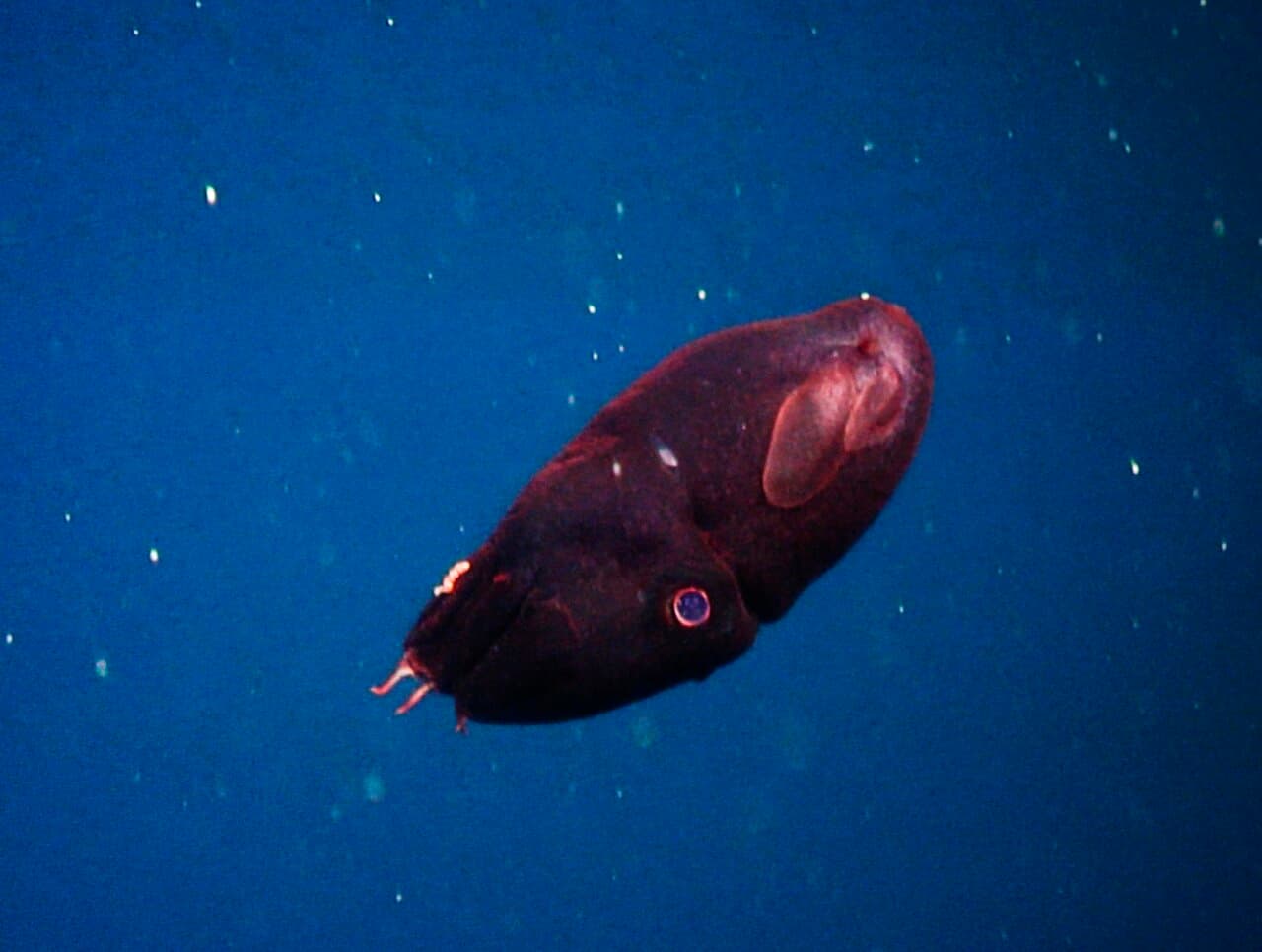
Despite its dramatic name, the vampire squid collects drifting organic debris. Discover its feeding filaments, webbed arms, and deep-water home.
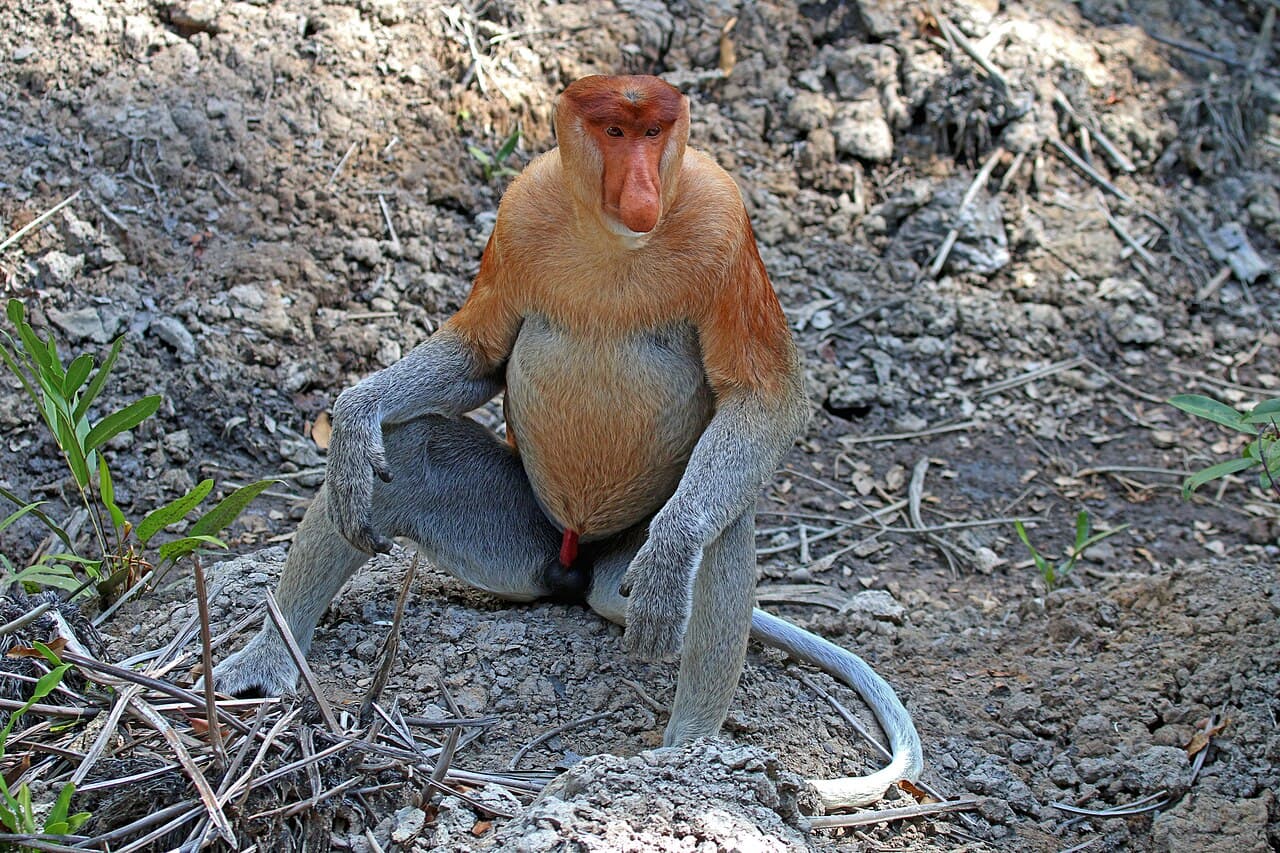
A male proboscis monkey’s large nose is more than a memorable face. Explore research on its signals and the Borneo forests it depends on.
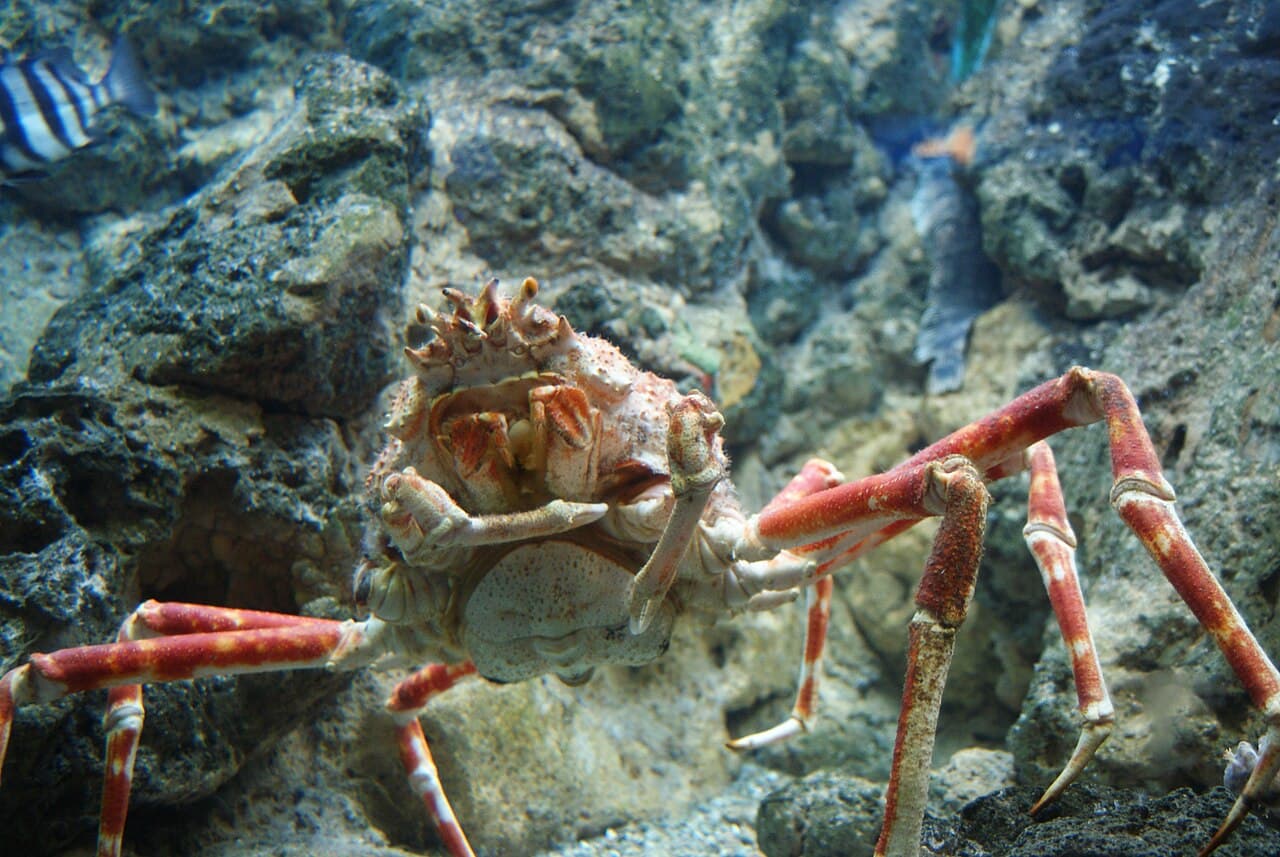
Japanese spider crabs have an extraordinary leg span. Discover how these giants live, grow, and become vulnerable when they shed their shells.
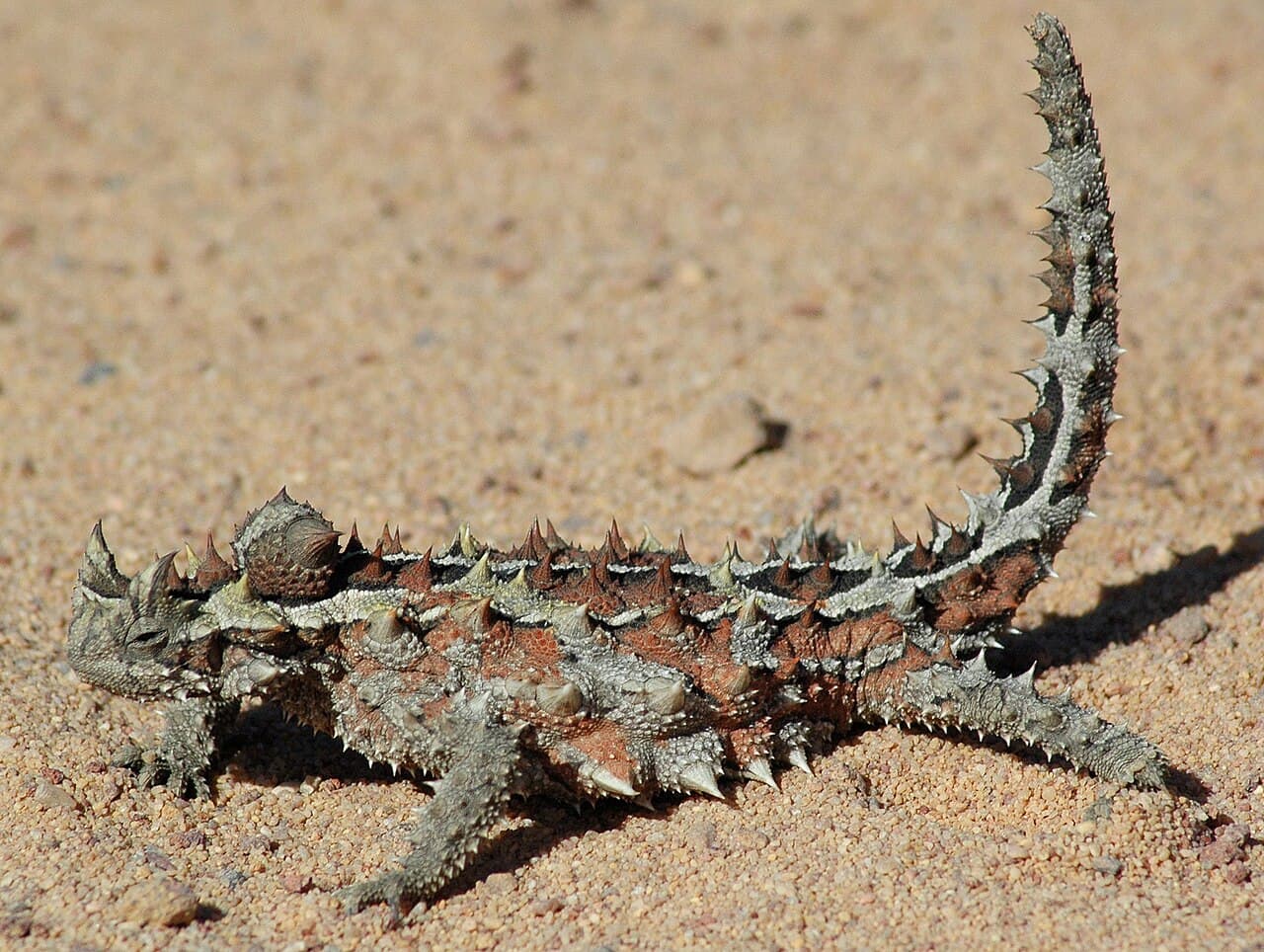
Australia’s thorny devil uses tiny channels between its scales to move water toward its mouth. Discover the science behind this desert adaptation.
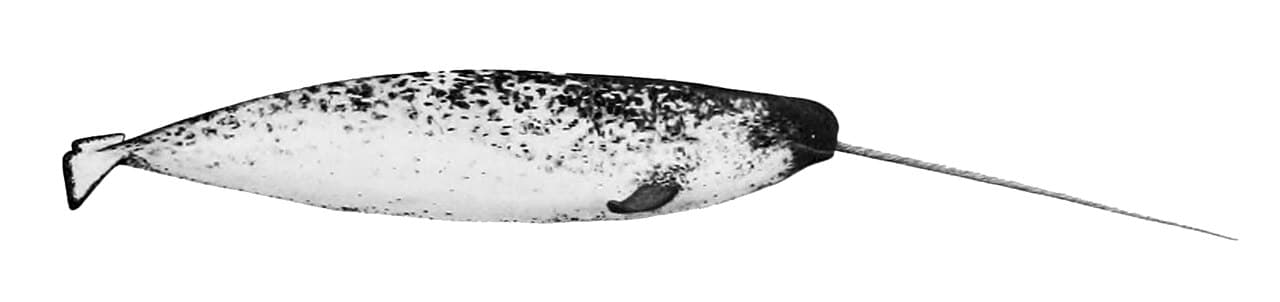
A narwhal’s famous tusk is an enlarged tooth. Explore its possible roles and the Arctic waters that shape this unusual whale’s life.
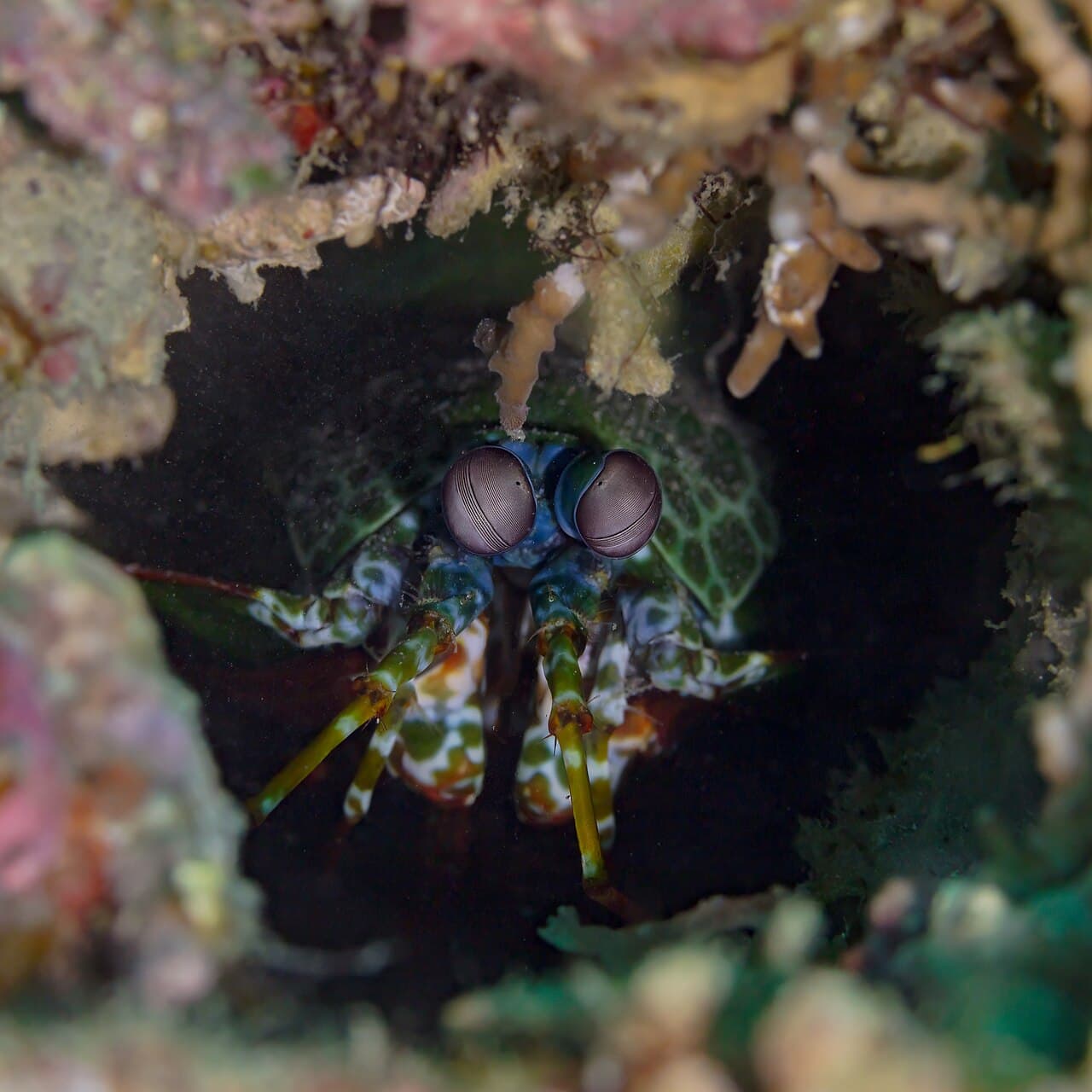
Peacock mantis shrimp strike so quickly they create cavitation bubbles. Explore the mechanics behind this small predator’s remarkable punch.
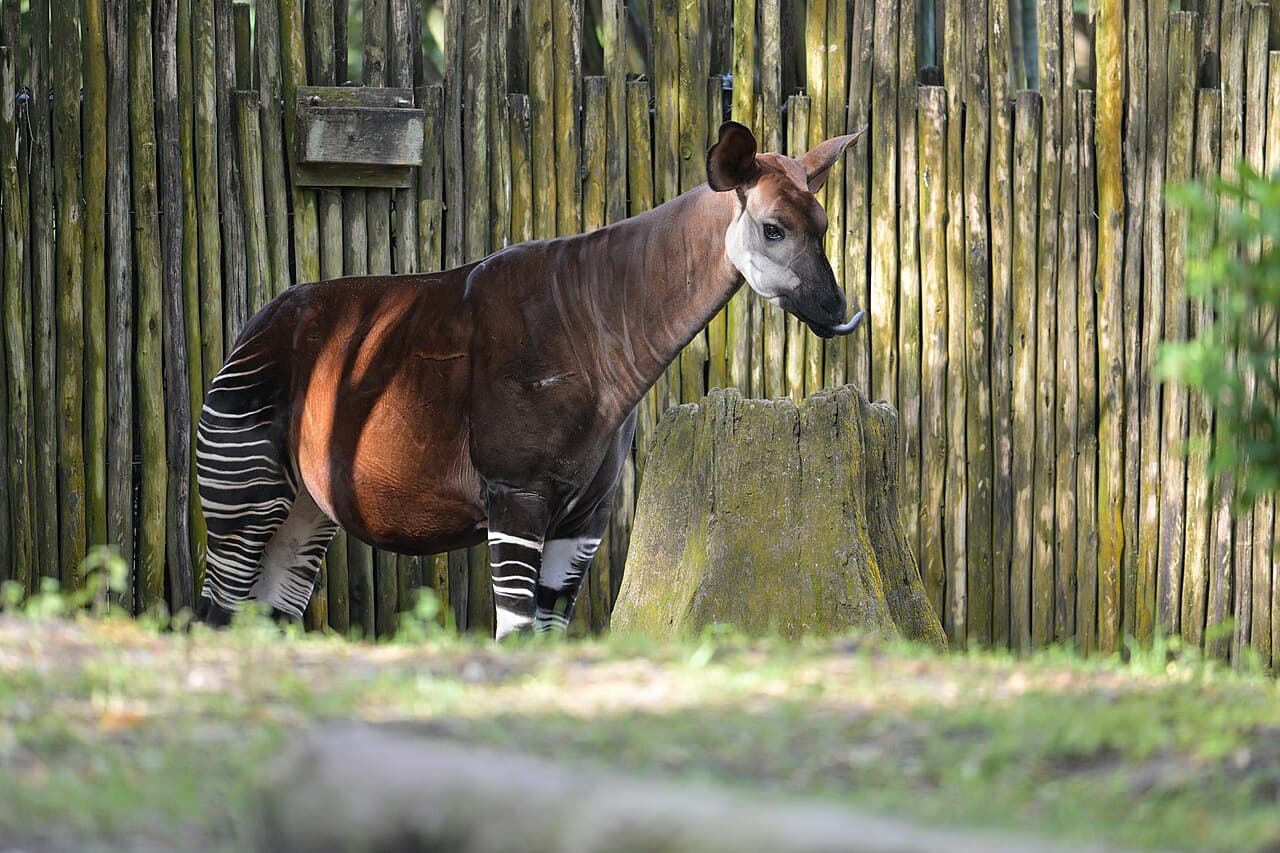
An okapi’s striped legs suggest a zebra, but this forest mammal is related to giraffes. Discover the adaptations behind its unusual appearance.