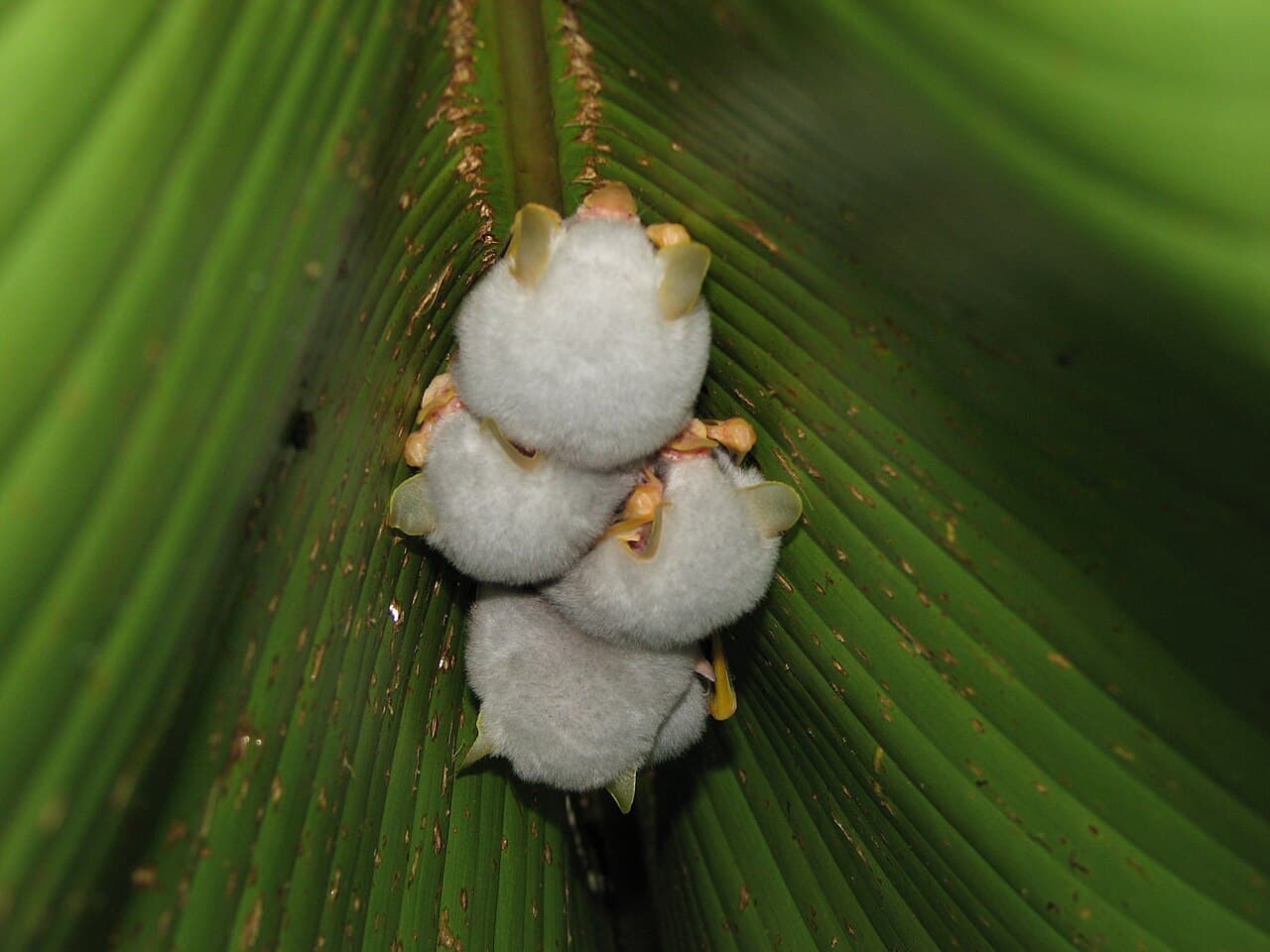
Honduran White Bats Turn Living Leaves Into Tiny Tents
Honduran white bats shelter beneath leaves they modify into tents. Discover their tiny forest homes, fruit diet, and yellow noses.
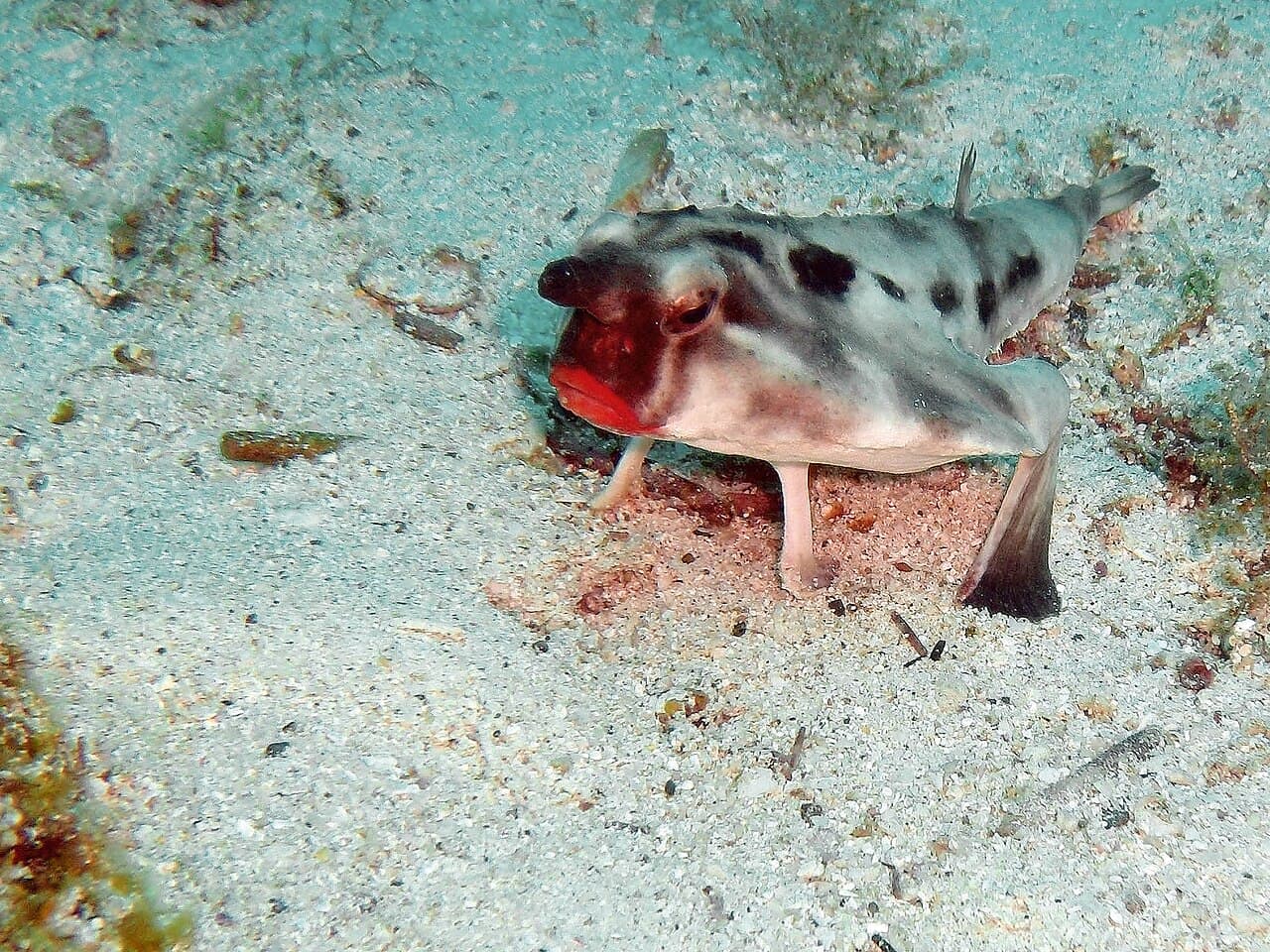
The red-lipped batfish has vivid lips and fins adapted for walking. Explore this unusual seafloor fish and the mystery behind its bright mouth.
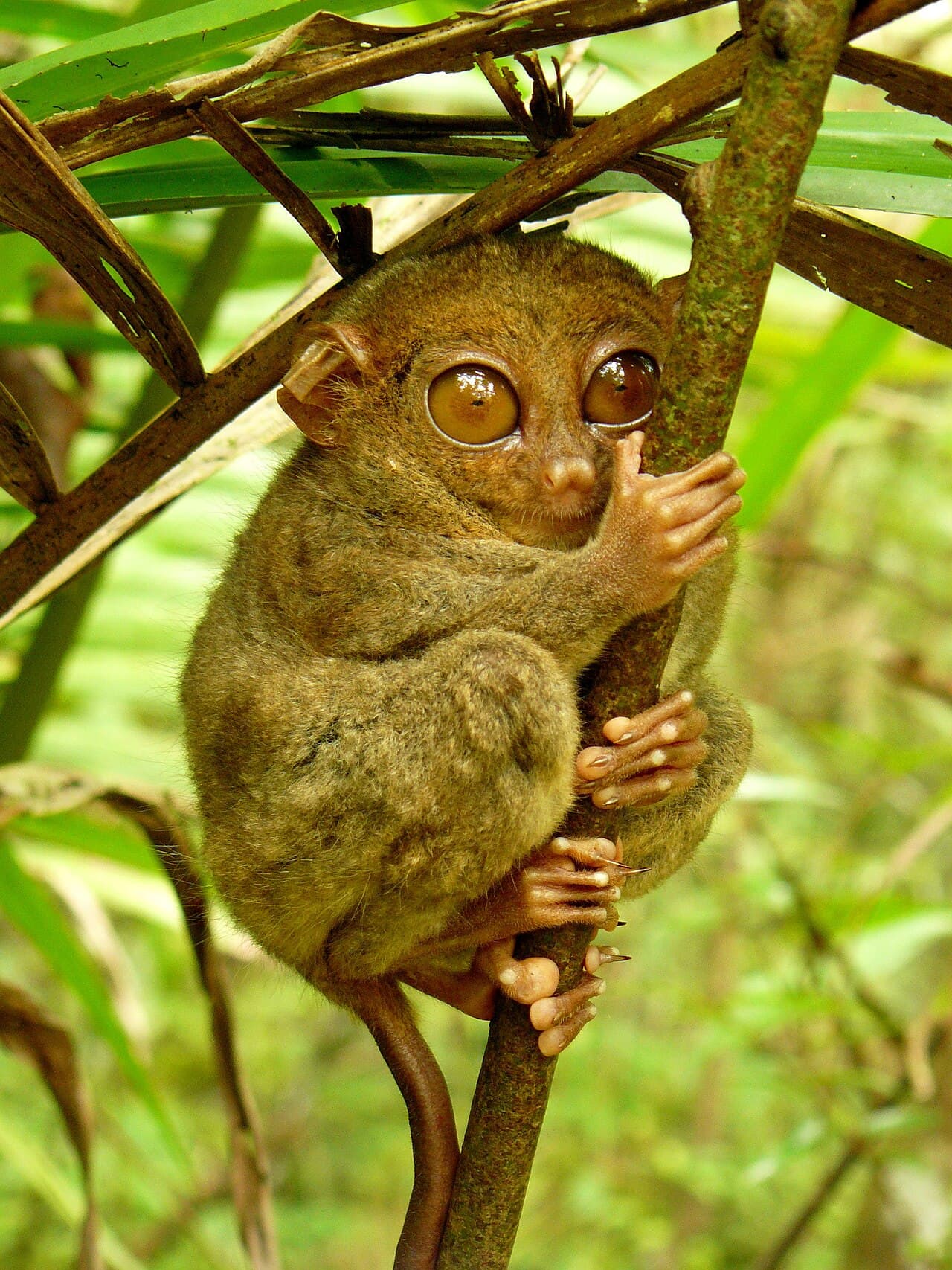
Tarsiers have enormous eyes, but they turn their heads to look around. Discover the hunting adaptations behind these tiny primates’ appearance.
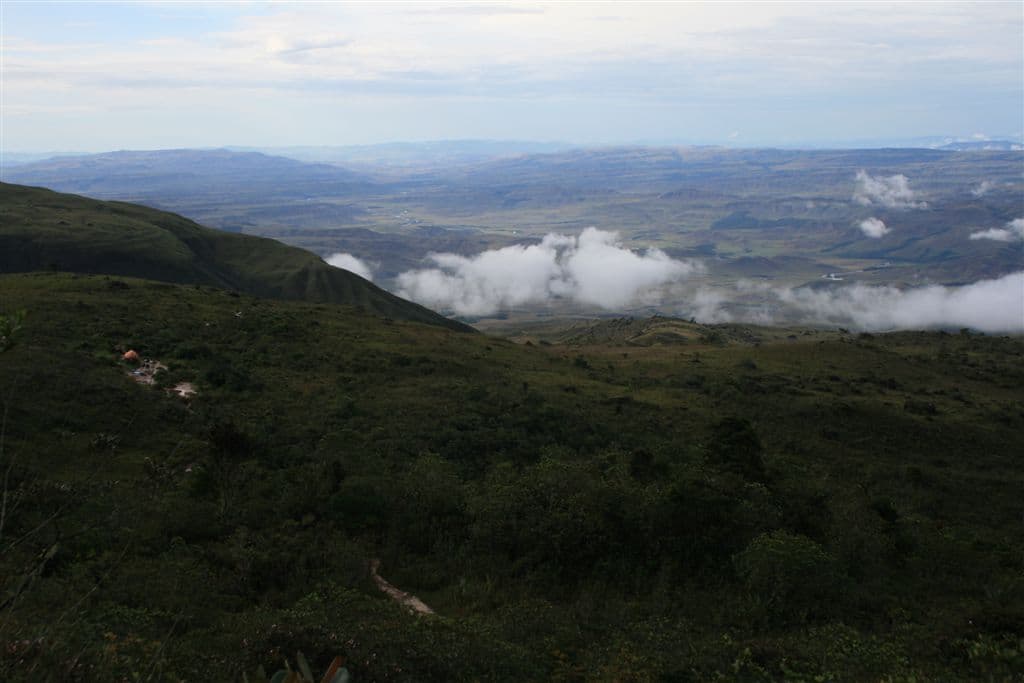
The Venezuelan poodle moth became famous through a photograph. Explore what is documented, what remains uncertain, and how look-alike photos mislead.
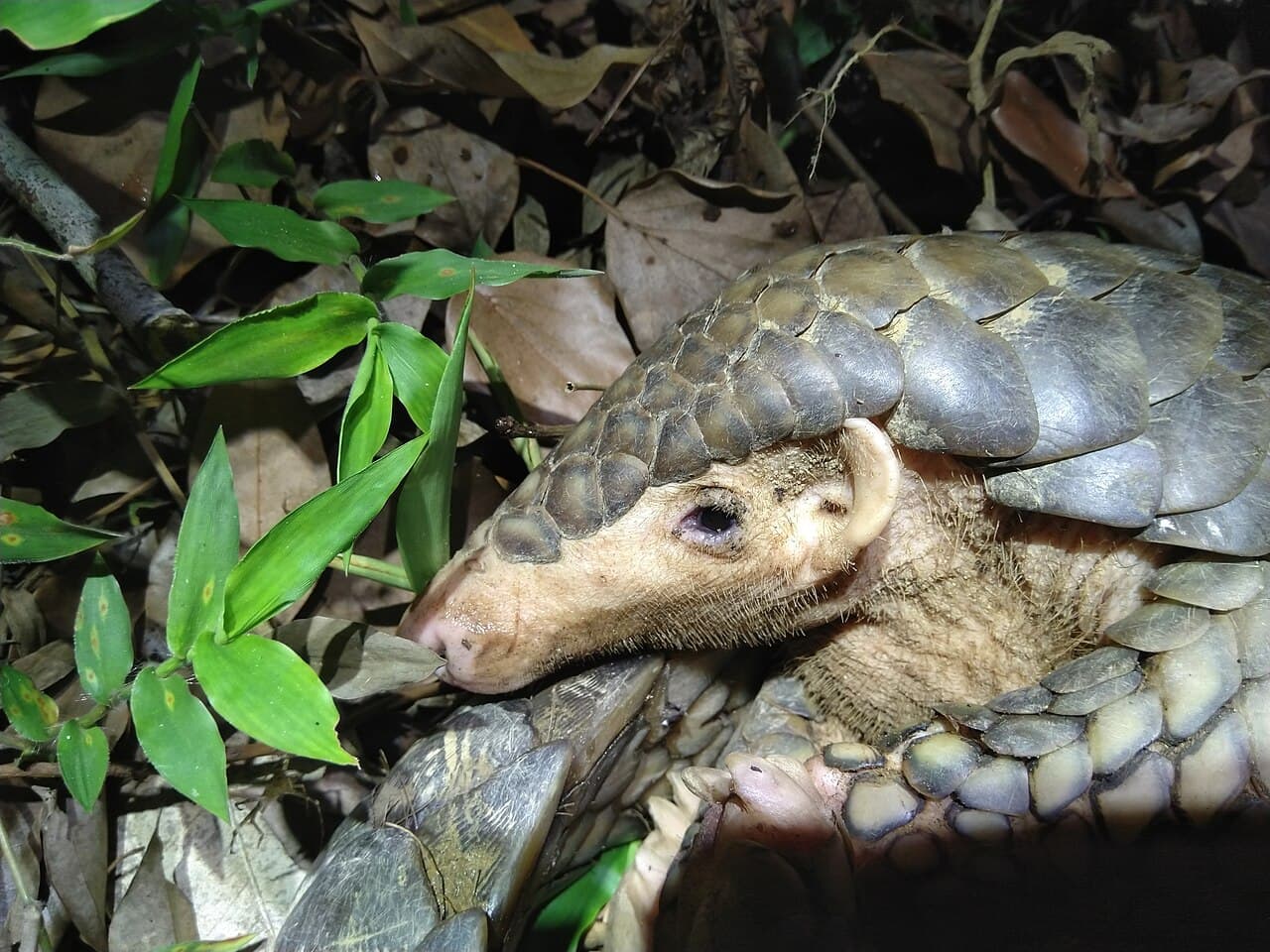
Pangolins are mammals with protective keratin scales and sticky tongues. Discover their unusual defenses and the threats armor cannot stop.
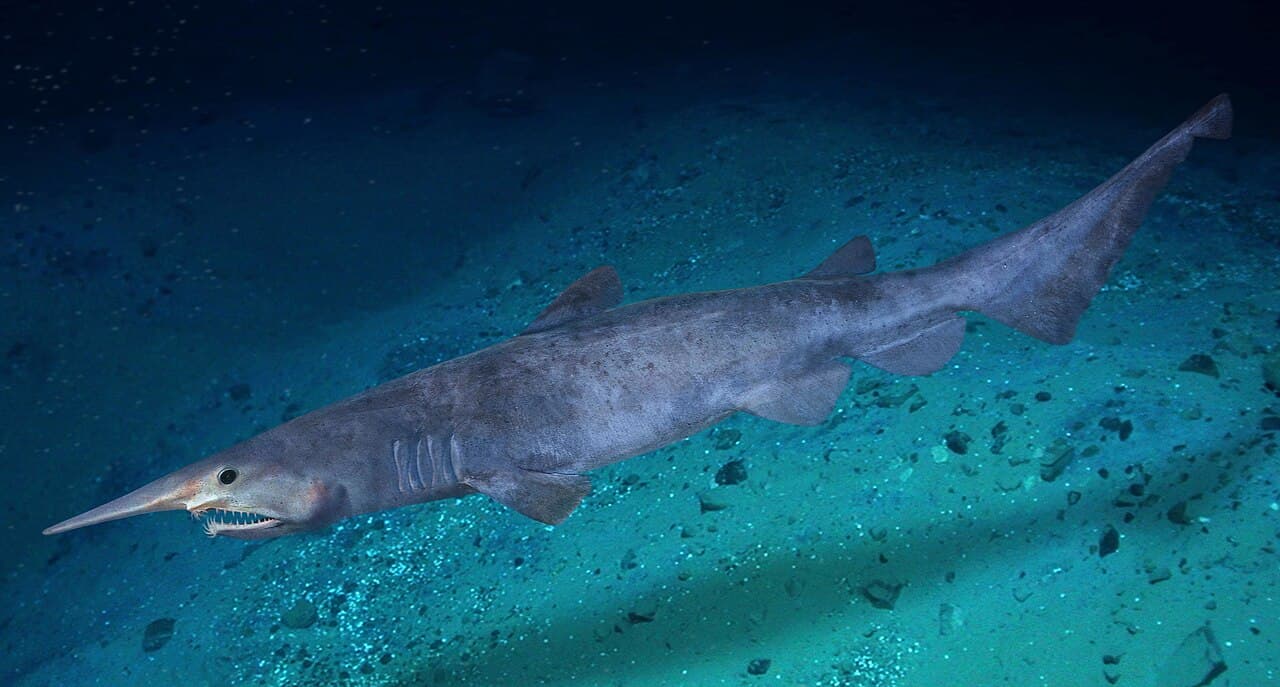
A goblin shark’s jaws extend forward to catch prey. Explore its unusual feeding mechanism, sensory snout, and deep-water life.
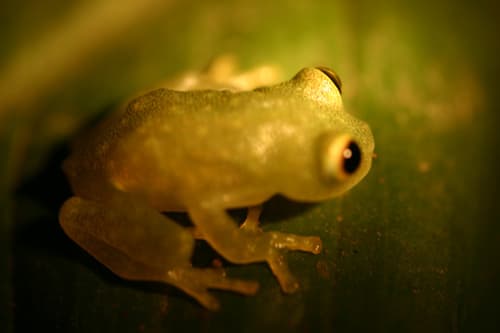
Glass frogs have see-through bellies. Discover how one species hides red blood cells while resting—and what this reveals about camouflage.
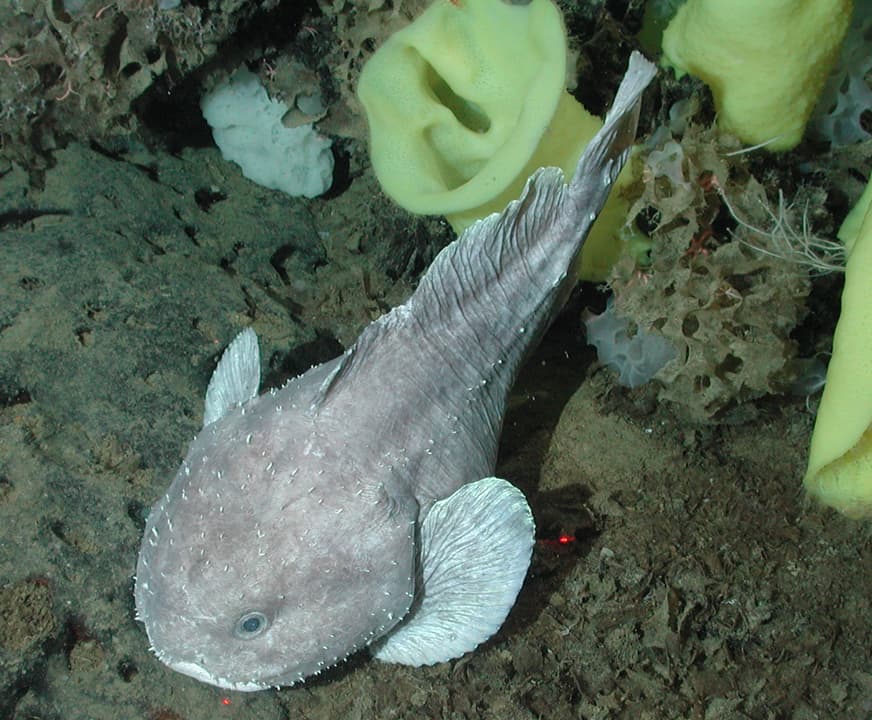
The blobfish is more than an internet face. Learn about Mr Blobby, related deep-sea fishes, and why accurate photographs need context.
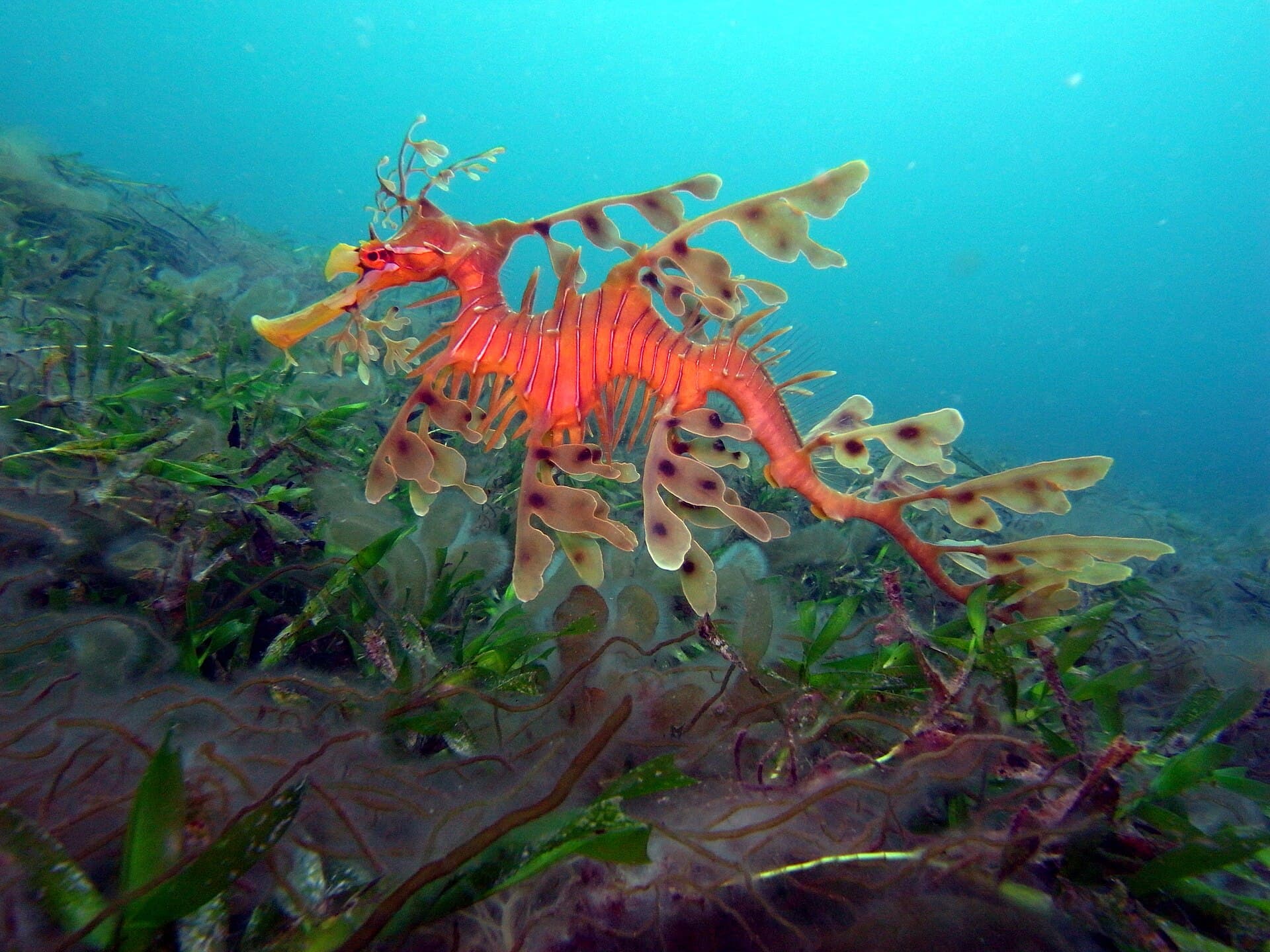
Leafy seadragons hide behind elaborate camouflage, move with delicate fins, and leave egg care to males in southern Australian waters.
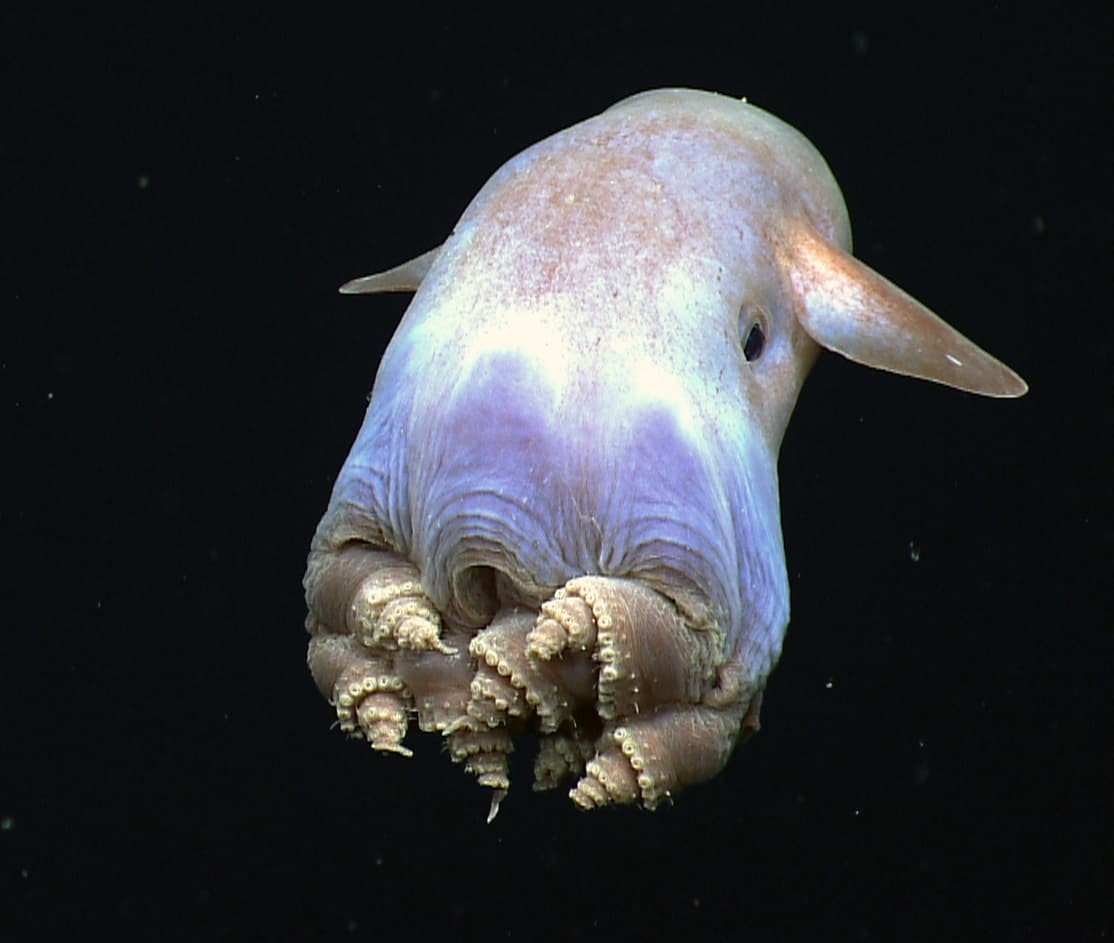
A dumbo octopus’s “ears” are fins. Explore how these remarkable octopuses move through deep water and what scientists still hope to learn.
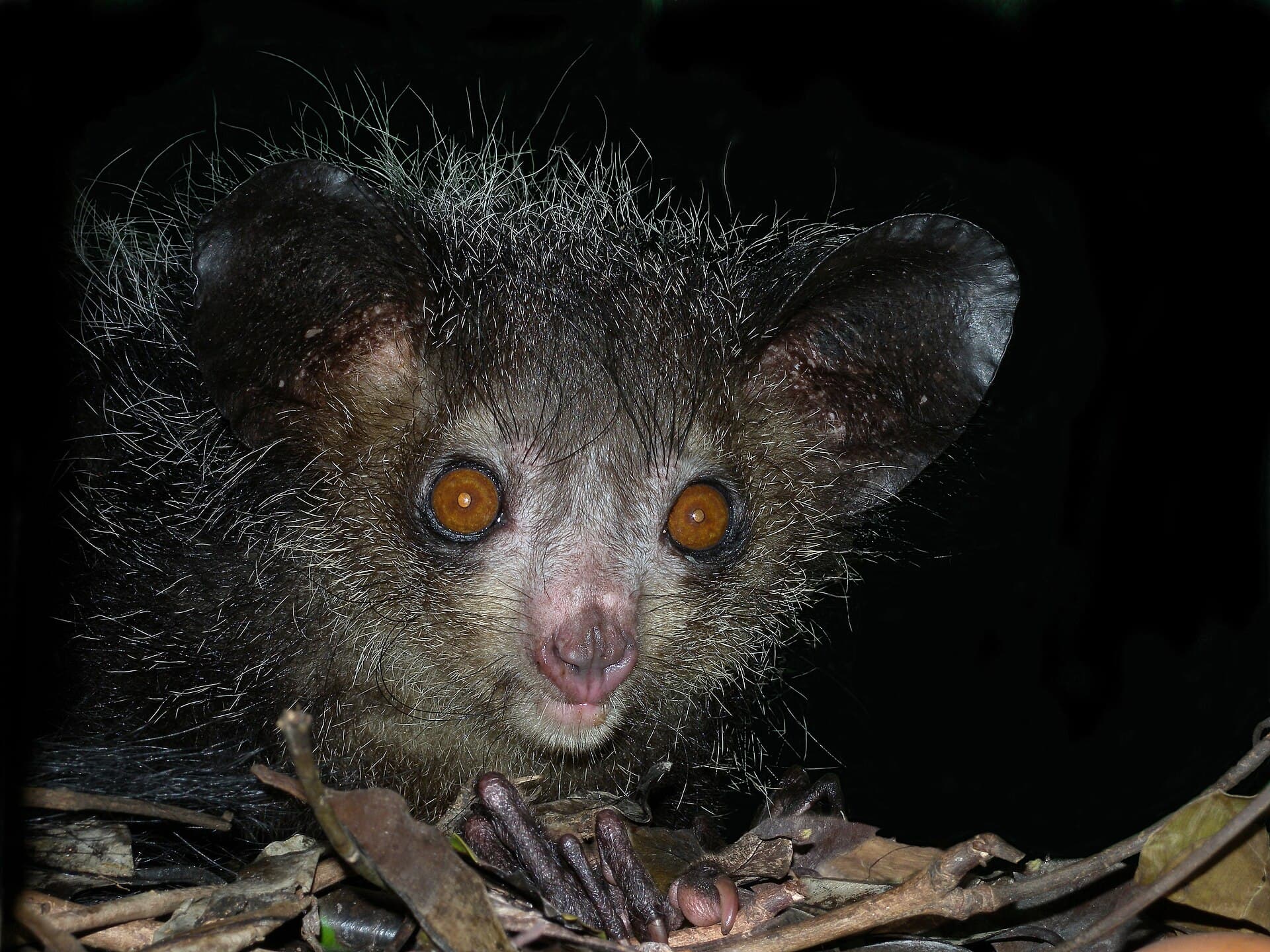
Madagascar’s aye-aye taps wood, listens for hidden cavities, and extracts food with a slender finger. Discover this endangered lemur’s adaptations.
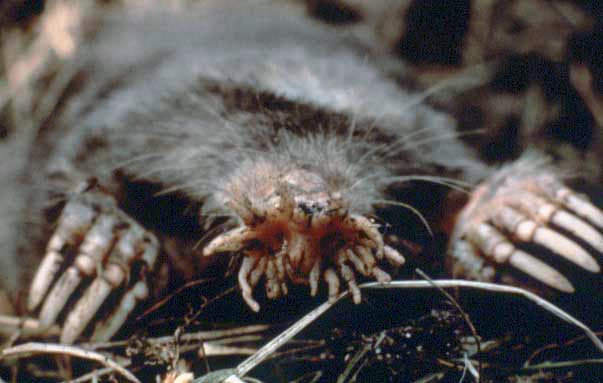
The star-nosed mole’s strange nose is a remarkable touch organ. Discover how its 22 rays help it find food in wet soil and water.
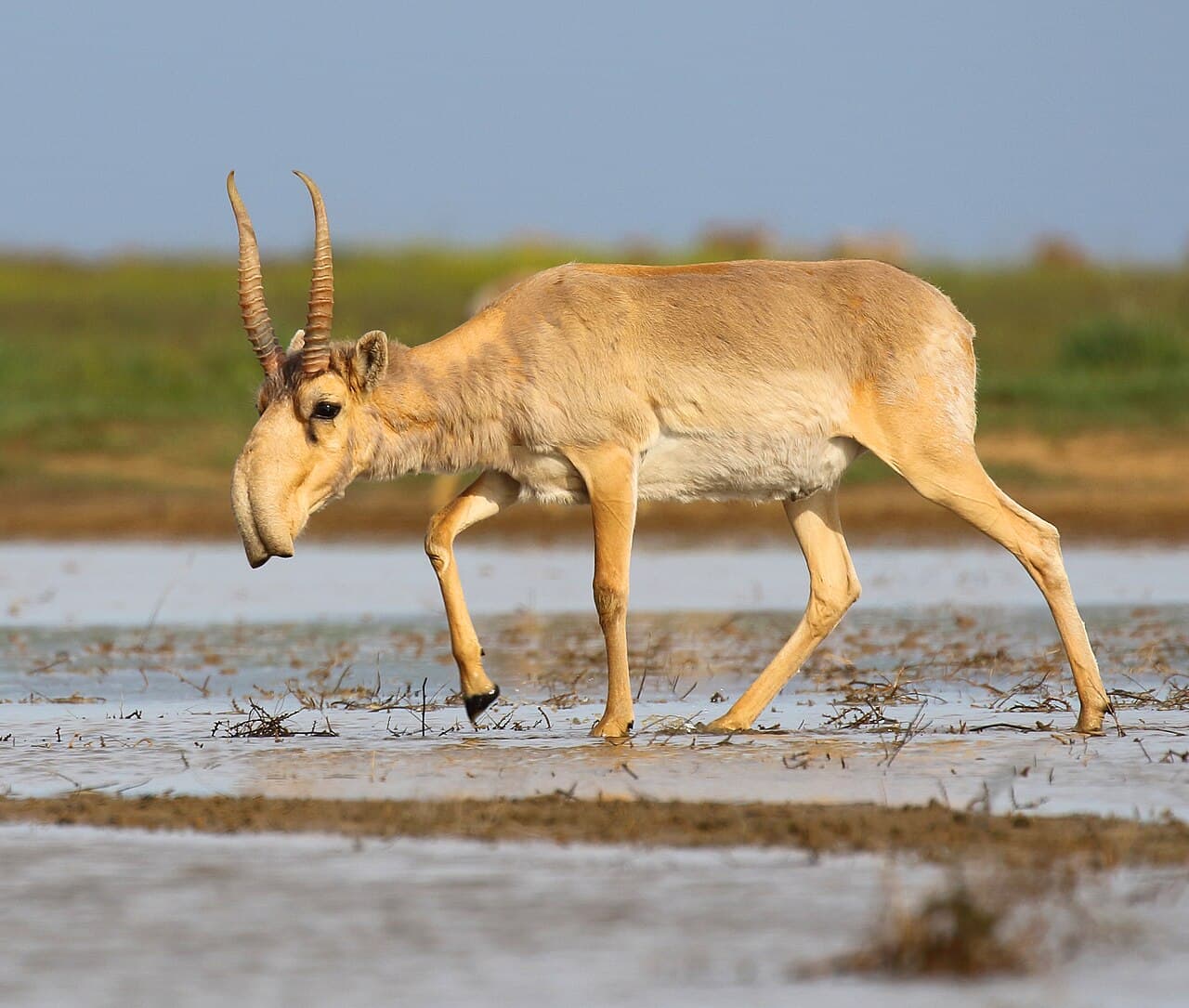
The saiga’s unusual nose filters dust and warms cold air. Explore its steppe adaptations and the conservation recovery that still needs care.
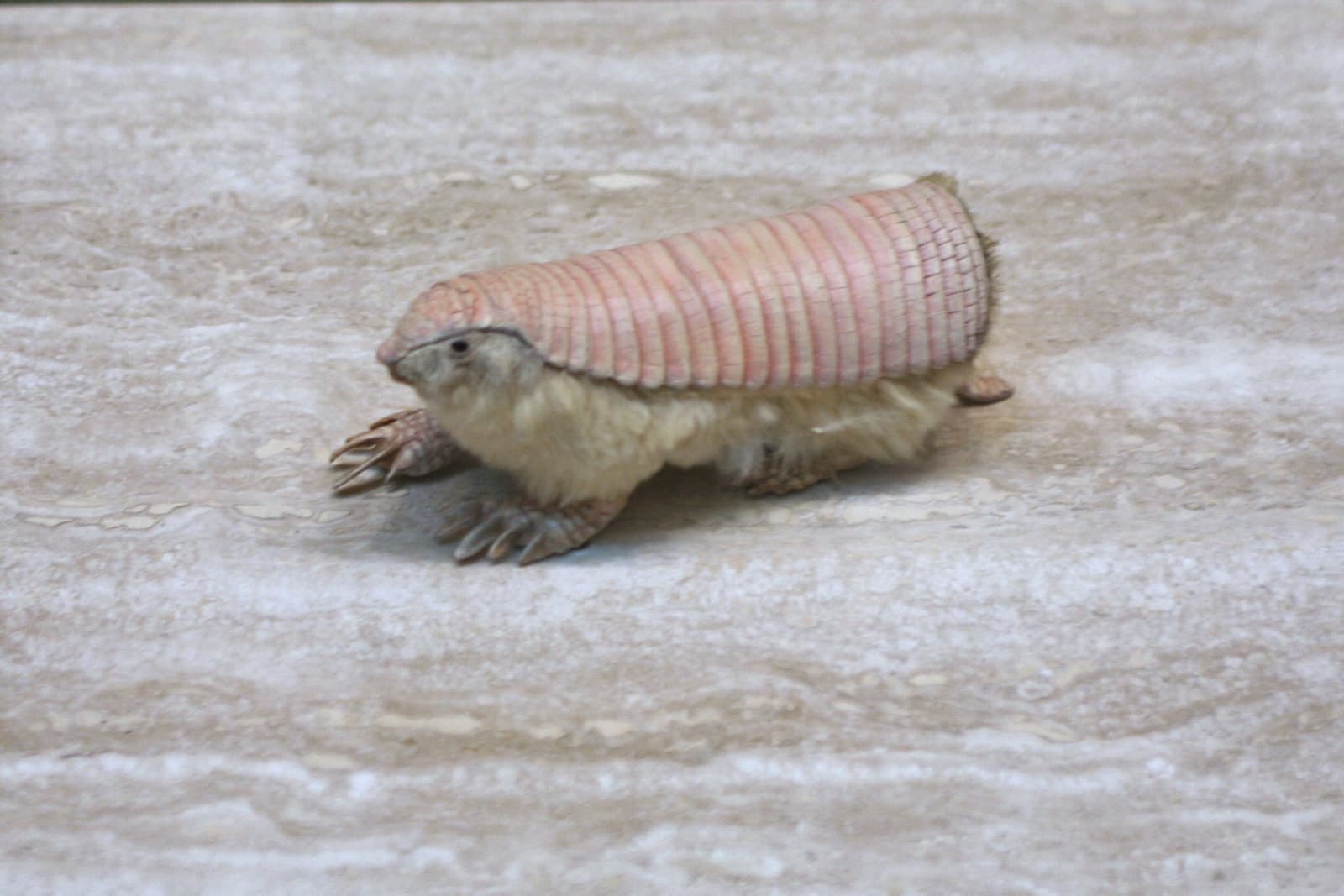
Meet the pink fairy armadillo, a tiny Argentine mammal with pale fur, a flexible shell, and a life that remains surprisingly mysterious.
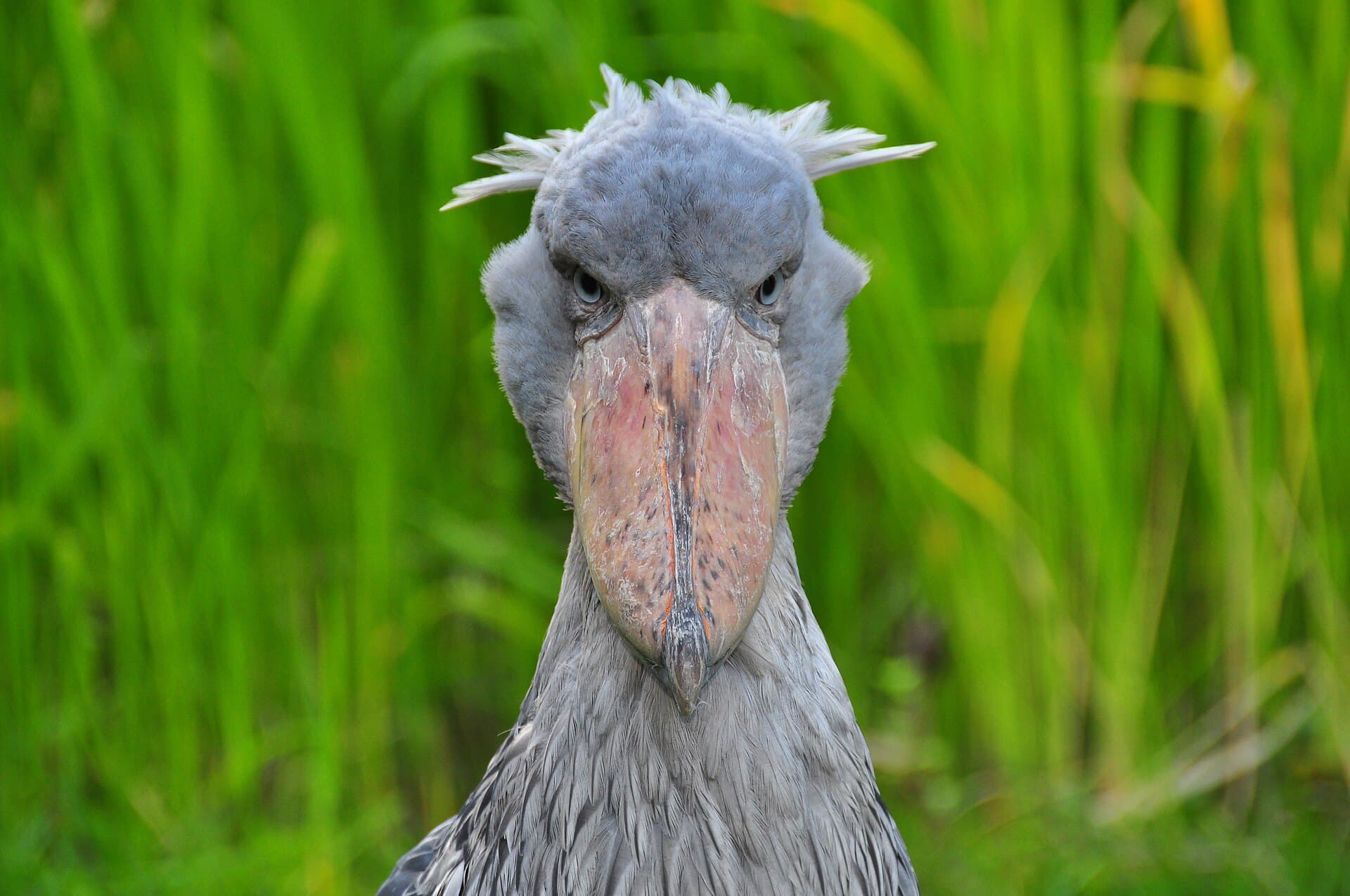
Discover how the shoebill uses stillness and an enormous bill to hunt—and why Africa’s wetlands are vital to this remarkable bird.
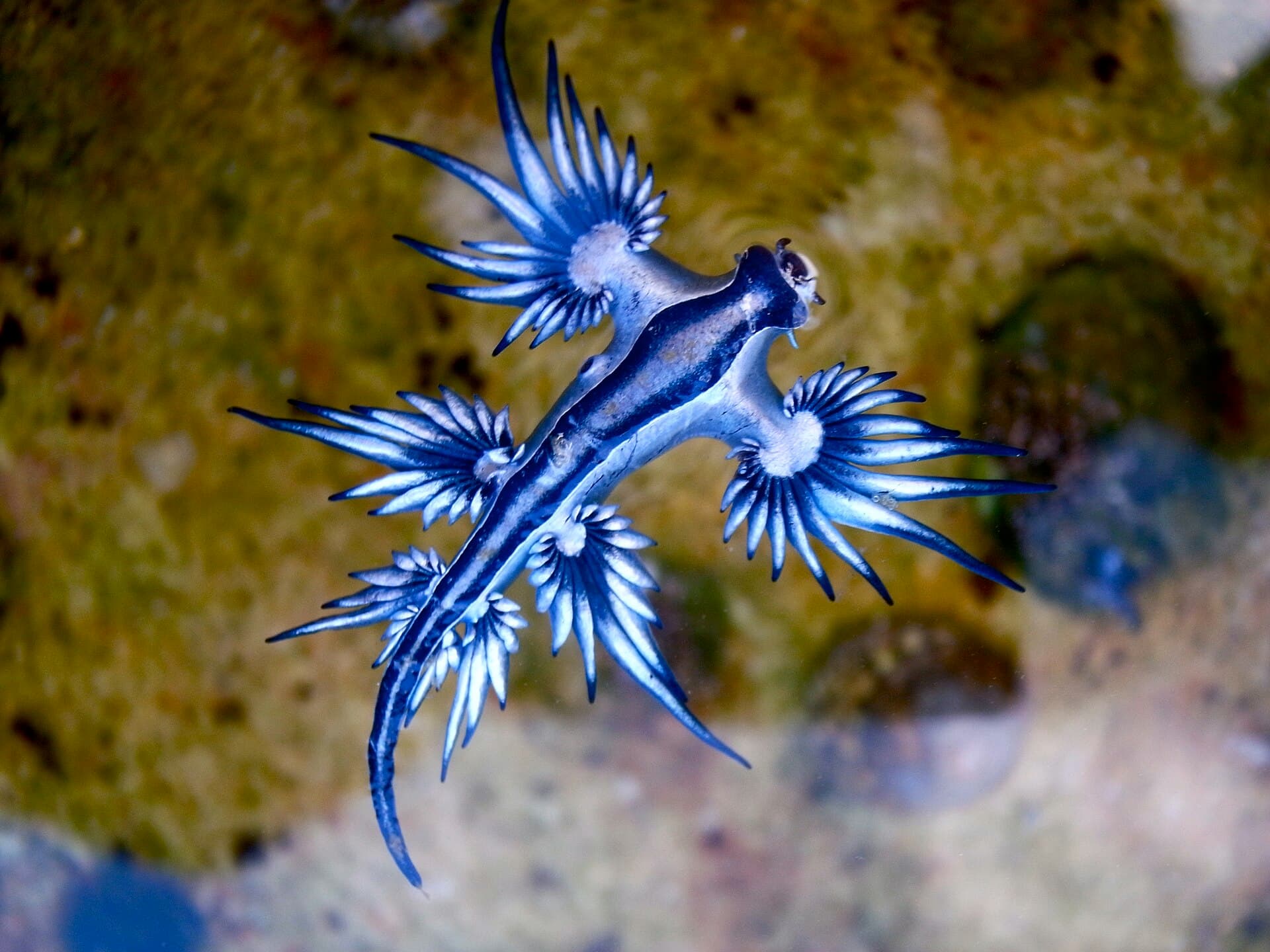
Meet the blue dragon sea slug, a tiny ocean drifter that stores stinging capsules from its prey and floats upside down at the surface.
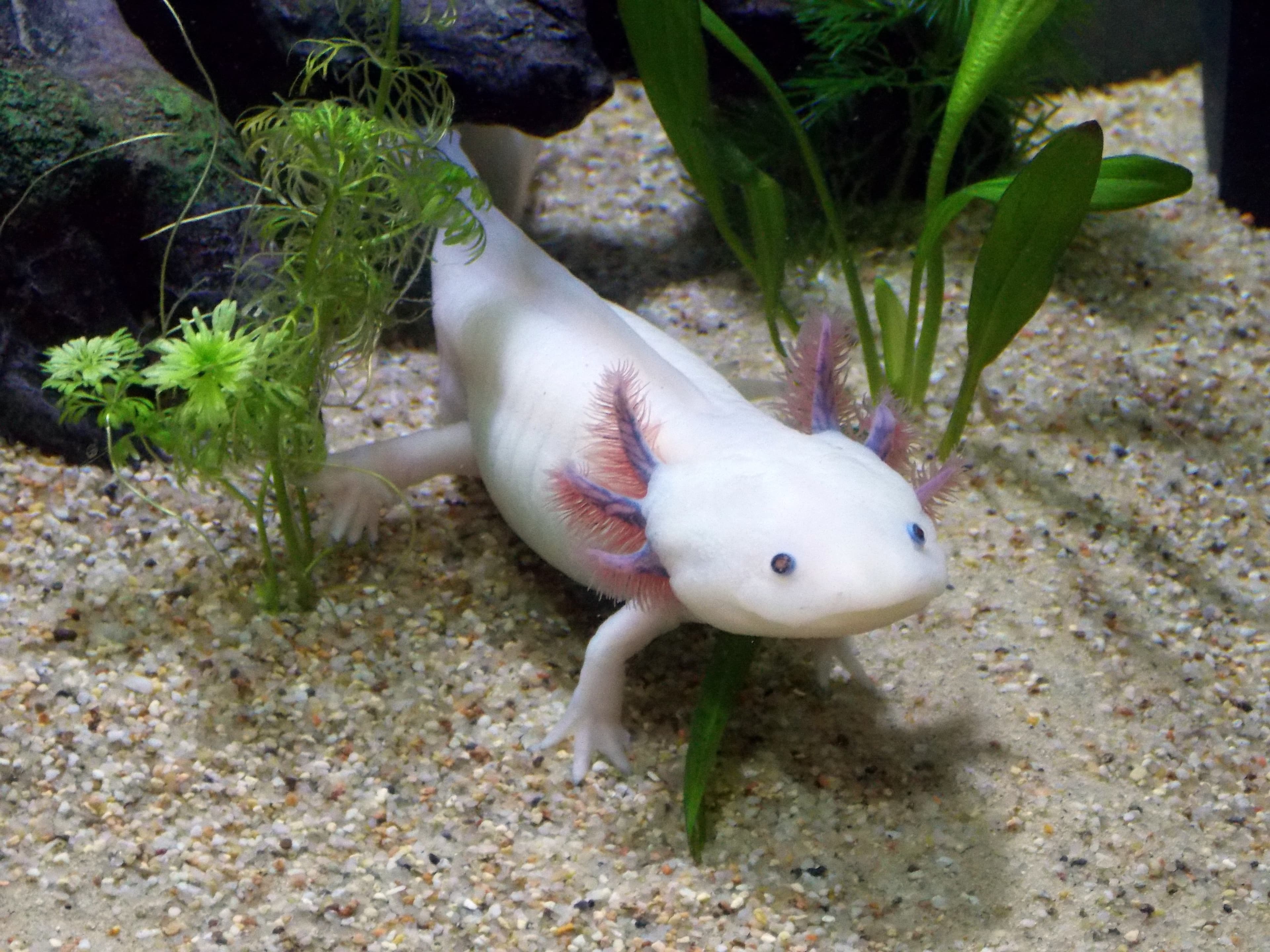
Axolotls can rebuild lost limbs. Discover what a new study reveals about skeletal repair—and why this Mexican salamander needs protection.
A golden herb once thought extinct since Roman times may have quietly survived for 2,000 years, rediscovered on a remote Turkish mountain.
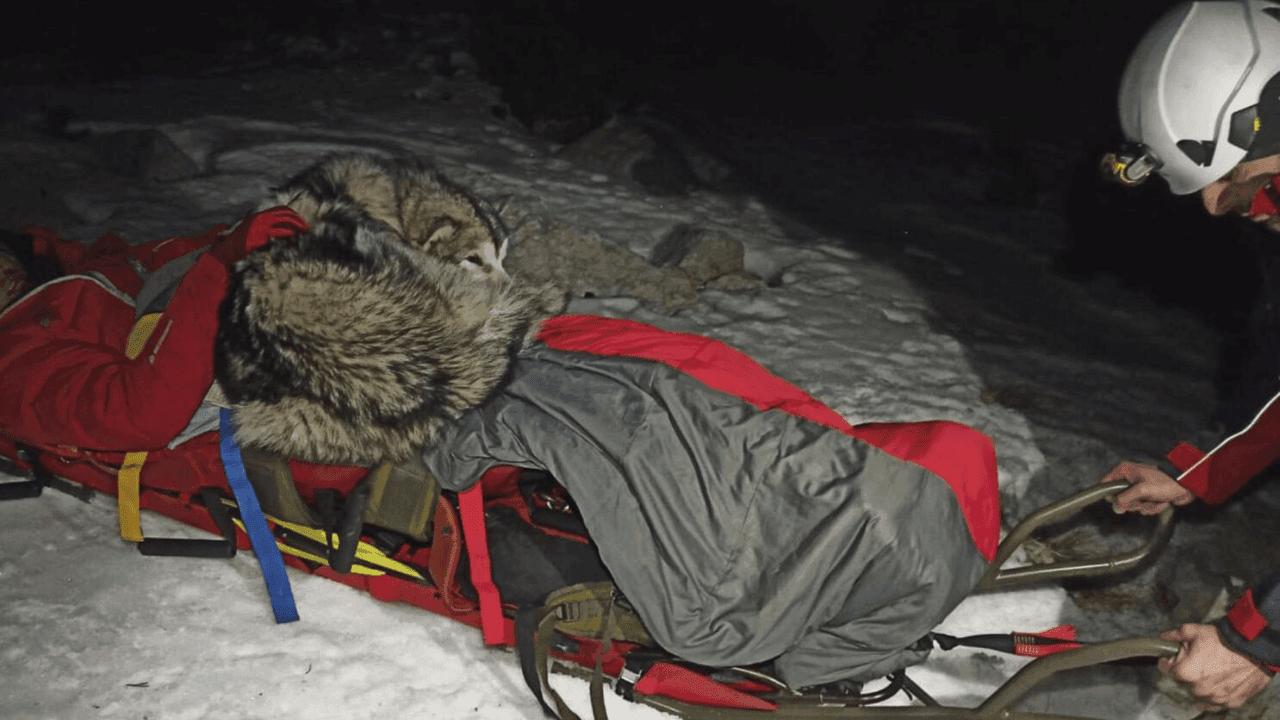
When a hiker fell and broke his leg in Croatia’s frozen mountains, his dog North didn’t run for help—he became the help, keeping his owner alive through the night.
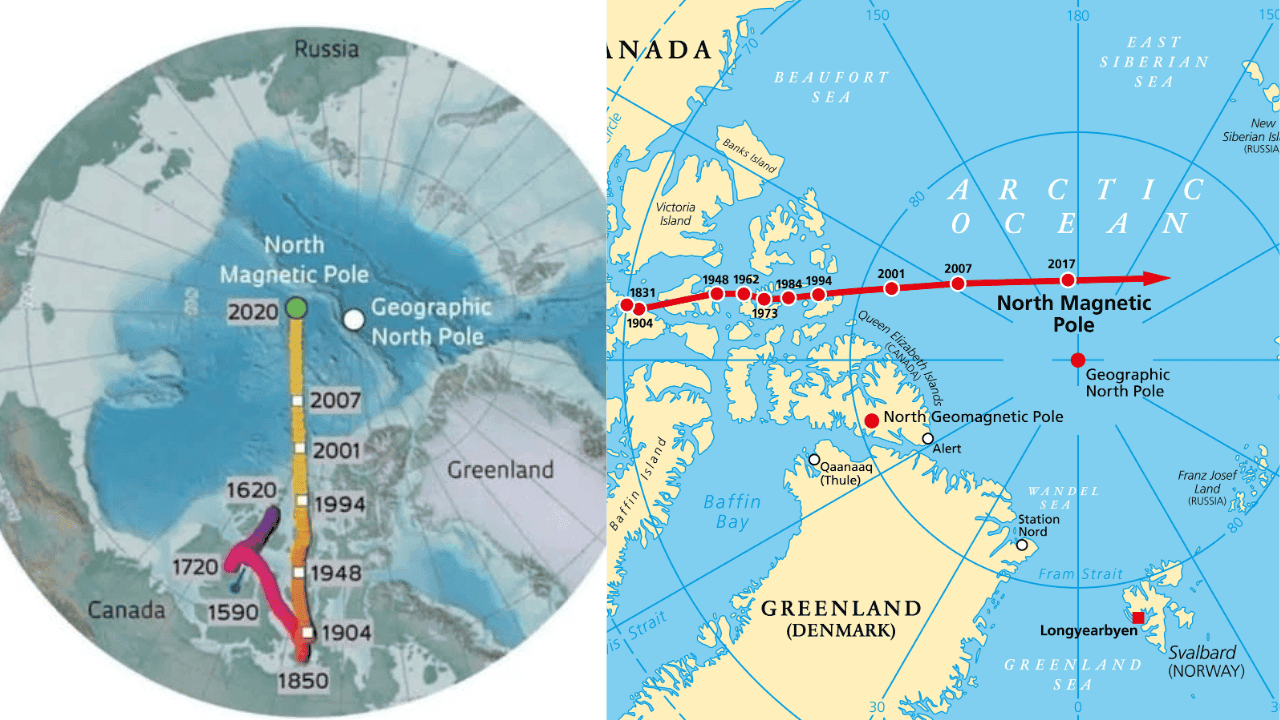
The Earth’s North Magnetic Pole has been drifting at an alarming rate, surprising scientists and sparking fears about our planet’s magnetic stability.
At 29,032 feet, Mount Everest isn’t just the highest point on Earth; it’s also the peak of an ancient ocean floor.
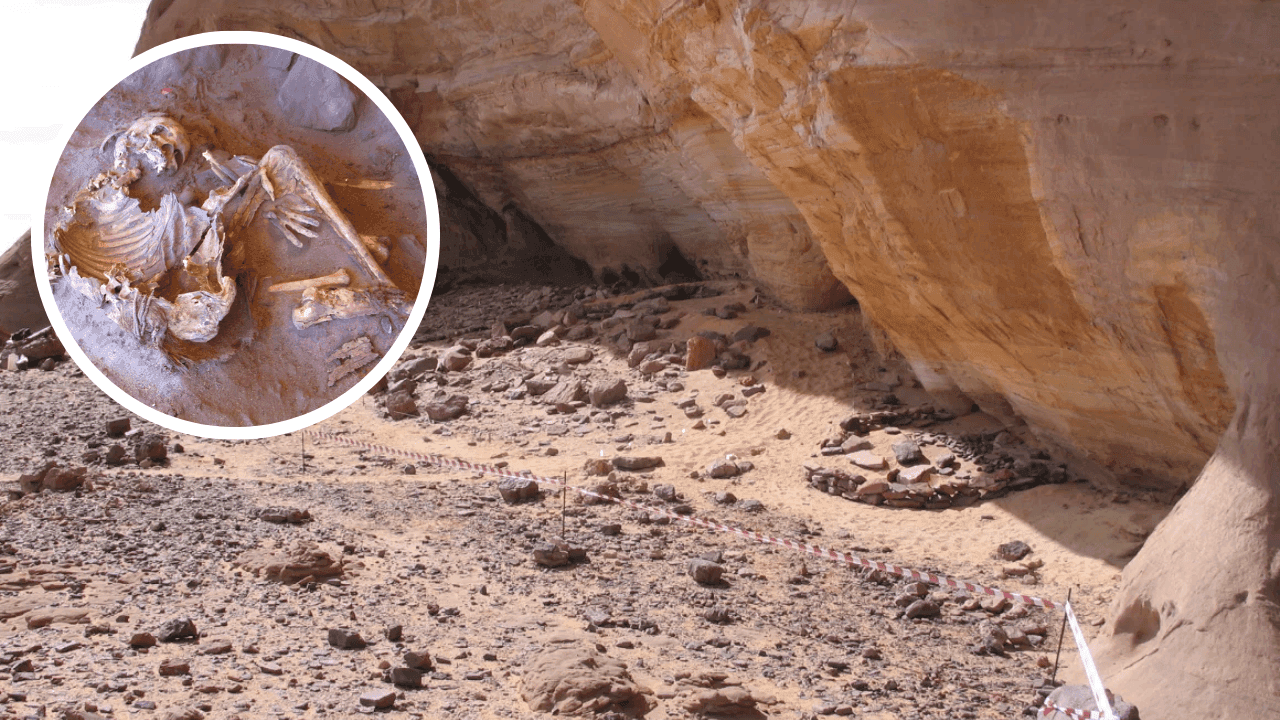
Under the scorching sun of the Sahara, archaeologists unveiled two ancient mummies, but their shocking DNA left scientists speechless.
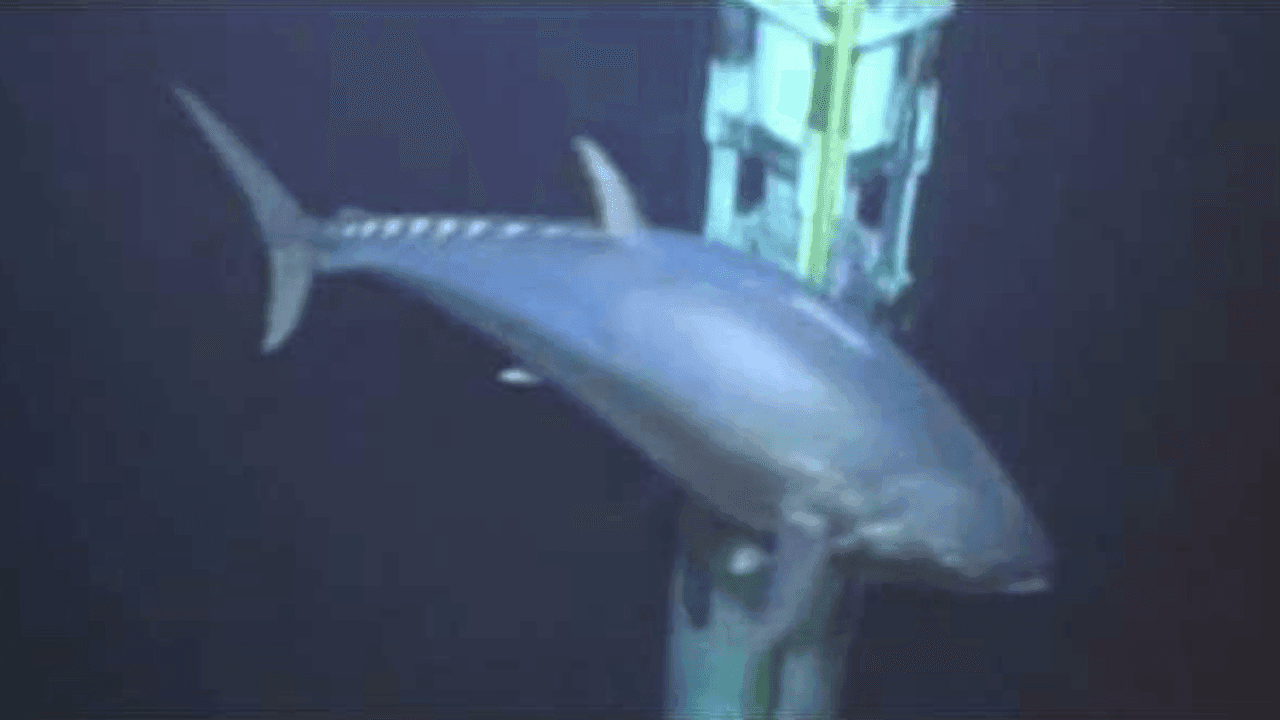
A deep-sea camera captured an 18-foot tuna in the Gulf of Mexico, stunning experts and reminding us how few ocean giants still remain.
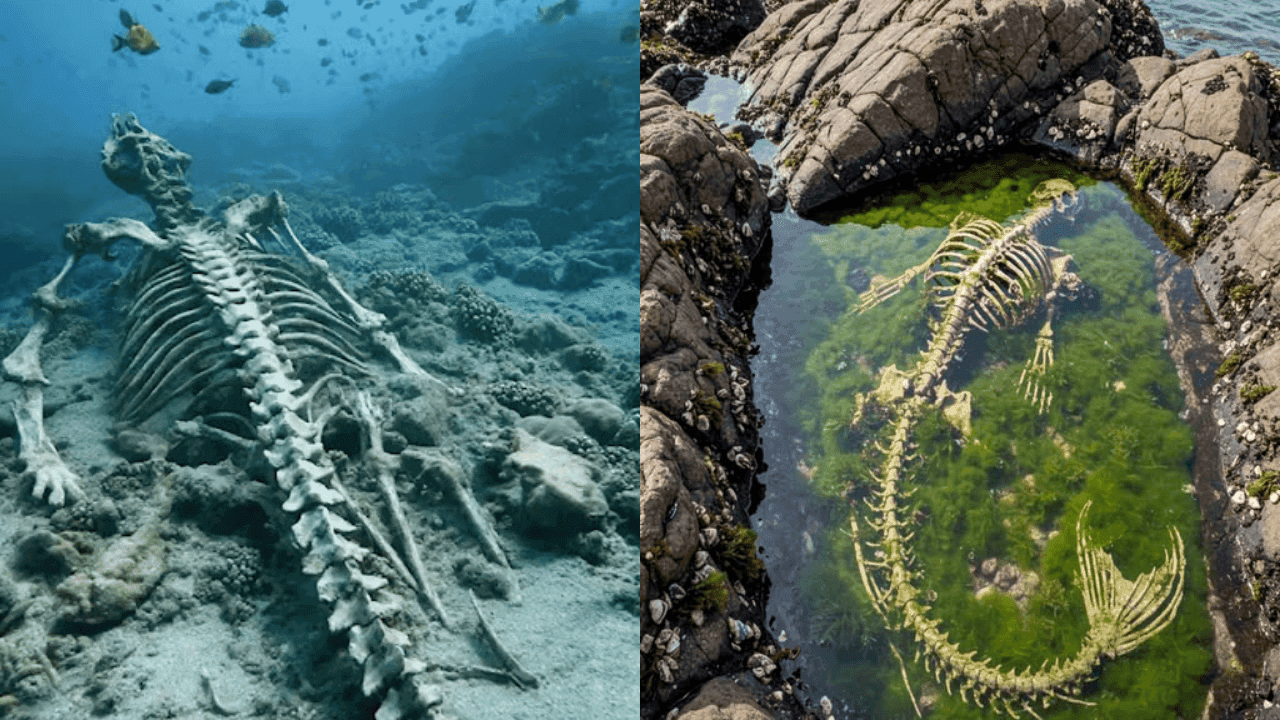
A strange skeleton lying in a tide pool has sparked global debate, blurring the line between myth and reality — could this be real evidence of a mermaid?