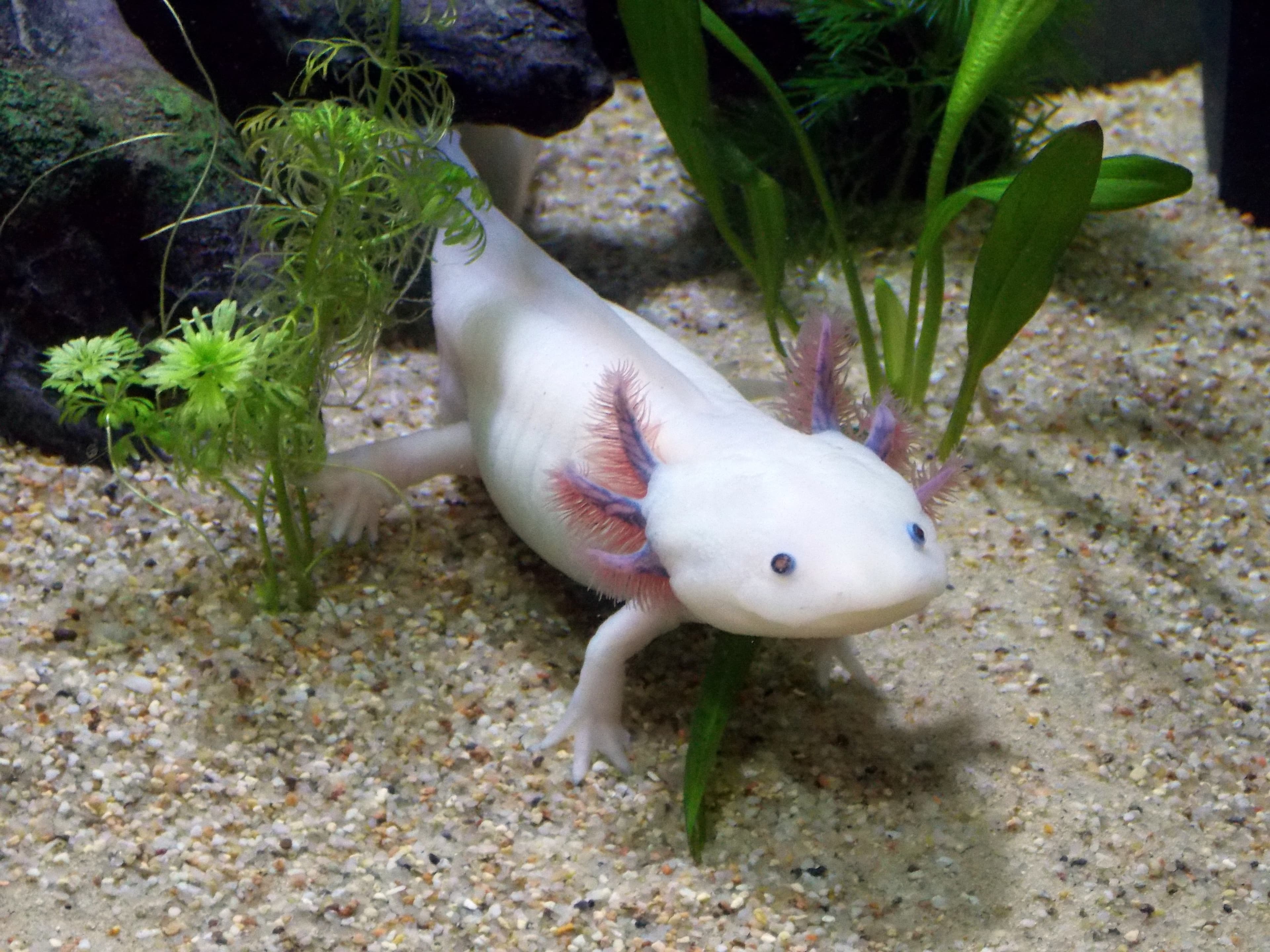
An axolotl can replace a lost leg. Even more astonishing, the new limb must join the skeleton that survived the injury. Growing tissue is only part of the job; making the pieces fit matters too.
That joining process is the focus of research published on October 15, 2026, in Nature Communications. It adds another clue to the remarkable biology of this Mexican salamander.
A repair process that responds to the injury
Rita Aires and colleagues compared injuries through two regions of the forearm skeleton: a calcified middle section and a cartilage-rich end section.
The calcified injuries triggered activity by osteoclasts, cells that break down skeletal tissue. The cartilage-rich injuries did not show the same response. The team also identified a chemical signal, Loc483, that could promote osteoclast presence at sites where this breakdown did not normally occur.
The findings suggest that the regeneration process changes with the tissue injured. This helps explain how a replacement joins an existing limb. It is research in axolotls, not evidence that people can now regrow arms or legs. Original study.
An amphibian with an unusual adulthood
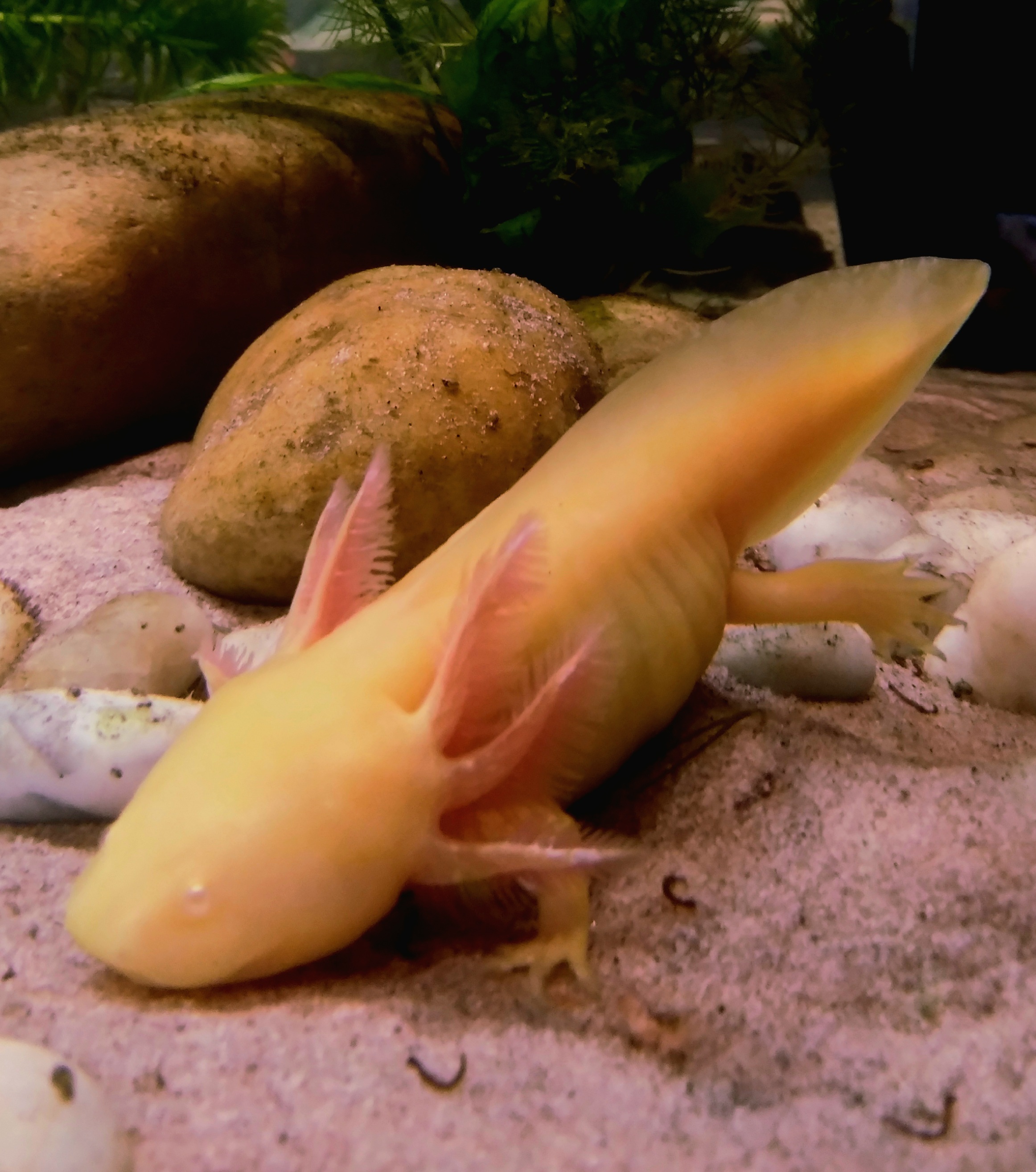
The axolotl, Ambystoma mexicanum, normally reaches adulthood without undergoing the dramatic metamorphosis familiar from many other amphibians. Its appearance offers a glimpse of that unusual life history.
According to the Marine Biological Laboratory, its regenerative abilities extend beyond limbs to spinal cord tissue and parts of the brain and heart. Researchers study these animals to understand how cells coordinate complex repair without forming scar tissue.
Those findings invite curiosity, but each body part presents its own scientific questions. Regeneration is a collection of living processes, rather than one simple trick.
Its wild home needs care too
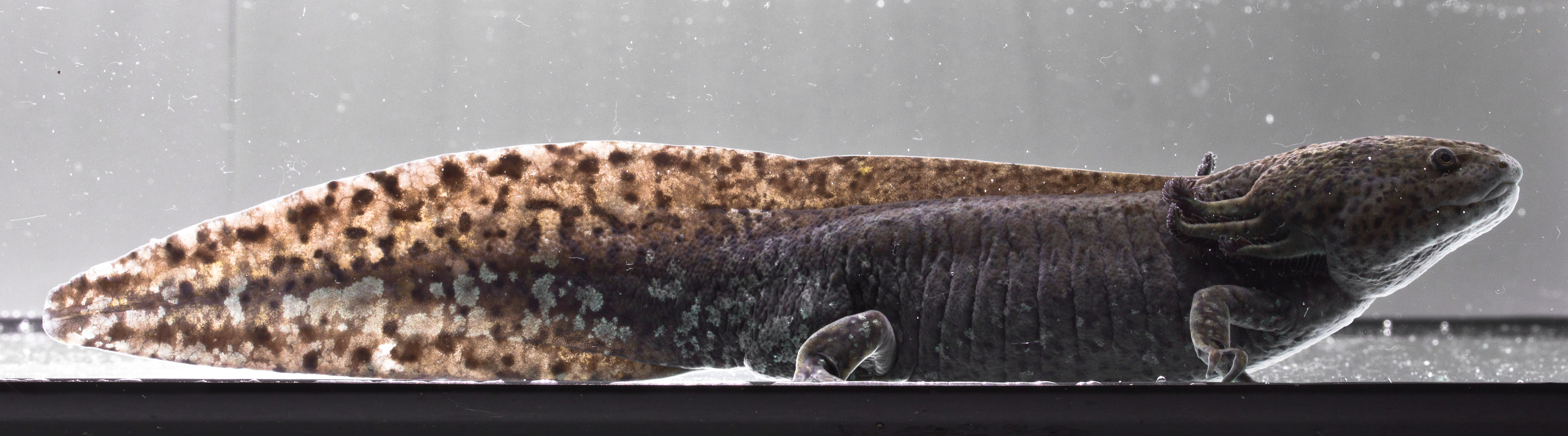
The axolotl is critically endangered in the wild. Habitat damage, polluted water, and introduced fish threaten its survival around Xochimilco in Mexico City.
Conservation work includes creating protected canal refuges with filtered water and barriers against non-native fish. San Diego Zoo Wildlife Alliance describes these efforts.
A small animal with a remarkable lesson
The axolotl makes it easy to feel wonder at nature. A new leg is extraordinary; a new leg that connects with an old skeleton is more impressive still.
Protecting its waterways gives this remarkable animal a future—and gives science more time to understand what it can teach us.
Photo credits
Featured image: Tinwe — CC0 1.0.

Body image 1: Opouy — CC0 1.0.

Body image 2: Mariblubb — CC BY-SA 4.0.

Photographs are illustrative. Image adaptations remain under their respective source licenses.