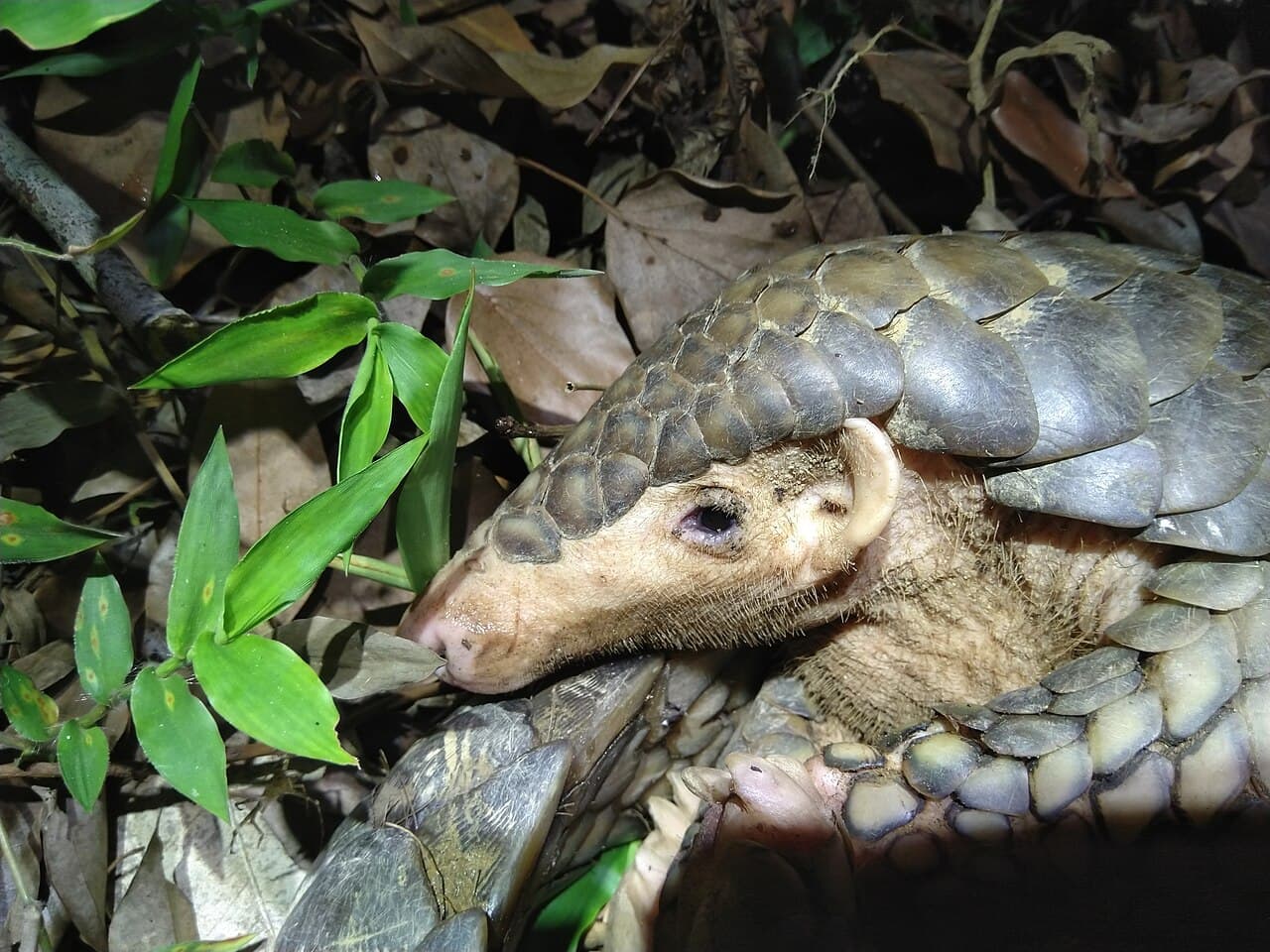
A pangolin’s protective scales are made of keratin—the same tough protein found in human fingernails and hair.
That familiar material forms an unfamiliar kind of mammal. Overlapping scales cover much of its body, while a long tongue reaches into insect nests for food.
A mammal beneath the armor
Pangolins live in parts of Africa and Asia. The IUCN discusses eight recognized species in its 2025 conservation assessment.
Their appearance can suggest a reptile, but pangolins are mammals. Singapore’s National Parks Board explains that their scales are keratin structures, not a reptile’s skin covering.
When threatened, a pangolin can curl into a ball, presenting its harder outer surface to an attacker. That defense helps explain why these animals are so distinctive.
A tongue built for tiny meals
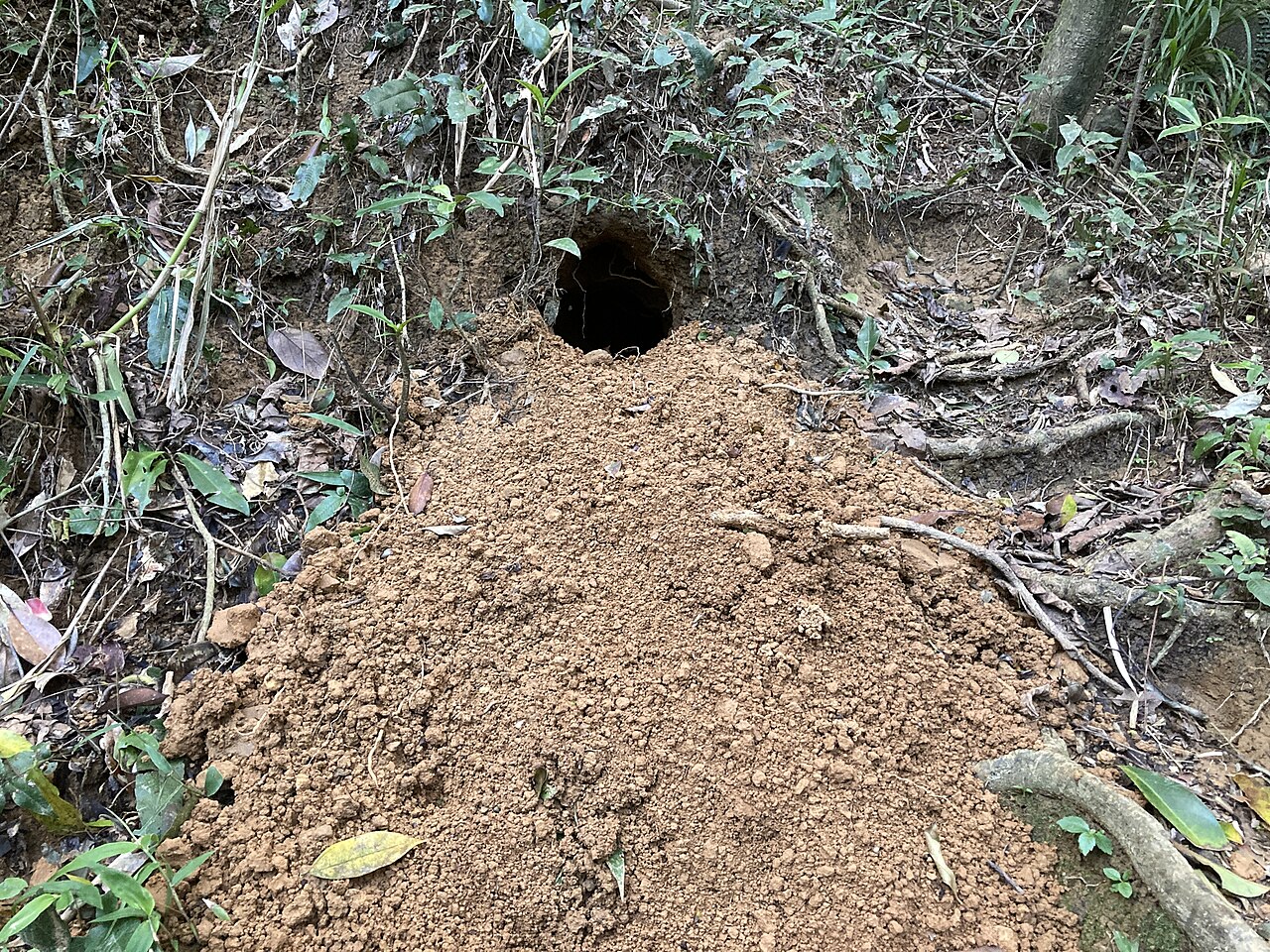
Pangolins specialize in eating ants and termites. Their claws open nests, and a long, sticky tongue collects insects from within.
The University of Michigan’s Animal Diversity Web describes this feeding specialization. A pangolin’s unusual body is therefore more than armor: it also carries the equipment needed to reach food hidden underground or inside nests.
Different species use different habitats, including forests and more open country. Facts about one photographed species should not automatically be applied to every pangolin.
The defense that cannot stop people
Curling into a ball offers little protection against a person who simply picks the animal up.
IUCN’s 2025 report identifies exploitation and habitat loss as major threats. It also emphasizes gaps in population information, making confident global headcounts difficult.
That uncertainty does not cancel the evidence of serious pressure. It means conservation needs better monitoring alongside protection.
Look beyond the scales
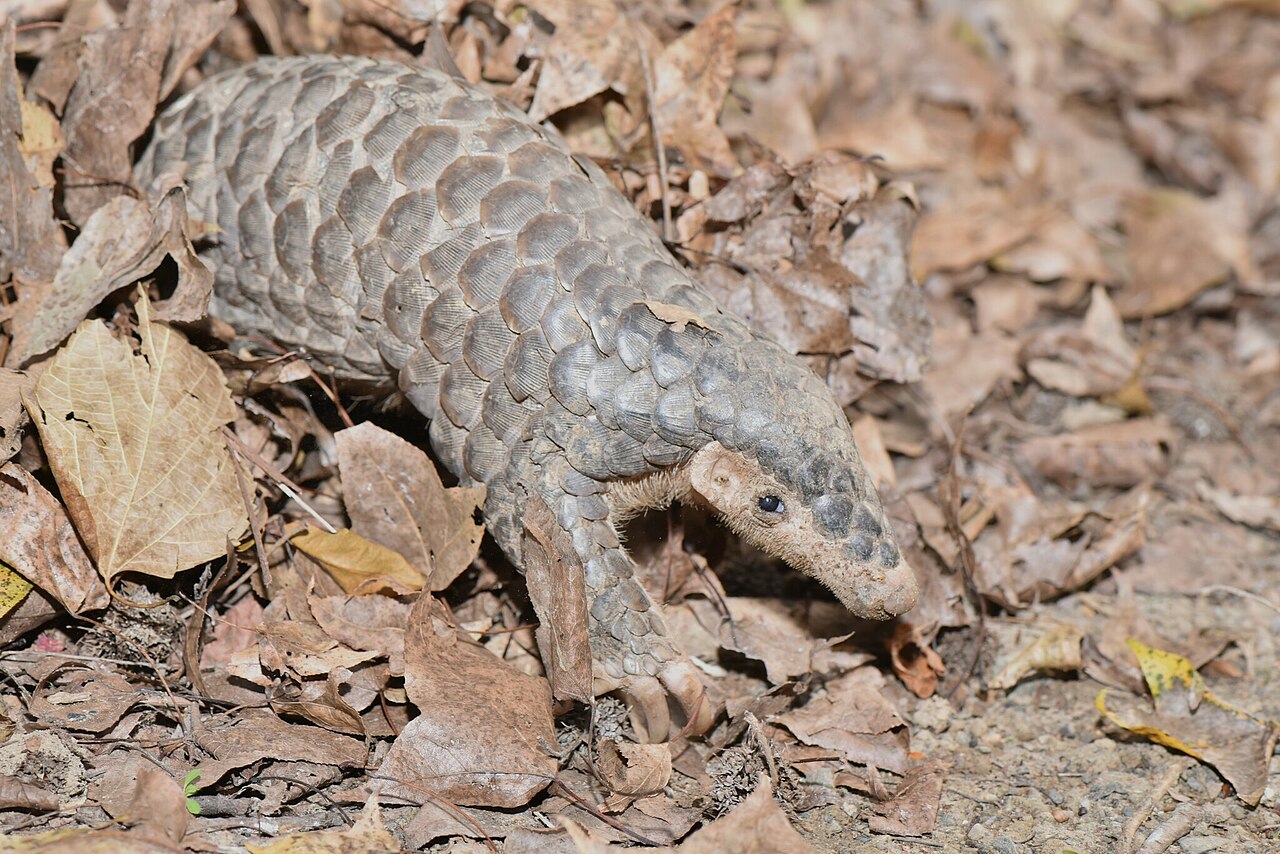
The photographs in this article show Chinese pangolins, one part of a wider group. Their armor may attract our attention first, but the feeding behavior and habitat behind it matter just as much.
Protecting pangolins requires more than admiration for a remarkable covering. It means reducing the pressures that scales cannot resist—and keeping the landscapes where these specialized mammals can feed and live.
Photo credits
Featured image: Licheng Shih — CC BY 4.0.

Body image 1: Jerome Ko — CC BY 4.0.

Body image 2: Yung-Lun Lin — CC BY 4.0.

Photographs are illustrative. Captive animals and collected specimens are identified in the captions; these images do not document a new sighting. Image adaptations retain their respective source licenses.