A fluffy-looking moth photographed in Venezuela became an internet sensation. Its appeal is easy to understand; its scientific identity needs more care.
“Venezuelan poodle moth” is a popular label associated with a photograph, not a dependable guide to a complete species biography.
Start with the documented photograph
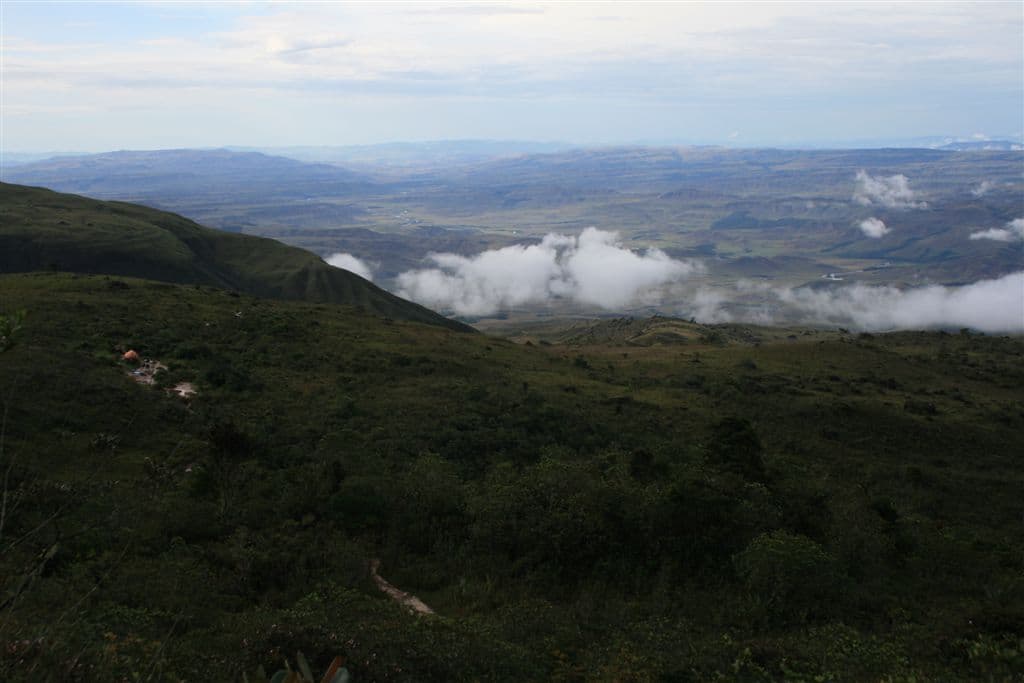
In reporting published in August 2012, Mongabay traced the image to zoologist Arthur Anker’s 2009 visit to Venezuela’s Gran Sabana region.
The report described the moth as unidentified and discussed the possibility that it might represent an undescribed species. That was a possibility, not a published scientific confirmation.
Anker’s Gran Sabana photographic album places his work within a larger record of the region’s insects and landscapes.
A nickname is not a scientific description
A species description usually needs documented evidence that lets other researchers compare and identify the animal. A memorable photograph can stimulate that work, but it cannot answer every biological question by itself.
The sources reviewed for this article do not establish a reliable exact size, lifespan, diet, or conservation status for the photographed moth. Repeating numbers from unsourced animal lists would turn uncertainty into false precision.
The mystery is interesting enough without filling in the blanks.
Why similar photographs cause confusion
A useful example exists in Wikimedia Commons. A freely licensed photograph titled “Poodle Moth” was taken by John Flannery in North Carolina, not by Anker in Venezuela.

Its description discusses a different moth and explicitly distinguishes it from the Venezuelan photograph. Similar appearance and a shared nickname do not make two images evidence of the same species.
Real moths are already remarkable
The Smithsonian’s moth overview explains that moths and butterflies carry scales on their wings, with enormous variation in color and appearance.
That wider diversity gives us plenty to appreciate while the identity of one famous subject remains uncertain.
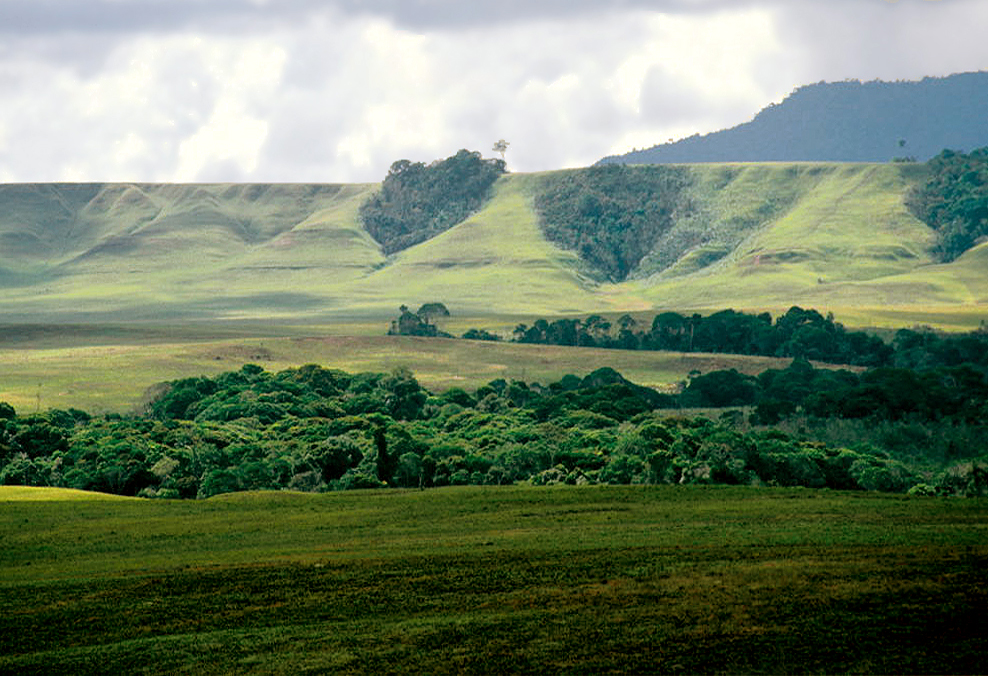
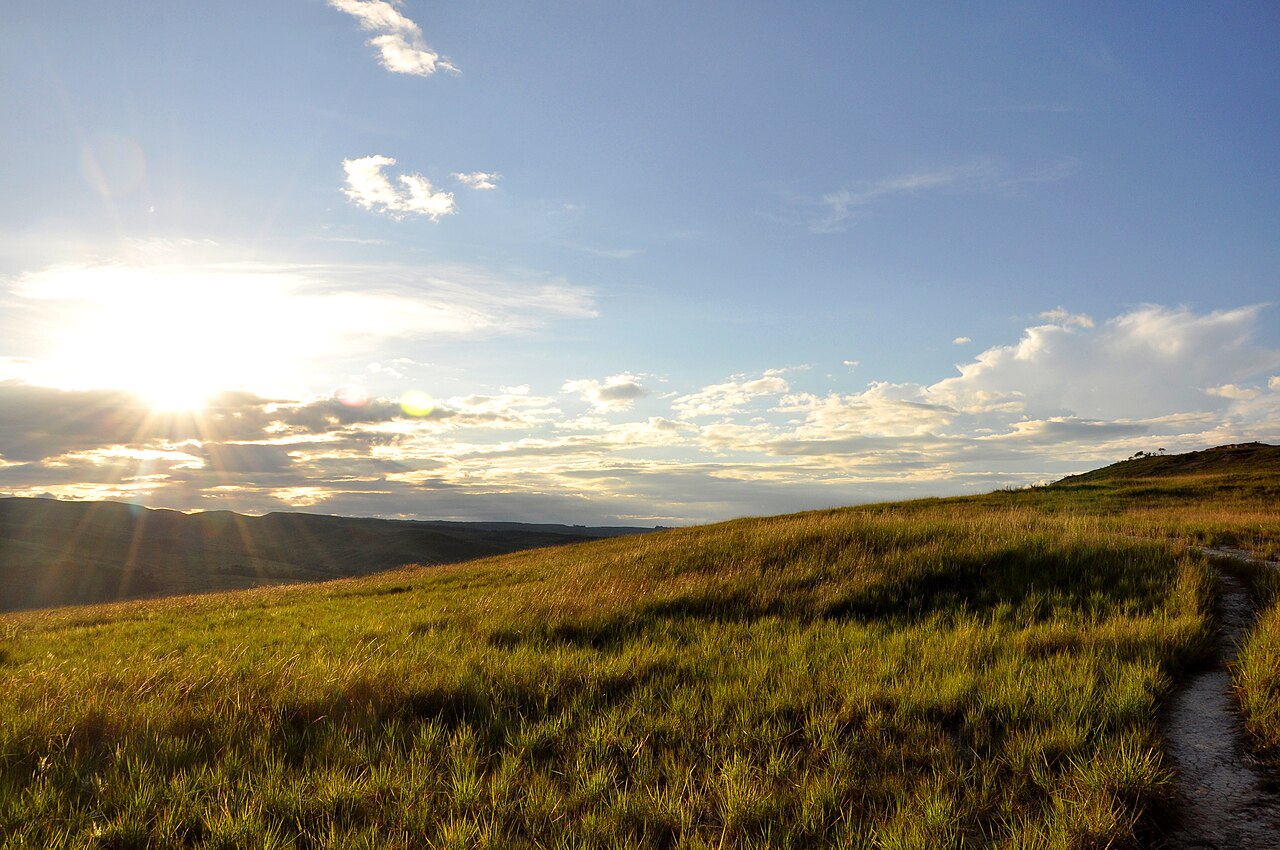
The landscape photographs here show the Gran Sabana, the reported region of the original encounter. They do not show the moth, its exact collection site, or proof of a new sighting.
Wonder and accuracy can coexist. Sometimes the most honest nature story ends with a good question rather than an invented answer.
Photo credits
Featured image: Gérard Vigo — CC BY-SA 3.0.

Body image 1: LBM1948 — CC BY-SA 4.0.

Body image 2: Paolostefano1412 — CC BY-SA 3.0.

Photographs are illustrative. Captive animals, regional landscapes, and research specimens are identified in their captions. Image adaptations retain their respective source licenses.