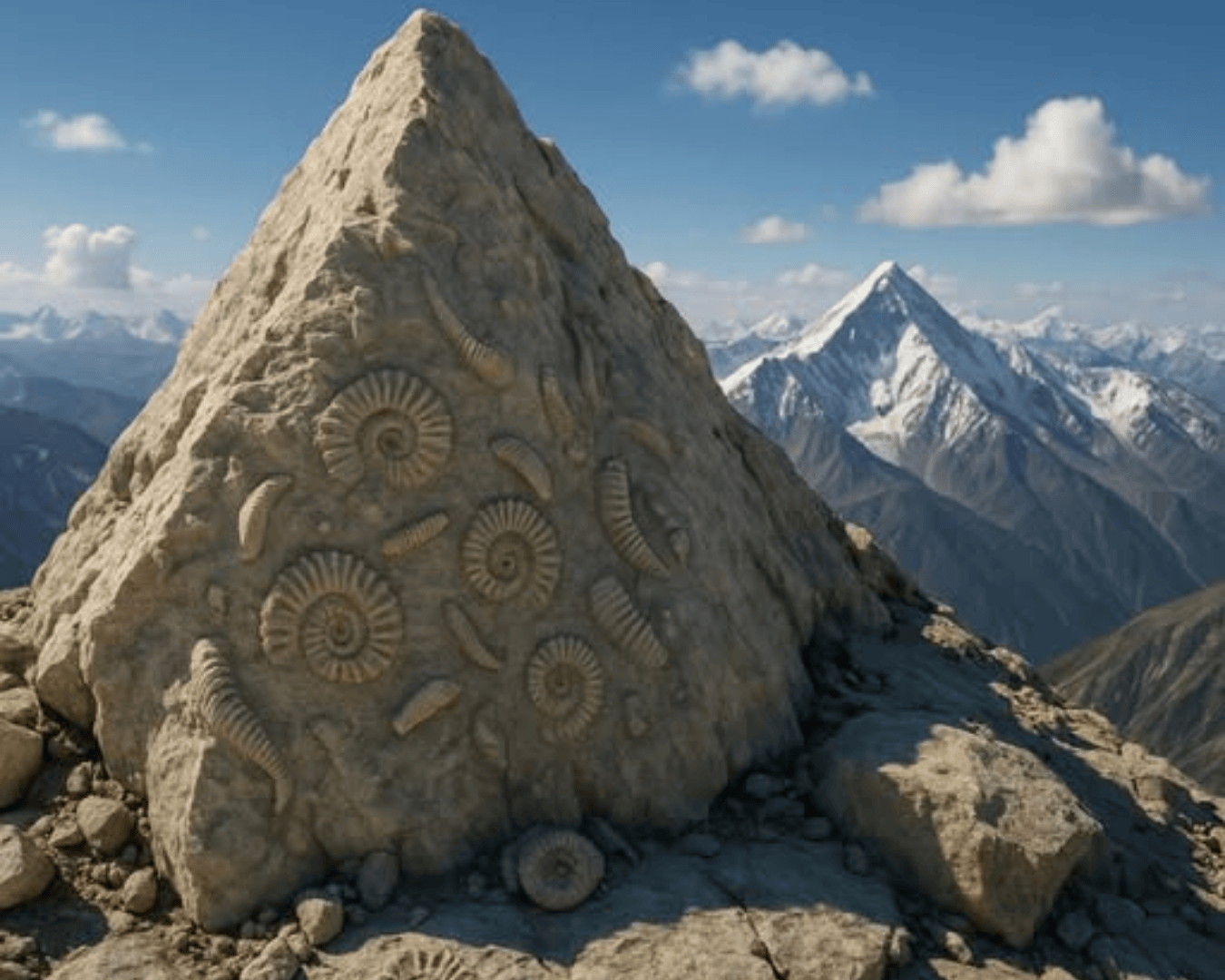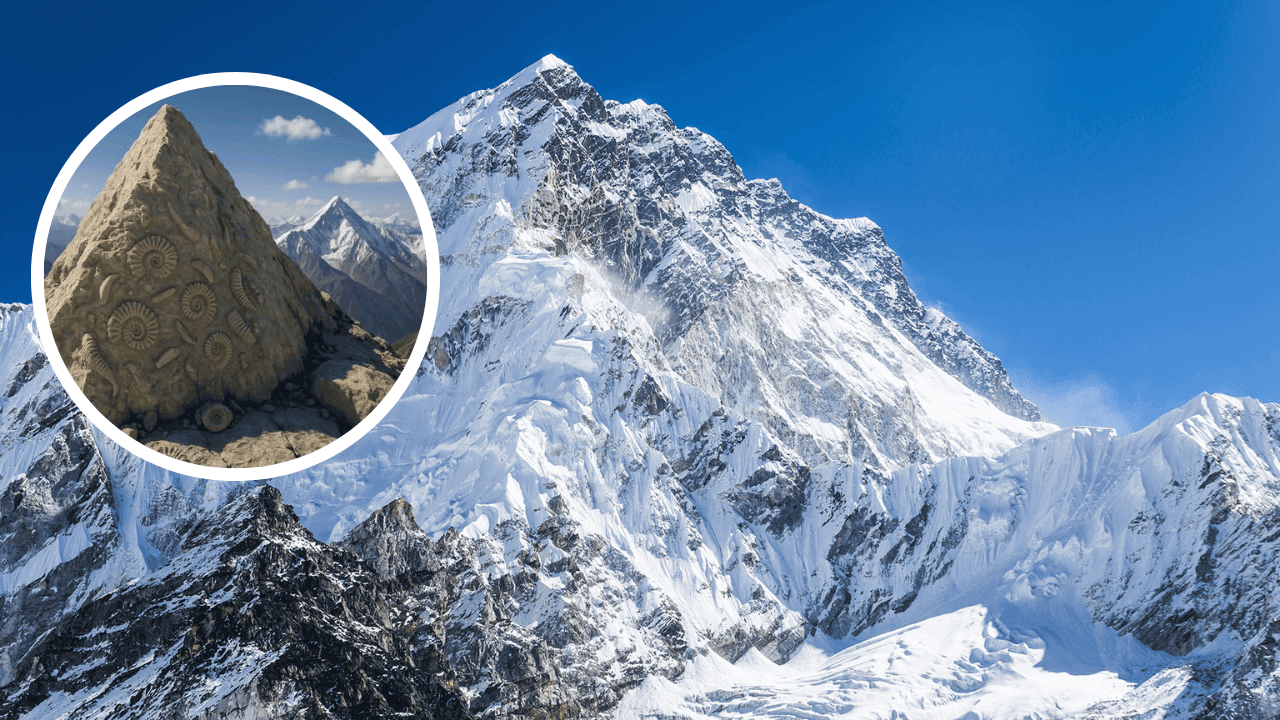
At 29,032 feet, Mount Everest isn’t just the highest point on Earth; it’s also the peak of an ancient ocean floor. The summit is composed of marine limestone, a reminder that this once-towering giant was once submerged beneath the waves of the Tethys Ocean, teeming with life.
Around 450 million years ago, this area was part of a vibrant ecosystem. Countless marine creatures like trilobites and brachiopods thrived in the shallow waters. As tectonic plates drifted, the mighty collision between the Indian and Asian plates began. This extraordinary shift didn’t happen overnight; it unfolded over millions of years, transforming the seafloor into towering peaks.
The culmination of this geological drama created the Himalayas, with Everest rising as the crowning jewel. When climbers finally reach the summit, they stand not just on rock, but on a piece of ancient history—a stark contrast to the overwhelming heights surrounding them.
As climbers trek the treacherous paths leading to the summit, the air thins, and the temperature drops sharply. Many face physical and mental struggles, yet the goal keeps them moving. Among whispers of the high winds is a tale of wonder that is often overlooked: the rocks beneath them were once home to a vibrant marine life.
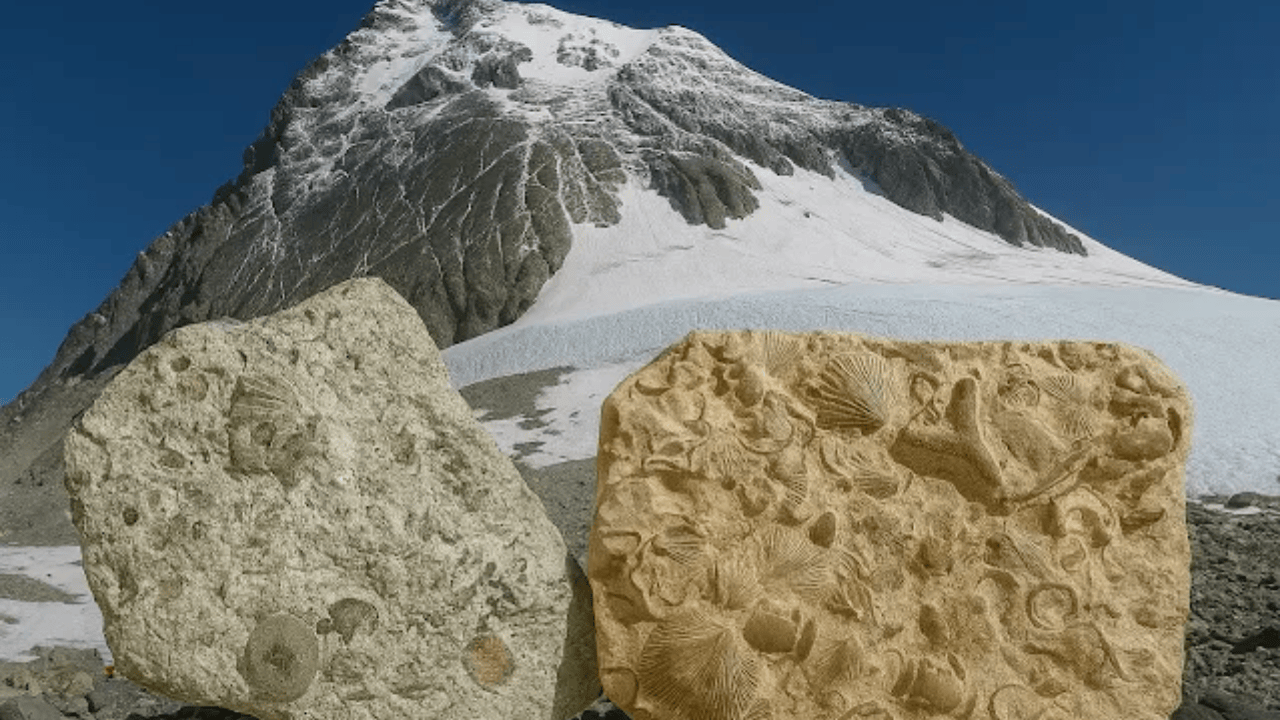
Imagine climbing a mountain, only to learn that the peak you reached was once sea bed. At Everest’s summit, one can find fossils of ocean-dwelling creatures—a clear testament to the extraordinary geological journey this land has undergone.
Curiously, the knowledge of Everest’s underwater origins opens a window to understanding our planet’s history—a reminder that our world is continually evolving. Scientists have utilized these unique findings to support the theory of plate tectonics, forever changing how we view Earth’s geology.
But the wonder doesn’t end with the rock. Every climber who takes those final steps up the mountain leaves a piece of their story behind—an emotional journey marked by perseverance, fear, and triumph. Each summit attempt is a personal battle against the elements and one’s own limitations.
Some climbers have shared their reflections, saying, ‘Standing at the top of Everest, I felt connected to something ancient, something more significant than myself.’ Such moments of clarity bring a deeper appreciation of the mountain and its hidden history.
The aftermath? As researchers continue to study Everest’s sedimentary composition, they unravel more about its past. The ongoing geological research reminds us of the ever-evolving nature of our planet and spurs curiosity about what more lies beneath its surface.
As we consider the massive shifts that led to Mount Everest’s creation and the ancient ocean it once belonged to, one must ponder—how has our understanding of Earth’s history changed the way we perceive our current environment? What ancient stories await discovery in the mountains we tread upon?
Disclosure: We may earn a commission when you make a purchase through the ads.