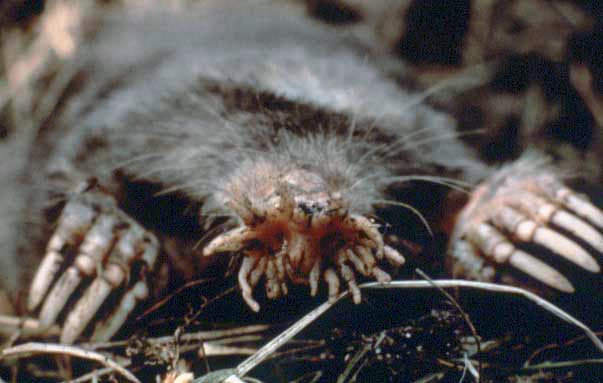
The star-nosed mole explores its surroundings with a pink star on its face. Its 22 fleshy rays form an extraordinarily sensitive touch organ.
To us, the nose may seem bizarre. To the mole, it is a way to gather detailed information while searching for tiny meals in wet soil and water.
A star built for touch
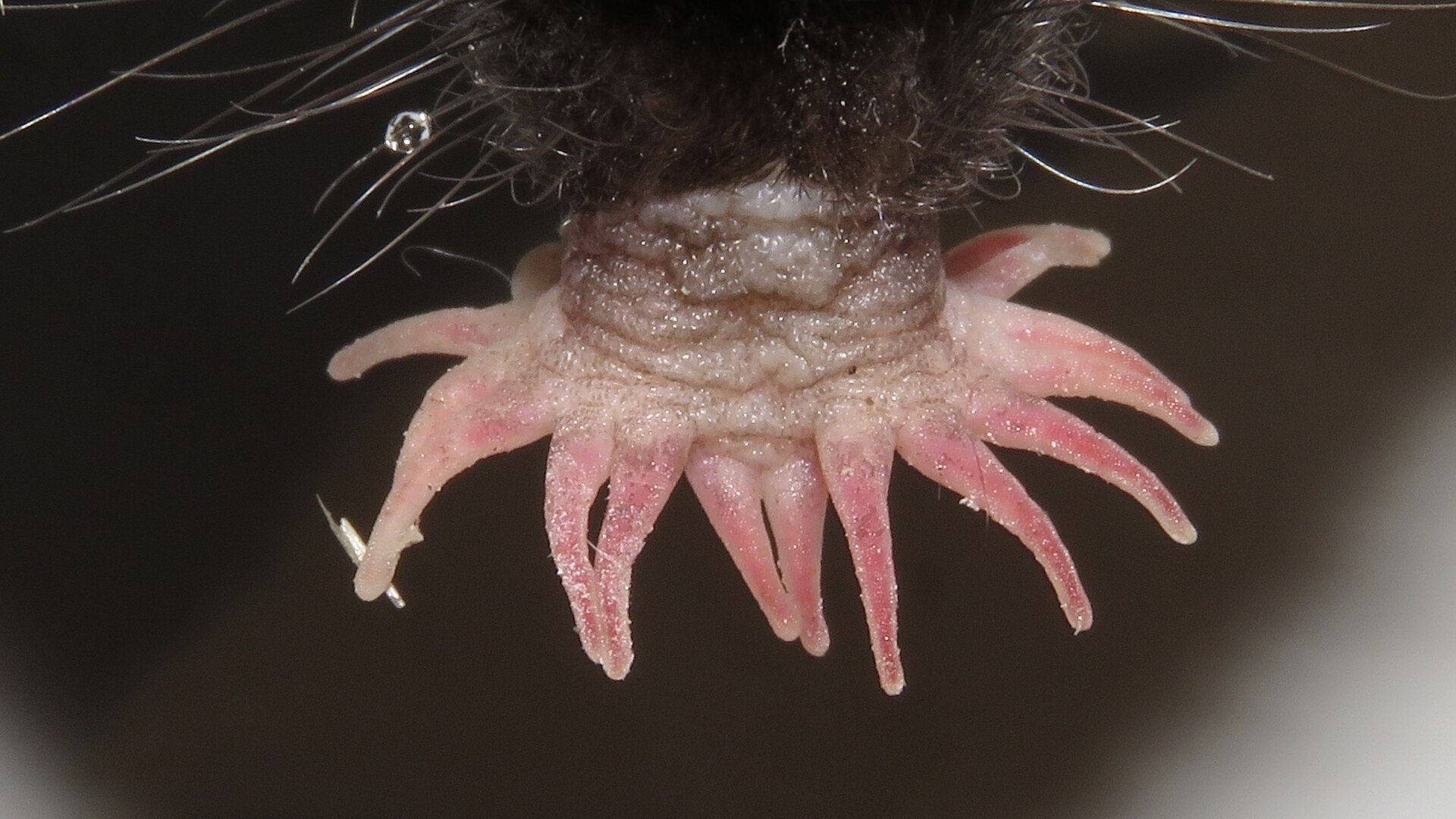
The animal, Condylura cristata, has 11 rays on each side of its nose. Research summarized by Vanderbilt University’s Catania Lab describes roughly 25,000 small touch organs across the star.
The rays are not little grasping hands. They repeatedly contact objects, helping the animal examine what is in front of it.
One central pair receives special attention. The mole uses these rays to inspect objects in greater detail, somewhat as our eyes direct a promising object toward the sharpest part of our vision.
That comparison concerns how information is processed. The mole is feeling, rather than seeing, through its star.
Tiny prey, rapid decisions
Vanderbilt researchers have studied how quickly the mole can distinguish possible food. Its specialized sensory system allows exceptionally fast decisions while foraging.
The lab has also documented underwater sniffing. The animal can release air bubbles and draw them back in, allowing scent sampling beneath the surface.
These abilities turn a small mammal into a fascinating subject for brain research. Its anatomy helps scientists explore how sensory information guides behavior.
A mole that belongs near water
The Maine Department of Inland Fisheries and Wildlife describes a preference for wet soils near marshes, streams, lakes, and wet meadows.
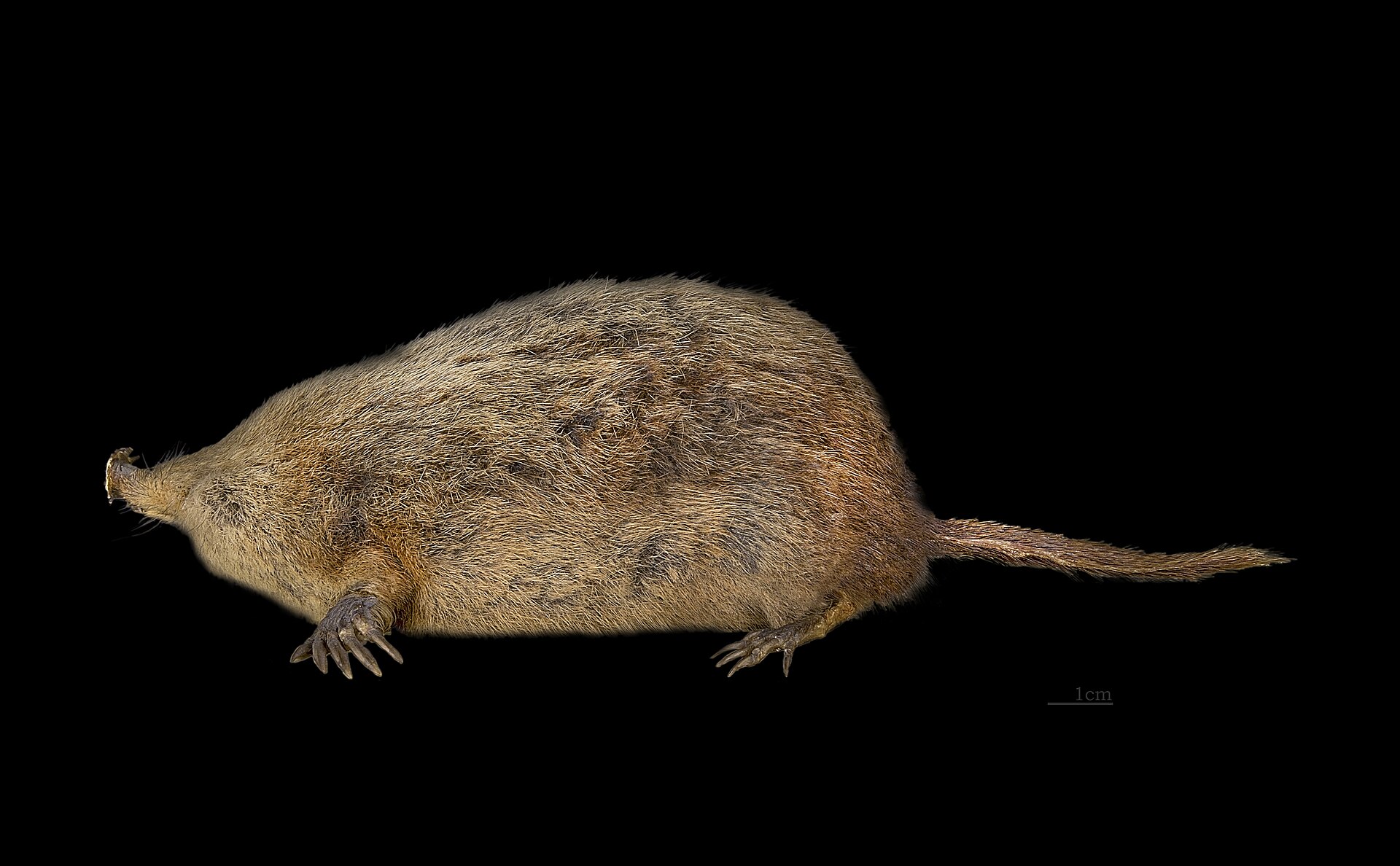
Its broad front feet help with digging and swimming. Meals include aquatic insect larvae, earthworms, snails, and small fish. It can be active by day or night.
The broader range lies in eastern North America, according to Animal Diversity Web. The species is closely connected to habitats many people simply think of as muddy ground.
A different way to experience nature
Wetlands support much more than visible birds and plants. They also provide living space for small hunters working through the soil and shallows.
The star-nosed mole offers a glimpse of a world organized around touch. Its unusual face becomes easier to appreciate once we understand the task it performs.
Sometimes nature’s strangest features make the most sense when we imagine life from the animal’s side.
Photo credits
Featured image: US National Parks Service — Public domain.

Body image 1: Didier Descouens — CC BY-SA 3.0.

Body image 2: Dan MacNeal — CC BY 4.0.

Photographs are illustrative. Image adaptations remain under their respective source licenses.