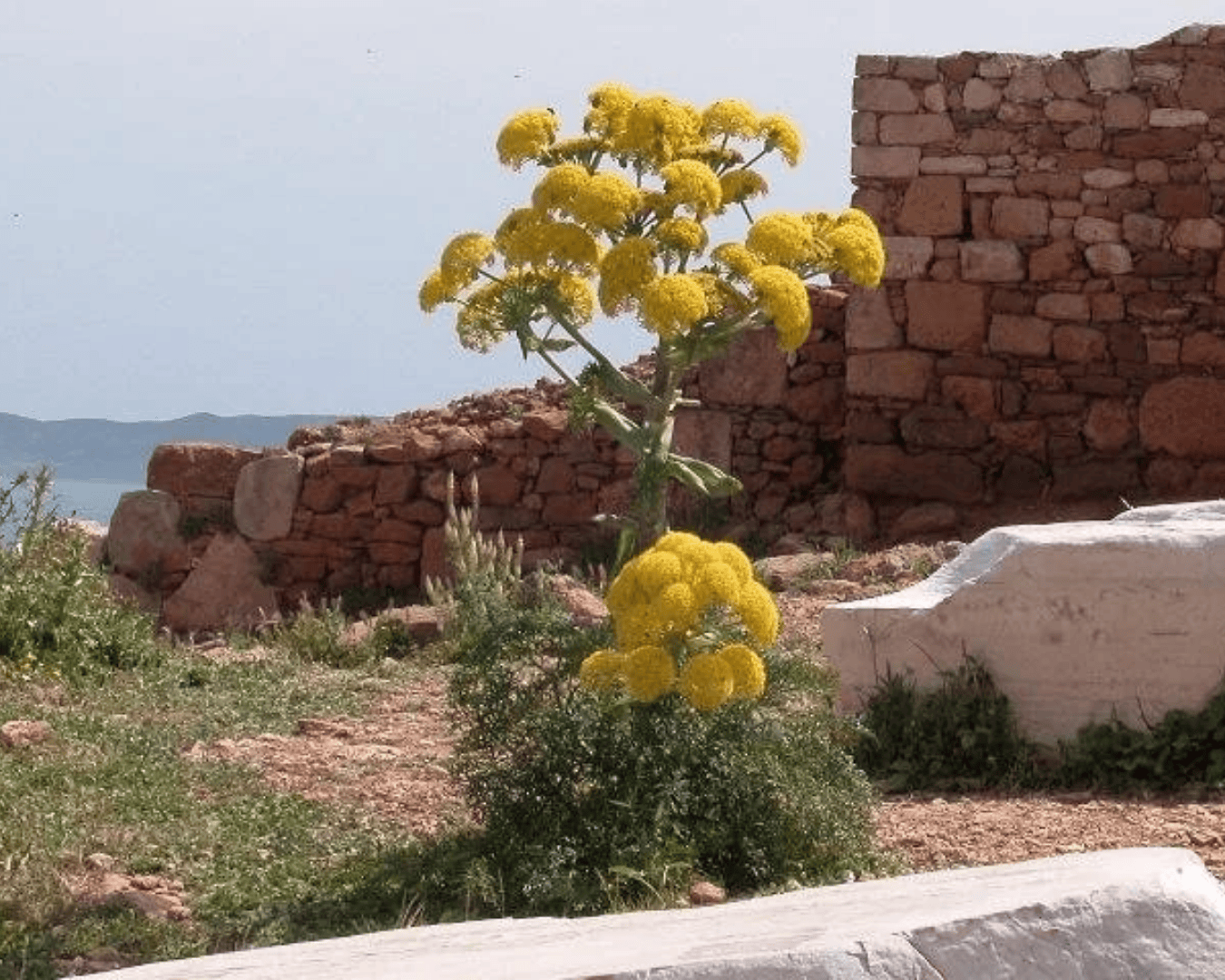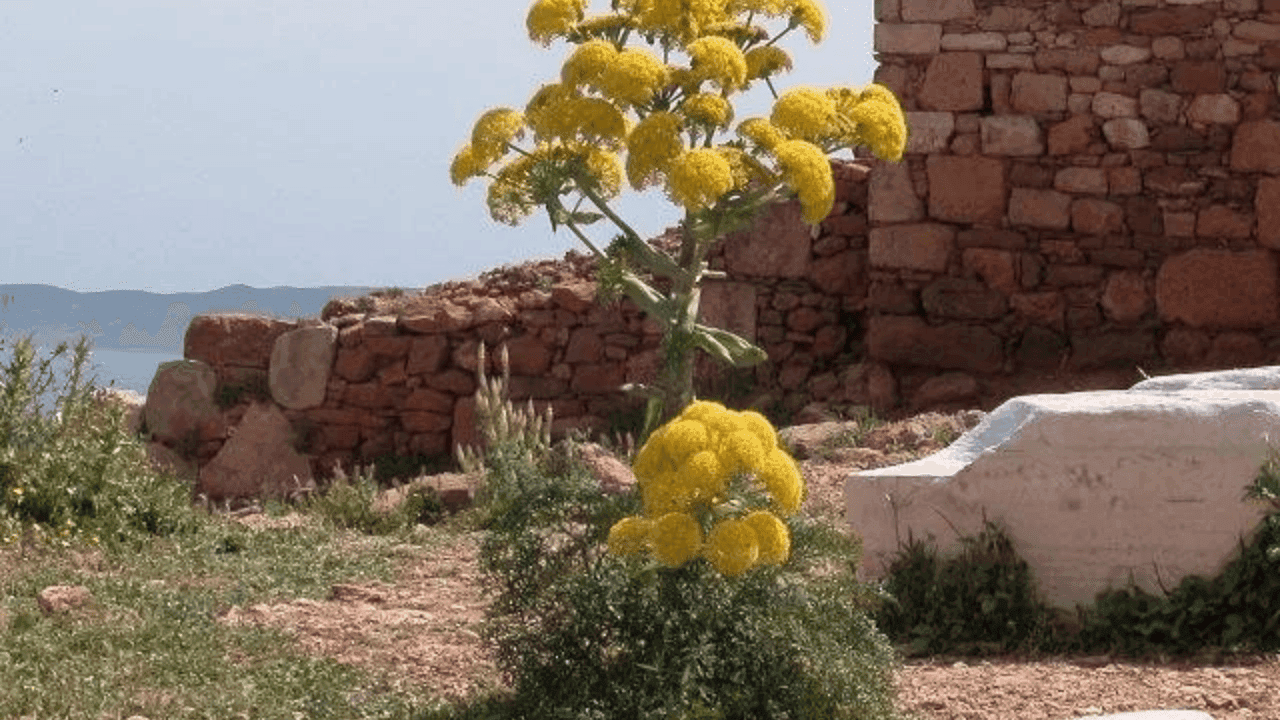
Over 2,000 years ago, the Roman Empire prized a golden plant called silphium. It was used as a medicine, spice, and perfume, and it was so valuable that it appeared on their coins. The Romans valued it as much as gold.
But by the first century, silphium had vanished. Historians wrote that overharvesting and changing climates wiped it out. For centuries, it became a ghost of history, a legend found only in old texts.
A Possible Rediscovery
Recently, botanist Prof. Mahmut Miski from Istanbul University discovered a strange herb growing on the rocky slopes of Mount Hasan in Turkey. Its thick stems, yellow flowers, and golden resin looked strikingly similar to the ancient descriptions of silphium.
“This plant matches silphium in almost every way described by ancient writers,” said Prof. Miski in an interview with BBC News.
The plant even grew in the same type of volcanic soil where ancient silphium once thrived.
Why It Was So Special
Ancient authors like Pliny the Elder wrote that silphium was used to treat everything from coughs to stomach problems. Some even believed it worked as an early form of birth control.
According to the Smithsonian Magazine, silphium’s resin was once so rare that its price was measured in silver and gold coins.
Imagine a plant so valuable that it was worth its weight in treasure. The Romans guarded it like a secret recipe, yet they used it until none was left.
Nature’s Second Chance
If Prof. Miski’s plant truly is silphium or its close relative, it would mean that nature kept this secret alive for two thousand years. It survived quietly in the cracks of forgotten mountains, waiting to be noticed again.
The discovery is also a warning. Many species vanish every year due to overuse and habitat loss. Silphium’s story reminds us that once nature’s treasures are gone, they are not easily replaced.
According to the World Wildlife Fund (WWF), around 1 million plant and animal species face extinction because of human activity.
A Living Echo of the Past
Silphium’s return is more than science. It is a story about patience. The earth keeps memories, and sometimes it offers them back to those willing to look.